




Best Tool for Removing Facial Hair for Men (2026)
Tool for removing facial hair explained for men. Compare costs, pain and long-term options like IPL for neck, back and chest hair.
Tool for removing facial hair explained for men. Compare costs, pain and long-term options like IPL for neck, back and chest hair.

Best Tool for Removing Facial Hair for Men
If you’re a bloke searching for a tool for removing facial hair, odds are you’re not talking about shaving your beard. You’re talking about the fiddly bits: the unibrow that makes you look permanently irritated, the neck hair that ruins a sharp beard line by lunchtime, or the ear and nose hair that seems to appear overnight once you hit your 30s.
You’re not alone, and you’re not “being vain”. This is just grooming. Same category as keeping your hair tidy or trimming your nails. The only reason it feels a bit awkward is that most advice online is still written like it’s aimed at women, with language and products that don’t always match how men’s hair grows (or how thick it is).
This guide is here to make it simple.
We’re going to compare the most useful facial hair removal tools and methods for men, from quick, painless maintenance (trimmers and razors) to longer-lasting options (waxing and creams), right through to modern at-home tech that can reduce regrowth long term.
And we’ll be straight about what each option is actually good for, because there’s no single “best” tool for everyone. A precision trimmer that’s perfect for a unibrow won’t do much for back-of-neck tidying. A back hair solution can be far too aggressive for your face. The aim is to match the tool to the job, so you’re not wasting time, money, or patience.
We’ll also cover the stuff men actually care about:
-
Does it work on coarse, dense hair?
-
Is it going to hurt?
-
How often will I need to do this?
-
What’s the long-term cost (not just the price today)?
-
Can I do it at home without awkward appointments?
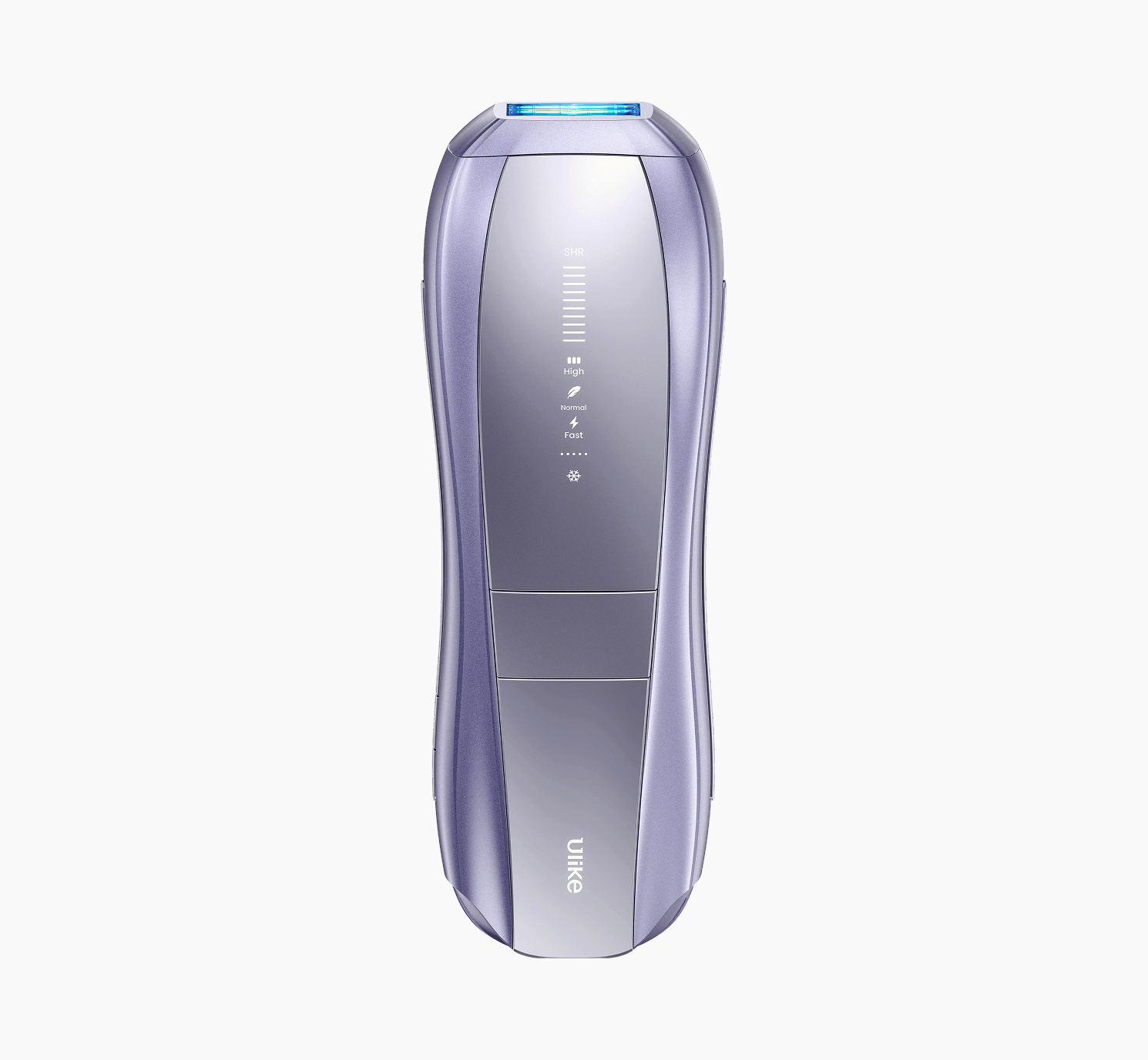
If you’re looking for a practical, long-term option that can take the edge off constant upkeep, we’ll also explain where Ulike X fits in, especially for areas like neck hair below the beard line, upper cheeks for beard shaping, and body hair (back, shoulders, chest) where maintenance can feel never-ending.
No pressure, no “10-step routines”. Just a clear, useful breakdown so you can get things sorted in a way that suits you.
What Men Need to Consider Before Choosing a Hair Removal Tool
Choosing a tool for removing facial hair comes down to three things: the area you’re treating, how thick and dense your hair is, and how often you’re prepared to maintain it. Male facial and body hair typically grows back quickly and is coarser than average, which means some lighter devices struggle on areas like the neck, back and shoulders.
It also helps to decide whether you want short-term maintenance, such as shaving or trimming every few days, or longer-term reduction to slow regrowth. Being clear on that upfront makes it much easier to choose a facial hair removal tool that actually suits you.
1. Where Are You Removing Hair?
The area makes a difference. A small precision device that works well between the eyebrows won’t cover your back. A large body groomer isn’t ideal for shaping facial details. Start by defining the exact area you want to manage.
Facial Areas
Unibrow / Between Eyebrows
This is about control. You need a tool that allows small, accurate movements. Precision trimmers, tweezers, or targeted long-term reduction are typically used here. Full-size razors can be clumsy in such a small space.
Upper Cheek Hair
Hair that grows high on the cheeks affects beard shape. Trimmers and razors handle regular line-ups. Longer-term reduction can reduce how often you need to tidy the area.
Neck Hair Below the Beard Line
Neck growth is usually coarse and fast. Daily shaving keeps it clean but often leads to irritation and ingrown hairs. Some men manage it with electric shavers. Others look for longer-term reduction to avoid constant upkeep.
Ear and Nose Hair
This is trimming only. Use a dedicated nose and ear trimmer designed for delicate areas. Razors, waxing, tweezing and IPL are not suitable here.
Back and Shoulders
Large, dense and difficult to reach alone. Trimmers reduce bulk. Waxing removes hair for several weeks but involves pain and repeated appointments. Long-term reduction devices are often chosen for convenience and privacy.

Chest
Many men prefer reducing thickness rather than removing everything. Body groomers are common for shaping. Long-term reduction can thin density over time.
Match the method to the area. Small zones require precision. Larger zones require coverage and practicality.
2. Your Hair Type and Growth Pattern
Men’s hair is usually thicker and more densely packed than the examples you see in generic grooming guides. Beard growth in particular is coarse, and neck hair can grow back quickly. Body hair on the back and shoulders is often dense and stubborn.
That changes what works.
Low-powered or lightweight devices can struggle with heavy growth and leave patchy results. Methods that pull hair from the root, such as waxing, tend to be far more painful on thick male hair. Shaving and trimming handle density well, but regrowth on areas like the neck can show within a day or two.
Hair colour also matters with light-based devices such as IPL. Dark brown and black hair responds best because the light targets pigment in the hair. Very light blonde, red, grey or white hair is far less likely to respond.
Hair thickness, density and colour all influence which facial hair removal tool makes sense for you.
3. Pain Tolerance
Different hair removal methods feel very different on coarse male hair.
Shaving and trimming are usually comfortable. The blade can cause irritation on the neck, particularly with daily use, but the process itself is straightforward. Electric trimmers and shavers suit men who want quick upkeep without discomfort.
Waxing removes hair from the root. On thick back or chest hair, it hurts. The first session is usually the most intense. Results last several weeks, but each appointment repeats the same process.
Light-based devices such as IPL create a brief heat sensation against the skin. Most men describe it as a warm snap rather than sharp pain. Denser areas like the neck can feel stronger than arms or chest. Devices with cooling technology reduce that sensation.
Pain tolerance plays a role in choosing the right facial hair removal tool. Methods that pull from the root feel stronger. Surface-level removal is easier to tolerate but requires more frequent maintenance.
4. Time and Maintenance
Hair removal isn’t a one-off job. The real question is how often you want to deal with it.
Shaving the neck or shaping the cheeks can become part of a daily routine. Trimming chest or shoulder hair usually means weekly or fortnightly upkeep. These methods are quick, but they repeat often, especially with fast regrowth.
Waxing stretches the gap between sessions to several weeks, but it involves booking appointments or setting time aside at home. Each session resets the cycle.
Longer-term reduction methods, including at-home IPL devices such as Ulike X, require a consistent initial phase, typically weekly sessions for a number of weeks. After that, maintenance drops to occasional touch-ups to keep regrowth controlled.
Time commitment isn’t just about how long a single session takes. It’s about how often you want to repeat it over months and years. Some men are fine with regular upkeep. Others would rather invest upfront and reduce how often they have to think about it.
5. Cost: Upfront Price vs Long-Term Spend
The price on the shelf rarely reflects what you’ll spend over time.
Razors and basic trimmers are affordable to buy. Replacement blades, shaving cream and periodic upgrades continue quietly in the background. The monthly amount feels small, but it never ends.
Salon waxing spreads the expense out. One back appointment may seem reasonable. Repeat that every month or so and the yearly total becomes substantial.
Long-term reduction devices, including Ulike X, require a higher initial spend. After that, there are no appointment fees and no ongoing blade replacements. One device can be used on back, chest and neck for years.
A longer view changes the calculation. Short-term tools keep costs low today. Long-term solutions reduce repeat spending and ongoing appointments.
6. Privacy and Practicality
Privacy shapes decisions more than most men admit.
Clinic treatments involve appointments, travel and being treated by someone else. Back waxing or laser sessions are standard practice in clinics, but they require time, exposure and repeat visits.
Home-based tools keep everything within your own space. Trimmers and shavers are used when needed and put away. Longer-term devices such as Ulike X are also used at home and on your own schedule. Larger areas like the back usually need help for full coverage, but the process stays private.
Practicality comes down to whether a device fits easily into daily life. Tools that are quick to set up and straightforward to use are more likely to be used regularly. Regular use is what determines how effective most facial and body hair removal methods become over time.
Decision Framework: Match the Tool to the Job
Different areas require different tools. This quick guide keeps it simple.
|
Area |
Best Short-Term Option |
Longer-Term Option |
Avoid |
|
Unibrow / Between Eyebrows |
Precision trimmer or tweezers |
Targeted IPL such as Ulike X for gradual reduction |
Full-size razors (low control) |
|
Ear & Nose Hair |
Dedicated nose/ear trimmer |
None – trimming only |
Razors, waxing, IPL |
|
Neck Hair Below Beard |
Electric shaver or razor |
IPL such as Ulike X to reduce regrowth |
Waxing, harsh creams |
|
Upper Cheek Hair |
Trimmer or razor for shaping |
Light-based reduction to reduce frequent touch-ups |
Over-plucking |
|
Back & Shoulders |
Body groomer or salon waxing |
At-home IPL such as Ulike X for density reduction |
Standard razors (hard to reach) |
|
Chest Hair |
Body groomer for shaping |
IPL for gradual thinning |
Aggressive waxing if sensitive |
The goal isn’t full removal unless you want it. It’s control. Choose the method that fits the area, your hair type, and how often you want to deal with maintenance.
Popular Tools for Removing Male Facial and Body Hair
Now that the decision factors are clear, it makes sense to look at the tools themselves.
There are plenty of options marketed as the “best tool for removing facial hair”, but they fall into a few clear categories: trimming, shaving, chemical removal, root removal, and long-term light-based reduction. Each works differently on coarse male hair. Each comes with trade-offs in comfort, cost and upkeep.
1. Electric Trimmers and Body Groomers
Electric trimmers are the backbone of most men’s grooming routines. They don’t remove hair at skin level. They cut it short and keep things tidy.
For facial use, precision trimmers handle unibrow maintenance, beard edges and upper cheek shaping. For the body, larger groomers reduce bulk on the chest, shoulders and back. Many devices come with adjustable guards, which makes it easier to control length rather than taking everything off.
What they’re good at
-
Fast touch-ups
-
Managing coarse, dense hair
-
Shaping rather than full removal
-
Low irritation compared to daily shaving
They’re especially useful for men who prefer a trimmed, natural look instead of completely smooth skin.
Limitations
-
Hair grows back quickly
-
Results aren’t smooth to the touch
-
Blade replacements are needed over time
For areas like the neck, a trimmer can reduce irritation compared to shaving, but you’ll still see regrowth within a few days. For larger areas like the back, a body groomer reduces thickness but doesn’t offer long-term reduction.
Electric trimmers are practical, affordable and easy to live with. They’re maintenance tools. If your goal is simply to keep facial and body hair under control without removing it completely, they do the job well.
2. Dedicated Nose and Ear Hair Trimmers
Ear and nose hair need a separate mention because the rules are different.
These areas require trimming, not removal. Nose hair filters air and protects the respiratory system. Ear canals are delicate. Pulling hair from the root or using harsh methods increases the risk of irritation and infection.
Dedicated nose and ear trimmers are small, rounded devices designed to cut hair safely without damaging surrounding skin. Most use a rotary or oscillating blade system enclosed behind a guard.
What they’re good at
-
Safe trimming in sensitive areas
-
Quick weekly maintenance
-
Minimal discomfort
-
Low cost and long lifespan
Limitations
-
Single-purpose tool
-
Hair grows back, so regular use is required
Razors, waxing, tweezers and IPL are not suitable for ear or nose hair. Trimming is the only practical and safe option.
For most men, especially over 30, a dedicated nose and ear trimmer becomes a basic grooming essential rather than an optional extra.
3. Manual Razors and Safety Razors
Razors are still one of the most common facial hair removal tools for men. They cut hair at skin level, leaving a smooth finish. Cartridge razors are widely used for convenience. Safety razors use a single blade and are often chosen for closer control and lower long-term blade costs.
They’re most commonly used for neck cleanup below the beard line, shaping upper cheeks, and occasionally for body hair.
What they’re good at
-
Smooth finish
-
Low upfront cost
-
Works on all hair types and colours
-
Easy to find and replace
Limitations
-
Regrowth appears quickly, often within 24–48 hours
-
Daily or near-daily maintenance on fast-growing areas
-
Risk of razor burn, nicks and ingrown hairs, especially on the neck
-
Back and shoulders are difficult to shave alone
For neck hair in particular, regular shaving can lead to ongoing irritation. Men with coarse or curly hair often experience ingrown hairs in this area.
Razors work well for short-term control and clean lines. They’re efficient, but they don’t reduce growth. Maintenance remains part of the routine.
4. Hair Removal Creams (Depilatory Creams)
Hair removal creams break down the structure of the hair so it can be wiped away from the surface of the skin. They’re usually marketed for male body hair and applied to areas such as the chest, shoulders and back.
The process is simple. Apply an even layer, wait the instructed time, then remove the product along with the loosened hair.
What they’re good at
-
Treating larger body areas in one session
-
Avoiding blades and pulling
-
Producing a smoother result than trimming
-
Low cost per use
Limitations
-
Strong chemical smell
-
Risk of irritation or chemical burns
-
Patch testing required before use
-
Not suitable for coarse beard areas
-
Regrowth at the usual speed
Thick male body hair often requires using the maximum recommended timing. Exceeding it increases the risk of skin reactions.
These creams are generally limited to body areas. They don’t slow regrowth and need repeating as hair returns.
5. Waxing (Salon or At Home)
Waxing removes hair from the root. Warm or hot wax is applied to the skin, then pulled away, taking the hair with it. It’s commonly used for male back, shoulder and chest hair.
Results last longer than shaving or creams because the entire hair is removed, not just cut at the surface. Regrowth typically appears after several weeks.
What it’s good at
-
Longer gaps between sessions
-
Effective on dense, coarse body hair
-
Smooth finish across large areas
Limitations
-
Pain, especially on thick male hair
-
Redness and irritation for 24–48 hours
-
Risk of ingrown hairs
-
Ongoing salon costs
-
Back waxing usually requires a professional or assistance
Back waxing is one of the most requested male treatments in clinics. It works, but it involves repeat appointments and exposure. At-home kits are available, though applying wax evenly across your own back is difficult.
Waxing removes hair efficiently, but the process repeats every month or so. It reduces frequency compared to shaving, yet it doesn’t permanently reduce growth.
Long-Term Hair Reduction Options for Men
Everything so far focuses on maintenance. Shaving, trimming, waxing and creams remove hair that’s already there. Regrowth follows, and the cycle continues.
Some men reach a point where they want fewer repeat sessions. Neck hair that needs daily shaving. Back hair that returns every few weeks. A unibrow that requires constant tidying. In those cases, longer-term reduction becomes part of the conversation.
Light-based technology, including at-home IPL devices such as Ulike X, works differently from blades or wax. Instead of cutting or pulling hair, it targets the follicle over a series of sessions to reduce future growth.
The aim isn’t instant results. The aim is gradual reduction over time. Fewer hairs. Slower regrowth. Less maintenance.

6. At-Home IPL Devices
IPL stands for Intense Pulsed Light. The device emits controlled flashes of light that are absorbed by pigment in the hair. That light converts to heat and affects the hair follicle during its growth phase.
Over a series of weekly sessions, hair begins to grow back finer and more slowly. With continued use, many men see significant reduction in areas such as the back, chest, shoulders and neck.
Where IPL is commonly used by men
-
Back and shoulders
-
Chest and abdomen
-
Neck below the beard line
-
Between the eyebrows
-
Upper cheek line shaping
Devices such as Ulike X are designed for home use and include built-in cooling to reduce heat sensation during treatment. One device can cover multiple body areas over time, which makes it practical for men managing both facial detail areas and larger body zones.
Important limitations
-
Not suitable for use on the full beard area
-
Not for inside the nose or ears
-
Works best on dark brown or black hair
-
Less effective on blonde, red, grey or white hair
-
Requires consistent weekly use during the initial phase
Results build gradually. Most men notice shedding and slower regrowth within several weeks, with fuller reduction after completing the recommended cycle.
IPL is often chosen by men who want to reduce how often they shave their neck or manage back and chest hair without repeat salon visits.
7. Professional Laser Hair Removal
Professional laser treatments use medical-grade equipment operated in clinics. The principle is similar to IPL, targeting pigment in the hair to reduce growth over time.
Laser sessions are typically spaced several weeks apart and may achieve faster visible reduction per session compared to home devices. Clinics can also use specific laser types for darker skin tones under professional supervision.
Considerations
-
Higher total cost over a full course
-
Appointment scheduling required
-
Exposure in a clinical setting
-
Maintenance sessions may still be needed
Professional laser is often chosen by men who want clinic oversight or have skin tones that are not suitable for home IPL devices.
For many men with light to medium skin and dark hair, at-home IPL devices such as Ulike X provide a more private and cost-controlled way to achieve long-term reduction across multiple areas.
Which Tool Delivers the Best Results Overall?
Instead of repeating every area again, here’s a straightforward summary of what performs best in each category.
|
Category |
Best Option |
Why It Stands Out |
|
Best for Quick Maintenance |
Electric trimmer |
Fast, low irritation, handles coarse hair easily |
|
Best for Smooth Finish |
Manual razor |
Cuts at skin level, inexpensive upfront |
|
Best for Ear & Nose Hair |
Dedicated nose/ear trimmer |
Safe and designed specifically for delicate areas |
|
Best for Back Hair (Long-Term) |
Ulike X (At-Home IPL) |
Reduces density over time, avoids salon visits |
|
Best for Neck Hair Below Beard |
Ulike X (At-Home IPL) |
Cuts down daily shaving and irritation |
|
Best Long-Term Value |
Ulike X (At-Home IPL) |
One device, multiple areas, no repeat appointment costs |
|
Best for Large Body Areas |
Ulike X (At-Home IPL) |
Covers back, chest and shoulders with gradual reduction |
Short-term tools control hair. Long-term devices reduce how much grows back.
For men dealing with ongoing neck shaving, back hair maintenance or repeated waxing costs, at-home IPL such as Ulike X tends to offer the most complete solution across multiple areas without adding extra appointments or separate devices.
Facial & Body Hair Removal for Men: Your Top Questions Answered
What’s the best tool for removing facial hair?
There isn’t one single best tool for removing facial hair. It depends on the area. For a unibrow, a precision trimmer handles regular upkeep, while targeted IPL can reduce regrowth over time. For neck hair below the beard line, razors and electric shavers manage daily maintenance, but longer-term reduction with a device such as Ulike X can reduce how often you need to shave. Ear and nose hair should only be trimmed with a dedicated trimmer.
Can men use IPL for body hair removal?
Yes. IPL works well on coarse, dark male body hair, particularly on the back, chest, shoulders and neck. At-home devices such as Ulike X are designed for these areas and reduce growth gradually with consistent use. IPL should not be used on the full beard area, inside the nose or ears, or near the eyes.
Is there a permanent solution for back hair?
Most methods are temporary. Shaving and trimming require frequent upkeep. Waxing lasts several weeks but must be repeated. At-home IPL provides long-term reduction, meaning fewer hairs and slower regrowth over time. Maintenance sessions are still required, but far less often than waxing.
Does hair grow back thicker after shaving?
No. Shaving cuts hair at the surface, which can make regrowth feel blunt or stubbly. It does not change hair thickness or growth speed. Methods that target the follicle, such as IPL, aim to reduce density over time.
What’s the most cost-effective long-term option for male body hair?
Over several years, at-home IPL devices such as Ulike X often work out more cost-effective than repeat waxing appointments. One device can be used across multiple areas including back, chest and neck. Razors and trimmers cost less upfront but require ongoing replacements and regular maintenance.
Choosing the Right Tool for Removing Facial Hair
Facial and body hair removal for men comes down to control. Some areas need quick maintenance. Others benefit from reducing how often hair grows back in the first place.
Trimmers and razors keep things tidy. Waxing removes hair for a few weeks at a time. Long-term reduction methods work at the follicle level and aim to reduce density over a series of sessions.
Men managing neck hair below the beard line, back and shoulder growth, or recurring chest maintenance often look for ways to cut down repeat effort. At-home IPL offers that route. Ulike X is designed for use on larger body areas and selected facial zones such as the neck and between the eyebrows, helping reduce regrowth over time.
The decision is less about removing everything and more about reducing upkeep. Fewer sessions. Less irritation. More control.
Reduce Ongoing Grooming Effort
If regular shaving, trimming or waxing feels repetitive, long-term reduction may be worth considering.
Explore Ulike X to see how at-home IPL can be used on back, chest and neck areas with privacy and long-term cost control.
One device. Multiple areas. Lower maintenance over time.

How to Clean an IPL Hair Removal Device Safely

Can You Use IPL on Arms? Will It Work on Your Hair?

When Does IPL Hair Start Shedding? Signs It’s Working
Explore Beauty

Ulike Air 10
2 weeks to silky smooth skin.
96% Hair Density Reduction in 2 Weeks
Ulike Air 3
3 weeks to silky smooth skin.
93% Hair Density Reduction in 4 Weeks
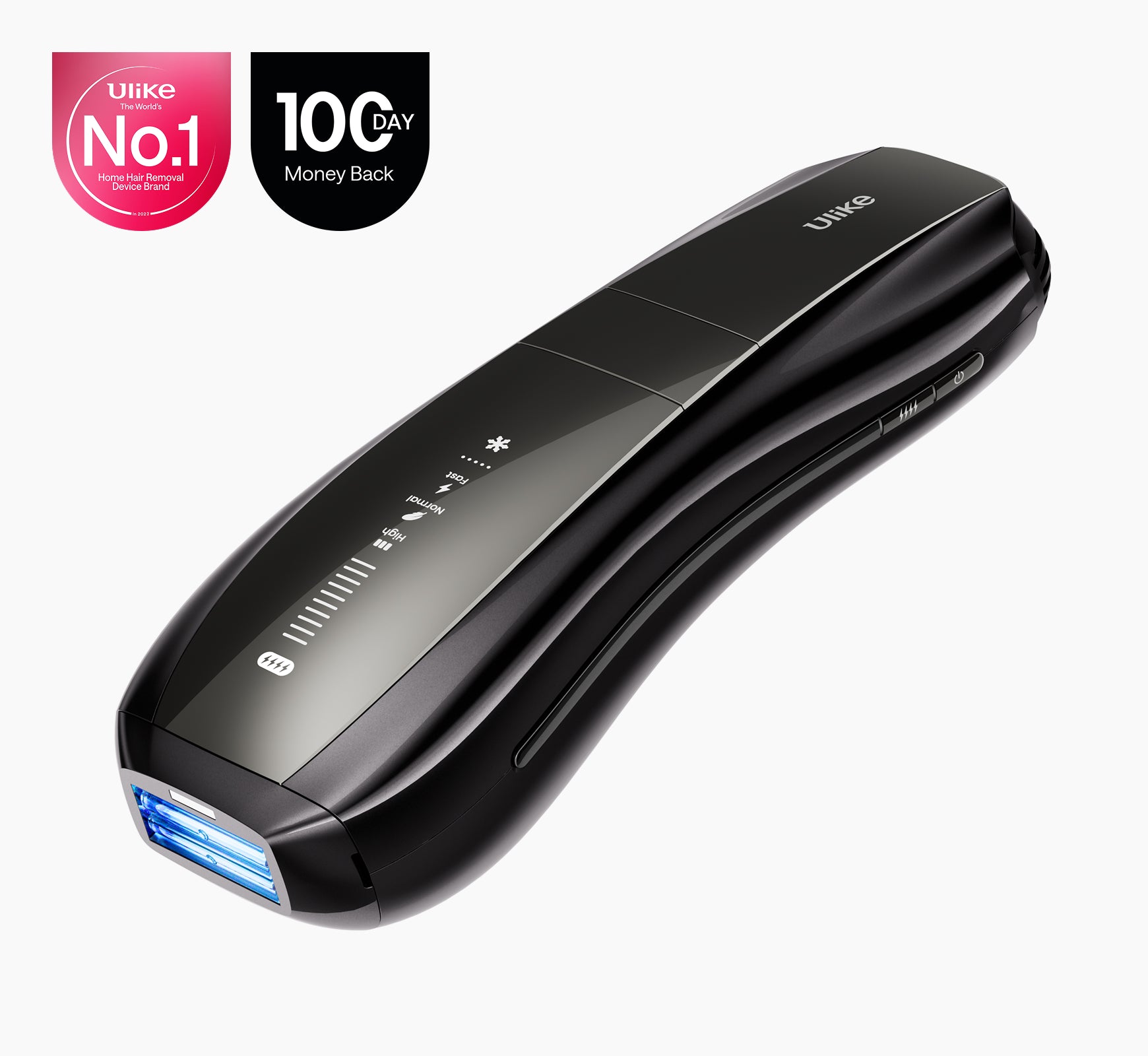
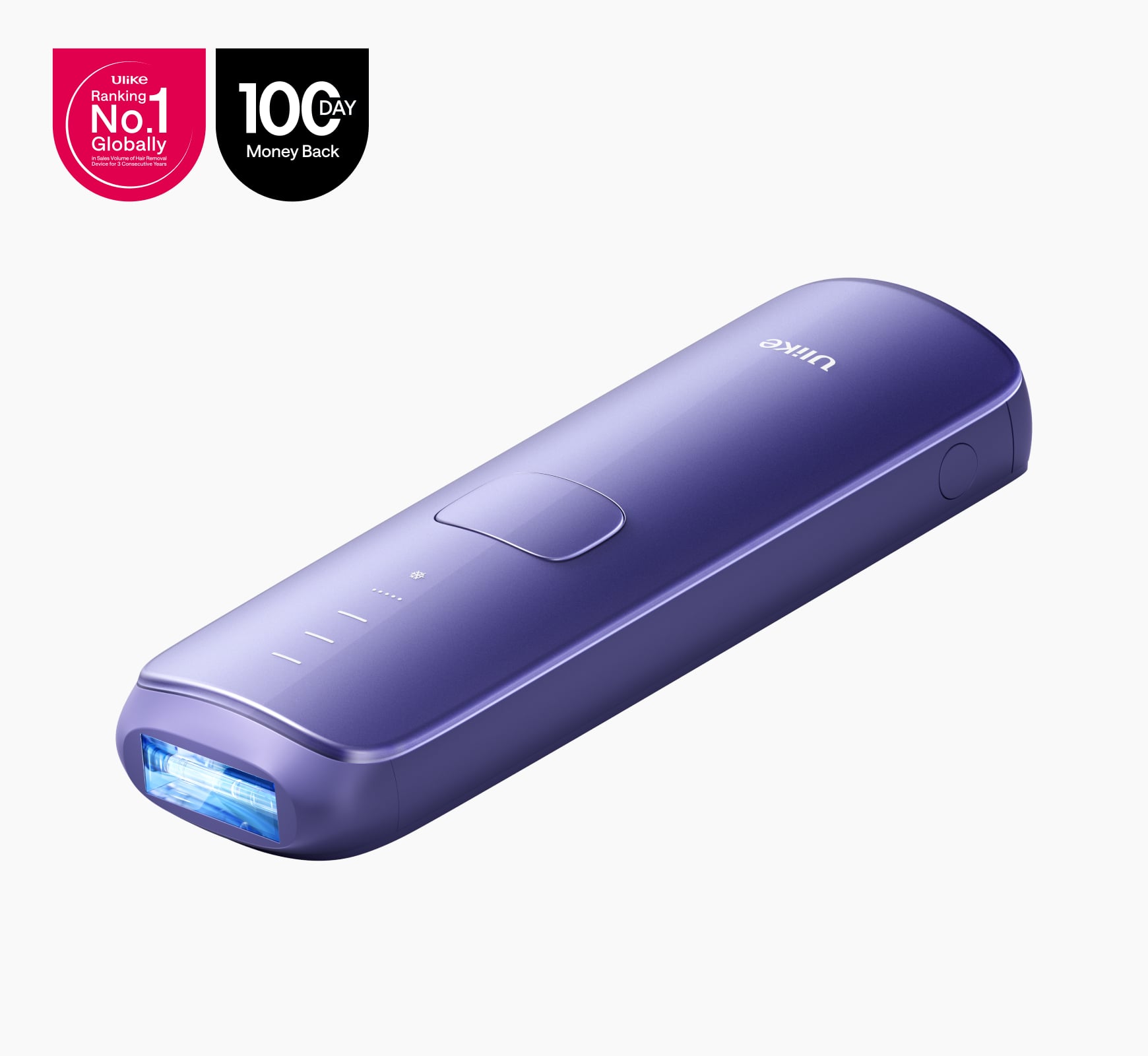
Ulike X
3 weeks to silky smooth skin.
94% hair reduction in just 2 weeks*
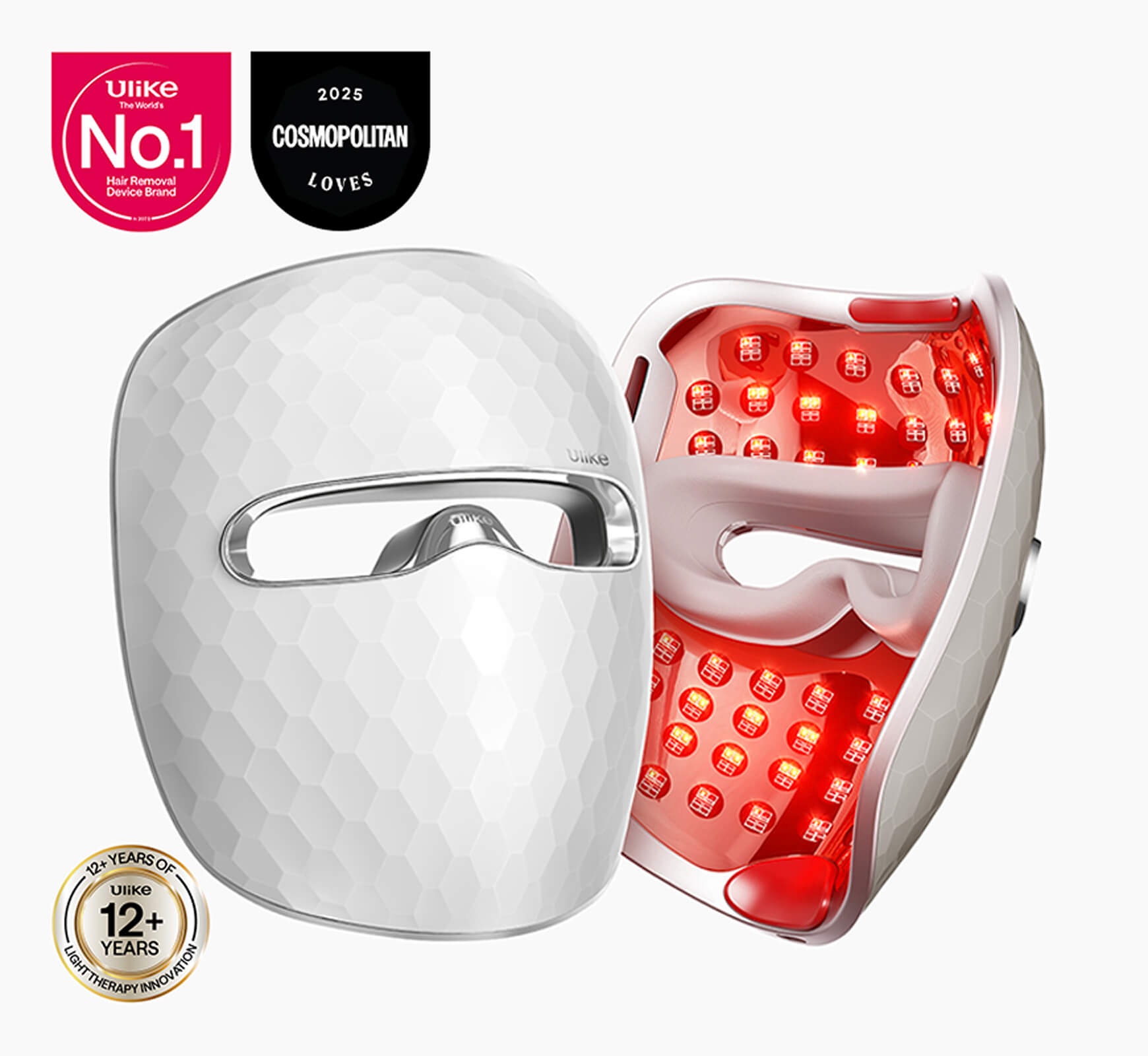
Ulike Reglow
Clearer skin in 2 weeks: Fewer breakouts
Smoother skin in 4 weeks: Fewer lines, firmer feel