





Simple Skincare Routine for Real Life (No 10 Steps)
Overwhelmed by skincare advice? This simple skincare routine keeps skin calm, smooth and protected — even if you shave or use IPL.
Overwhelmed by skincare advice? This simple skincare routine keeps skin calm, smooth and protected — even if you shave or use IPL.

The Simple Skincare Routine That Actually Works (No Overwhelm)
Emma is 38, lives in Leeds, and works full-time while raising two children. She started using at-home IPL because she was tired of shaving every other day. What she did not expect was how confusing skincare would feel alongside it.
Her bathroom cabinet looked busy. Half-used serums. A few impulse purchases from Boots. A cleanser she had used for years without really knowing why. Some evenings, she layered everything. Other days she washed her face with whatever was nearest the sink. When her skin felt dry or slightly irritated after IPL, she assumed she needed something stronger.
What actually helped was the opposite. A simpler skincare routine. Fewer products. Clear order. Consistent use. Once she focused on cleansing gently, moisturising properly and wearing SPF daily, her skin felt steadier. Treatments became more comfortable. She stopped second-guessing herself.
Her experience is common. This guide sets out the same straightforward approach: the core skincare routine steps that keep skin healthy, support smoothness and work realistically around shaving, waxing or IPL.
The Core Skincare Routine at a Glance
|
When |
Steps |
Purpose |
|
Morning |
Light cleanse or rinse → Moisturise → SPF 30+ |
Remove overnight oil, support hydration and protect from UV exposure |
|
Evening |
Gentle cleanse → Moisturise |
Remove buildup from the day and restore moisture |
|
2–3 times weekly |
Gentle exfoliation |
Improve texture and prevent dull buildup |
|
After hair removal |
Simplify routine for 24–48 hours |
Reduce irritation and support recovery |
This is the structure Emma now follows. It covers what the skin needs without adding layers that are hard to maintain.
What a Skincare Routine Really Is And What It Isn’t
When Emma described her skincare routine, it sounded more like a collection of products than a plan. A cleanser she had always used. A serum recommended by a friend. A moisturiser bought in a rush. An exfoliant she used “when she remembered”. There was effort, but no structure.
A skincare routine is not a pile of products. It is a small number of steps repeated consistently. Each step has a purpose. Cleansing removes what builds up during the day. Moisturising supports hydration and the outer barrier. SPF limits cumulative sun exposure. That foundation does most of the work.
A skincare routine is not a trend cycle, a 10-step layering ritual, or a sign of how invested you are in beauty. Emma did not need more products. She needed clarity and repetition. Once the routine had a clear order and a clear reason behind each step, everything else became optional rather than essential.
The Core Skincare Routine Steps
Emma realised the problem was not that she lacked products. It was that she was using them without much thought about why. Some evenings she layered everything. Other days, she skipped half of it. There was effort, but no real structure.
A daily skincare routine does not need to be layered or elaborate to work. It needs a clear order. First, remove what has built up on the skin. Then support it with moisture. During the day, protect it from sun exposure. That is the framework. The rest is optional.
How Your Skin Barrier Affects Your Skincare Routine
Emma did not think much about her skin barrier until it became irritated. She assumed dryness meant she needed stronger products. Often, it meant the opposite.
The skin barrier is the outer layer that keeps moisture in and environmental stress out. When it is disrupted, skin feels tight, reactive, or uneven. Over-cleansing, over-exfoliating, and layering too many active ingredients weaken it.
A simple skincare routine supports barrier function rather than challenging it. Gentle cleansing preserves natural oils. Regular moisturising replaces what washing removes. Daily SPF reduces cumulative damage that gradually compromises resilience.
Around shaving and IPL, barrier support becomes more important. Hair removal creates temporary sensitivity. When the barrier is already strong, that sensitivity tends to settle quickly. When it is already compromised, irritation lingers.
For Emma, this was the shift. She stopped asking what new product she needed and started asking whether her current routine supported recovery.

Step 1: Cleanse Gently
Emma used to wash her face quickly with hot water and whatever cleanser happened to be near the sink. Some nights she went in twice because it felt like the responsible thing to do. Her skin often felt tight afterwards. She took that as a sign it was properly clean.
What she later realised is that cleansing does not need to be forceful. It just needs to remove what has collected on the surface. Sweat, oil, sunscreen, and makeup come off without scrubbing. One gentle cleanse in the evening is generally enough before moisturiser. In the morning, she sometimes rinsed with water and left it at that.
Hot water made her skin feel drier than she noticed at the time. Switching to lukewarm water helped. So did slowing down instead of rushing. A short massage with a mild cleanser, a proper rinse, and patting dry rather than rubbing made a difference.
Shaving and IPL changed things slightly. Her skin felt more reactive in the days around treatment. Stronger formulas that had seemed fine before began to sting. Keeping the cleanser simple and fragrance-free during those periods kept everything calmer. It was not dramatic, just steadier.
You can read a more detailed breakdown in our complete guide to hair removal aftercare.
Step 2: Moisturise
Moisturiser was the step Emma treated as optional. Some weeks she used it daily. Other weeks she forgot entirely, especially on her legs. If her skin felt dry, she applied a small amount and moved on.
The dryness kept returning. After showers her skin felt tight. After shaving it sometimes looked slightly dull.
Moisturising turned out to be less about adding something extra and more about replacing what washing removes. Applying it while her skin was still slightly damp helped. Using enough to cover the area evenly helped more. Face, legs, underarms, anywhere she regularly removed hair all needed the same attention.
She did not switch to anything complicated. A straightforward, fragrance-free cream worked. Around IPL sessions she kept it especially simple and avoided heavily scented products. Regular use did not transform her skin overnight, but it reduced the dry, stretched feeling she had come to expect after washing or hair removal.
Step 3: Protect with SPF
Sunscreen was the step Emma ignored for years. She associated it with beach holidays, not everyday life in Manchester. If the sky looked grey or she was mostly indoors, she skipped it.
Once she began IPL, she paid closer attention. Her skin felt slightly more sensitive during treatment weeks. She noticed certain areas looked a bit darker than before. It was subtle, but enough to connect the dots.
She began applying SPF as part of her morning routine. Moisturiser first, then sunscreen. A broad-spectrum SPF 30 or higher on her face each day, and on her legs or arms when they were uncovered. Keeping the bottle beside her usual products helped it become automatic.
During treatment weeks, she made sure exposed areas were properly covered. That reduced the uneven tone she had started to see. It became less about special occasions and more about everyday maintenance.
How to Adjust Your Skincare Routine After Hair Removal
Hair removal was the point where Emma’s skin usually felt unsettled. A bit of redness after shaving. Slight dryness after IPL. Occasionally a patch that felt more sensitive than the rest.
She used to respond by adding more products, thinking she needed to counteract the irritation. What actually helped was scaling back. After shaving, she paused exfoliation for a day or two and stuck to a gentle cleanser and a plain moisturiser. Very hot showers made her legs more reactive, so she kept the water warm. Loose clothing straight afterwards reduced friction.
With IPL, she kept things even simpler around treatment days. Skin was clean and dry beforehand. Afterwards, she avoided active ingredients and fragranced products and applied a straightforward moisturiser. SPF on exposed areas became part of the routine in the weeks around treatment. Keeping to that pattern meant the mild sensitivity settled without turning into a bigger issue.
The main change was understanding that her skin did not need rescuing. It needed a short period of quiet. After a couple of days, she returned to her usual routine. That rhythm kept things predictable and stopped small reactions from escalating.
Skincare Routine for Smooth, Calm Skin
Emma’s original goal was simple. She wanted her skin to feel smooth for more than a day at a time. Just comfortable in her own clothes without that faint roughness on her legs by the evening.
She used to think smooth skin came down to one product. A scrub. A richer cream. Something stronger. What made the difference was steadier than that. Regular moisturising reduced the tight, papery feeling she had ignored for years. Gentle exfoliation a couple of times a week lifted the dull layer that built up on her arms and legs.
For a deeper look at exfoliation and texture, see our guide on how to get smooth skin long term.
Hair regrowth was the other piece she hadn’t accounted for. Daily shaving meant daily stubble. Even with good skincare, that shadow of regrowth changed how her skin felt by the end of the day. As IPL reduced the frequency of shaving, the texture changed too. Fewer ingrown hairs. Less irritation. More days where her skin felt consistently smooth rather than briefly so.
If you’re unsure how IPL compares to clinic treatments, see the difference between IPL and professional laser.
What she noticed most was that calm skin feels smoother than irritated skin. When she stopped over-scrubbing and layering actives after hair removal, the overall texture improved. It was less about chasing softness and more about removing the things that were keeping her skin unsettled.
Common Skincare Routine Mistakes
Emma did not struggle because she lacked products. She struggled because she kept adjusting them. Small swaps, frequent upgrades, stronger versions of things she was already using. Her skin never quite settled.
Here are the patterns she eventually recognised:
-
Using too many products at once
She layered serums, exfoliants and treatments together, assuming more effort would mean better skin. Instead, her face felt slightly irritated most of the time. When she reduced everything to cleanser, moisturiser and SPF, the background sensitivity eased. -
Changing routines too quickly
A product would get two weeks. Sometimes less. If she did not see visible improvement, she replaced it. The constant rotation meant she never knew what worked. Letting a simple routine run for a full month made the difference clearer. -
Ignoring body skin
Her face had structure. Her legs and arms did not, even though those were the areas she shaved or treated with IPL. Dry patches and uneven texture were more about neglect than about needing stronger products. Daily body moisturising closed that gap.
This is especially relevant if you are troubleshooting results and wondering why your IPL is not working as expected.
-
Skipping SPF on ordinary days
Grey skies felt like permission to skip it. Short errands did too. Over time, she noticed uneven tone and increased sensitivity, especially around treatment weeks. Applying sunscreen daily removed that variable.
These were small habits repeated often. Once she noticed them, the solution was not adding something new. It was doing fewer things, more consistently.
How to Build a Skincare Routine You’ll Actually Stick To
Emma’s turning point was accepting that her routine had to fit her real life. Not an ideal version of it. Not a quieter season. The week she finally “got organised.” It had to work on an ordinary Wednesday.
Start Smaller Than You Think
She began with the minimum. Evening: cleanse and moisturise. Morning: moisturise and SPF. That was enough. No extra layers. No rotating treatments. Once that felt automatic, she added gentle exfoliation twice a week.
The smaller the routine, the harder it was to abandon.
Make It Friction-Free
Products became part of the environment rather than a separate task. Moisturiser beside the kettle. SPF near her toothbrush. Body lotion within reach of the bed. Removing small barriers made consistency easier than relying on motivation.
Accept Imperfection
Some evenings were rushed. Some mornings were forgotten. Instead of restarting from zero, she resumed the next day. The routine survived because she stopped treating missed days as failure.
A Routine That Feels Sustainable
Emma’s skin did not change overnight. It settled gradually. Fewer tight mornings. Fewer reactive patches after hair removal. Fewer evenings spent wondering which product had caused irritation this time.
What changed most was not the products on her shelf. It was the steadiness of what she did each day.
A simple skincare routine gave her a baseline. Clean skin. Hydrated skin. Protected skin. From there, shaving caused less disruption. IPL sessions felt more predictable. Texture improved because she stopped overcorrecting.
There was no dramatic transformation. Just fewer problems to fix.
That is often what “good skin” really looks like, not perfection, but stability.
And stability comes from repetition more than experimentation.
Skincare Routine: Your Questions Answered
What is the correct skincare routine order?
Cleanse first. This removes sweat, oil, makeup and sunscreen. Apply any treatment products next. Moisturise while the skin is still slightly damp. In the morning, finish with SPF. At night, you can stop at moisturiser. Thinner products go on before thicker creams.
How many steps should a skincare routine have?
It does not need to be long. For most people, a simple skincare routine means cleanse, moisturise and SPF in the morning, then cleanse and moisturise at night. Exfoliation can be added a couple of times a week. More steps are only useful if they address a specific concern.
Do I need to change my skincare routine after hair removal?
Yes, briefly. After shaving, waxing or IPL, keep your routine gentle for 24 to 48 hours. Use fragrance-free cleanser and moisturiser. Avoid exfoliating and strong active ingredients during that window. Apply SPF daily, especially on areas treated with IPL.
How often should I exfoliate?
Two to three times a week is enough for most skin types. Exfoliating every day often leads to irritation and a rougher texture. Leave a gap of at least a day after hair removal before exfoliating again. Gentle and regular works better than frequent and harsh.
What is a good beginner skincare routine?
A good beginner skincare routine starts with three essentials: a gentle cleanser, a moisturiser and an SPF 30 or higher. Cleanse in the evening. Moisturise morning and night. Apply SPF every morning. Follow that consistently for several weeks before adding anything else.
Support Your Skin. Support Your Results.
A steady routine makes hair removal easier to manage. Skin that is moisturised and protected tends to stay calmer after shaving or IPL. There is less dryness to correct and fewer surprises between sessions.
Keeping things simple also helps maintain an even tone over time. Daily SPF and regular moisturising do more work than most people expect.
You can explore Ulike IPL devices and see how they fit into a routine that is already working for your skin.

How to Clean an IPL Hair Removal Device Safely

Can You Use IPL on Arms? Will It Work on Your Hair?

When Does IPL Hair Start Shedding? Signs It’s Working
Explore Beauty
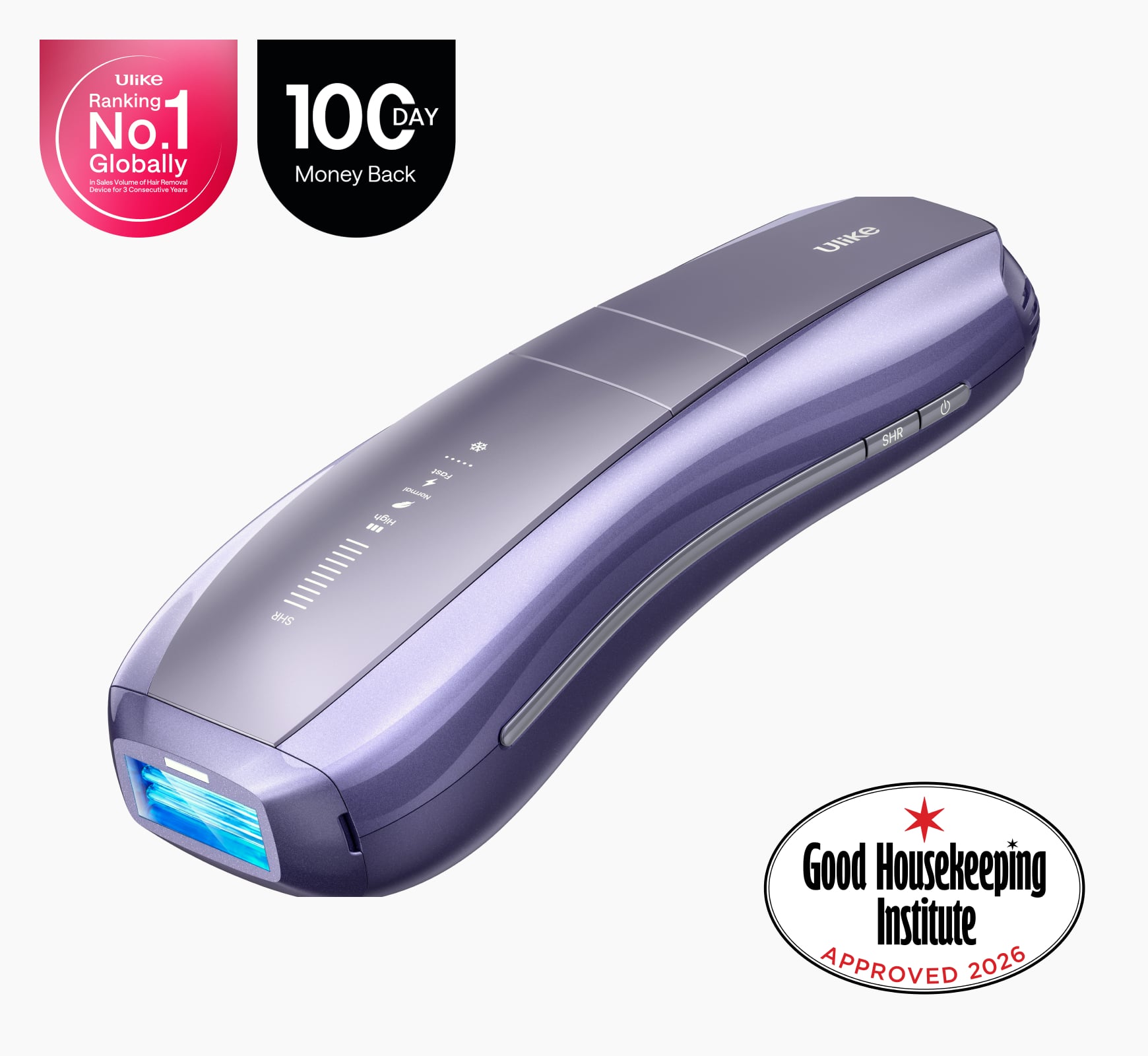
Ulike Air 10
2 weeks to silky smooth skin.
96% Hair Density Reduction in 2 Weeks

Ulike Air 3
3 weeks to silky smooth skin.
93% Hair Density Reduction in 4 Weeks
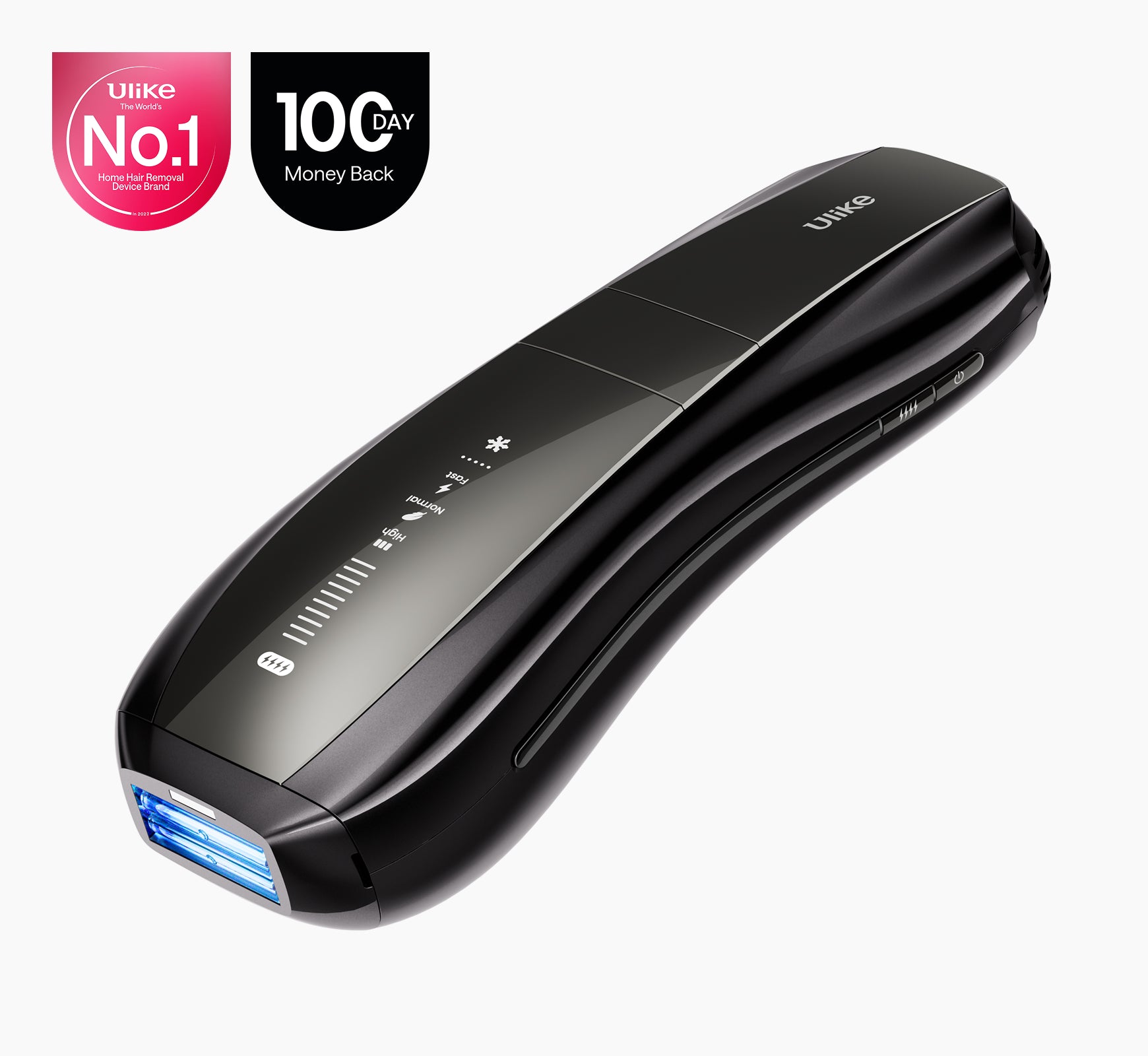
Ulike X
3 weeks to silky smooth skin.
94% hair reduction in just 2 weeks*
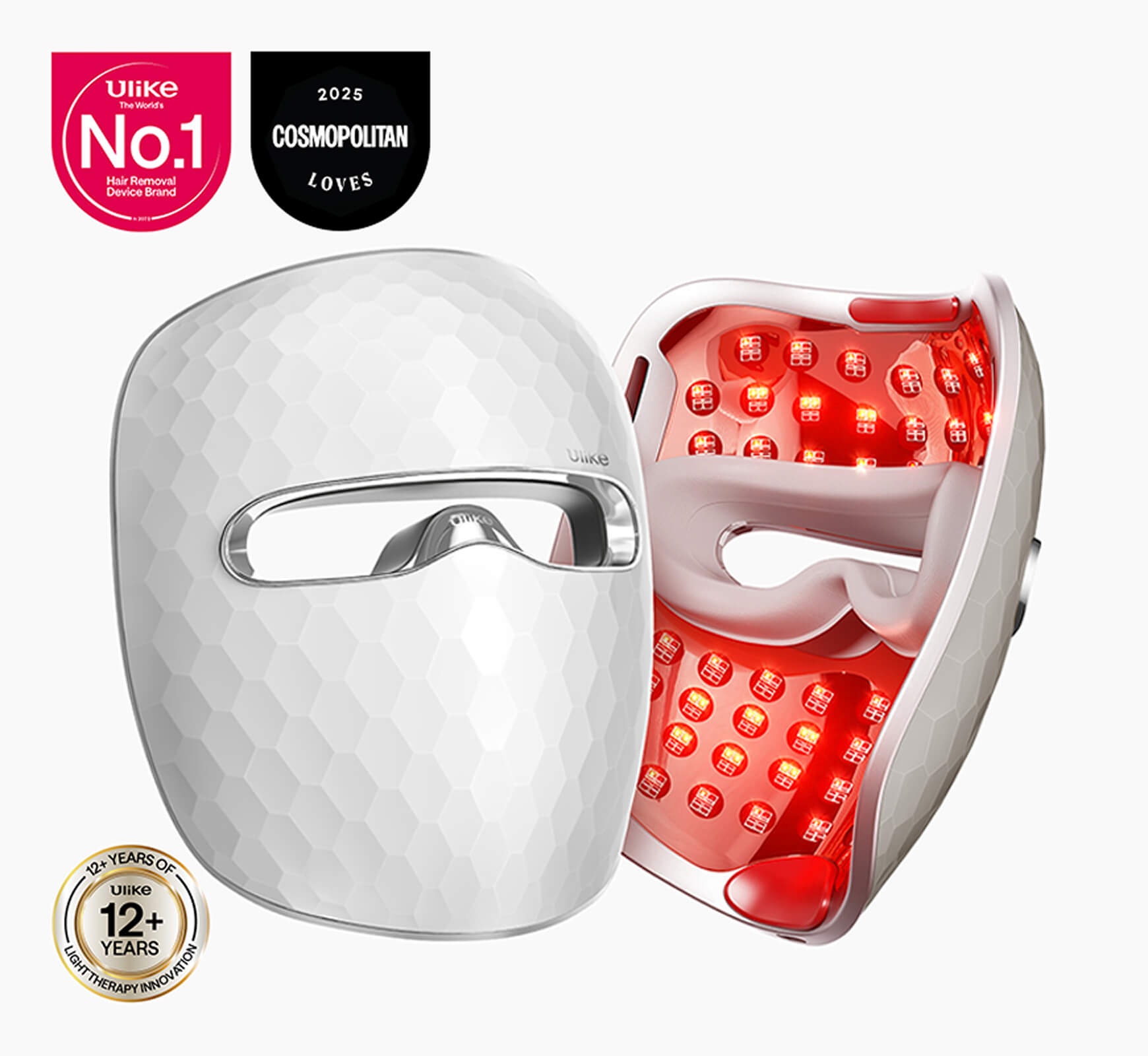
Ulike Reglow
Clearer skin in 2 weeks: Fewer breakouts
Smoother skin in 4 weeks: Fewer lines, firmer feel