




Dermaplaning vs IPL vs Waxing: Results, Pain, Cost and How to Choose

Dermaplaning vs IPL vs Waxing
Most of the people reading this will know all about dealing with unwanted hair because they’ve probably had to deal with it using waxing or shaving, or both, for most of their lives. It eventually becomes something that gets a little boring after a while, and you can’t help but wonder if there isn’t a better way to do it.
This article discusses how each of these three approaches works, what sort of results are feasible, and which is most appropriate for your skin type, hair type, and overall lifestyle. There is no one-size-fits-all solution, but the objective here is to help you make up your own mind.
What Is Dermaplaning?
Dermaplaning refers to the process of using a sterile razor or scalpel to remove the top layer of the skin along with the thin hair from the face. This type of treatment does not hurt and takes no time at all; you just walk away with smoother skin. The results of the procedure will last three to four weeks.
The razor glides gently across the skin, pulling out the hair follicles (tiny soft hairs that are present in almost everyone’s face) along with the layer of dead skin cells covering the hair follicles. The skin gets a smoother texture, and most people have reported improved absorption of their makeup and skin care products into the skin.
This procedure should be understood as mainly an exfoliation technique. The peeling of peach fuzz can be considered secondary compared to primary. If you were thinking that dermaplaning would help you address thicker and darker hair from your legs, armpits, or upper lip region, then you must know that this won't happen, as it doesn't do anything about this type of hair (terminal hair).
Dermaplaning can be done in a clinic by a qualified technician, although there are DIY kits for the same as well. While using the DIY version, the chances of making mistakes increase since it is not done in a clinic-like environment, but that does not mean that it is difficult to do the job.
A constant fear that should be put to rest is that dermaplaning makes hair grow thicker and darker. This rumour is rampant, but it is purely false. The blade does not interact with the hair follicles, which means it affects the skin on the surface level only. As for the hair, it grows back precisely the way it was before. Sometimes there can be a sensation of a difference in texture when hair regrows, but this is simply a perception.
What Is Waxing, and Is It Still Worth It?
Hair removal via waxing involves pulling out hair from its root by spreading hot or cold wax on the skin, putting down a sticky strip, and pulling the strip off. Since hair is pulled out from its root and not shaved at the surface, waxing usually lasts for three to six weeks.
Waxing works on almost all hair types and skin tones, which is a genuine advantage over some other methods. Whether the hair is fine or coarse, light or dark, waxing can deal with it. It is also one of the most accessible options available, as salons are everywhere and the treatment itself is well understood.
However, there are some drawbacks. For example, waxing can be painful at times, especially in sensitive areas. There may be ingrown hair and irritation from waxing, too. These symptoms tend to be short-lived; however, if you have sensitive skin, it is good to know.

The Real Cost of Regular Waxing
The initial cost for a waxing session is low, but if looked at over the span of a year, it comes to quite a lot. It may not be that much at first glance, but then again, when done every month or every two months, the cost over a year period is likely to be quite high indeed. This does not mean waxing should be avoided if one likes it, but it must be considered in relation to other techniques that come at a higher initial price.
Waxing will always need to be repeated. Unlike IPL, it does not interfere with future hair growth. Each session delivers the same temporary result. For some people that is perfectly fine. For others, the ongoing time and cost starts to feel like a limitation once they realise alternatives exist.
What Is IPL, and How Is It Different?
IPL means Intense Pulsed Light. IPL uses pulsations of broad-spectrum light to reach the hair follicle inside the skin. The light energy absorbed in the hair follicle by the melanin produces heat. The heat generated causes disruption in the hair follicle, thereby hindering further hair growth. For more scientific information, you can refer to Ulike's guide on how IPL works.
The most important distinction between IPL and the other methods here is that it is the only one that targets future hair growth. Dermaplaning and waxing remove hair that is already there. IPL disrupts the follicle itself, meaning that with consistent sessions, many people find regrowth becomes progressively slower and finer over time.
Results do not occur instantly. This is something that should be cleared, since it is the element of IPL that tends to take people by surprise. The beginning treatments are accomplishing far more than is readily apparent. Results in terms of regrowth will begin to show themselves after about three to four weeks of treatment, but it will not be until six to eight weeks that there will be any significant reduction in hair.
At-home IPL devices have made this technology considerably more accessible than it once was. Professional IPL treatments are available in clinics, but quality at-home devices are now UKCA-cleared for safe use and designed with features that make them suitable for home treatment.

Who Is IPL Suitable For?
This section matters, and it is worth being direct about it. IPL is not suitable for everyone, and understanding who it works best for before you purchase is far more useful than discovering the limitations afterwards.
IPL affects melanin in the hair, which is what causes the dark colour of the hair. This technique will be effective only if there is good visibility between the hair colour and skin colour; darker hair on light or medium skin is preferable. Light hair, such as blonde, grey, and red hair, does not contain enough melanin for IPL to work effectively.
As the colour becomes darker, there is a higher absorption rate of the energy of the light. The regular IPL systems cannot be used with deep-coloured skin tones. In some devices, there is an automated skin tone sensor that can regulate the intensity according to the skin tone.
If you are unsure whether your skin tone and hair colour are a good match for IPL, the most sensible step is to check Ulike's skin tone compatibility guide before deciding. It is straightforward and takes a few minutes.
People with PCOS or hormonally driven hair growth can use IPL but should be aware that hormonal causes of hair growth may mean more sessions are needed and that results can be slower. Speaking with a GP before starting is a reasonable step in that situation.
For more specific information about IPL and sensitive or reactive skin, Ulike's blog on IPL for sensitive skin is worth a read.
Dermaplaning vs IPL vs Waxing: A Direct Comparison
With a clear picture of what each method actually does, it becomes easier to compare them honestly.
Results and How Long They Last
Among the three methods, IPL offers the most long-lasting effect on reducing hair growth. After regular use for several weeks, most individuals experience slower regrowth and fewer visits in the long run. The effects of waxing may last from three to six weeks, whereas dermaplaning must be done every three to four weeks.
Only IPL has any effect on future hair growth. Waxing and dermaplaning remove existing hair, but do nothing to change how or when it comes back. That is the fundamental difference in the long-term picture. If reducing the frequency of hair removal over time is what you are after, IPL is the only one of the three that moves in that direction.
Pain and Comfort
Dermaplaning is painless for most people. It does not sting or hurt since it is more of a scrape than an incision. Waxing is painful, and all those who are used to waxing are familiar with how this feels. The pain is localized depending on the body part being waxed.
IPL feels like a hot spoon or mild warmth against the skin, similar in some descriptions to a flicked elastic band, though this varies considerably between devices. Modern at-home devices with built-in cooling technology have made the experience noticeably more comfortable than earlier generations. Most people who use IPL regularly find it very manageable, though pain tolerance is personal, and some areas are more sensitive than others.
Cost Over Time
Waxing and salon dermaplaning both carry an ongoing cost with no endpoint. The upfront expense is low, but it recurs indefinitely. IPL requires a more significant investment at the outset for a quality device, but once you have it, the running cost is minimal. If you use an at-home IPL device consistently over one to two years, the cost per session drops considerably compared to regular salon visits.
That said, the upfront cost of a good IPL device is real, and it only makes financial sense if you use it. Buying a device that sits unused is not a saving on anything.
Skin and Hair Type Suitability
Waxing is the most universally applicable of the three. It works on almost any hair and skin type, and there are very few situations where it would not be a viable option. Dermaplaning is effective for most skin types but is limited to fine facial hair. IPL has the narrowest set of ideal conditions: it works best on dark hair and light to medium skin tones, and has real limitations outside of that range.
Can You Combine These Methods?
Yes, with some important caveats.
Dermaplaning can be used alongside IPL, and is in fact often recommended as preparation for facial IPL treatment. By removing surface hair and the layer of dead skin cells above it, dermaplaning allows the IPL light to reach the follicle more effectively rather than being partly absorbed by surface debris. If you are using IPL on your face, dermaplaning a day or two beforehand can be a useful addition to your routine.
Waxing and IPL, however, should not be combined between sessions. IPL needs the hair follicle to be present in order to target it. Waxing removes the hair from the root, which means the light has nothing meaningful to work with at the next session. Between IPL sessions, shaving is the recommended method for managing surface regrowth. It removes the visible hair without disturbing the follicle, keeping everything in place for the next treatment.
For a step-by-step guide to preparing your skin before using an IPL device, Ulike's usage guide covers everything you need to know before your first session.
Which Method Is Right for You?
The truth is that it all boils down to your personal goals and the actual condition of your skin and hair. Here is a quick process to go through when trying to decide.
In case better skin texture and radiance are your priorities, and you can afford to undergo this process every three to four weeks, then dermaplaning should be considered. This procedure is fast, non-painful, and the effects are instantly noticeable.
If your hair is coarse and requires removal from large sections of skin, and you are seeking consistent results without requiring a huge capital outlay, and you are looking for something time-tested, waxing will work fine.
But if you wish to minimise your hair growth in the long run and not just take care of it every month, and you are someone who has dark hair but fair skin, then IPL is something that you must look into.
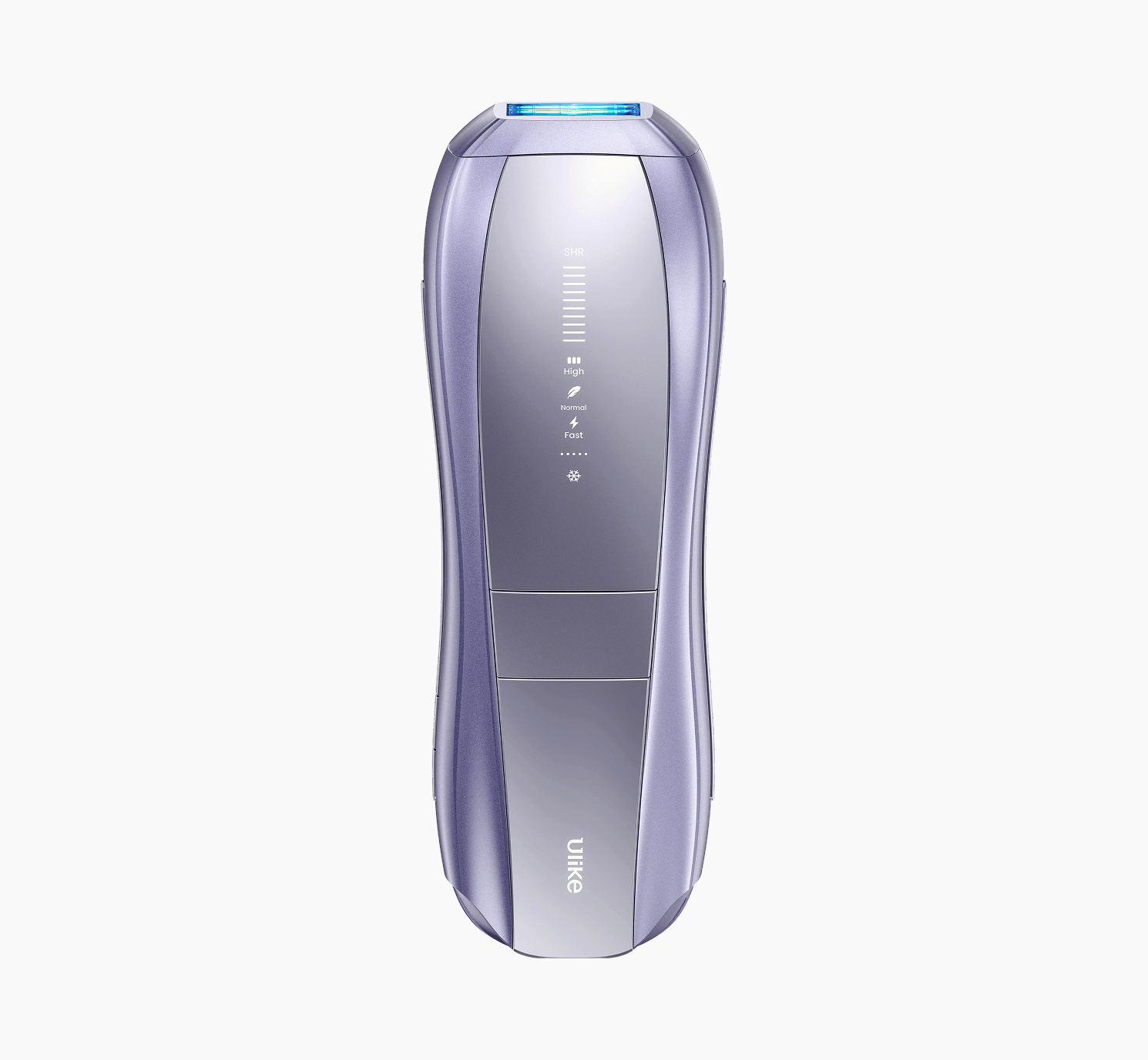
If you are considering at-home IPL, Ulike's range includes options for different budgets and hair types. The Ulike Air 3 and Ulike Air 10 are both worth looking at depending on what you are looking for.

What to Expect in the First Few Weeks
Knowing what is normal in the early stages of any of these methods helps you avoid the frustration of thinking something is not working when it is actually progressing as expected.
With dermaplaning, the results are immediate. Skin feels noticeably smoother straight away, and you may notice a slight sensitivity for a day or so afterwards. Avoiding exfoliation products and heat for 24 hours after treatment is sensible.
After waxing, the skin is usually smooth immediately, with possible redness for up to 24 hours. Avoiding saunas, sunbeds, and exfoliation for a day will help your skin settle. Ingrown hairs can occasionally appear in the days following a wax, particularly in areas with coarser hair.
IPL is the method that requires the most patience. There is no visible change immediately after the first session, and this can feel discouraging. What is happening, though, is that the light energy has begun disrupting the follicles, and the effects accumulate over repeated sessions. Most people notice that regrowth starts to slow from around three to four weeks into consistent treatment. Visible reduction in hair density typically becomes clearer after six to eight weeks. Hair that is coarser or driven by hormonal factors may take longer still.
If you want guidance on what to do after your first IPL session, Ulike's aftercare guide is a helpful starting point.
Before You Use an IPL Device
If you opt to perform IPL treatments at home, here are a few tips that will help you prepare and make your treatment process easier:
1. It’s advisable to shave the treated body part 24 hours before or even during the time you have decided to conduct the treatment.
2. Test your skin type to ensure that it’s safe for you to use the machine.
3. Always perform the patch test first to test how your skin reacts before doing a large-scale procedure.
4. Do not expose your body to the sun for two days before and after your treatment.
5. Also, do not wax or remove hair using a plucking tweezer since your hair follicle should remain intact.
Frequently Asked Questions
Does dermaplaning make facial hair grow back thicker?
No, it doesn’t. Dermaplaning takes place on the skin surface and does not influence the hair follicle. The hair that will grow after dermaplaning will grow in its original thickness and colour. There may be slight differences in the texture of the new blunt regrowth of the hair, although nothing is changing in terms of the growth process.
Can I wax between IPL sessions?
This should definitely be avoided. The IPL machine requires the hair follicle to be intact before it targets it. Shaving on the other hand takes care of the hair completely from its root, meaning that there will not be anything left for the machine to act upon. In the time in between IPL procedures, shaving is recommended.
How long does it take to see results from at-home IPL?
It becomes clear for most individuals that regrowth will start slowing down from about three to four weeks from the time of the start of treatment. The effects of visible hair density decrease can be clearly observed from six to eight weeks of treatment. Time duration depends on several factors, including your hair colour and texture.
Is IPL suitable for darker skin tones?
The use of standard IPL proves to be most successful and safe when used on light to medium skin tones and dark hair. This is due to the fact that the procedure depends on melanin, and dark skin tones tend to absorb more light energy. Most of the new devices come equipped with an automatic skin sensor that regulates the amount of light energy, providing additional safety. To play it safe, one should always refer to the skin chart issued by the manufacturer.
Is dermaplaning the same as shaving?
Even though their technique is nearly identical, their purposes are distinct from one another. Shaving works by removing the surface hair, but that is all it does. On the other hand, dermabrasion entails the use of a tiny surgical tool by the doctor to scrape not only the fine hair but also the topmost layer of dead skin cells. It results in an entirely new effect, namely softer skin that readily absorbs topical products.
Which is the least painful of the three?
Dermaplaning is not painful for the majority of individuals. With waxing, there will be an initial sharp pain whenever a strip is stripped from your skin. The sensation is more severe if it occurs on a sensitive part of your body. Intense pulsed light is like getting a snap against your skin. Newer technology that has cooling effects has significantly reduced pain from earlier systems.
A Final Word
These methods each have their role. Waxing is dependable, affordable, and works well on just about everybody. Dermaplaning provides an easy and painless method of smoothing out your skin texture and eliminating any unwanted hair on your face. IPL is the only procedure that can take care of new hair growth instead of dealing with the existing hair, but it does have its conditions.
It all comes down to the nature of your hair and what you are looking for, along with the amount of time you wish to invest. Should you remain uncertain about which technique to choose, you should definitely not feel like you are making a mistake by basing your decision on existing knowledge.
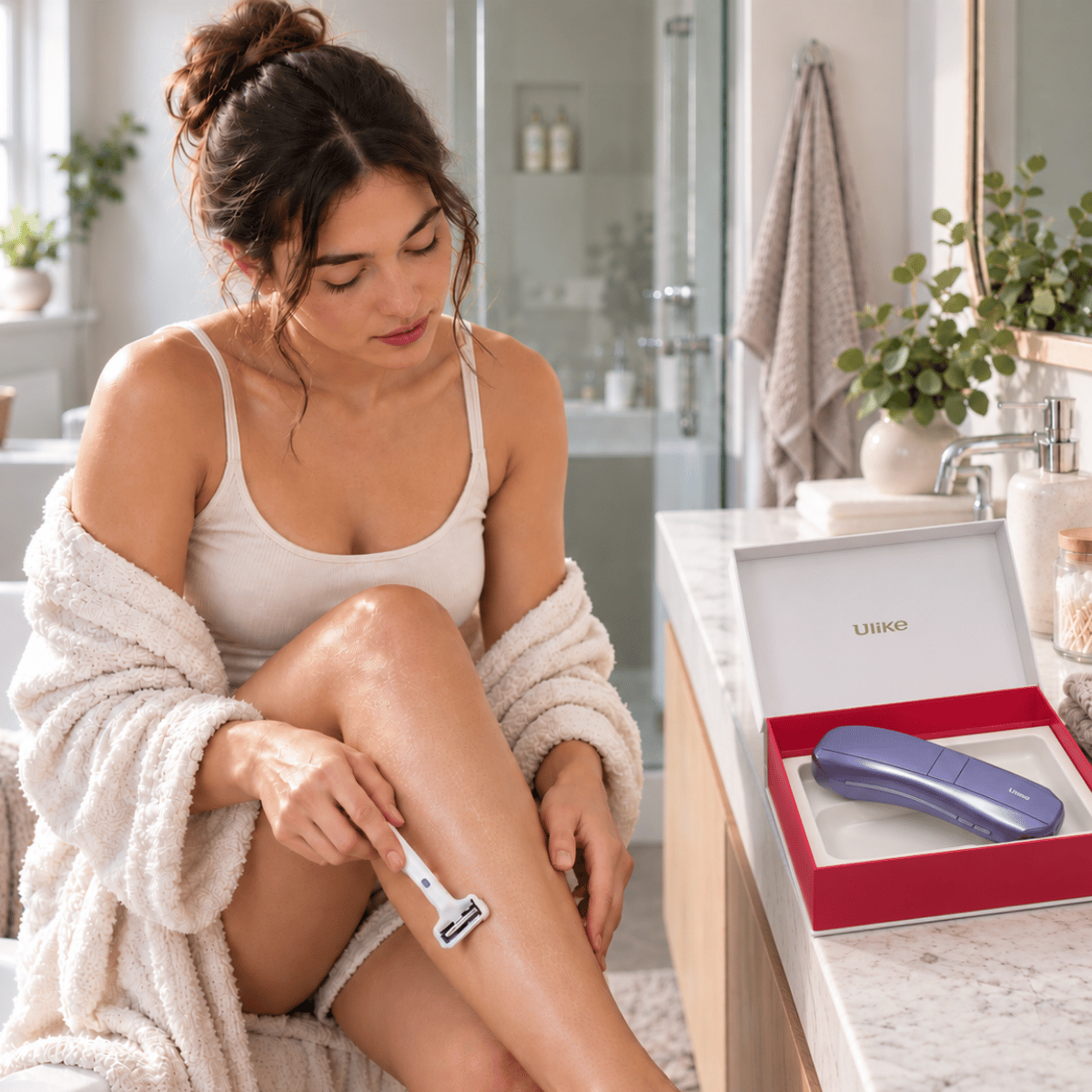
What to Do Between IPL Treatments: Shaving, Exfoliation & Hair Regrowth

What Happens If You Miss an IPL Treatment?
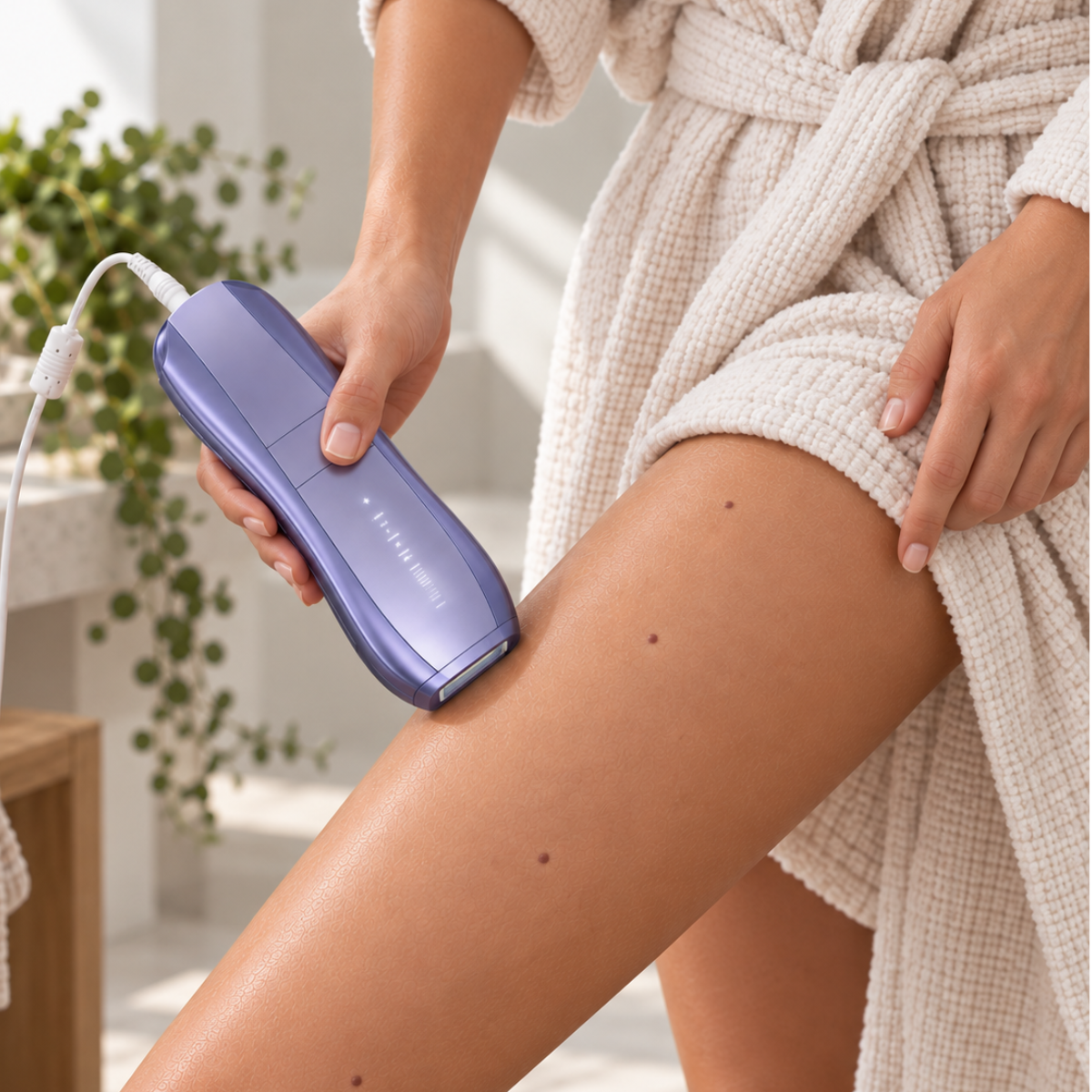
Can You Use IPL on Moles and Birthmarks?
Explore Beauty

Ulike Air 10
2 weeks to silky smooth skin.
96% Hair Density Reduction in 2 Weeks
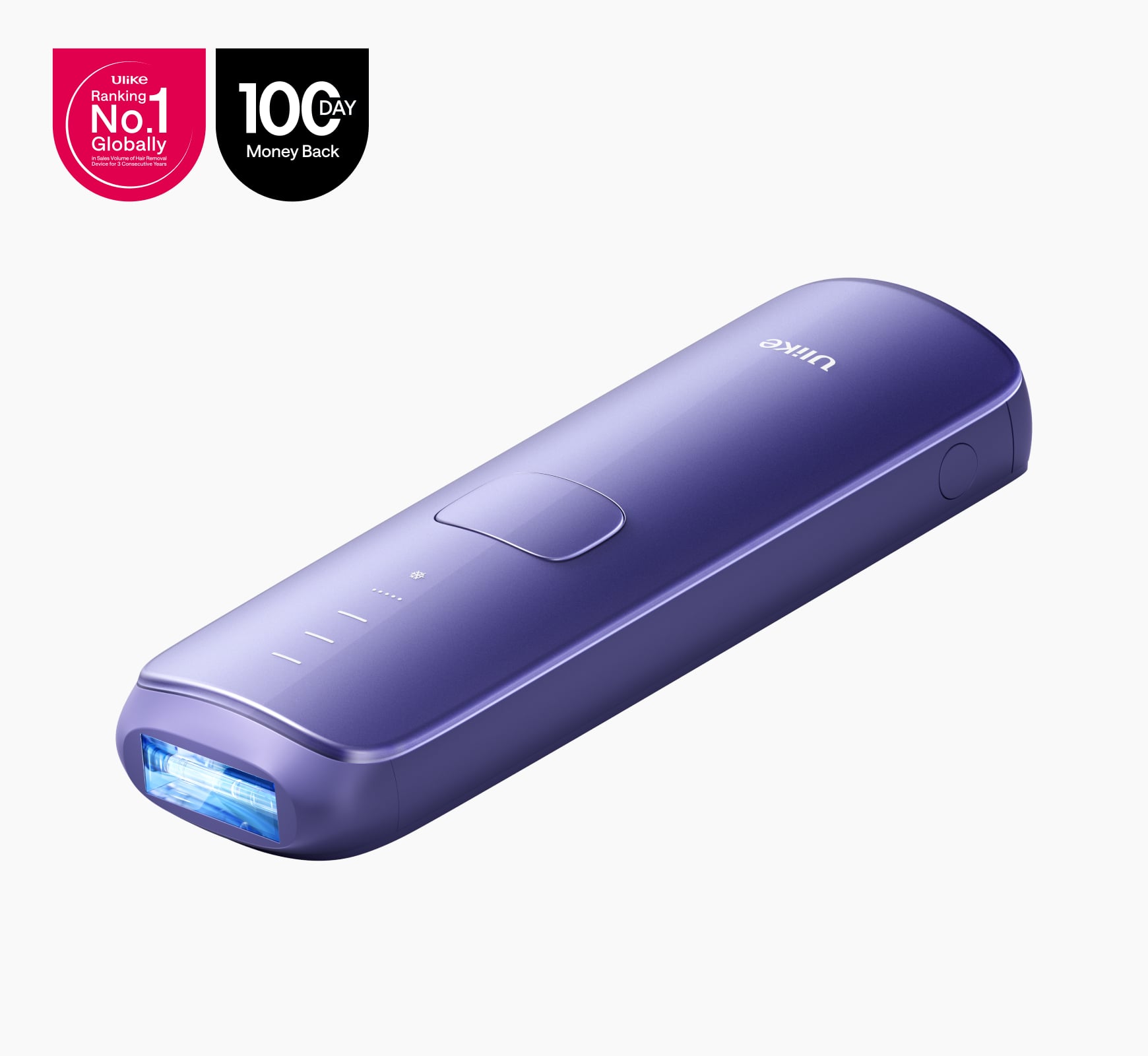
Ulike Air 3
3 weeks to silky smooth skin.
93% Hair Density Reduction in 4 Weeks
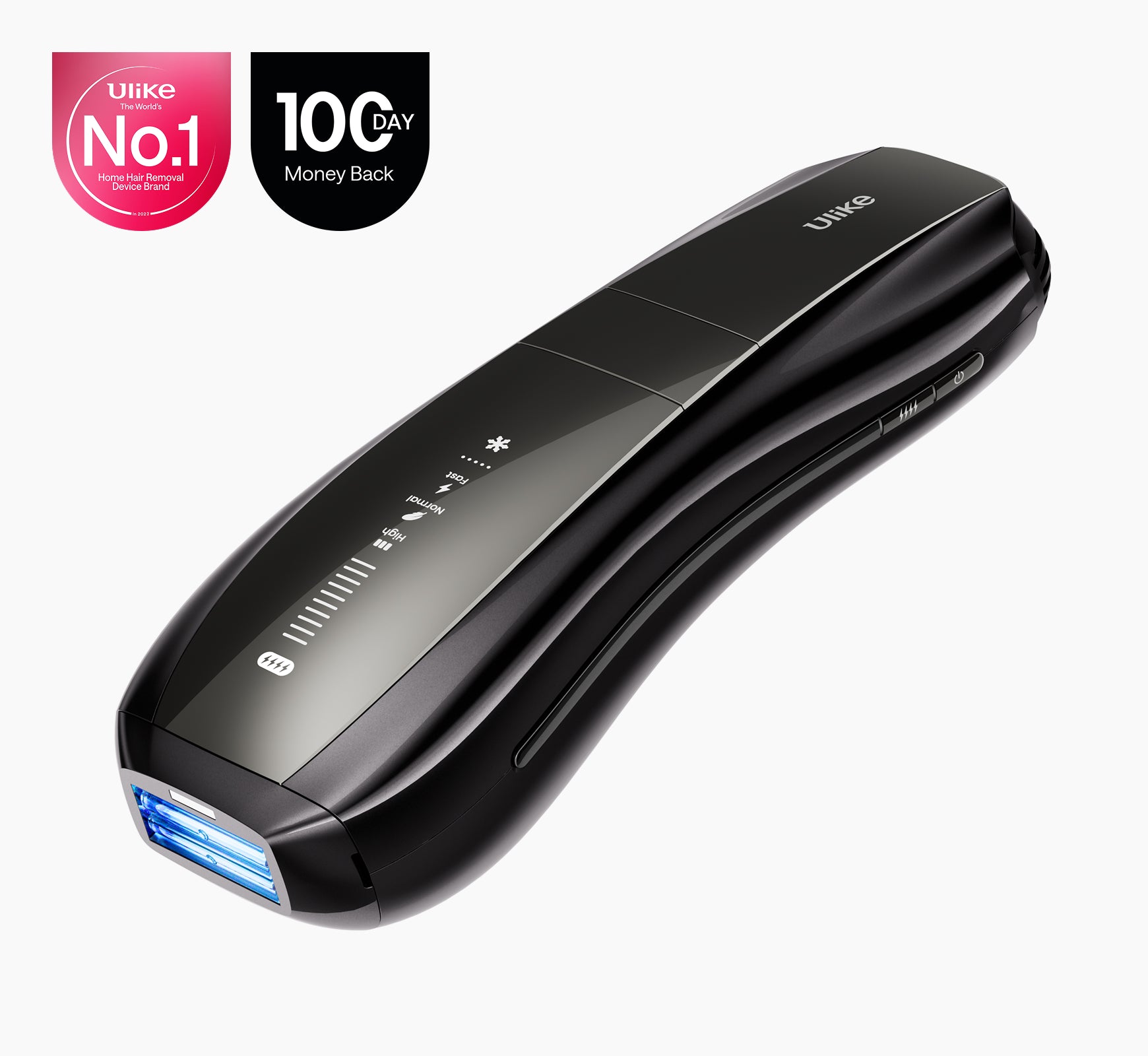
Ulike X
3 weeks to silky smooth skin.
94% hair reduction in just 2 weeks*
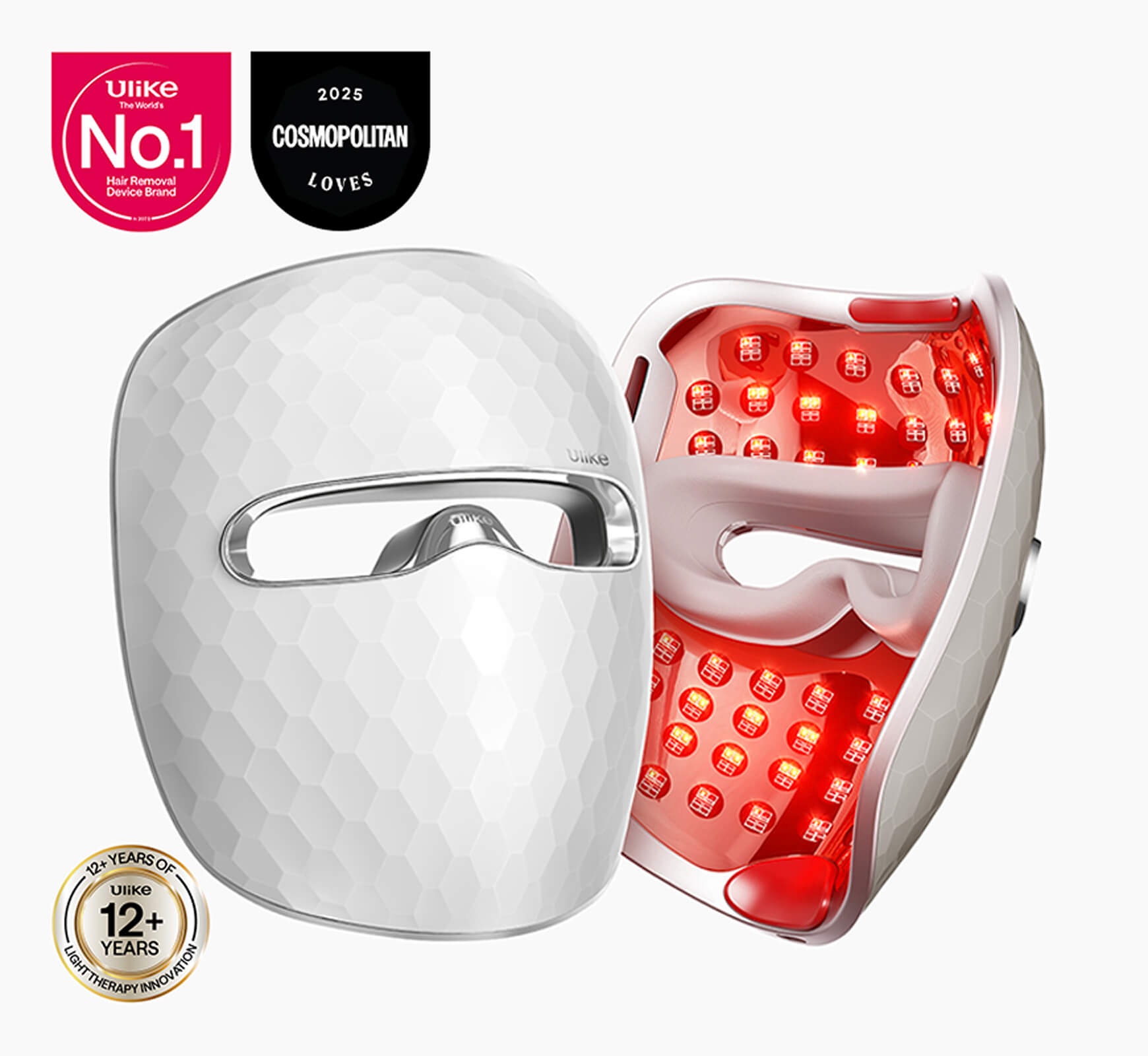
Ulike Reglow
Clearer skin in 2 weeks: Fewer breakouts
Smoother skin in 4 weeks: Fewer lines, firmer feel