



IPL Hair Removal Side Effects: 5 Common Mistakes to Avoid for Safe Results at Home

IPL hair removal can cause temporary skin reactions, particularly redness, warmth, mild swelling or a sunburn-like feeling. These effects are usually short-lived, but more significant reactions such as burns, blistering or changes in skin colour can occur.
The risk is not the same for everyone. Skin tone, recent sun exposure, device settings, preparation and how often the treatment is performed can all affect how the skin responds. This guide looks at the side effects you may notice, when a reaction needs more attention, and five common mistakes that can increase the risk of problems when using IPL at home.
What is IPL Hair Removal?
IPL (Intense Pulsed Light) uses flashes of broad-spectrum light to target melanin in the hair. The light is absorbed by the pigment and converted into heat, which damages the hair follicle and can reduce hair growth over a course of treatments.
Unlike shaving, which only cuts hair at the skin’s surface, IPL is intended to affect the follicle itself. Results are gradual, and IPL tends to work best when there is enough contrast between the hair and surrounding skin for the device to distinguish the two.
How IPL Works
During an IPL treatment, pulses of light are delivered to the skin. The pigment in the hair absorbs some of this light and converts it into heat. This heat acts on the hair follicle, disrupting its ability to produce hair as effectively.
Not every hair is affected at the same stage of its growth cycle, which is why IPL requires repeated treatments rather than producing an immediate result. With consistent use, treated hair can become finer and less noticeable.
Why People Choose At-Home IPL in the UK
For many people, the main appeal of at-home IPL is the ability to reduce hair growth without regular shaving or salon appointments. A home device can also be used as part of a routine that suits your schedule.
However, convenience does not remove the need to use IPL correctly. Skin tone, hair colour, recent tanning, medications and the device's recommended settings can all affect whether treatment is appropriate and how your skin responds.
What are IPL hair removal side effects?
IPL can cause some temporary skin reactions after treatment. Redness, warmth, mild swelling, tingling and sensitivity are among the more common ones. These usually settle within a day or two.
Less common reactions include burns, blistering and changes in skin colour. These can happen when the device is used at an unsuitable intensity, the same area is treated too often, or IPL is used on recently tanned or otherwise unsuitable skin.
A mild reaction should improve as the skin settles. If you develop severe pain, blistering, persistent redness or noticeable changes in skin colour, stop treatment and seek medical advice.

Mild side effects — what's normal
Most IPL side effects are mild and short-lived. Redness, warmth, slight swelling or tingling can appear soon after treatment and usually settle within a day or two.
Common reactions include:
- Redness: The skin may look flushed or slightly sunburnt. This usually settles within 24–48 hours.
- Mild swelling: Small bumps around the hair follicles can appear after treatment and normally disappear within 24–48 hours.
- Tingling or tenderness: The treated area may feel warm, sensitive or slightly tingly for a short time.
- Dryness or flaking: Mild dryness or peeling can occur as the skin settles.
- Temporary skin discolouration: Some areas may look darker or lighter after treatment. This is usually temporary.
- Sun sensitivity: Treated skin can be more sensitive to sunlight, so avoid unnecessary sun exposure while it settles.
For minor discomfort, a cool compress can help. A gentle, fragrance-free moisturiser can also soothe dry or sensitive skin. Hot baths and saunas are best avoided while the area is still sensitive.
Serious side effects — when to be concerned
More serious reactions are uncommon, but they can happen when IPL is used at an unsuitable setting, on recently tanned skin, or repeatedly over the same area.
- Burning and blistering: The skin may become very red and painful, with small blisters in more severe cases. Using too much intensity or treating the same area repeatedly can increase the risk.
- Hyperpigmentation or hypopigmentation: The treated skin may become darker or lighter. These changes are more likely with darker skin tones and can be affected by sun exposure after treatment.
- Crusting or scabbing: Overheating can damage the surface of the skin and lead to crusting or scabbing.
- Scarring: Rarely, a burn or blister can leave a scar, particularly when the affected skin is not allowed to heal properly.
- Infection: Damage to the skin barrier can allow an infection to develop, although this is uncommon.
Blistering, severe burns, increasing pain, pus, fever, or significant skin colour changes are not typical mild reactions. Medical advice is appropriate for these symptoms, particularly when they are getting worse or failing to settle.
What affects your level of risk
IPL does not suit every skin type, hair colour or treatment situation. Your skin tone, the device setting, medicines you take and the condition of your skin can all affect how your skin responds.
- Skin tone: IPL targets pigment, so darker skin contains more melanin for the light to interact with. This can increase the risk of burns and changes in skin colour. Check that your skin tone is suitable for your particular device and follow its recommended settings.
- Hair colour: IPL works by targeting pigment in the hair. Darker hair generally responds better, while blonde, red and grey hair may not absorb enough light for effective treatment.
- Device settings: Using a setting that is too high can cause unnecessary heat and irritation. Follow the manufacturer's instructions rather than assuming that a higher setting will produce faster results.
- Medicines: Some medicines can make the skin more sensitive to light. This includes certain antibiotics, acne treatments and other medicines with photosensitising effects. Check the instructions for your device and speak to your GP or pharmacist if you are unsure about a medicine you take.
- Existing skin conditions: Eczema, psoriasis, rosacea and active acne can make treatment less suitable or increase the chance of irritation. Follow the advice for your device and avoid treating affected or broken skin.
Who should take extra care
Some people should take more care with IPL or check the manufacturer's guidance before treatment.
- Pregnancy and breastfeeding: Many IPL device manufacturers advise against using IPL during pregnancy and breastfeeding. Hormonal changes can also affect the skin and hair, so it is sensible to wait until this period has passed or speak to a healthcare professional first.
- PCOS: IPL can help reduce unwanted hair, but hormonal hair growth may mean that results take longer and maintenance treatment is needed.
- Recently tanned skin: A tan increases the amount of melanin in the skin, which can increase the risk of burns and pigmentation changes. Follow your device's guidance on how long to wait after sun exposure or tanning before treatment.
- Certain skin conditions or medical conditions: IPL may not be suitable for areas affected by active skin conditions, infections, open wounds or conditions that make the skin sensitive to light. Some devices also advise against use for people with a history of keloid scarring or certain photosensitive conditions.
Not sure whether IPL is suitable for you? Check your device's instructions or speak to your GP before starting treatment.
5 mistakes that cause IPL side effects — and how to avoid them
Most problems with at-home IPL can be avoided by following the device instructions and giving your skin time to respond. These are five common mistakes to watch out for.
Mistake 1: Skipping the patch test
A patch test gives you a chance to see how your skin responds before treating a larger area. It is worth doing even if you have used IPL before, as your skin, medication or other circumstances may have changed.
How to do it: Treat a small area, around 2–3 cm, using the lowest intensity recommended by your device. Wait 24–48 hours and check the skin for unusual redness, itching, burning or changes in colour before continuing with a full treatment.
Skipping the patch test can mean missing an early warning that your skin is not responding well to the treatment.
Mistake 2: Shaving incorrectly
Shaving is part of preparing the skin for IPL. The hair should be short enough for the light to reach the follicle without leaving much hair above the skin's surface.
The right approach: Shave around 12–24 hours before treatment. This gives the skin some time to settle after shaving. A clean, sharp razor can help reduce nicks and irritation.
Things to avoid:
- Shaving immediately before IPL, particularly if your skin is prone to irritation
- Leaving the hair too long before treatment
- Waxing or using depilatory creams, as these remove the hair from the root
- Using an old or blunt razor, which can cause unnecessary irritation
Follow the shaving instructions supplied with your IPL device, as preparation requirements can vary between models.
Mistake 3: Skipping skin preparation and aftercare
What you use on your skin before and after IPL can affect how comfortable it feels during recovery. Keep the routine simple around treatment and avoid products or activities that may irritate the skin.
Before treatment:
- Avoid retinol, exfoliating acids such as AHAs and BHAs, and other strong active skincare for at least 48 hours beforehand.
- Cleanse the treatment area gently on the day of your session.
- Leave moisturiser, deodorant and perfume off the treatment area before using the device.
- Wait at least two weeks after using self-tanner before treating the area.
After treatment:
- Use aloe vera gel or a gentle, fragrance-free moisturiser if the skin feels dry or warm.
- Wear loose, breathable clothing where possible to limit friction.
- Avoid hot showers, saunas, sunbeds and intense exercise for 48 hours.
- Protect treated skin from unnecessary sun exposure and use SPF 30+ when it is exposed.
- Give retinoids and exfoliating acids a break for at least 48 hours after treatment.
The exact preparation and aftercare instructions can differ between IPL devices, so the manufacturer's guidance should take priority.
Mistake 4: Overusing the device
Using IPL more often than recommended will not make the hair disappear faster. Repeatedly treating the same area gives the skin less time to settle and can increase irritation.
Follow the treatment schedule provided with your device. The timing can vary between models, so avoid presenting one schedule as suitable for every IPL device.
For example, the current guidance in this article is:
- Face: every 4 weeks
- Body: every 4–6 weeks
- Sensitive areas, such as the bikini line and underarms: every 6 weeks
The manufacturer's instructions should take priority. Give the skin more time between sessions when it remains irritated or sensitive rather than treating the area again too soon.
Mistake 5: Not wearing protective eyewear
Eye protection is an important part of using IPL safely, particularly when treating areas close to the face. The bright flashes can be uncomfortable to look at, and improper use of light-based devices has been associated with eye injuries.
Closing your eyes is not a substitute for the protection recommended for your device.
For safer treatment:
- Use the protective eyewear supplied with your IPL device when the instructions call for it.
- Make sure the eyewear fits properly and is not damaged.
- Take extra care when treating areas close to the eyes and follow the device's instructions for facial use.
- Never direct IPL flashes towards the eyes.
For facial treatments, check the manufacturer's guidance carefully before using IPL near the eye area.

Comparing IPL to other hair removal methods
| Method | Pain level | Common side effects | Long-term risks | UK cost |
|---|---|---|---|---|
| IPL (at home) | Mild (2–4/10) | Redness, sensitivity | Rare pigmentation changes | £200–£450 (device) |
| Waxing | High (7–9/10) | Redness, bumps, bruising | Ingrown hairs, skin damage | £25–£60 per session |
| Shaving | Low (1–2/10) | Razor burn, nicks | Ingrown hairs, irritation | £20–£50 per year |
| Professional laser | Moderate (4–6/10) | Redness, swelling | Pigmentation changes | £100–£300 per session |
| Epilating | High (6–8/10) | Redness, ingrowns | Skin damage, scarring | £50–£150 (device) |
What to expect week by week
| Timeframe | What’s normal | See a GP if |
|---|---|---|
| 0–2 hours | Redness, warmth, slight swelling | Severe pain, immediate blistering |
| Day 1–2 | Mild sensitivity, small bumps | Spreading redness, pus |
| Day 3–7 | Light flaking, reduced sensitivity | Darkening or lightening patches |
| Week 2+ | Hair shedding, smoother skin | Persistent discolouration |
How to reduce the risk of IPL side effects at home
IPL is straightforward to use at home, but a few simple checks can help reduce the chance of irritation or a stronger skin reaction. Before each session, take a moment to check your skin and make sure you are following the instructions for your particular device.
Before treatment:
- Check that IPL is suitable for your skin tone and hair colour.
- Carry out a patch test, especially when using a new device or if your skin, medication or health circumstances have changed.
- Shave the area rather than waxing or epilating, so the hair follicle remains in place for the IPL to target.
- Treat clean, dry skin and remove products such as deodorant, perfume or other skincare from the treatment area.
- Avoid treating recently tanned or sunburnt skin.
- Use the intensity recommended for your device and skin, rather than assuming a higher setting will give faster results.
- Use the eye protection supplied with your device and follow its guidance for facial treatments.
After treatment, give your skin time to settle. Avoid unnecessary heat and sun exposure, and follow the aftercare instructions supplied with your device. If your skin remains very painful, develops significant blistering, or shows a marked colour change, stop treatment and seek medical advice.
Frequently asked questions
How long do IPL side effects last?
Most mild reactions settle within 24 to 48 hours. Redness, warmth, slight swelling and tenderness should gradually improve as the skin settles. Dryness or light flaking can last a little longer.
If a reaction is getting worse rather than better, or you develop blistering, significant pain or persistent changes in skin colour, stop using IPL and seek medical advice.
Is redness after IPL normal?
Yes. Mild redness and warmth can be a normal response after IPL, particularly around the hair follicles. It should gradually settle within a few hours to a day.
Redness that becomes more painful, spreads, lasts for several days, or is accompanied by blistering should not be treated as a normal reaction. Stop treatment and seek medical advice.
Can IPL cause permanent skin damage?
It can, although serious and lasting complications are uncommon when IPL is used correctly. Burns, blistering and changes in pigmentation are more likely when the wrong setting is used, skin has been recently exposed to the sun, or the device is unsuitable for the user's skin tone.
Following the manufacturer's instructions, carrying out a patch test and avoiding treatment on recently tanned or damaged skin can help reduce the risk.
Is IPL safe for darker skin tones?
This depends on the specific IPL device and its recommended skin-tone range. Darker skin contains more melanin, which can absorb some of the light intended for the hair follicle. This can increase the risk of burns or temporary pigmentation changes.
If you have a darker skin tone, check the device's suitability guidance carefully rather than simply choosing the lowest setting yourself. A patch test is particularly important, and you should not use a device on skin tones that the manufacturer says are unsuitable.
Can I use IPL if I'm pregnant or breastfeeding?
Most IPL manufacturers recommend avoiding at-home IPL during pregnancy, as there is not enough evidence to establish its safety during pregnancy.
If you are breastfeeding, check the instructions for your particular device and speak to your GP or another healthcare professional if you are unsure. It is better to wait than to treat skin when you are uncertain whether IPL is appropriate.
What medications should I avoid before IPL?
Some medicines and skincare treatments can make the skin more sensitive to light. These can include certain antibiotics, isotretinoin and some other medicines, but the risks depend on the specific medication.
Don't assume that a medicine is safe or unsafe based on its name alone. Check the leaflet supplied with your IPL device and speak to your GP or pharmacist if you take medication that may cause photosensitivity. Never stop a prescribed medicine simply to use IPL.
What should I put on my skin after IPL?
Keep your routine simple immediately after treatment. A fragrance-free moisturiser or aloe vera gel can help soothe the skin if it feels warm or dry.
For at least the first couple of days, avoid products that may irritate freshly treated skin, including retinoids, exfoliating acids, perfume and fragranced body products. Protect treated areas from the sun and use SPF 30 or higher when they are exposed.
When should I see a GP after IPL?
Speak to a GP or seek medical advice if you develop significant blistering, burns, worsening pain, spreading redness, signs of infection such as pus or fever, or skin colour changes that do not settle.
If you have a severe reaction or are concerned that your eyes have been exposed to IPL, seek medical help rather than continuing treatment.
Is IPL Hair Removal Worth the Risk?
IPL is not risk-free, but serious reactions are uncommon when the device is suitable for your skin and used according to the manufacturer's instructions. Redness, warmth and mild sensitivity are much more typical after treatment and usually settle within a day or two.
The main concerns are burns, blistering and changes in skin pigmentation. These are more likely when IPL is used on recently tanned skin, at an unsuitable intensity, too frequently, or when the device is not appropriate for the skin tone being treated.
IPL also isn't a good fit for everyone. People with very light, red or grey hair may see little benefit because there is less pigment for the light to target. Some darker skin tones may also be unsuitable for particular devices, while pregnancy, photosensitising medication and certain skin conditions require extra caution.
For suitable users, there is no need to treat IPL as something inherently dangerous. Used carefully and within the limits of the device, it can be an effective way to reduce unwanted hair at home.
If you're sick of the endless routine of shaving, waxing, or plucking, IPL (Intense Pulsed Light) hair removal could be just what you need.
Related readings


How to Clean an IPL Hair Removal Device Safely

Can You Use IPL on Arms? Will It Work on Your Hair?

When Does IPL Hair Start Shedding? Signs It’s Working
Explore Beauty
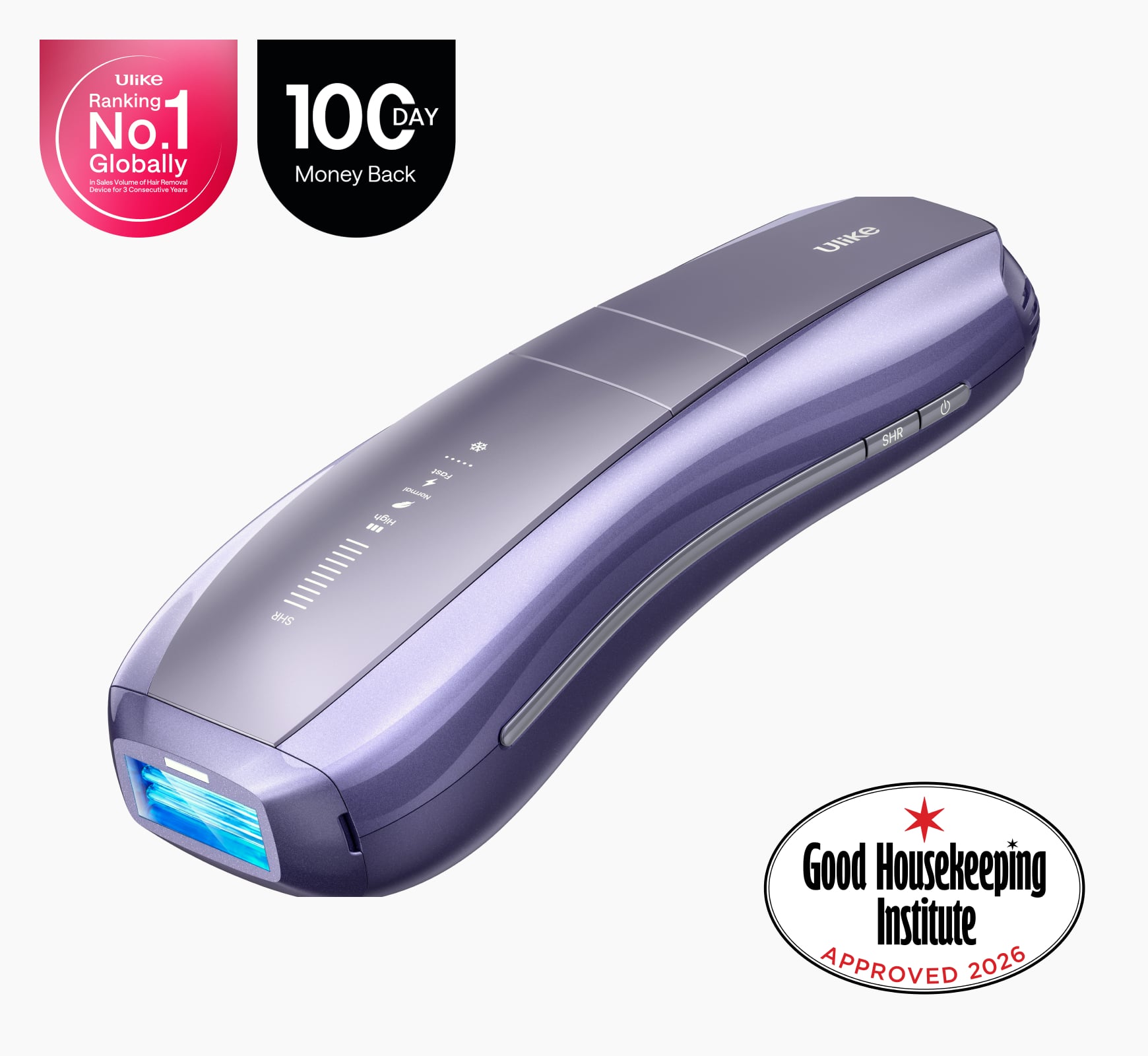
Ulike Air 10
2 weeks to silky smooth skin.
96% Hair Density Reduction in 2 Weeks
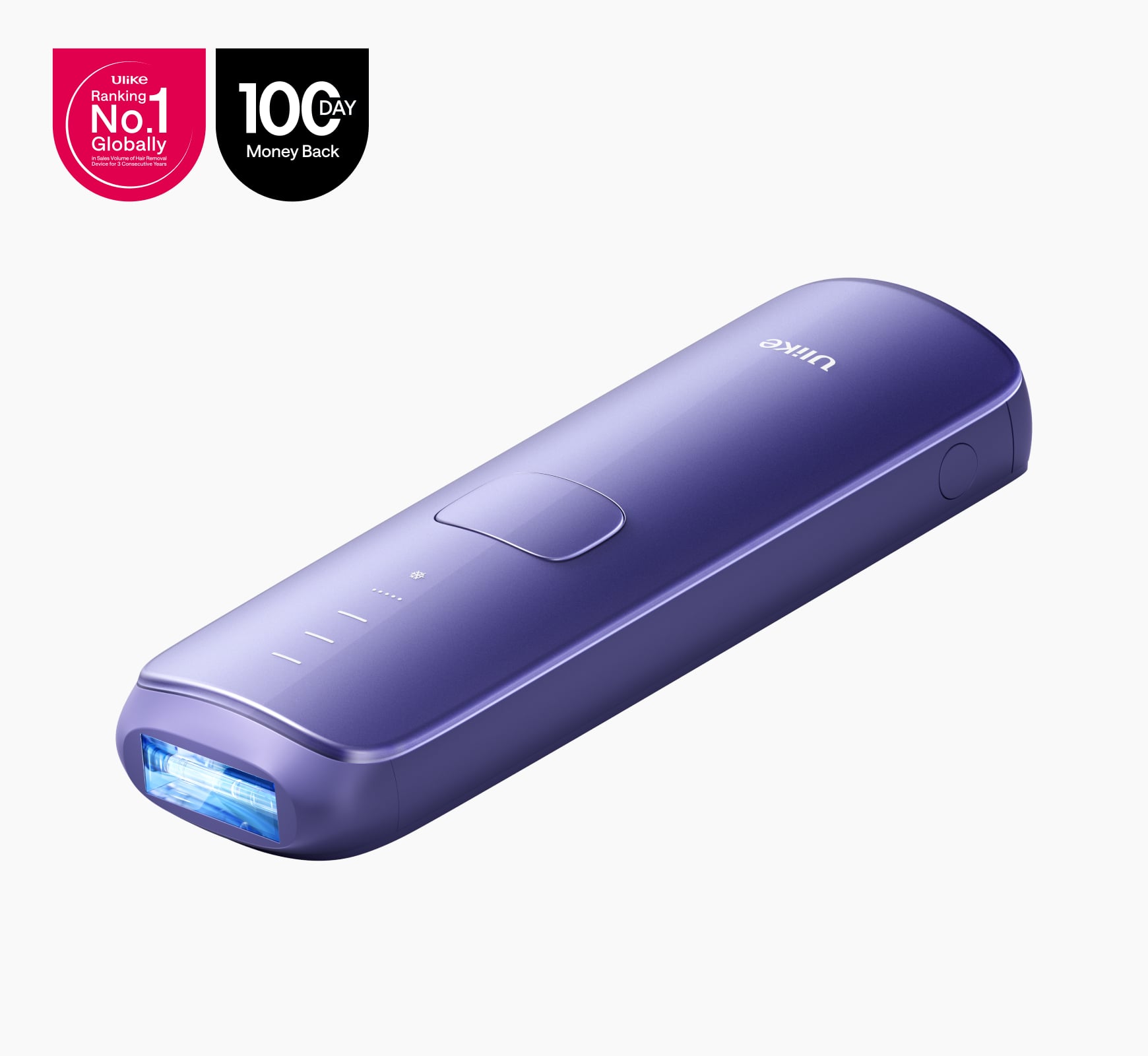
Ulike Air 3
3 weeks to silky smooth skin.
93% Hair Density Reduction in 4 Weeks
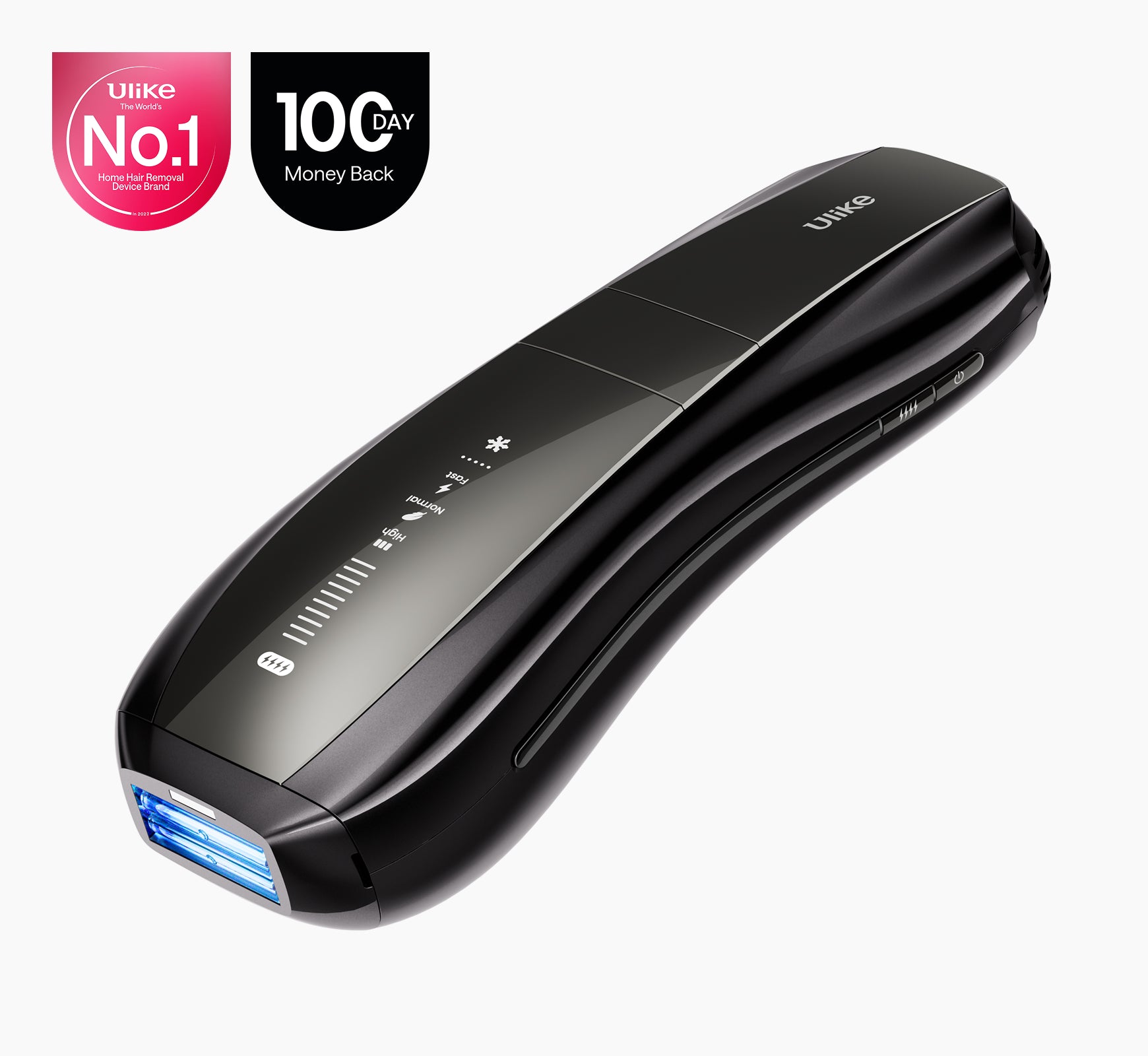
Ulike X
3 weeks to silky smooth skin.
94% hair reduction in just 2 weeks*
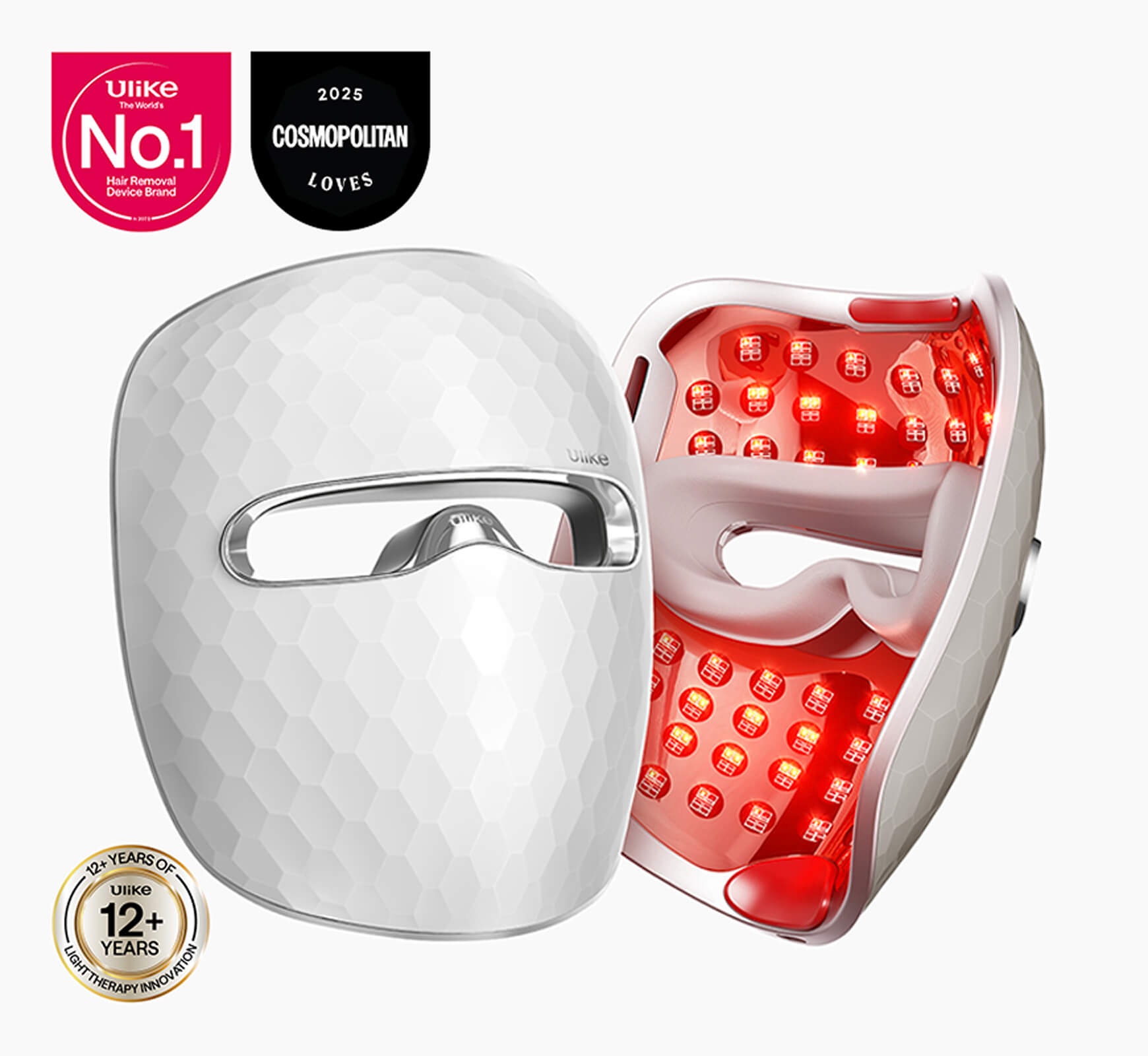
Ulike Reglow
Clearer skin in 2 weeks: Fewer breakouts
Smoother skin in 4 weeks: Fewer lines, firmer feel