



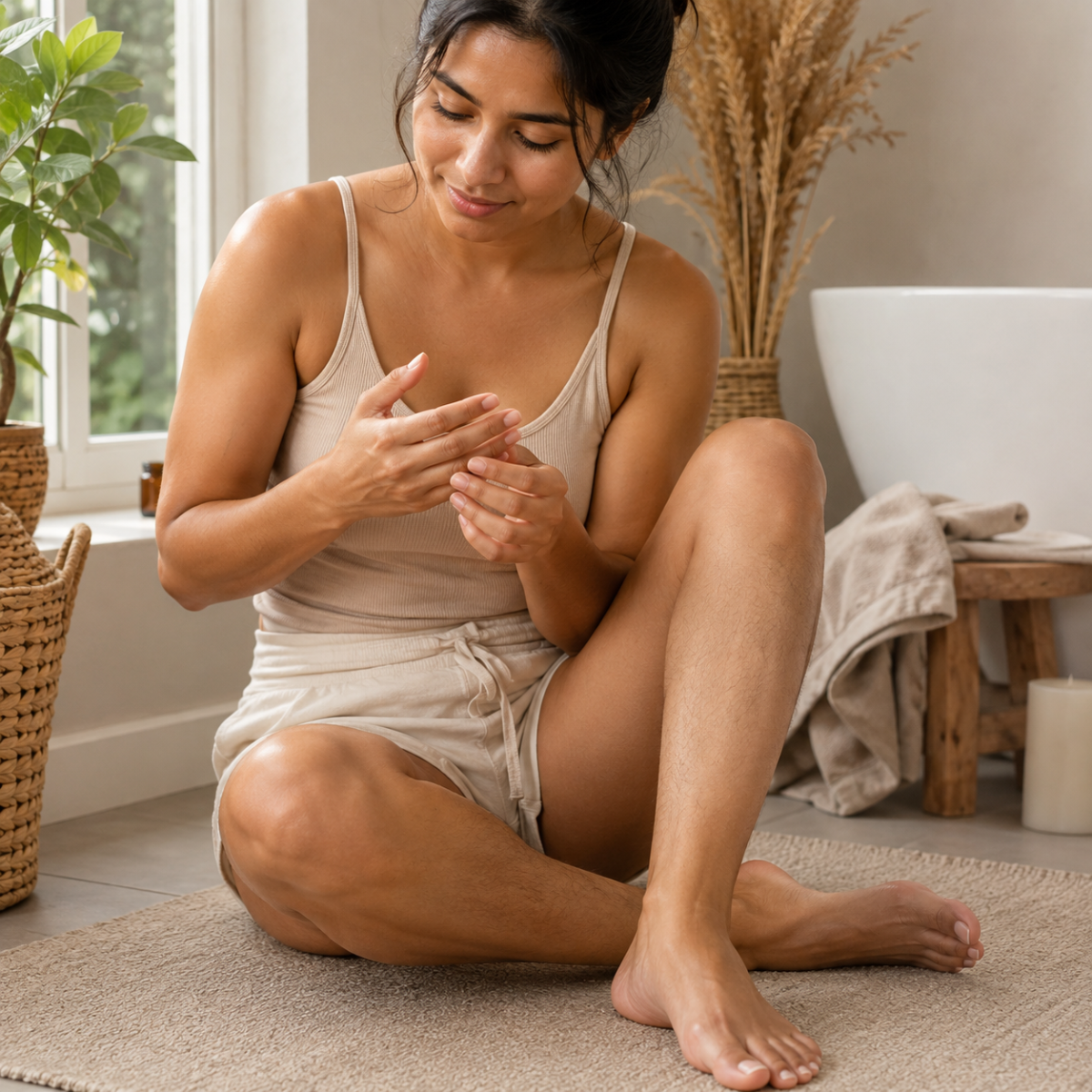
Hairy Toes: Why You Have Them & How to Remove Them

Hair on your toes, fingers, feet or hands is usually a normal variation in body hair. Some people naturally have more visible hair in these areas because of their genes, hair colour, hair thickness and how their body distributes hair. If you would prefer a smoother appearance, toe and finger hair can be trimmed, shaved, waxed, removed with a suitable depilatory product or reduced over time with an appropriate IPL device.
The right option depends on what matters most to you: convenience, how long you want the result to last, how sensitive your skin is and whether the method is suitable for the specific area. Hairy toes do not need to be removed for health reasons, and there is no single method that is best for everyone.
Why are my toes and fingers hairy?
Hair growth on the toes and fingers is generally linked to the same factors that influence body hair elsewhere. The amount, colour, thickness and distribution of hair vary widely from person to person, and these characteristics can often run in families.
Genetics and family traits
Your genes play an important role in determining where hair grows and how noticeable it is. If close family members have visible hair on their toes, fingers, feet or hands, you may simply have inherited a similar pattern. Darker or coarser hair can also be easier to see against the skin than fine, light hair, even when the amount of hair is similar.
Body-hair patterns can also change naturally throughout life. Puberty, pregnancy, ageing and menopause may affect hair growth because the body’s hormone levels and sensitivity can change. These changes do not automatically mean that anything is wrong.
Hormones and normal hair-growth differences
Hormones influence the growth cycle of hair, but ordinary toe or finger hair on its own is not usually a sign of a hormonal problem. The pattern matters more than one small area. For example, hirsutism describes thick, dark hair growth in a traditionally male pattern in women, such as on the face, chest, tummy, lower back, buttocks or thighs. It is different from having a few visible hairs on your toes or fingers.
Medication and other factors
Some medicines and medical conditions can contribute to unexpected excess hair growth, although this is not the usual explanation for ordinary toe or finger hair. The NHS advises speaking with a GP if new, thick, dark hair appears in broader areas or alongside symptoms such as irregular periods. Sudden changes accompanied by a lower voice or noticeably increased muscles warrant more urgent medical advice.
This does not mean that having hairy toes indicates a medical condition. If you are concerned because your hair growth has changed noticeably, or because it appears with other unexpected symptoms, a GP can help you decide whether it needs assessment.

Is it normal to have hairy toes or fingers?
Yes. Hairy toes and fingers can be completely normal. People naturally differ in how much body hair they have, where it grows and how visible it looks. Hair may be fine or coarse, light or dark, sparse or more concentrated around the knuckles, toes or tops of the feet.
Normal body hair is not unhygienic and does not need to be removed for health reasons. Removal is a personal grooming choice, not something you have to do to correct a problem. You may choose to leave it as it is, or remove it if you prefer the look or feel of smoother skin.
A noticeable change is more relevant than the simple presence of hair. Consider speaking with your GP if hair growth becomes suddenly or substantially different, particularly if there are other changes that concern you. A clinician can consider the overall pattern rather than drawing conclusions from toe or finger hair alone.
Why do people remove toe and finger hair?
People remove toe and finger hair for many different reasons. You may prefer the appearance of hair-free feet when wearing sandals, want your hands or feet to look groomed, or simply like the feel of smoother skin. Some people remove a few prominent hairs while leaving the rest untouched.
There is no requirement to remove body hair, and the decision does not need to be based on other people’s expectations. The most useful question is what would make you feel comfortable and confident, while keeping your skin in good condition.
How to remove hair from your toes, fingers and feet
There are several ways to remove toe and finger hair. Each has advantages and limitations, so it helps to choose according to your priorities rather than looking for one universally perfect solution.

Trimming
Trimming shortens the hair without removing it from the root. It can be useful when you want to make a few longer hairs less noticeable, or when you want a quick option with minimal contact against the skin.
Use a clean, suitable trimmer and take care around small areas such as the sides of the toes and the spaces between them. Trimming does not leave the skin completely smooth, and the result will depend on how closely the tool cuts the hair.
Shaving
Shaving cuts hair at the surface of the skin. It is accessible, quick and usually painless when done carefully, but the result is short-lived and repeated shaving may irritate the skin. Cuts, razor burn and ingrown hairs are also possible.
For a more comfortable shave, soften the hair with warm water, use a clean razor and apply a suitable shaving gel or cream. Move gently in the direction of hair growth, avoid pressing too hard and try not to make repeated passes over the same small patch. Rinse the area and moisturise afterwards if your skin tolerates it.
Shaving does not make hair grow back thicker, darker or faster. Regrowth can feel stubbly because shaving leaves a blunt tip, which may make the hair seem more noticeable for a while.
Waxing
Waxing removes hair from the root, so it can provide a longer-lasting result than shaving. It may be useful if you want to avoid frequent maintenance, but it can be uncomfortable and may leave the skin temporarily red or irritated. Wax that is too hot can burn the skin.
Toes and fingers are small, uneven areas, so take extra care with temperature, technique and the condition of your skin. Avoid waxing over irritated, broken or sunburnt skin. If you use prescription medicines that can make skin more fragile, check with a qualified professional before waxing.
Depilatory creams
Depilatory creams dissolve hair at or near the skin’s surface without using a razor. They can be convenient, but not every product is designed for toes, fingers, feet or hands. Read the label carefully and use a product only where the manufacturer says it is suitable.
Follow the application time exactly and carry out a patch test when the instructions require one. Do not apply depilatory cream to broken, irritated or inflamed skin. Wash it off immediately if you experience significant burning or discomfort, and seek advice if irritation persists.
IPL hair removal
Intense pulsed light, or IPL, uses flashes of light to target pigment in the hair and is designed to provide longer-term hair reduction when used as directed. It is not the same as shaving or waxing, and it is not an instant solution. Suitability and results depend on factors including your skin tone, hair colour, the device’s specifications and the treatment area.
IPL can be relevant when you want to reduce the need for repeated shaving or waxing, but it should not be treated as the automatic answer. Always follow the instructions for the particular device you own.
Which toe and finger hair-removal method is right for you?
The best choice depends on whether you value speed, smoothness, longer-lasting results, low cost or minimal skin contact. This comparison can help you narrow down the options.
Method |
Main advantage |
Main limitation |
Trimming |
Quick and simple for a few visible hairs |
Hair remains visible and the result is not completely smooth |
Shaving |
Easy to do at home and widely accessible |
Results are short-lived; irritation or nicks are possible |
Waxing |
Longer-lasting than shaving |
Can be uncomfortable and may irritate the skin |
Depilatory cream |
Does not require a razor |
Product and skin-area suitability varies; irritation is possible |
IPL |
Designed for longer-term hair reduction |
Suitability depends on skin, hair, device and treatment-area guidance |
If you only have a few hairs and want a quick tidy-up, trimming may be enough. Shaving may suit occasional grooming, while waxing may appeal if you prefer a longer interval between treatments. A depilatory cream is an option only when the product is specifically suitable for the area. IPL may be worth considering if you are an appropriate candidate and are comfortable following a regular device routine.
Can you use IPL on toe and finger hair?
You may be able to use IPL on some toe or finger areas, but there is no blanket answer for every device or every person. Check the instructions for your specific device before treating these smaller, curved areas.

Is IPL suitable for everyone?
No. Home IPL devices have their own skin-tone and hair-colour suitability ranges. The contrast between the skin and hair may affect whether the device can be used safely and how well it is likely to work. Some devices may not be suitable for very dark skin tones or very light, grey, red or white hair, while the exact guidance varies by product.
Do not rely on a general online statement when the device manufacturer provides a more specific suitability chart. If the device does not recommend treatment for your skin and hair combination, choose another hair-removal method.
Check your device’s instructions first
Fingers and toes can be awkward to position, and the device may have specific guidance about which parts of the hands and feet can be treated. Check whether the treatment area is included, how the device should make contact with the skin and which mode or intensity is recommended.
Do not flash over areas that the instructions exclude. Avoid moles, tattoos, dark marks and other areas identified as unsuitable in the device guide. If you are unsure, contact the manufacturer or choose a different method rather than guessing.
Patch testing and skin condition
Follow the manufacturer’s patch-testing instructions before a full treatment. A patch test can help you identify whether your skin reacts unusually to the device, but it does not replace reading the safety guidance or following the recommended treatment schedule.
Only treat clean, dry and intact skin where the device instructions permit it. Do not use IPL over skin that is irritated, broken, inflamed, sunburnt or otherwise unsuitable. Stop treatment if you experience significant pain, blistering or a reaction that does not settle, and seek appropriate medical advice.
When IPL may not be the right option
IPL may not be right for you if your skin or hair falls outside the device’s suitability range, if the area is difficult to treat safely or if your skin is currently irritated. You may also prefer shaving, trimming or another method if you want an immediate result without committing to a longer-term routine.
Choosing not to use IPL is not a failure to find the “best” method. The safest option is the one that is appropriate for your skin, the specific area and your own preferences.
How to remove toe and finger hair safely
Small areas need a little more care because it can be easy to lose sight of the tool or repeat the same pass too many times. Use clean tools, work in good lighting and avoid rushing around the sides of the toes, knuckles and between the fingers.
Follow the instructions for any razor, cream, wax or IPL device. Avoid removing hair from skin that is irritated, broken or inflamed. Do not keep repeating a treatment because the first pass did not produce the exact result you wanted. If a method causes significant or persistent irritation, stop using it and consider an alternative.
For shaving, use an appropriate product and a clean razor. For depilatory creams and IPL, patch test where required. For waxing, check the temperature carefully and avoid treating skin that may be more fragile. The manufacturer’s instructions should take priority over general advice.
What to do after removing toe or finger hair
After hair removal, cleanse the area gently and avoid unnecessary rubbing or friction. If your skin feels dry, apply a simple moisturiser that you know your skin tolerates. Avoid immediately applying strongly fragranced products to freshly treated skin, particularly if the area feels sensitive.
If you have used IPL, follow the device-specific aftercare guidance. Monitor the skin and stop using the method if significant irritation develops. Mild, short-lived sensitivity can occur with some methods, but persistent or worsening symptoms should be assessed by a healthcare professional.
FAQs about hairy toes and finger hair
Is it normal to have hairy toes?
Yes. Hairy toes are usually a normal variation in body-hair distribution. The amount and visibility of hair depend on factors such as genetics, hair colour and thickness. Toe hair does not need to be removed for health reasons.
Why do I have hair on my fingers?
Finger hair is often simply part of your inherited body-hair pattern. Hair may be more noticeable on the knuckles or backs of the fingers, particularly when it is dark or coarse. If the growth is sudden or appears with other unexpected changes, speak with your GP.
Should I remove my toe hair?
Only if you want to. Removing toe hair is a personal grooming choice. You can leave it alone, trim it, shave it, wax it, use a suitable depilatory product or consider IPL if your device’s instructions say it is appropriate for you and the treatment area.
How do I remove hair from my toes?
For a quick result, you can trim or carefully shave the hair. Waxing may last longer but can be uncomfortable. A depilatory cream may be suitable only if the product label includes the area. IPL is another possible option for longer-term hair reduction, but suitability must be checked against the specific device instructions.
How do I remove finger hair?
The same general options apply: trimming, shaving, waxing, a suitable depilatory cream or IPL where the device permits treatment. Because fingers are small and curved, use good lighting, clean tools and extra care around the joints and sides of the fingers.
Does shaving toe hair make it grow back thicker?
No. Shaving does not change the thickness, colour or rate of hair growth. Regrowth may feel rougher because the cut hair has a blunt tip, which can make it look or feel more noticeable temporarily.
Can you wax toe hair?
Toe hair can be waxed, but waxing may be uncomfortable and can temporarily irritate or burn skin if done incorrectly. Use a safe temperature, avoid damaged or irritated skin and follow the product instructions carefully.
Can you use IPL on toe hair?
Possibly, but it depends on the device, your skin tone, hair colour and the treatment-area instructions. Check the specific device guide and complete any required patch test before treating toe hair. Do not assume that every IPL device is suitable for every toe or finger area.
Can you use IPL on finger hair?
Some devices may allow treatment on certain finger or hand areas, while others may exclude them. Check the manufacturer’s instructions before use, particularly because fingers can be awkward to position and may not provide a flat treatment surface.
Why is my toe or finger hair suddenly changing?
A noticeable change in hair growth can have several possible explanations, including normal life-stage changes, medication or hormonal factors. Ordinary toe or finger hair is not automatically a sign of a medical condition, but sudden or substantial changes—especially alongside other unexpected symptoms—are worth discussing with your GP.
Final Thoughts on Hairy Toes
Hairy toes and fingers are common, and there is nothing inherently wrong with leaving them as they are. If you prefer to remove them, choose a method that matches your priorities and treat the skin gently. Trimming and shaving are straightforward options, waxing can last longer but may be uncomfortable, depilatory creams require careful product selection, and IPL can offer longer-term hair reduction only when the device is suitable for your skin, hair and treatment area.
The most useful approach is not to find one method that is “best” for everyone. It is to choose an option you can use safely and comfortably.
References
[1] Excessive hair growth (hirsutism ) — NHS
[2] 6 ways to remove unwanted hair — American Academy of Dermatology
[3] Shaving hair: Does shaved hair grow back thicker? — Mayo Clinic

How to Clean an IPL Hair Removal Device Safely

Can You Use IPL on Arms? Will It Work on Your Hair?

When Does IPL Hair Start Shedding? Signs It’s Working
Explore Beauty

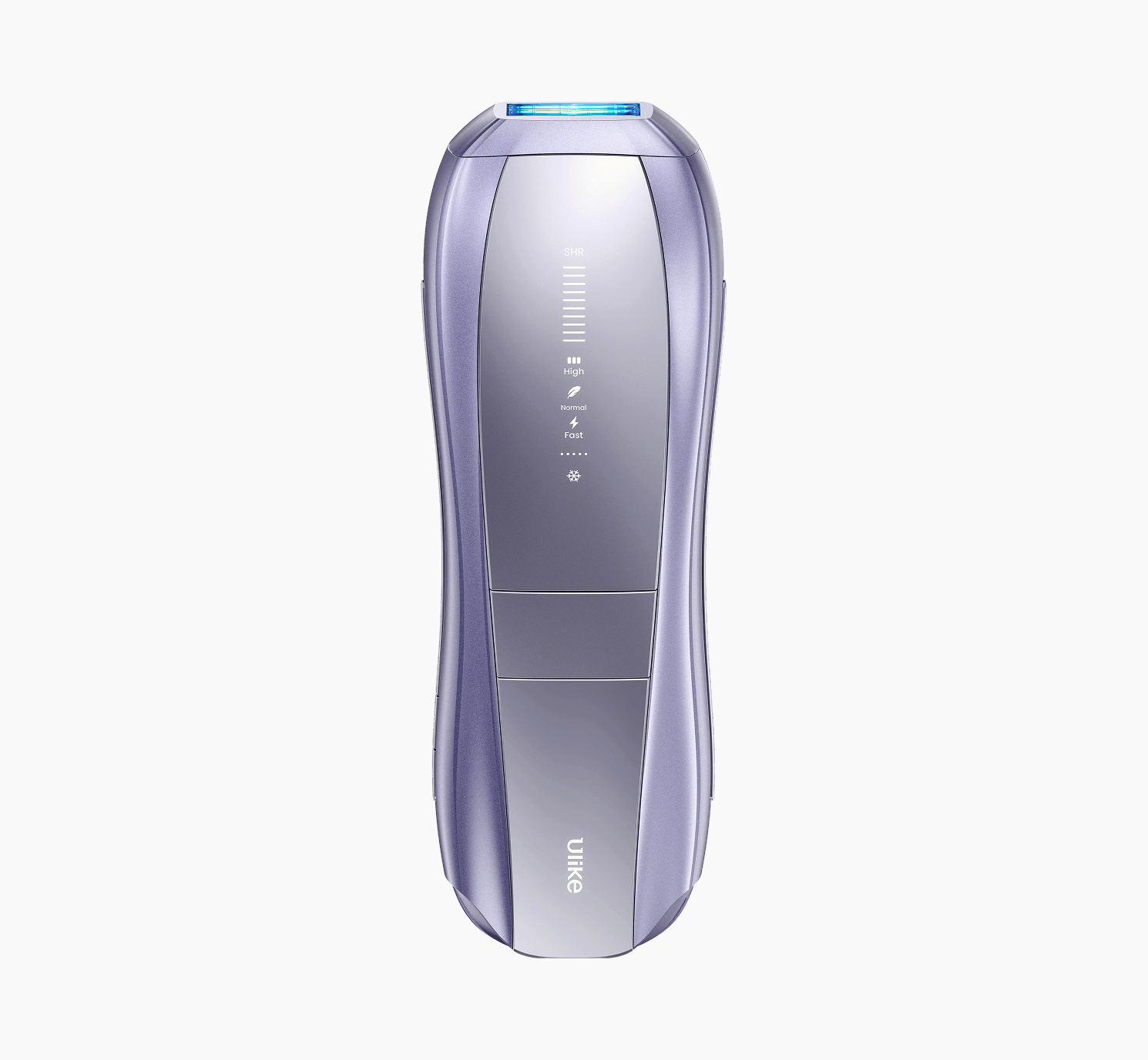
Ulike Air 10
2 weeks to silky smooth skin.
96% Hair Density Reduction in 2 Weeks

Ulike Air 3
3 weeks to silky smooth skin.
93% Hair Density Reduction in 4 Weeks
Ulike X
3 weeks to silky smooth skin.
94% hair reduction in just 2 weeks*
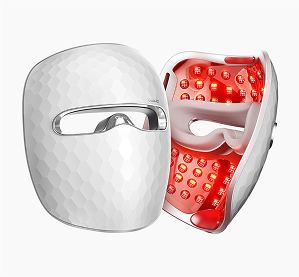
Ulike Reglow
Clearer skin in 2 weeks: Fewer breakouts
Smoother skin in 4 weeks: Fewer lines, firmer feel