



Laser Pubic Hair Removal: What It Costs, How It Feels & What to Expect

Laser treatment for pubic hair removal targets the hair follicle with light to reduce hair growth over a course of treatments. It is not a one-session treatment, and results vary depending on factors such as your hair, skin and the laser used.
Professional laser can be used on the pubic area, but the exact areas treated and treatment plan depend on the clinic and the laser system. At-home IPL is another option, but it works differently from professional laser and has its own treatment instructions.
How Laser Pubic Hair Removal Works
Laser hair removal targets pigment in the hair follicle. The light is absorbed by the hair, converted into heat and used to damage the follicle so it produces less hair over time. Because the hair needs to contain enough pigment to absorb the light, hair colour is an important part of deciding whether laser treatment is likely to work.
Pubic hair is often coarse and dark, which gives the laser a stronger target. The surrounding skin matters too. The closer the skin tone is to the pigment in the hair, the more carefully the laser settings need to be chosen to avoid heating the skin as well as the hair.
How Is Professional Laser Different From At-Home IPL?
Both treatments use light to target hair, but professional laser and at-home IPL should not be treated as interchangeable terms.
- Professional laser treatments – higher intensity, performed in clinics, usually faster and longer lasting.
- At-home IPL devices – lower intensity, designed for safe self-use, more affordable but require consistent sessions to see results.
Does Skin Tone or Hair Colour Affect Pubic Laser Hair Removal?
Yes. Dark hair generally responds better because it contains more melanin for the laser to target. Blonde, grey and white hair can be difficult or impossible to treat effectively with laser because there is less pigment in the hair.
Skin tone also affects treatment. A suitable laser and appropriate settings can be used for a range of skin tones, but the practitioner needs to account for the amount of melanin in the skin as well as the hair.
If you have darker skin, ask which laser system the clinic uses and whether it is suitable for your skin tone before booking. If your hair is very light, ask whether the clinic expects the treatment to work before paying for a course.

What Are the Benefits of Laser Pubic Hair Removal?
The main benefit is reduced hair growth. After a course of treatments, many people find that the hair grows back more slowly, becomes finer or appears in smaller amounts. That means less frequent shaving or waxing, although maintenance treatments may still be needed.
Does laser hair removal reduce ingrown pubic hairs?
It can. Ingrown hairs happen when a growing hair becomes trapped or curls back into the skin. Shaving and waxing can contribute to the problem for some people. By reducing the amount of hair that grows back, laser treatment can also reduce the number of hairs available to become ingrown.
It is not a guaranteed fix for existing bumps or ingrown hairs, and treating irritated or infected skin may not be appropriate. If you regularly get painful or persistent ingrown hairs, mention this when discussing treatment with your practitioner.
Will I need to shave as often?
Usually, less often once you have completed a course of treatment. Laser does not remove the hair immediately. Treated hairs shed over time, while other follicles may produce new growth during the course of treatment because hair grows in different stages.
This is why several sessions are needed rather than one treatment. Between sessions, shaving is generally the preferred way to remove visible hair because it leaves the follicle in place for the next treatment.
Is laser better than shaving or waxing?
That depends on what you want from hair removal. Shaving is inexpensive and immediate, while waxing removes hair for longer but also removes it from the root. Laser takes a course of treatments and costs more upfront, but its purpose is to reduce future hair growth rather than repeatedly remove the hair that has already grown.
For someone who wants less pubic hair over the longer term, that difference is the main reason to consider laser.
Emma, 32, from Manchester, explained: “I used to pack razors every time I went away, just in case. Since starting at-home IPL sessions, I hardly think about pubic hair anymore. Before my trip to Ibiza last summer, I realised I had not shaved for weeks and still felt smooth. For me, that freedom is worth everything.”

Can You Have Laser Hair Removal on Your Pubic Area?
Yes. Professional laser hair removal can be used to reduce hair on parts of the pubic and bikini area. Exactly which areas a clinic will treat depends on its treatment protocol and the laser being used.
“Bikini”, “Brazilian” and “Hollywood” do not always describe the same area. A basic bikini treatment may cover hair outside the underwear line, while a more extensive treatment can include more of the pubic area. Ask the clinic to confirm exactly which skin is included before booking.
Can You Have Laser Hair Removal on the Vulva or Labia?
Some clinics treat external vulval skin, but this is not something to assume from the name of a treatment. The vagina itself is internal and is not the area being treated for hair removal.
If you want hair removed from the labia or other external genital skin, ask the clinic specifically whether it treats that area and which laser it uses. Do not use an at-home IPL device on an area that its instructions exclude.
Is Laser Hair Removal Safe for the Pubic Area?
Laser hair removal is generally considered safe when the appropriate laser and settings are used, but the treated skin can still react. The pubic area is no different in that respect. You can experience temporary redness or swelling, while burns, changes in skin colour and scarring are less common but possible.
What are the common side effects?
Redness, warmth and mild swelling around the hair follicles are common after treatment. The skin can feel sensitive for a while afterwards, particularly in areas where the hair is coarse or the skin is more sensitive.
These reactions usually settle on their own. Your practitioner can tell you what to expect from the particular laser being used and what to apply afterwards.
What can go wrong with pubic laser hair removal?
The more significant risks include burns, blistering and changes in skin colour. Hyperpigmentation can leave darker patches, while hypopigmentation can make areas of skin lighter. Scarring is less common but can occur, particularly when treatment is not carried out appropriately.
The risk is affected by the laser, its settings, your skin tone, recent sun exposure and the condition of your skin at the time of treatment. This is one reason a proper assessment and patch test are important before a course of treatment.
Who may need to delay treatment?
You should tell the practitioner about anything that could affect the treatment before your appointment, including:
- A recent tan or sunburn
- Cuts, irritation, eczema or an active infection in the treatment area
- A history of cold sores or genital herpes
- Medicines or skincare products that can make your skin more sensitive
- Previous reactions to laser or other light-based treatments
Some medicines or skin conditions may mean treatment needs to be postponed. Do not stop a prescribed medicine simply because you are having laser hair removal. Ask the prescriber and your practitioner what to do instead.
Pregnancy is another situation where treatment may be postponed because there is limited safety evidence for cosmetic laser hair removal during pregnancy. Clinic policies around breastfeeding can vary, so check before booking.
How can you reduce the risk?
The most useful step is to give the practitioner accurate information about your skin, hair, medicines and recent sun exposure. Do not leave out a recent tan or skin reaction because you are worried about losing your appointment.
Before treatment, check:
- Is the laser suitable for your skin tone and hair?
- Has the clinic explained which areas it will treat?
- Has it carried out the required patch test?
- Have you told the practitioner about relevant medicines and skin conditions?
- Is the treatment area free from sunburn, broken skin or active infection?
For aftercare, follow the instructions given by your clinic rather than applying products or avoiding activities based on a generic timetable. Different lasers and treatment areas can have different aftercare requirements.

How Much Does Pubic Laser Hair Removal Cost in the UK?
There is no single UK price for pubic laser hair removal. Current published clinic prices range from around £30 to £150 per session, depending on whether you are treating the bikini line, Brazilian or Hollywood area, where the clinic is based and whether you buy a treatment course.
Here are examples from current UK price lists:
Treatment |
Published prices |
|---|---|
Bikini line |
£30 per session at KClinics on a 6-session course; £100 at Skin & Laser; £115 at Melior Clinics |
Brazilian |
£39 per session at KClinics on a 6-session course; £120 at Skin & Laser; £135 at Melior Clinics |
Hollywood |
£39 per session at KClinics on a 6-session course; £150 at Skin & Laser; £150 at Melior Clinics |
Prices checked in September 2026. These are examples of published prices, not a fixed UK average.
Why do laser hair removal prices vary so much?
The size of the treatment area is one of the biggest differences. A standard bikini treatment covers less skin than a Brazilian or Hollywood treatment, so it usually costs less.
The pricing structure matters too. Some clinics charge a straightforward single-session price, while others reduce the per-session cost when you buy a course. For example, KClinics lists a six-session bikini course at £180 (£30 per session), Brazilian at £234 (£39 per session) and Hollywood at £234 (£39 per session).
Other clinics charge considerably more. Skin & Laser currently lists single sessions at £100 for bikini, £120 for Brazilian and £150 for Hollywood, while Melior Clinics lists £115 for bikini line, £135 for Brazilian and £150 for Hollywood.
How much could a full course cost?
A six-session course could therefore cost roughly £180 to £900 for an intimate area, depending on the clinic, treatment area and package price. That is a deliberately broad range because current published prices vary substantially.
For example, London Aesthetica currently lists six-session packages at £400 for standard bikini, £600 for Brazilian and £750 for Hollywood.
Before comparing prices, check how many sessions are included, exactly which areas are covered and whether a consultation or patch test costs extra. A lower price per session is not necessarily cheaper if the package covers a smaller treatment area or has different terms.
Is laser hair removal more expensive than waxing?
Laser costs more upfront, but waxing needs to be repeated as the hair grows back. The two treatments are therefore difficult to compare on a single-session basis.
If cost is important, compare the price of the complete laser course with what you currently spend on waxing over the same period. Also remember that laser is intended to reduce future hair growth, rather than simply remove the hair that is already visible.
Can You Use At-Home IPL for Pubic Hair Removal?
Yes, some at-home IPL devices can be used on parts of the pubic or bikini area, but you need to follow the treatment areas specified for your particular device. At-home IPL is not the same as professional laser hair removal, and you should not assume that an area a clinic treats is automatically suitable for an IPL device.
How Does At-Home IPL Work?
IPL uses broad-spectrum light to heat pigment in the hair and reduce the follicle's ability to produce hair. Because the energy is lower than that used by many professional laser systems, treatment is carried out repeatedly rather than as a small number of clinic sessions.
The treatment schedule depends on the device. Follow its instructions rather than using the number of sessions recommended for professional laser.
Which Parts of the Pubic Area Can You Treat With IPL?
This varies by device. Some devices are designed for the bikini line and external pubic area, while others exclude parts of the genital area.
Before treating the area, check the device instructions for:
- Which parts of the bikini or pubic area are permitted
- Which areas must be avoided
- Whether the device is suitable for your skin tone and hair colour
- How the skin should be prepared
- How often treatment should be carried out
Never use IPL on an area that the manufacturer says to avoid. In particular, do not assume that the external labia or other genital skin is suitable simply because the device can be used on the bikini line.
Professional Laser or At-Home IPL?
Professional laser |
At-home IPL |
|
|---|---|---|
Where? |
Clinic |
At home |
Who operates it? |
Trained practitioner |
You |
Light source |
Laser |
Broad-spectrum IPL |
Treatment plan |
Set by the clinic |
Follow the device schedule |
Treatment area |
Depends on the clinic and laser |
Depends on the device |
Main consideration |
Appropriate laser and settings for your skin and hair |
Following the device's permitted areas and instructions |
If privacy, convenience or avoiding clinic appointments matters to you, at-home IPL may be worth considering. If you want professional treatment, the clinic should first assess whether its laser is appropriate for your skin and hair.
What Happens During a Pubic Hair Laser Session?
A pubic laser hair removal appointment usually involves a consultation or skin check, preparation of the treatment area, the laser treatment itself and brief aftercare advice. The exact process varies between clinics and laser systems, but the treatment itself is usually relatively quick.
Before Your Session
Your practitioner should check the treatment area and confirm that your skin is suitable to treat. Tell them about recent sun exposure, tanning, skin irritation, medicines or previous reactions to light-based treatments.
You may be asked to shave the area before your appointment. The timing depends on the clinic, so follow the instructions you were given rather than assuming you need to shave the night before.
If you have forgotten to shave, have irritated your skin while shaving or have recently waxed or plucked, tell the clinic before treatment rather than trying to fix it with another close shave.
For more detail on preparing your skin, see our laser hair removal preparation guide.
What happens during the session?
You will be positioned so the practitioner can access the agreed treatment area, and you may be given protective eyewear. The practitioner then passes the laser over the skin, delivering pulses of light to the hair follicles.
You may feel brief heat, snapping or stinging with each pulse. How noticeable it is depends on the treatment area, your hair and skin, the laser being used and its settings.
The practitioner may use cooling during treatment, depending on the laser system. If the sensation becomes unusually painful, tell them rather than simply trying to tolerate it.
How long does pubic laser hair removal take?
An intimate-area treatment can be relatively short, but there is no single treatment time that applies to every clinic. A small bikini area will generally take less time than a larger Brazilian or Hollywood treatment.
Ask the clinic how long your particular appointment is expected to take when you book.
What happens straight after?
Mild redness, warmth or swelling around the treated follicles can occur immediately afterwards. Your practitioner should explain what to do for the rest of the day and whether you need to avoid particular products, heat, exercise or sun exposure.
Follow the clinic's aftercare instructions, particularly if they differ from general advice online.
If you develop significant pain, blistering, marked swelling or other unexpected skin changes, contact the clinic for advice.
Does Laser Pubic Hair Removal Hurt?
Yes, you can feel laser hair removal, but the sensation is usually brief. People commonly describe each pulse as a quick snap, sting or hot sensation. The feeling can be more noticeable on sensitive areas and where the hair is coarse.
The bikini line, pubic area and external genital skin can feel different from one another. There is no single level of pain for the whole area, and your experience can change from one session to the next depending on your hair growth, skin condition and the laser settings being used.
What does pubic laser hair removal feel like?
The laser delivers a series of pulses rather than a continuous sensation. You may feel warmth followed by a brief sting as each pulse is delivered.
If the treatment feels sharply painful rather than simply uncomfortable, tell the practitioner. They can check the skin and settings before continuing.
Can you use numbing cream before pubic laser hair removal?
Only use a numbing cream if your clinic has specifically approved it. Some products can affect the skin or interfere with treatment, and your practitioner may have particular instructions about what you can apply before an appointment.
Do not apply a cream immediately before treatment unless the clinic has told you to do so.
Is at-home IPL less painful than professional laser?
It can feel different, but you should not assume that every IPL device will be more comfortable than every laser. At-home IPL devices generally use lower energy than professional laser systems, and many people describe the sensation as warmth, tingling or a mild snap.
The device, treatment setting, skin tone, hair and treatment area all affect how it feels. Follow the instructions for your particular device rather than increasing the setting to try to speed up results.

How Many Sessions Do You Need for Pubic Laser Hair Removal?
Most people need several laser treatments rather than one. A course often involves around 6 to 8 sessions, but there is no fixed number that will work for everyone. Your hair colour and thickness, skin tone, treatment area and the laser being used can all affect the number of sessions needed.
Why do you need more than one treatment?
Laser only works effectively on hairs that are in a particular stage of their growth cycle. Not every hair in the pubic area is growing at the same time, so one treatment cannot target every follicle equally.
With each session, more of the follicles can be treated while they are in the appropriate growth stage. This is why clinics space appointments apart rather than treating the area repeatedly within a few days.
How far apart are pubic laser treatments?
The interval is set by the clinic according to the treatment area, your hair growth and the laser system being used. Many clinics schedule treatments several weeks apart, but there is no single timetable that applies to everyone.
If the clinic recommends a particular interval, follow that schedule rather than booking extra sessions because the hair has started to grow back.
When should you start seeing a reduction?
You may notice less hair or slower regrowth after the first few treatments, but the change is gradual. Some follicles will respond more readily than others, so you may still see hair between appointments.
The useful measure is the change over the course of treatment rather than how much hair is present immediately after one session.
Will you need maintenance treatments?
Possibly. Laser hair removal is intended to produce long-term hair reduction, not guarantee that every treated follicle will stop producing hair permanently. Some people have occasional regrowth and choose maintenance treatments, while others need them less often.
Your clinic can assess the remaining growth after your initial course and advise whether further treatment is worthwhile.
Does Pubic Hair Grow Back After Laser Hair Removal?
Yes. Some hair can grow back after laser hair removal, but the aim of treatment is to achieve a long-term reduction in hair growth rather than guarantee permanent removal of every hair. Any regrowth may be finer, lighter or less noticeable than it was before treatment, although this varies between people.
Why can hair grow back after laser?
Laser does not affect every follicle in exactly the same way. Hair grows in cycles, and a follicle that was not in the right stage when it was treated may respond during a later session.
Hormonal changes can also affect hair growth. New growth does not necessarily mean that the treatment has stopped working. Your practitioner can assess the area if you are seeing more regrowth than expected during or after your course.
Will you need maintenance treatments?
Some people need occasional maintenance treatments after their initial course, while others may have very little regrowth. There is no standard annual treatment that everyone needs.
How often you need further treatment depends on how much hair returns and how you respond to the initial course. Your clinic can advise whether another session is worthwhile.
Is laser pubic hair removal permanent?
It is more accurate to describe laser hair removal as long-term hair reduction rather than permanent hair removal. A course can significantly reduce hair growth, but it does not guarantee that treated follicles will never produce hair again.
FAQs About Pubic Laser Hair Removal
Can men get pubic laser hair removal?
Yes, laser treatment for pubic hair is considered one of the best long-term options compared to shaving or waxing. It reduces hair growth, prevents ingrown hairs, and leaves skin smoother for months or years.
Many people in the UK choose it for comfort, convenience, and confidence, especially compared to short-term methods like shaving.
Can you shave between laser hair removal treatments?
Yes. Shaving is generally the preferred way to remove visible hair between laser sessions. It cuts the hair at the skin rather than removing the follicle, leaving the target in place for a later treatment.
Avoid waxing, tweezing or epilating during your course unless your practitioner tells you otherwise.
Does laser hair removal work on dark pubic hair?
Dark pubic hair can respond well to laser because it contains melanin, which absorbs the laser's energy. Your skin tone also matters because the laser needs to distinguish between pigment in the hair and pigment in the skin.
A clinic should choose a suitable laser and settings for your skin and hair rather than relying on hair colour alone.
Can you have pubic laser hair removal on darker skin?
Yes, some laser systems are suitable for darker skin tones, but the choice of laser and settings matters. Tell the clinic your skin tone and mention any recent tanning or previous reactions to light-based treatment.
If you have darker skin, ask the clinic which laser system it uses and whether it is appropriate for you before booking a course.
Can you use at-home IPL for pubic hair removal?
Some at-home IPL devices can be used on parts of the pubic or bikini area, but the permitted treatment area varies between devices. Check the instructions for your particular device before treating the area.
Professional laser and at-home IPL are different treatments, so do not transfer a clinic's treatment boundaries or schedule to a home device.
Final Thoughts on Laser Treatment for Pubic Hair Removal
Laser pubic hair removal can be a useful option if you want to reduce how often you need to remove pubic hair. It takes several treatments, costs more upfront than shaving or waxing, and does not guarantee permanent removal, but the aim is to reduce future hair growth over time.
Before booking, check which areas the clinic treats, which laser it uses, whether it is suitable for your skin and hair, how many sessions it expects you to need and the total cost of the course.
If you are considering at-home IPL instead, check the permitted treatment areas and treatment schedule for the specific device. Professional laser and at-home IPL are different treatments, so the advice for one should not automatically be applied to the other
Related Readings



Can You Use IPL on Freckles? | Safety & Hair Removal
Can You Use IPL on Your Face Every Day? How Often Should You Use It?
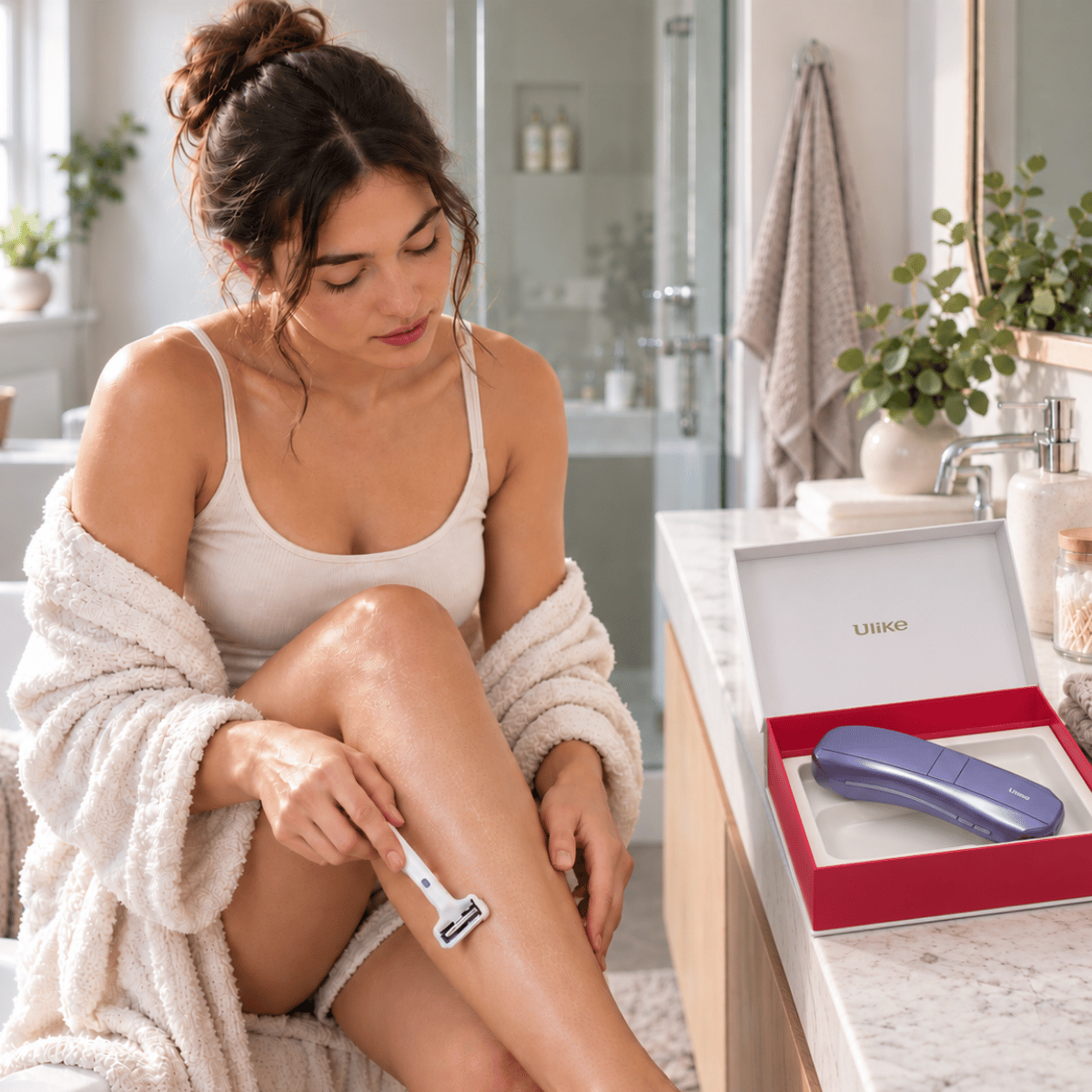
What to Do Between IPL Treatments: Shaving, Exfoliation & Hair Regrowth
Explore Beauty
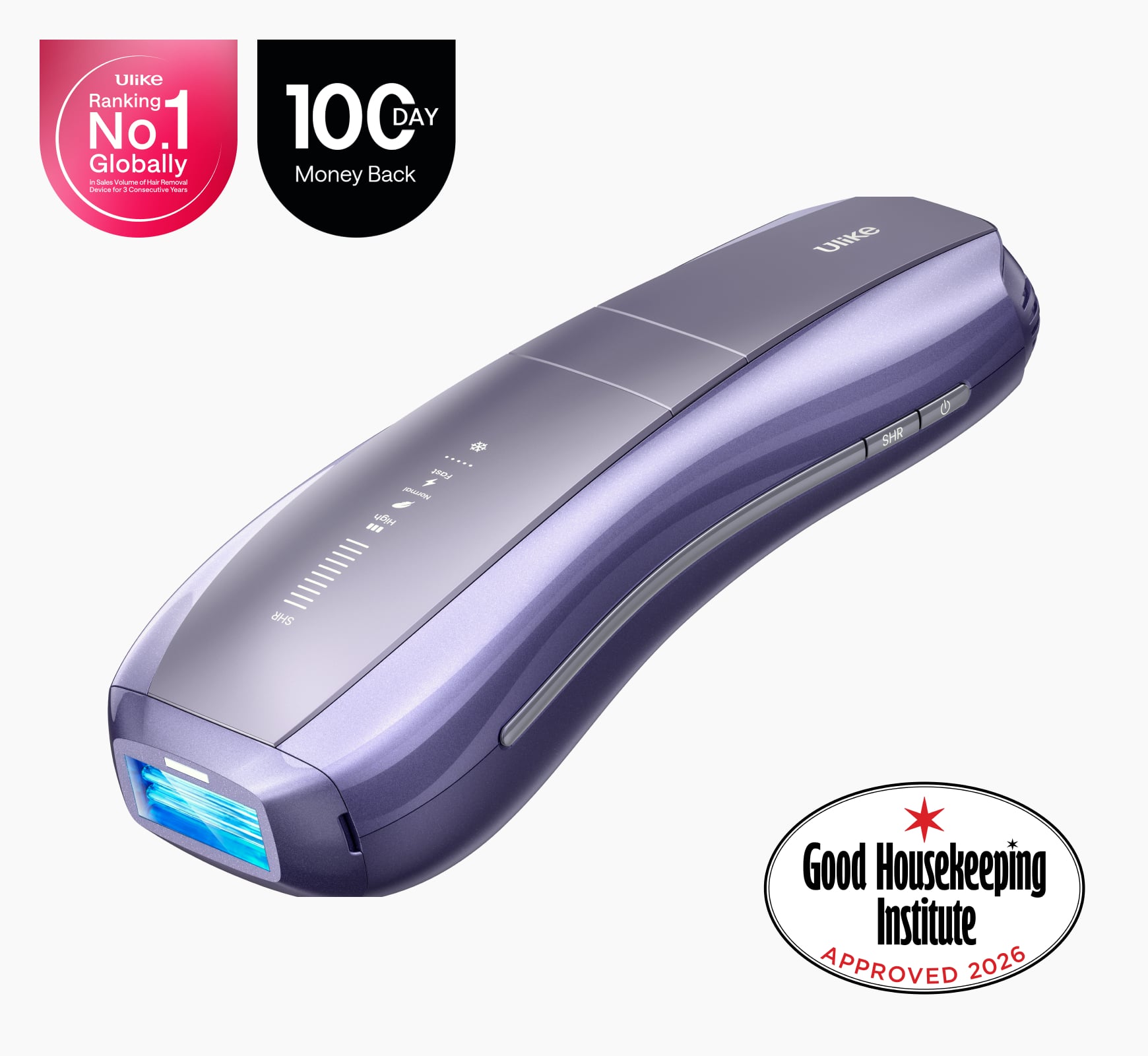
Ulike Air 10
2 weeks to silky smooth skin.
96% Hair Density Reduction in 2 Weeks
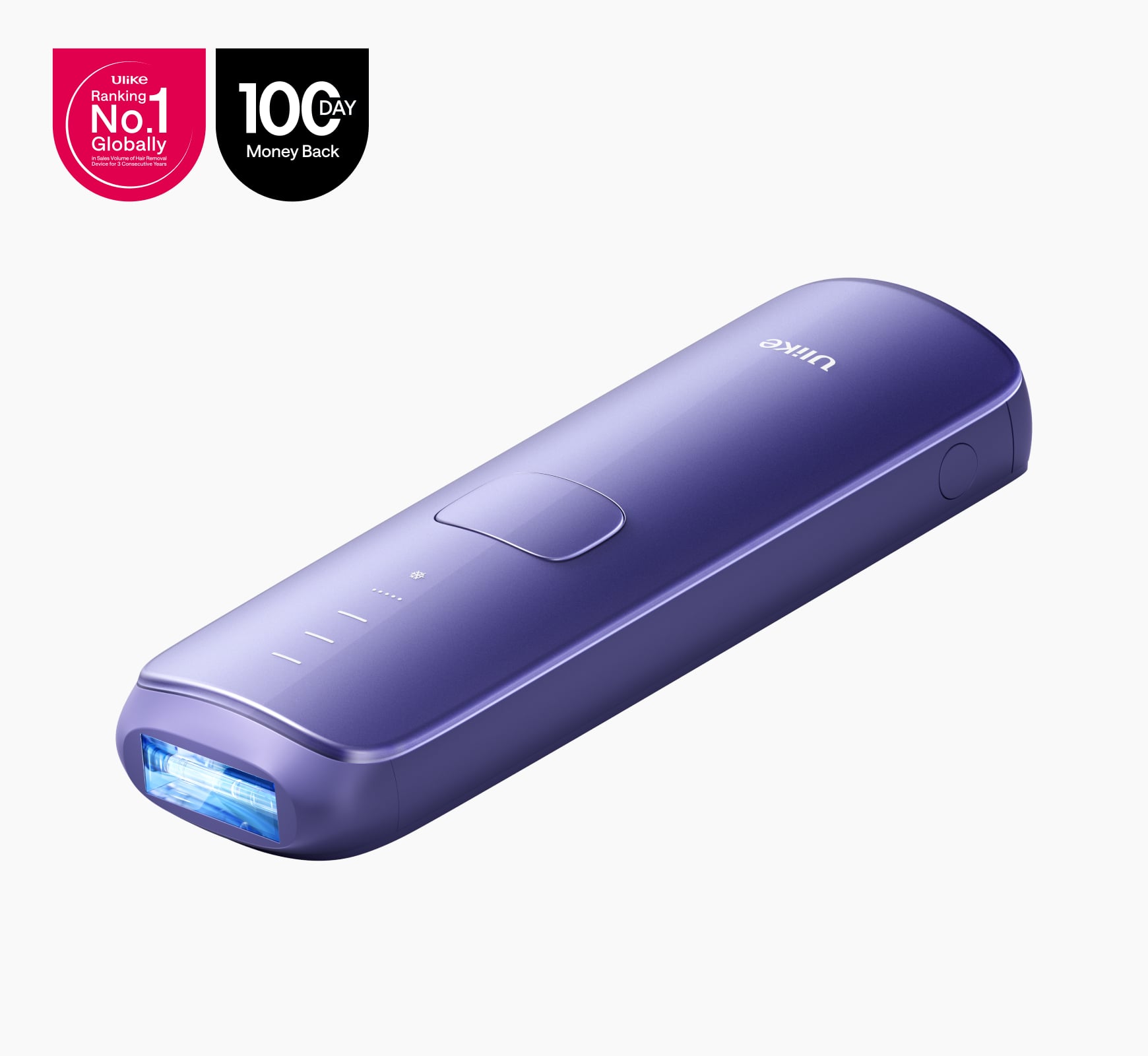
Ulike Air 3
3 weeks to silky smooth skin.
93% Hair Density Reduction in 4 Weeks
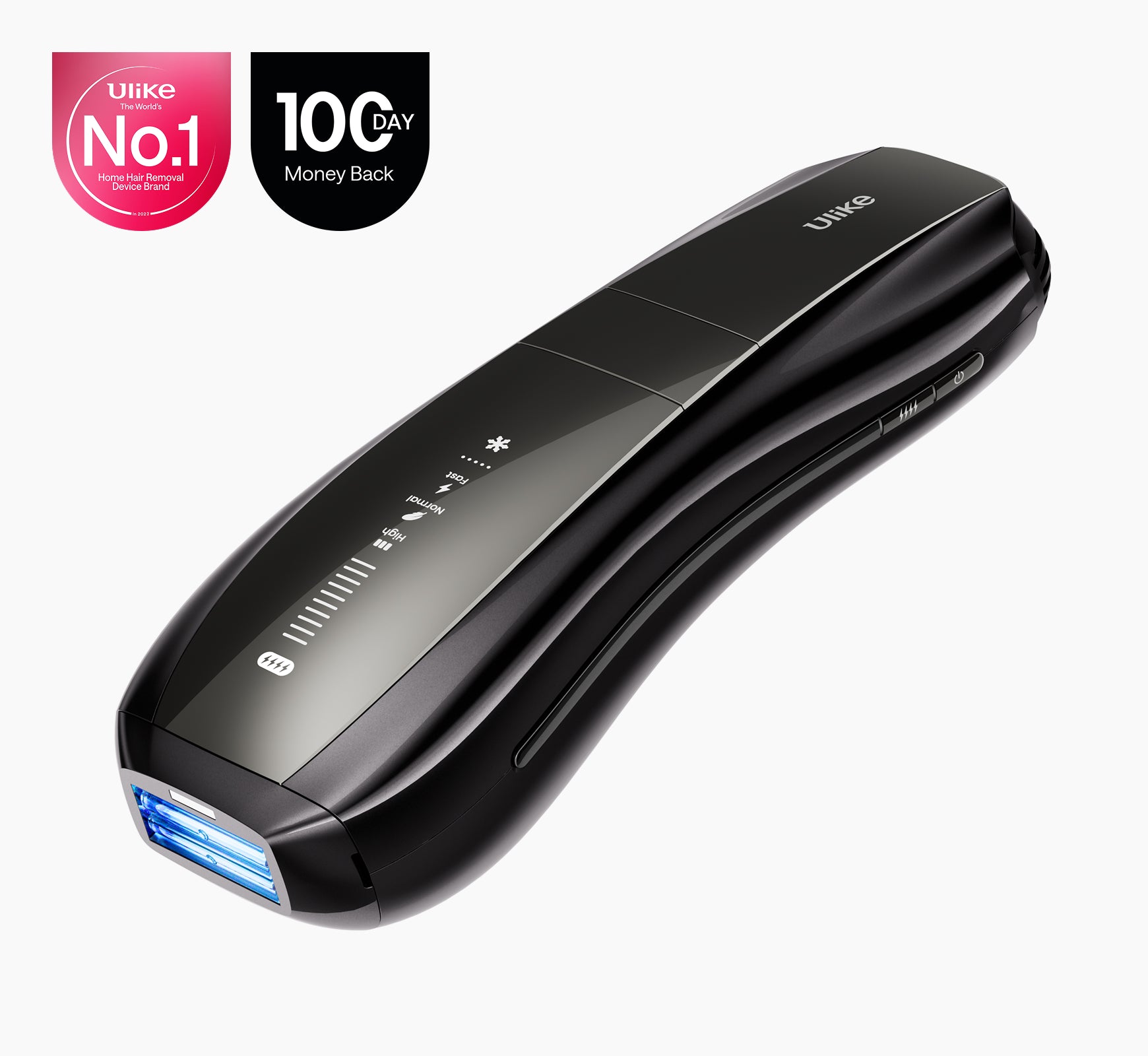
Ulike X
3 weeks to silky smooth skin.
94% hair reduction in just 2 weeks*
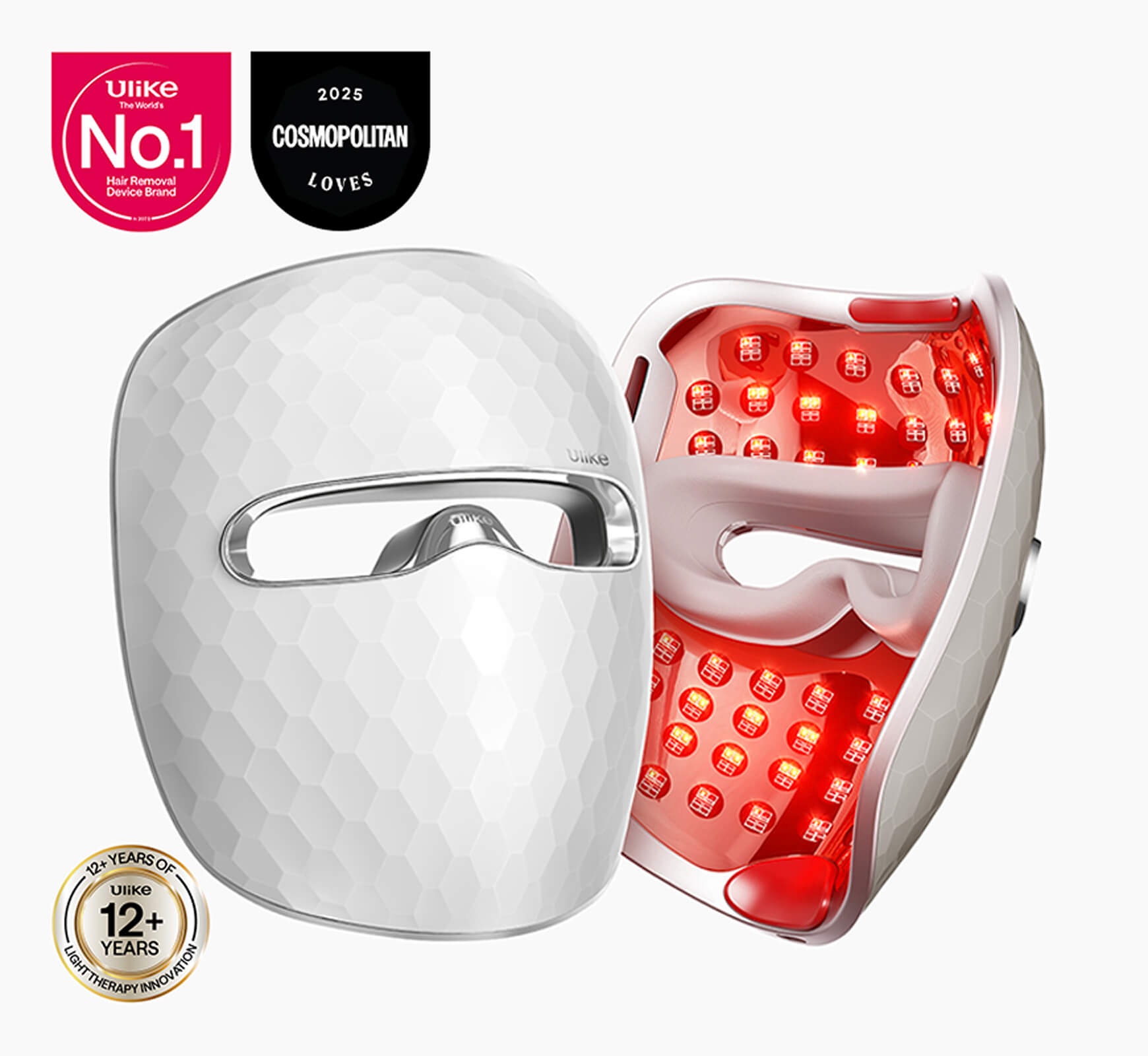
Ulike Reglow
Clearer skin in 2 weeks: Fewer breakouts
Smoother skin in 4 weeks: Fewer lines, firmer feel