



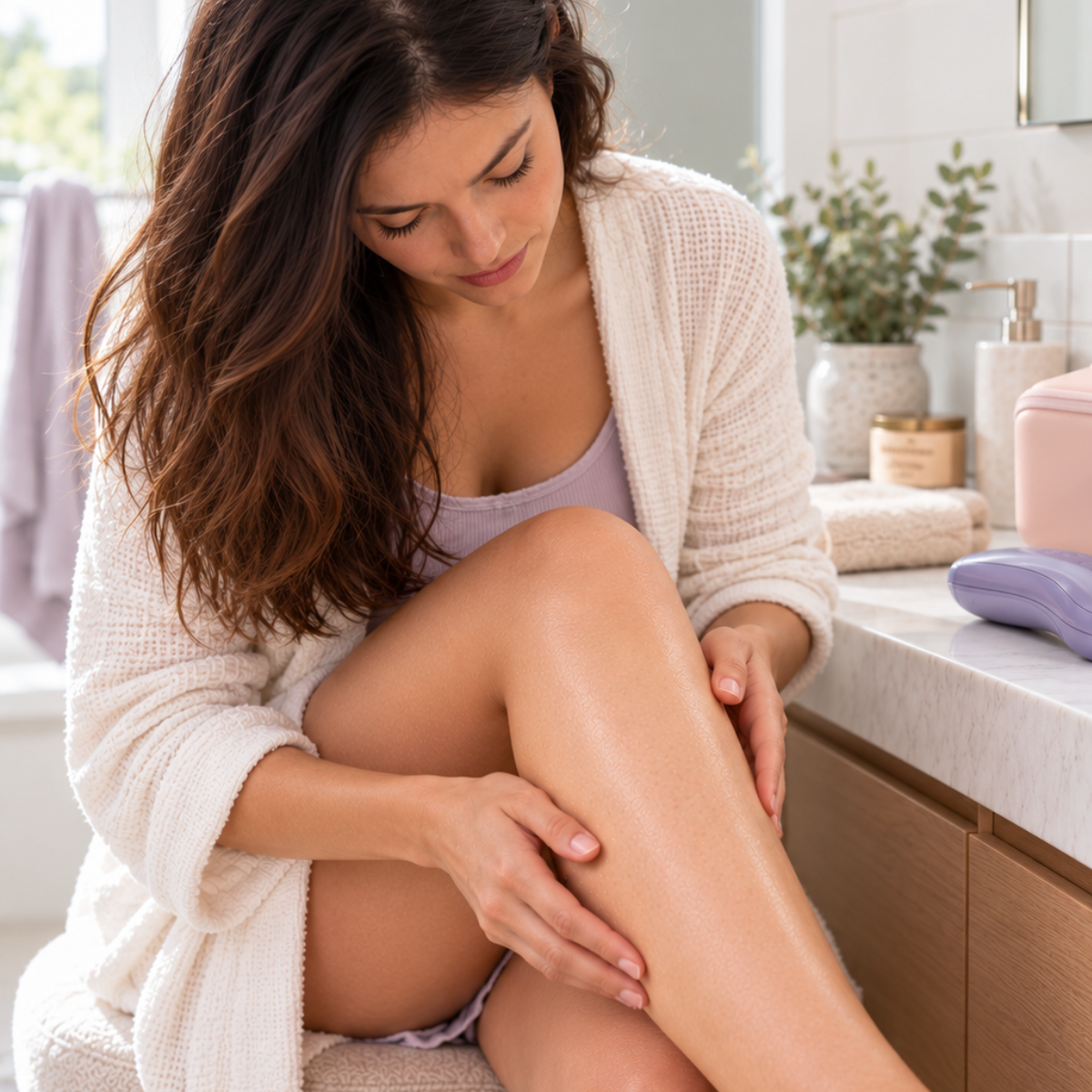
Can You Use IPL on Eczema? Before You Risk a Flare-Up

Your skin doesn’t have to look irritated for eczema to be a consideration before IPL hair removal. Eczema can affect the skin barrier, making it more vulnerable to irritation, particularly during a flare-up. IPL delivers light energy that converts to heat in the treatment area, so it’s important to consider both your skin’s condition and the device’s safety guidance before starting treatment.
For Ulike IPL devices sold in the UK, eczema and allergic dermatitis are listed among the conditions for which use is not recommended. These restrictions matter even if your skin looks clear on the day. Lowering the intensity doesn’t override the manufacturer’s guidance, so check your specific device’s instructions before use.
Why does eczema matter when using IPL?
Eczema can leave skin dry, itchy, cracked or inflamed. During a flare-up, the affected area may also become sore, crusted or weepy. Even when symptoms have settled, check whether IPL is suitable for you before starting treatment.
IPL hair removal uses light energy that turns into heat in the skin. Some warmth and temporary redness can occur after treatment. If eczema has left the skin inflamed or damaged, the added heat may cause further irritation.
Ulike’s UK guidance advises against using its IPL hair-removal devices if you have a known skin disorder such as eczema or allergic dermatitis. Check the instructions for your specific model before treatment, and don’t assume that lowering the intensity makes it suitable for use. If you’re unsure whether IPL is appropriate for you, speak to a healthcare professional.

Can you use IPL during an eczema flare-up?
No. If eczema is flaring up, don't use a home IPL device on the affected skin.
Leave the area untreated if it is:
Red, inflamed or persistently itchy
Cracked, raw or sore
Weeping, blistered or oozing fluid
Crusted, bleeding or broken
Eczema can cause all these symptoms, and the NHS advises seeking medical help if the skin becomes painful, swollen, warm, starts leaking fluid or suddenly gets worse.
There is no set number of days to wait before restarting IPL. Let the affected skin recover, and check your device's instructions before considering treatment again. For Ulike IPL devices covered by its UK guidance, eczema is listed as a condition for which use is not recommended, even beyond an active flare-up. If you're unsure how the guidance applies to you, contact Ulike or speak to a healthcare professional.

Can IPL make eczema worse?
IPL may irritate skin that is already inflamed or damaged by eczema. Redness, warmth, mild swelling and discomfort can also occur after treatment, even on skin without eczema.
Stop using the device if you experience any of the following:
Sharp pain or intense heat that doesn't settle
Blistering, scabbing or significant swelling
Severe or persistent redness or inflammation
Unexpected lightening or darkening of the skin
Signs of infection
A reaction that spreads or fails to improve
Don't carry on with treatment to see if the reaction happens again. If your skin blisters, becomes increasingly painful or swollen, shows signs of infection or fails to improve, seek medical advice. Check your Ulike device's instructions before considering further treatment, and don't resume use if your symptoms have not resolved or the manufacturer's guidance advises against IPL for your condition.

Can you use IPL if your eczema is under control?
When eczema settles, you might wonder whether treating a different area, lowering the intensity or doing a patch test makes IPL an option again. These are common considerations, but none overrides the manufacturer's safety instructions.
Here's what to bear in mind:
Treating skin without visible eczema: Clear skin doesn't automatically make IPL suitable if you have a condition listed in the device's contraindications. Don't assume that avoiding the affected patch makes treatment acceptable.
Using a lower intensity: Reducing the setting doesn't remove a contraindication or establish that IPL is safe for your skin.
Doing a patch test first: A patch test can help identify a reaction when a device is suitable for use. It isn't a way to establish suitability if the manufacturer advises against IPL for your condition.
Waiting until a flare-up clears: Settled symptoms don't necessarily change the manufacturer's advice about using IPL if you have eczema.
Switching to another IPL device: Restrictions can vary by model, so check the relevant instructions rather than assuming another device will be suitable.
Ulike's UK guidance lists eczema and allergic dermatitis among the conditions for which its IPL devices are not recommended. If you have eczema and are looking for a hair-removal alternative, speak to a healthcare professional about options that are appropriate for your skin.

Can you use IPL on eczema-prone skin?
Before using an IPL device, check these points against the instructions for your specific model:
Contraindications: Look for eczema, dermatitis and other skin conditions in the list of restrictions.
Treatment area: Check for redness, broken skin, inflammation or irritation where you intend to use the device.
Sun exposure and tanning: Follow the manufacturer's guidance on recent sun exposure, tanning and when treatment can resume.
Medicines and skincare products: Check whether any medicines or products you use could increase sensitivity to light.
Patch testing: Follow the device's testing instructions, but only if the manufacturer considers your condition suitable for IPL.
Unexpected reactions: Stop treatment if you experience an unusual or persistent reaction, and seek medical advice when needed.
A clear treatment area doesn't override a contraindication that applies to your skin condition. Ulike's UK guidance does not recommend its IPL devices for people with eczema or allergic dermatitis.
What if you have eczema somewhere else on your body?
Having eczema on your arms, for example, doesn't necessarily mean the skin on your legs will show the same symptoms. But that doesn't mean you can automatically use IPL on your legs instead.
Ulike's UK guidance lists eczema and allergic dermatitis among the conditions for which its IPL devices are not recommended. The restriction isn't limited to applying the device directly over a visible eczema patch, so treating an unaffected area shouldn't be assumed to be an exception.
If you have eczema and are considering IPL hair removal, check the guidance for your specific device before treatment. A healthcare professional can help you explore other hair-removal options suited to your skin.
Can medical phototherapy be used for eczema?
Yes. Dermatologists may prescribe medical phototherapy for certain cases of eczema, particularly when it covers large areas of skin or hasn't responded adequately to topical treatments. The American Academy of Dermatology explains how this treatment is used under medical supervision.
Medical phototherapy and IPL hair removal aren't interchangeable. Phototherapy uses specific wavelengths and carefully controlled treatment schedules to manage skin conditions. Home IPL devices are designed to reduce hair growth by delivering light energy to the hair follicle.
A treatment prescribed for eczema doesn't mean a home IPL device is suitable for the same skin. Ulike IPL devices are intended for hair removal, not for treating eczema.

What should you do if your skin reacts to IPL?
Stop treatment on the affected area and follow the device’s safety guidance. Don’t repeat the session to see whether the reaction settles.
Some warmth or mild redness can occur after IPL, but pain, severe or persistent redness, blistering, marked swelling, scabbing or signs of infection warrant medical advice. Seek help promptly for severe symptoms or inflammation that isn’t improving.
Eczema that becomes itchy, inflamed or damaged after treatment should be assessed by a GP, pharmacist or dermatologist. Make a note of the device used, its setting, the treatment area and any skincare products applied around the time of the reaction.
A practical eczema and IPL decision guide
Check the device’s contraindications first. Read the manual for guidance on eczema and other skin conditions.
Is the skin inflamed, cracked or broken? Do not treat the affected area.
Does the manufacturer list eczema as a contraindication? Do not use the device, even when your skin looks clear.
Is the guidance unclear? Contact the manufacturer or ask a healthcare professional before using the device.
Has your skin reacted after IPL? Stop treatment. Seek medical advice for severe, persistent or worsening symptoms.
FAQs
Can you use IPL on eczema?
It depends on the device, but do not assume it is suitable. Ulike’s current UK guidance lists eczema and allergic dermatitis among conditions for which its IPL devices are not recommended. Other devices may have different instructions, so check the manual for your exact model and ask a healthcare professional if the guidance is unclear.
Can you use IPL during an eczema flare-up?
No. Do not treat skin that is red, inflamed, itchy, cracked, sore, weeping, blistered, crusted, bleeding or otherwise damaged. Wait until it has recovered and follow the manufacturer’s instructions; do not rely on a fixed waiting period.
Is IPL safe for sensitive skin?
Sensitive skin is not the same as eczema. Some devices may be suitable for sensitive skin when the skin is intact, the device allows it, a required skin test is completed and the recommended setting is used. A diagnosed skin condition or active eczema requires a separate suitability check and may be a contraindication.
What should you do if you have eczema and want to use IPL?
Lowering the intensity does not make IPL suitable for eczema when the device manufacturer lists it as a contraindication. Check your model’s safety guidance and avoid treating active, inflamed or damaged skin. Ask a healthcare professional or the manufacturer when the instructions are unclear.
Before choosing an IPL device, review its contraindications, skin-tone requirements and instructions for use. Ulike’s IPL range includes model-specific safety guidance, so check the information for the device you are considering before use.
Is IPL Safe on Your Balls? The Risks Every Man Should Know
Can You Use IPL on Eczema? Before You Risk a Flare-Up
Does Cold Weather Affect IPL Hair Removal?
Explore Beauty
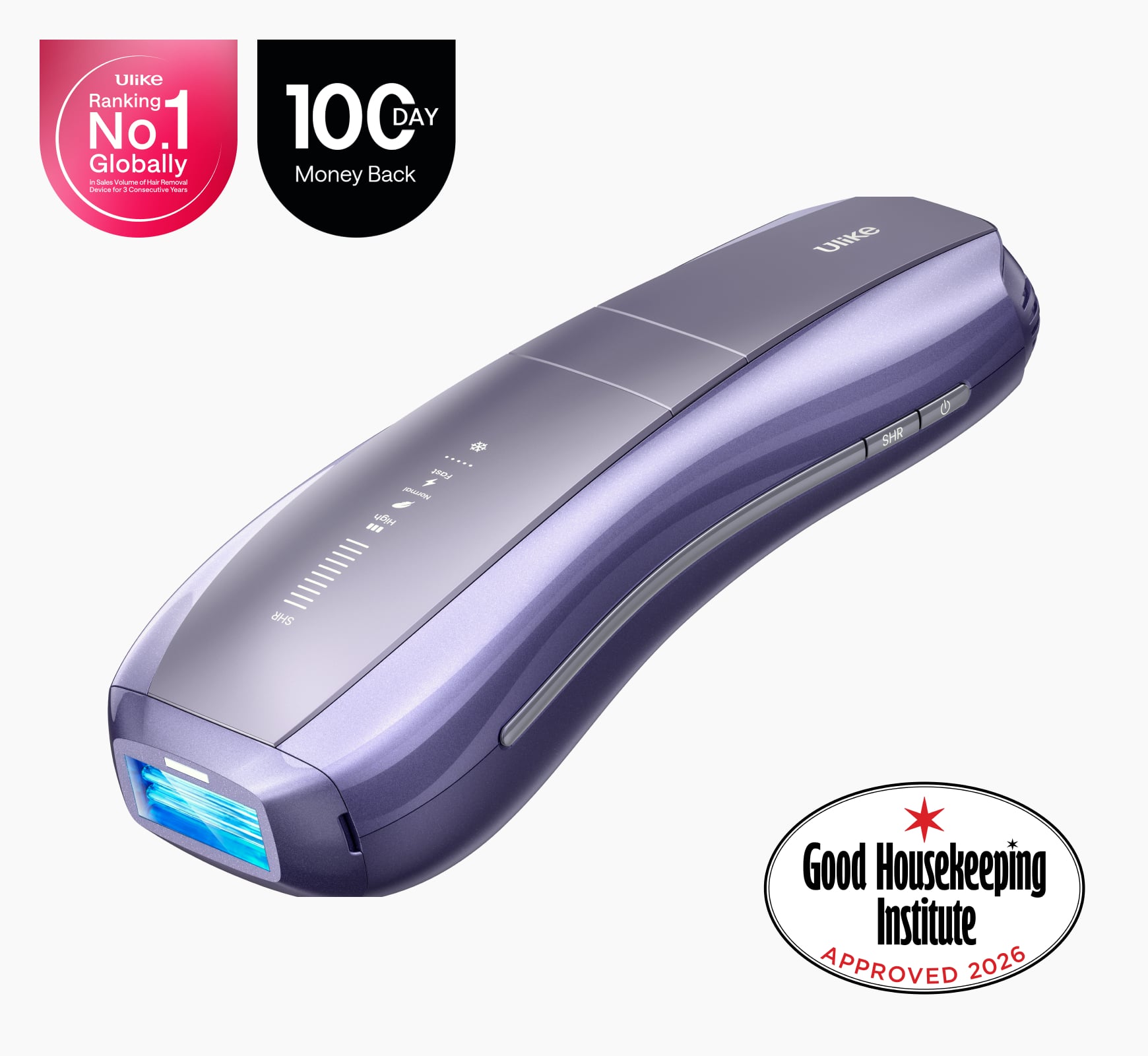
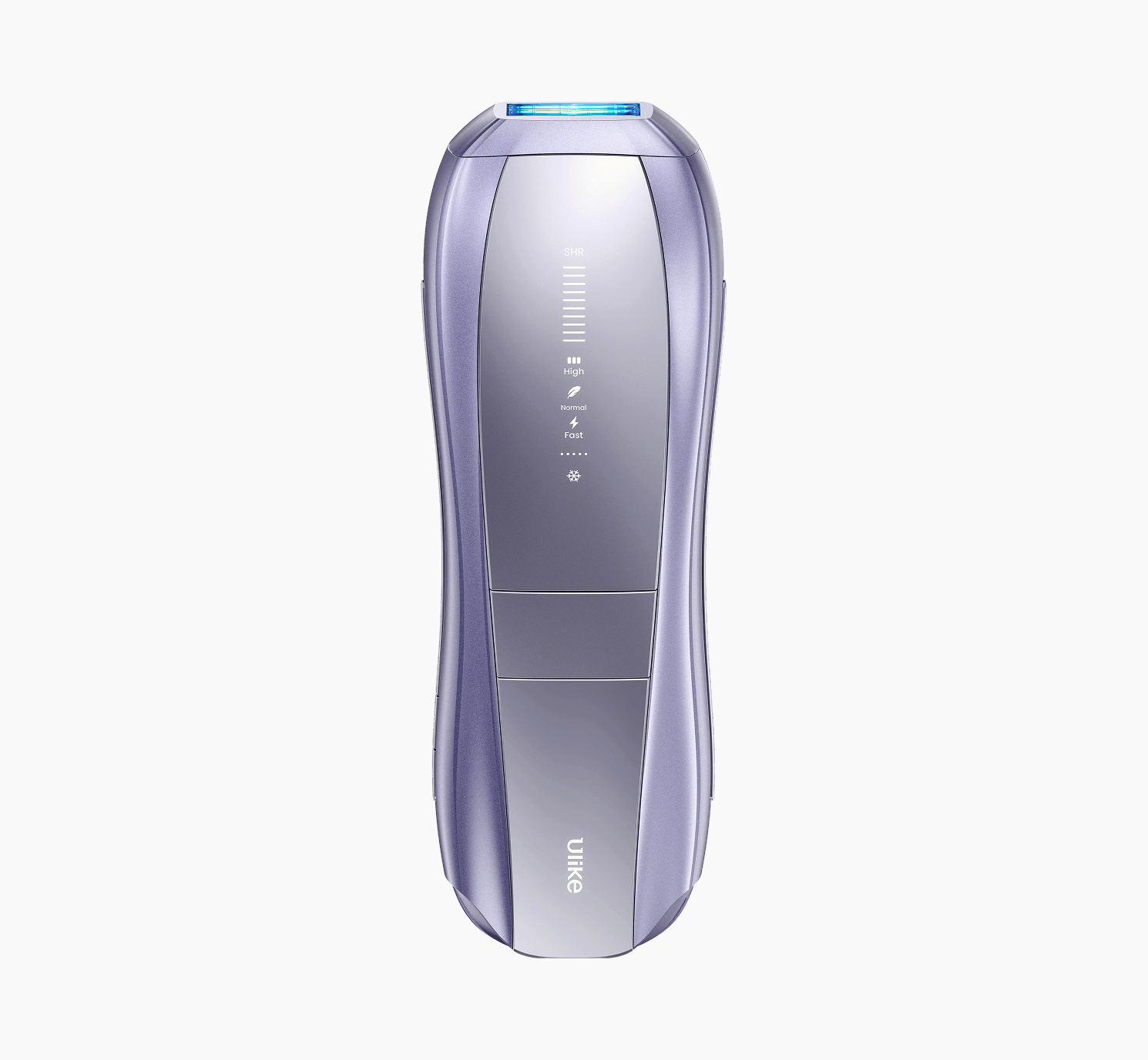
Ulike Air 10
2 weeks to silky smooth skin.
96% Hair Density Reduction in 2 Weeks
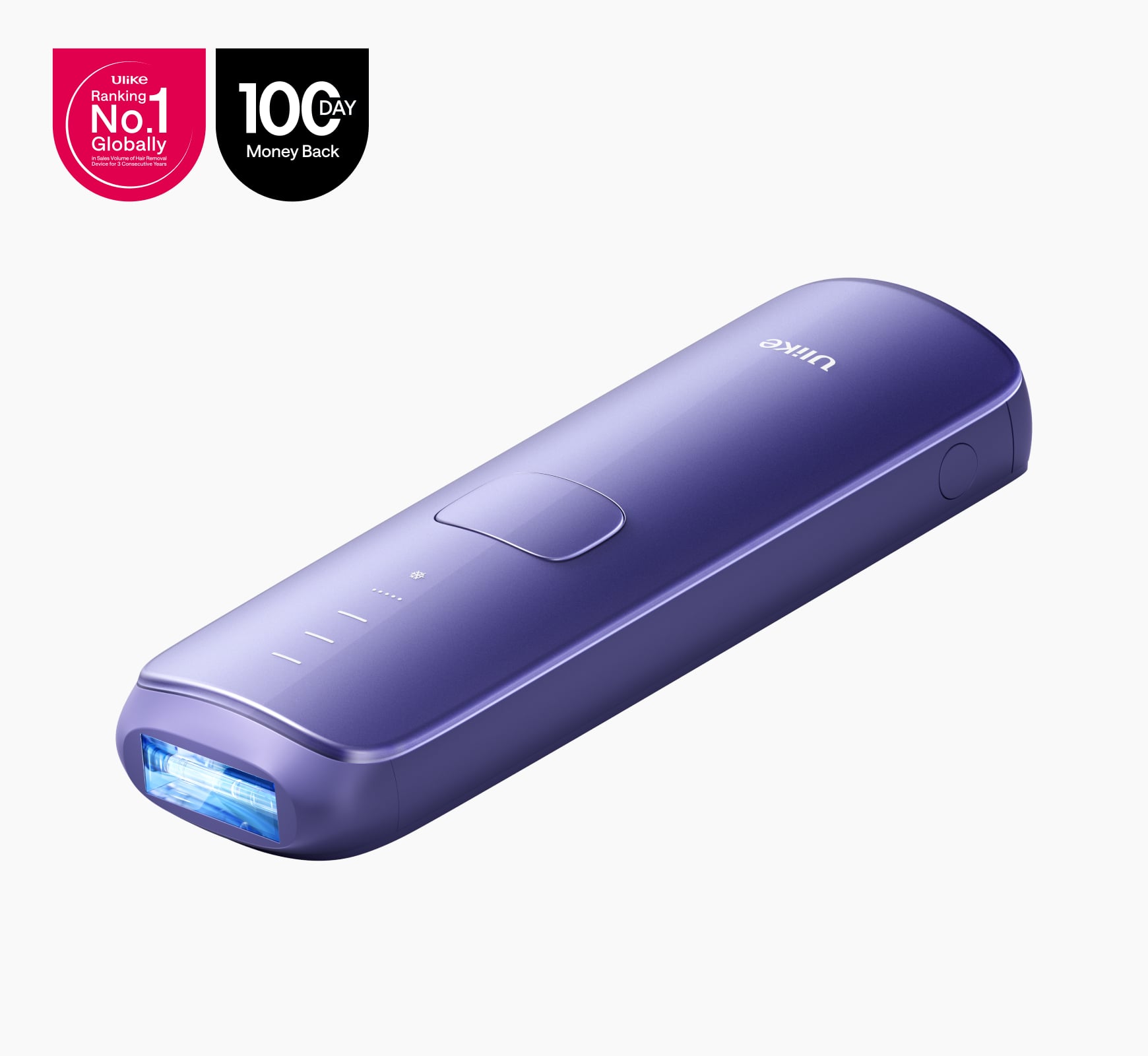
Ulike Air 3
3 weeks to silky smooth skin.
93% Hair Density Reduction in 4 Weeks
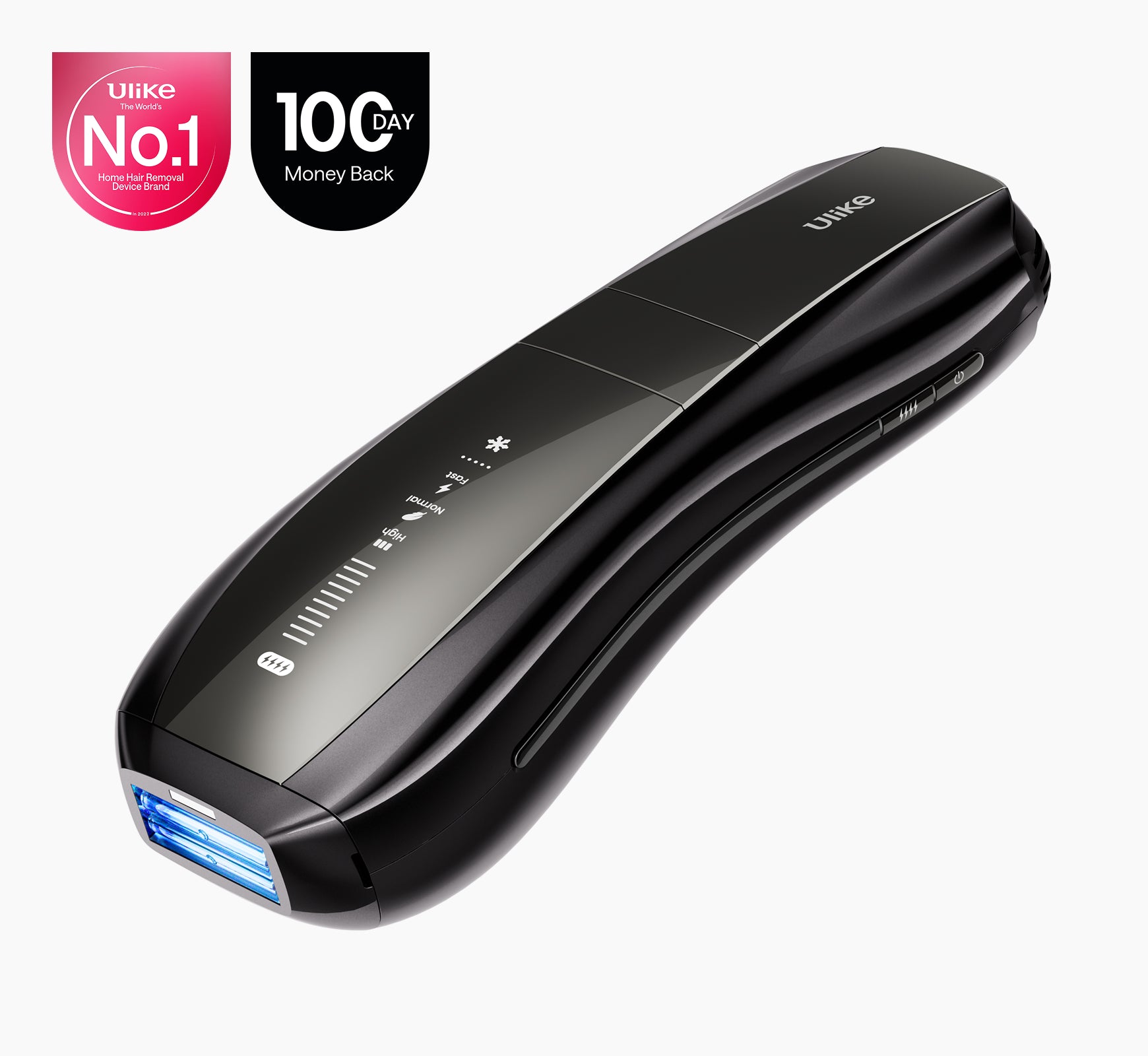
Ulike X
3 weeks to silky smooth skin.
94% hair reduction in just 2 weeks*
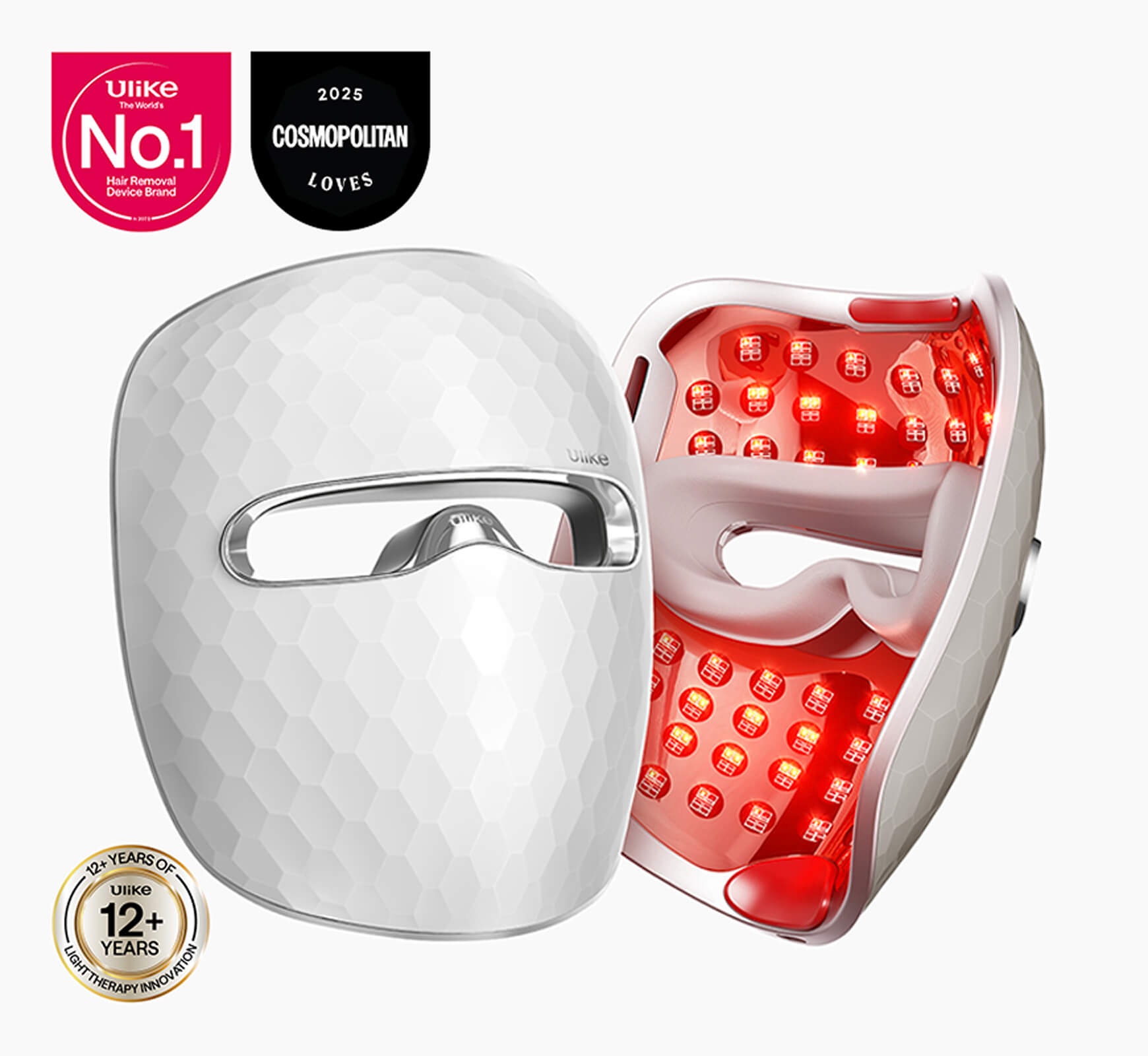
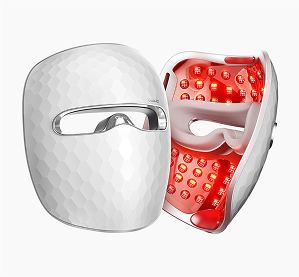
Ulike Reglow
Clearer skin in 2 weeks: Fewer breakouts
Smoother skin in 4 weeks: Fewer lines, firmer feel