


How to Calm IPL Redness Without Irritating Skin

You switch the device off, look down and notice that your skin is pink or red. Knowing how to calm IPL redness starts with understanding the reaction. Mild warmth and a pink flush can follow a session, but the right response depends on how your skin looks and feels, and whether it is improving or getting worse. Here’s what you can do straight away, what to avoid and when to seek medical advice.
Is Redness After IPL Normal?
Mild redness, warmth or tenderness can occur after IPL hair removal. These reactions often begin soon after treatment and gradually settle. Ulike’s guide to IPL hair removal side effects explains that mild reactions are generally short-lived, although recovery varies from person to person. Treat any suggested timeframe as a guide, not a deadline.
Colour alone tells you little. What matters is how severe the reaction is and which way it is heading. Redness that is gradually fading is a different situation from redness that is spreading, deepening or becoming more painful.
Some symptoms are not suitable for routine soothing at home: severe or increasing pain, blistering, marked swelling, broken skin, or any reaction that is getting worse rather than better. If you notice these, go straight to the section on seeking medical advice below.
How to Calm IPL Redness
How to calm IPL redness comes down to four things: stop treatment, check the skin, cool it gently and leave it alone.
Stop treatment and assess the skin
Do not flash the area again, and do not start another session on a different patch while your skin feels irritated. Take a moment to look and feel: is there pain, swelling, blistering or anything else that looks unusual?
Apply a cool compress
A clean cloth run under cool water, wrung out and held gently against the skin can ease warmth and mild discomfort. The American Academy of Dermatology suggests a cool compress for discomfort after professional laser hair removal. That is guidance for a different treatment, so take it as a sensible general measure rather than proof that every home IPL device needs the same care.
Keep the cloth cool, not icy, and never put ice directly on the skin. A cool compress may ease mild warmth and tenderness, but it is not a treatment for a burn. Check the skin after cooling. If discomfort increases or you notice blistering or broken skin, seek medical advice rather than relying on home care.

Keep the area undisturbed
Resist rubbing, scratching, scrubbing or repeatedly touching the patch. Loose clothing is kinder than anything that chafes.
Follow the device’s safety instructions
Check your device manual for model-specific guidance on post-treatment redness. Do not resume IPL on the affected area while it remains irritated. Wait until the skin has recovered and follow the manufacturer’s instructions before treating it again.
What Can You Apply to Red Skin After IPL?
If the skin is intact and tolerates it, a simple, fragrance-free moisturiser may be suitable. Avoid layering several products onto the area, and stop using anything that causes stinging or burning.
This advice applies to intact skin only. If the skin is broken, blistered or appears burned, do not experiment with skincare products. Follow appropriate first-aid guidance and seek medical advice, particularly if the injury is painful, extensive or worsening.
Be cautious with products labelled “soothing” or “natural”, because neither word guarantees that a formula suits reactive skin. Ingredients such as aloe vera, panthenol, niacinamide and centella appear in many skincare products, but their presence alone does not establish that a product will treat redness caused by IPL.
If your skin is generally reactive, Ulike’s guide to IPL for sensitive skin covers suitability and preventive measures. For wider post-treatment care, see these broader IPL aftercare tips.

What Should You Avoid When Your Skin Is Red After IPL?
Keep the list short and focused on what is most likely to aggravate irritated skin:
Further IPL on the affected area. Wait until the skin has recovered.
Scrubs, exfoliating acids and retinoids. These can add irritation to skin that is already reactive.
Fragranced products, or anything that stings when applied.
Heat that makes the warmth worse. If a hot shower or an intense workout noticeably increases discomfort, give it a miss until things settle.
Direct sun on the area. Follow your device’s sun-protection instructions and take your skin’s condition into account.
No single waiting time suits every product and activity, so let your skin and your manual guide you.

How Long Does Redness After IPL Last?
Mild redness often settles fairly quickly, but duration varies. The American Academy of Dermatology reports that redness and swelling after professional laser hair removal commonly last one to three days. That describes a different treatment, so it is a reference point, not a promise for home IPL.
A fixed deadline can mislead in both directions, since some people settle quickly and others take longer without anything being wrong. The trend tells you more. Skin that looks a little calmer each day is a different situation from skin that stays the same, spreads or becomes more uncomfortable.
Mild and improving: continue gentle care and follow the device instructions.
Persistent or worsening: stop IPL and seek advice.
Blistering, severe pain or a suspected burn: do not rely on skincare. Seek prompt medical advice.
Nobody can diagnose a reaction from a description or a photo, so if you are unsure which category you are in, ask a professional.
When Should You Seek Medical Advice for IPL Redness?
Stop using the device and seek medical advice if you develop blistering, significant or increasing pain, marked swelling, broken skin, worsening redness, signs of infection or unusual changes in skin colour.
In the UK, contact NHS 111 or your GP for advice about a concerning reaction. Seek urgent medical assessment for suspected burns or significant skin injury. Call 999 for a medical emergency.
Not every red patch is a burn, but signs of injury should never be brushed off. For a fuller picture, see Ulike’s guide to IPL side effects and warning signs, which supplements this advice rather than replacing it.

Frequently Asked Questions
How can I calm IPL redness quickly?
Stop treatment on the affected area, use a cool compress for mild discomfort and avoid products that sting. These steps may ease discomfort, but they will not treat a burn. Seek medical advice if symptoms are severe or getting worse.
Can I put moisturiser on skin that is red after IPL?
A simple, fragrance-free moisturiser may suit intact skin that tolerates it. Do not apply products over suspected burns or broken skin without medical guidance.
Should I use aloe vera for redness after IPL?
It is not a proven treatment for IPL reactions and is not a substitute for medical care if you suspect a burn. Formulations vary, and some contain fragrance or other irritants, so individual tolerance matters.
Can I use IPL again if my skin is still red?
No. Wait until the area has recovered and your device manual says treatment can resume.
Is redness after IPL a sign of a burn?
Not necessarily. Mild, improving redness is different from blistering, severe pain or worsening symptoms, which need medical attention. If you cannot tell the difference, seek advice.
The Short Version
Check how the skin looks and feels, use gentle measures for mild discomfort, avoid anything that adds irritation and hold off on IPL until the skin has recovered. Severe or worsening symptoms need medical advice, not more home care. For help with care beyond redness, see Ulike’s IPL aftercare guide.

How to Clean an IPL Hair Removal Device Safely

Can You Use IPL on Arms? Will It Work on Your Hair?

When Does IPL Hair Start Shedding? Signs It’s Working
Explore Beauty
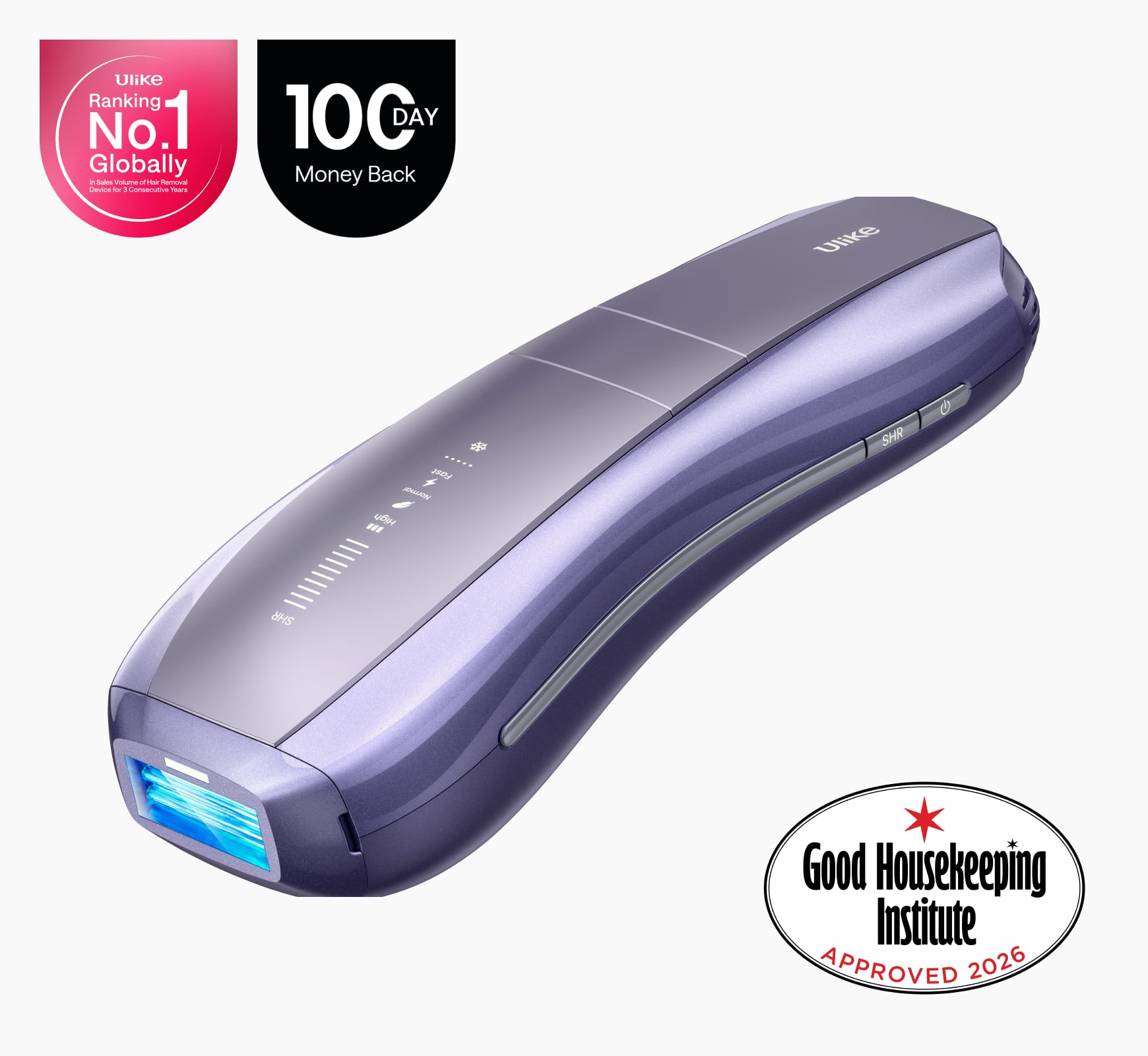
Ulike Air 10
2 weeks to silky smooth skin.
96% Hair Density Reduction in 2 Weeks
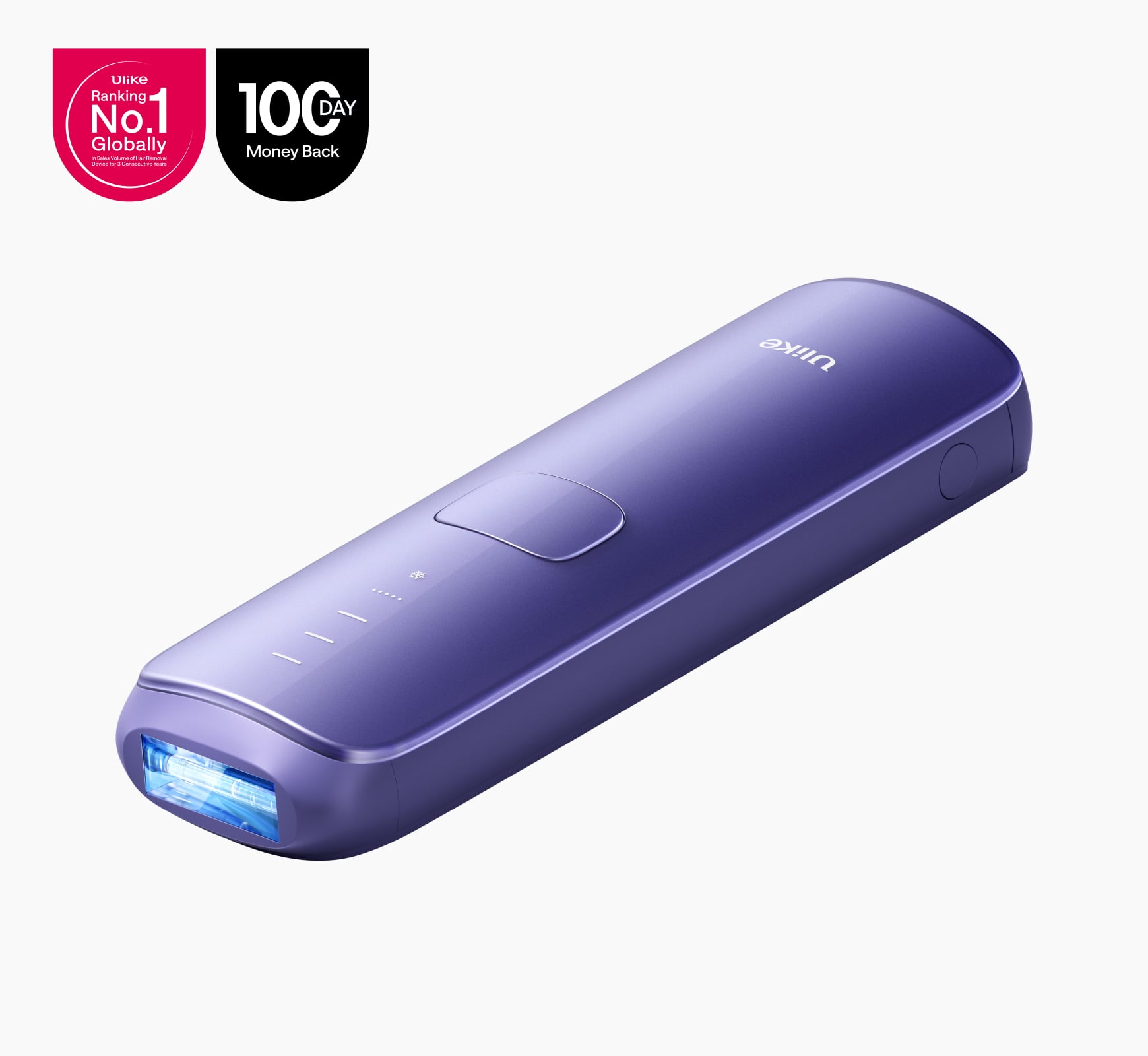
Ulike Air 3
3 weeks to silky smooth skin.
93% Hair Density Reduction in 4 Weeks
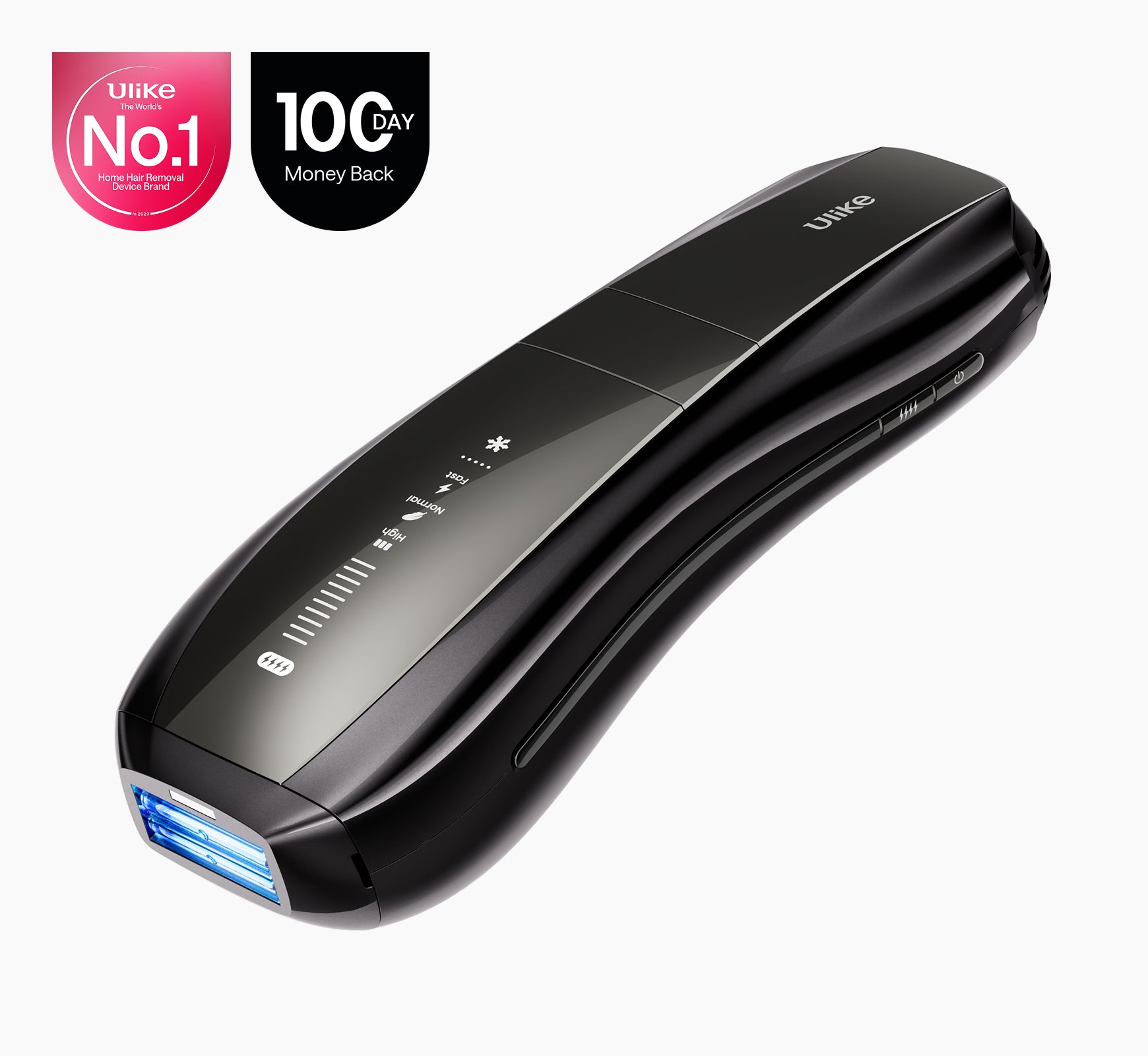
Ulike X
3 weeks to silky smooth skin.
94% hair reduction in just 2 weeks*
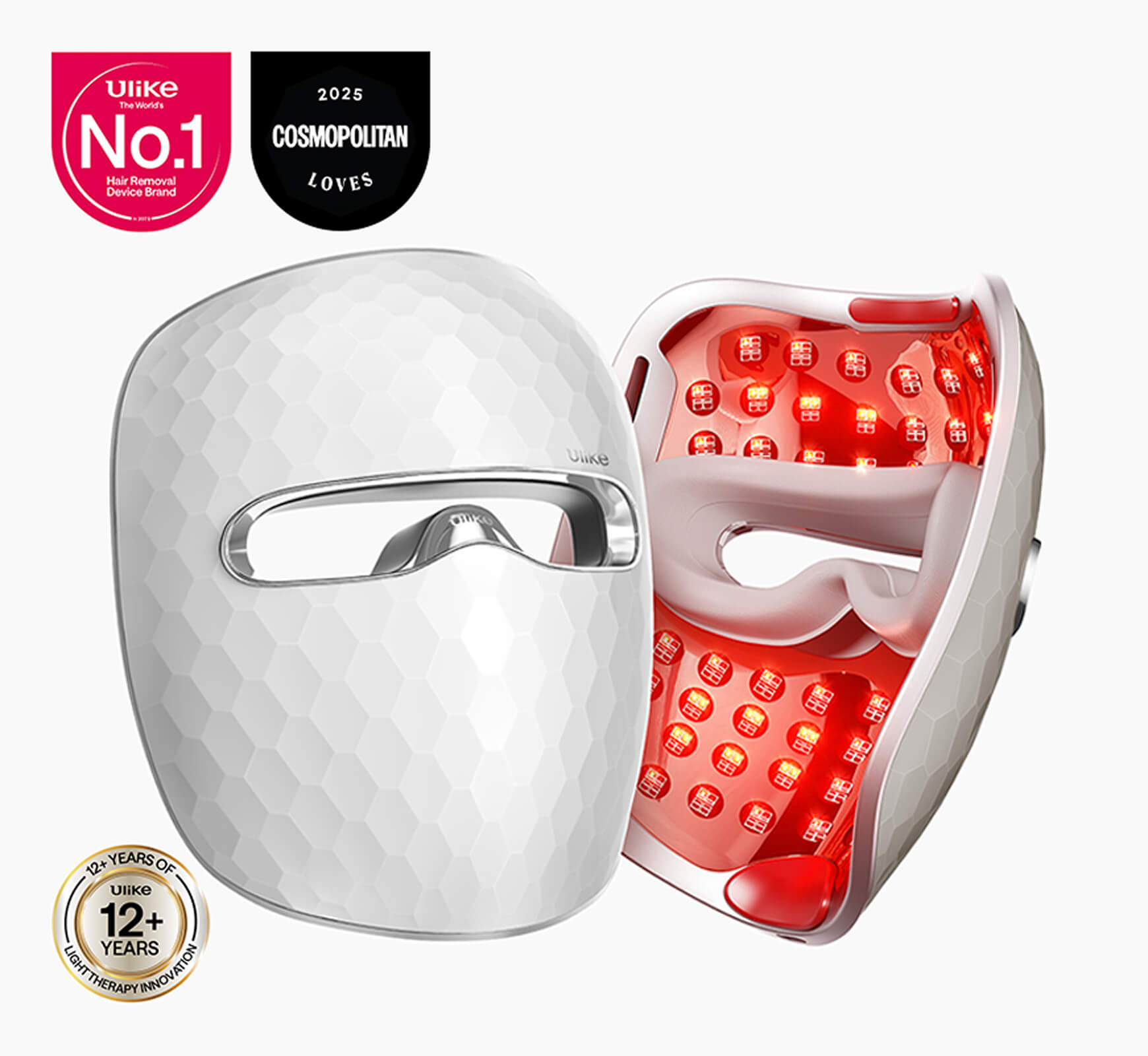
Ulike Reglow
Clearer skin in 2 weeks: Fewer breakouts
Smoother skin in 4 weeks: Fewer lines, firmer feel