





Painful Ingrown Hair in Armpit: What It Is and How to Treat It Safely

Ingrown Hair in the Armpit: Causes, Treatment, and Prevention
Most of us have had to face the annoyance of an ingrown hair in armpit sometime. A lump pops up from nowhere, making the area look very irritated and sore, causing discomfort while raising our hands. It may be a minor issue, but for something which remains under continuous movement all day long, it cannot be considered so.
The armpit is one of the trickiest areas for ingrown hairs, not because they are more severe there, but because the conditions that cause them are almost always present. Frequent shaving, constant friction, heat, moisture — the underarm environment practically invites them. Understanding why they happen makes it a lot easier to manage them and, more usefully, stop them recurring.
What an Ingrown Hair in the Armpit Feels Like
First sign is a bump that appears which is soft and tender to touch. It may be reddish and slightly inflamed at its edges. It can resemble a pimple and even develop a white or yellow pus-filled head. The surrounding skin will feel itchy and tight and may react adversely due to irritation by clothing and physical contact.
There are instances where ingrown hairs form hard lumps inside the armpits. These occur because the body's immune system reacts more strongly to the presence of the hair and regards it as an invader in a similar way that it would react if a foreign body entered the skin.
The main thing worth knowing at this stage is that an ingrown hair in the armpit, however sore, is rarely cause for alarm. Most of them resolve without much intervention.
What Causes Ingrown Hairs in the Armpit?
Ingrown hairs in the armpit appear due to the hair growing back into the skin rather than coming out of it. The reason behind their occurrence is mainly the shaving, irritation, or blockage in the follicle area. They are recognised by small, possibly tender lumps and most likely occur in regions of continuous action or exposure to moisture.
The mechanics behind them are fairly straightforward. Shaving cuts the hair shaft at an angle, leaving the tip sharp. As the hair grows back, that tip can curl sideways or downward and puncture the skin before it surfaces.
The immune system responds to the embedded hair as it would to any foreign material, which is where the redness, swelling, and soreness come from.
Hair type plays a part, too. Curly or coarse hair already has a natural tendency to curve, so the re-entry angle is sharper and the likelihood of an ingrown hair forming is higher.
In the armpit specifically, a few additional factors stack up against you: the skin folds mean friction is constant, sweat keeps the surface soft and more easily penetrated, and most people shave this area far more frequently than anywhere else.
The findings of a study conducted among 333 women in the American Journal of Obstetrics and Gynaecology revealed that 60% had suffered complications from hair removal, including ingrown hairs. It is not an issue confined to a small number of people.
The usual triggers:
Shaving too close or against the direction of hair growth
Using a blunt or overused razor blade
Dead skin cells blocking the follicle opening
Tight clothing worn immediately after shaving
Heat and sweat softening the skin during the regrowth window
How to Treat an Ingrown Hair in the Armpit Safely
The honest answer here is that doing less is usually better. The instinct to pick, squeeze, or dig at an ingrown hair is understandable, but it almost always makes things worse. Broken skin means a direct route for bacteria, and the resulting infection can turn a minor irritation into something that takes weeks to clear.

Warm compress, applied consistently. A clean cloth soaked in warm water held against the area for 10 to 15 minutes, a couple of times a day, does more than most people expect. It softens the skin, eases the tenderness, and gradually encourages the hair to shift closer to the surface. It is not dramatic, but it works.
Leave it alone between compresses. TIt’s not easy as it may sound, but the constant handling, squeezing, and checking will only keep the area irritated and prolong the process of recovery.
Keep the skin clean. Use mild soap, free of scent and alcohol-containing products around the area. This step aims at reducing bacteria without removing more from the skin.
Stop shaving over it. Dragging a razor across an active ingrown hair prolongs the inflammation and risks pushing bacteria deeper into the follicle.
Where there seems to be a visible loop formation below the skin surface, where one end of the hair follicle is about to break through the surface, it may be necessary to use a sterile needle to release the hair follicle. This should only be considered where the ingrown hair is truly close to the surface; otherwise, it may prove to be unnecessary.
In cases where the affected region becomes hotter, visibly swollen, or begins to drain, seek the opinion of a doctor. When an ingrown hair is infected, it may be necessary to use antibiotics, which is not a condition that can be overcome by means of self-treatment.
Why the Armpit Area Is More Prone to Ingrown Hairs
Compared to shaving your legs or arms, the armpit is a genuinely difficult environment.
It is a skin fold, which means the surface is rarely fully open and flat. Every arm movement creates friction across the area, which can redirect regrowth sideways rather than letting it push straight up and out. There is no equivalent to this on the shin or forearm.
The moisture is a compounding factor. Warmth and sweat keep the skin softer than it would be in a drier area, and softer skin offers less resistance to a curling hair tip. Add to this the fact that the underarm is shaved more regularly than most parts of the body, and the skin rarely gets a proper rest between removal cycles.
These factors together explain why the same shaving technique that causes no problems on your legs can produce consistent ingrown hairs under the arm.
Why Shaving Often Makes Underarm Ingrown Hairs Worse
Every shave leaves the hair tip sharper than it was before. The closer the shave, the more tapered and pointed the regrowth. In an area where hair can return within 24 to 48 hours, there is very little time between one sharp regrowth cycle ending and the next beginning.
Frequency turns out to be much more of a problem than many realise. It’s not simply a case of continually repeating the same physical process; it leaves the skin in an ongoing state of irritation. This can result from the micro-abrasions caused by shaving, the accumulation of products on the skin, the rubbing of clothes against the skin, and the heat that builds up in the armpits.
An unsharp blade will only compound the problem. A dull blade that pulls as opposed to cleanly cutting the hair fibre results in a more ragged cut, which is even more inclined to tuck back under the skin surface.
How to Prevent Ingrown Hairs in the Armpit

There are just a few simple steps that actually work, and none of them are too difficult.
Exfoliate, but gently. Once or twice a week is sufficient. Exfoliation helps remove the buildup of dead skin cells, which clog the pores and inhibit hair growth underneath them. Armpits have thin and sensitive skin compared to leg skin; hence, anything too harsh will only lead to more trouble.
Shave in the direction of growth. Going against the grain gives a closer result but produces a sharper hair tip. With the grain, the cut is less severe and the regrowth is less likely to re-enter the skin.
Replace your razor blade regularly. A blunt blade requires more pressure and cuts less cleanly. Swapping it out more often than feels strictly necessary is one of the more effective preventive steps available.
Moisturise after shaving. This is because well-hydrated skin continues to be effective as far as barrier functions are concerned and is less likely to develop low-level inflammatory reactions that will make the follicles more sensitive.
Extend the gap between shaves where possible. Giving the skin more time to recover between sessions reduces how often hair has to push through potentially compromised or blocked follicles.
However, the long game is making it happen less often. The fewer times that the hair regrows and the less densely it grows, the weaker the pattern that makes it grow into itself gets.
Can IPL Help Prevent Underarm Ingrown Hairs?
IPL will not treat an ingrown hair that already exists. What it does is reduce the likelihood of new ones forming, which for people dealing with them repeatedly is often the more useful outcome.
The mechanism is worth understanding. IPL directs light energy at the pigment inside the hair follicle. Over a course of treatments, this gradually reduces the follicle's capacity to produce hair. Regrowth becomes less frequent, the hair that does return tends to be finer and softer, and in many cases treated follicles stop producing hair altogether.
For ingrown hair prevention, this matters directly. Fewer regrowth cycles means fewer opportunities for a hair to curl back into the skin. Finer regrowth means less of the coarse, curved structure that makes re-entry likely in the first place.
The underarm responds well to IPL. Hair in this area is typically darker and coarser than on the legs or arms, which means it absorbs the light efficiently. Reduction in regrowth frequency tends to be noticeable after a relatively short course of treatments.
For anyone dealing with ingrown hairs in the armpit on a recurring basis, IPL shifts the focus from managing irritation to reducing the conditions that cause it.
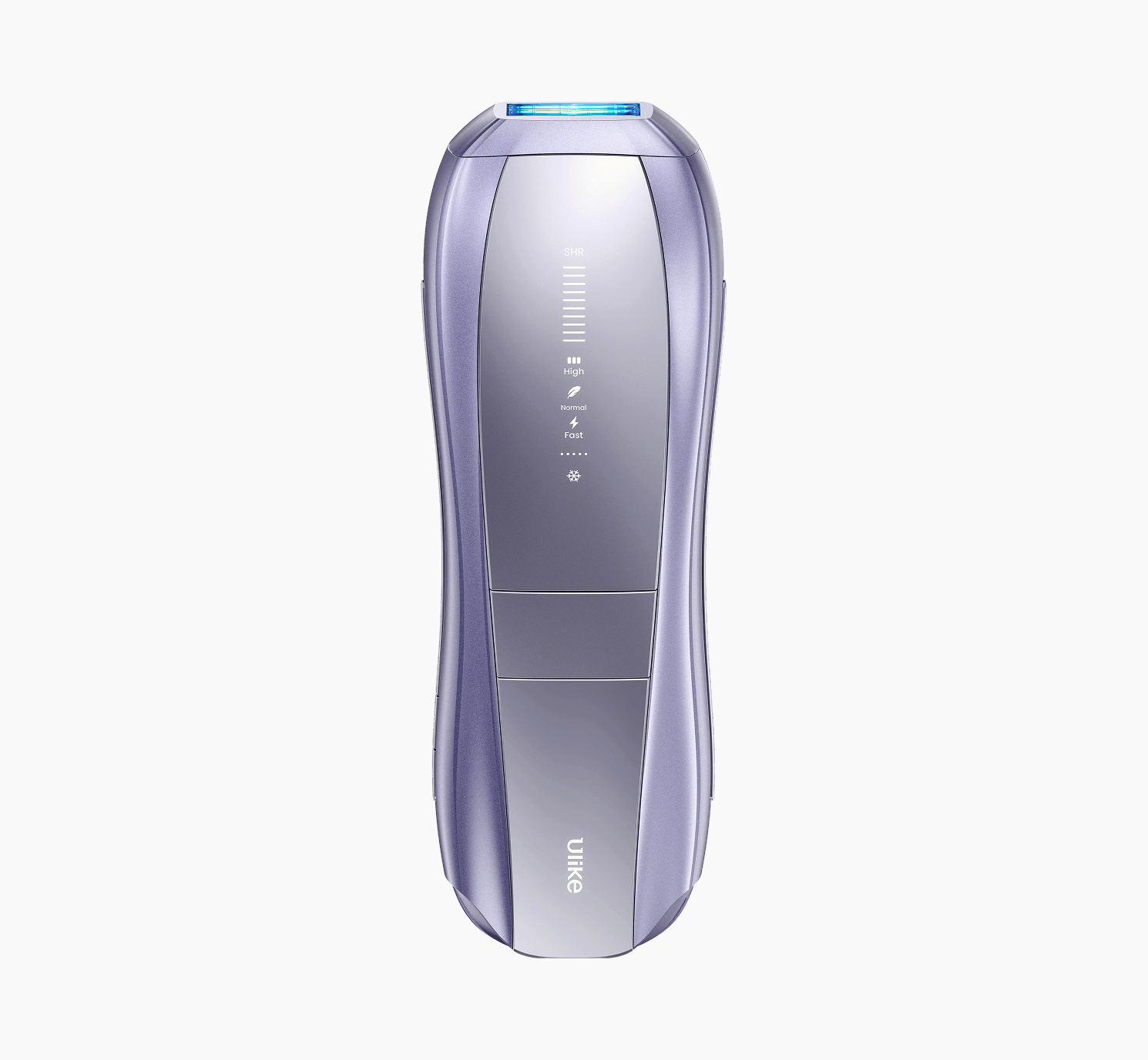
The Ulike X for Underarm Hair Removal
The Ulike Air 10 suits the underarm well for a practical reason: it is built for areas that need treating regularly, not just occasionally.
Consistent treatment is where IPL results actually come from. Missing sessions or using a device that makes the process feel like a task makes it harder to stay on schedule, particularly for a small area that still needs attention every few weeks in the early stages. The Ulike X treats the underarm area quickly, which removes one of the main reasons people fall off a routine.
It is also designed with repeated use in mind. The underarm is not a once-and-done area — it takes several sessions to build noticeable reduction, and the device needs to be suitable for ongoing use on skin that already deals with daily friction and movement.
Over time, as sessions accumulate, regrowth slows. The skin gets longer windows of recovery. The environment that produces ingrown hairs — frequent sharp regrowth, blocked follicles, reactive skin — gradually changes. That shift is gradual, but for people who have been managing underarm ingrown hairs as a regular nuisance, it is a meaningful one.
Starting now, in spring, means that by the time summer arrives the underarm routine will look noticeably different.
A Simpler Routine for Smoother Underarms
IPL works best when it runs alongside a basic maintenance routine rather than replacing one entirely, at least during the treatment course.
Shaving remains the recommended method between IPL sessions. However, since waxing and plucking both require the extraction of the entire follicle in order for IPL treatment to work, shaving is required for the duration of treatment but only using proper technique, a sharp razor, and moisturiser afterward.
With the slowed process of regrowth comes the decreased need to shave. This is more important than one might initially think. Every time there is a decrease in the frequency of shaving, there is less potential for there to be sharp cycles of regrowth, clogged follicles, and ingrown hairs. There is time for the skin to heal.
It is a gradual process, but the direction of travel is straightforwardly better.

Frequently Asked Questions
What causes ingrown hairs in the armpit?
Ingrown hairs in the armpit is usually attributed to shaving, friction, and sweating. With the hair being left blunt from shaving, the regrown hair curls back into the skin, especially if the place experiences movement and sweat.
How do you treat an ingrown hair in the armpit?
Using a hot compress a couple of times per day in conjunction with not picking or squeezing will be the best way to deal with the problem. Allowing the skin to rest without shaving will help, too. Most of the time, ingrown hair issues resolve themselves within one to two weeks.
Are ingrown hairs in the armpit normal?
Absolutely, it’s quite common especially among people who shave on a regular basis. It is normally not harmful and does not require treatment in the majority of instances.
Can IPL help with underarm ingrown hairs?
IPL reduces the frequency and density of hair regrowth over time, which lowers the chances of hair curling back and becoming trapped. It does not treat existing ingrown hairs but is effective at reducing recurrence.
How can I prevent ingrown hairs in my armpits?
Shaving with the direction of growth, exfoliating gently and regularly, using a sharp blade, and moisturising after shaving all help. Reducing overall regrowth frequency through IPL is one of the more effective long-term approaches.
If ingrown hairs under the arm have been a consistent problem instead of a sporadic one, it is less likely a problem with the shaving process and more likely a problem with the growth cycle of the hair itself. Changing the rate of this cycle will change the environment in which ingrown hairs can grow.
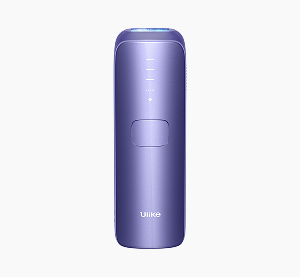
The Ulike Air 10 is built for that kind of consistent, practical use. Efficient treatment speed, suitability for frequently treated areas, and a design meant for ongoing rather than occasional use make it a practical fit for the underarm specifically.

IPL Hair Removal UK: Your Complete Guide to Safe, Effective Treatment at Home and in Salon
How to Patch Test an IPL Device: A Step-by-Step Guide to Safer Hair Removal
How Do You Get Rid of Strawberry Legs? UK Guide
Explore Beauty
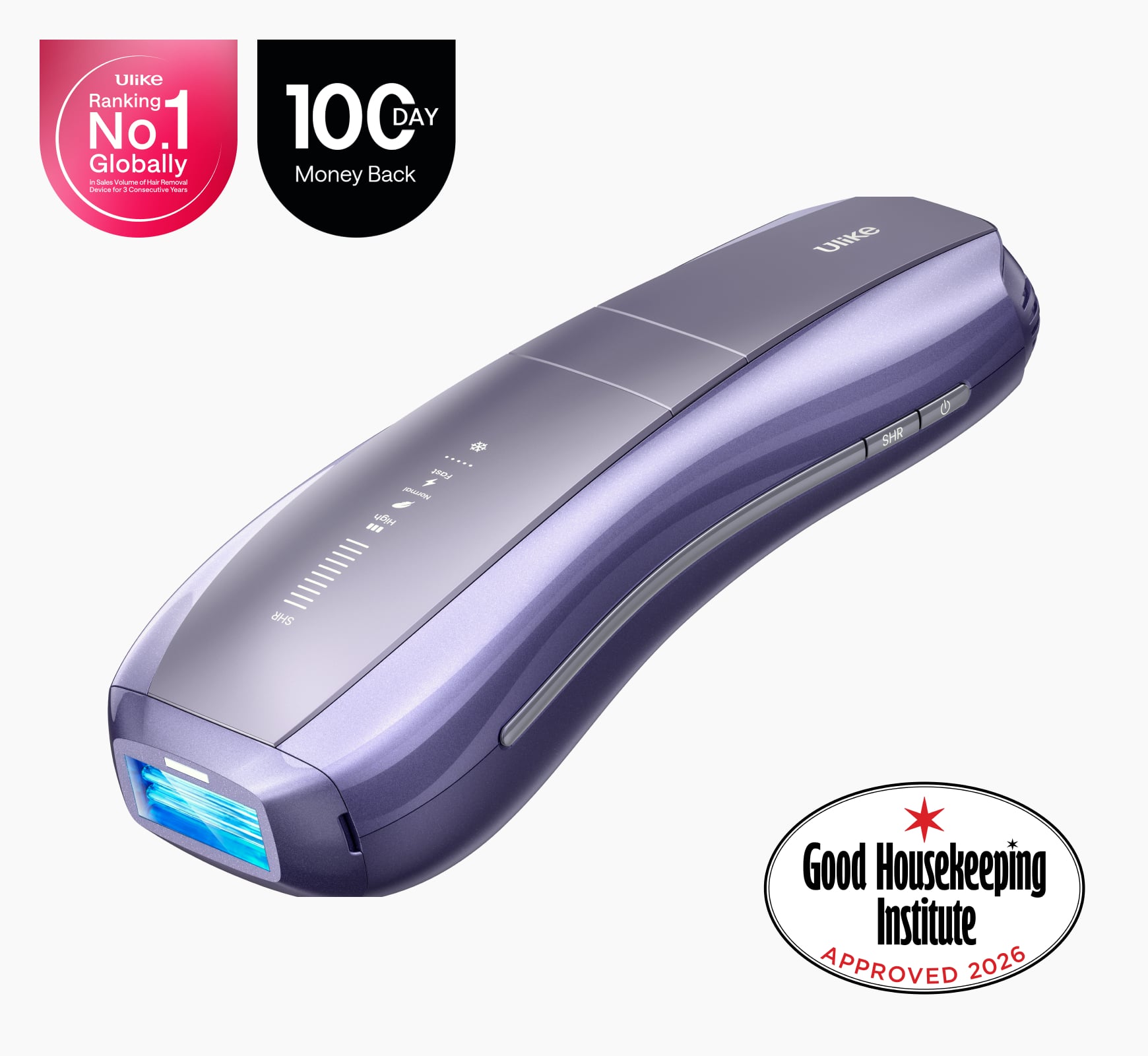
Ulike Air 10
2 weeks to silky smooth skin.
96% Hair Density Reduction in 2 Weeks
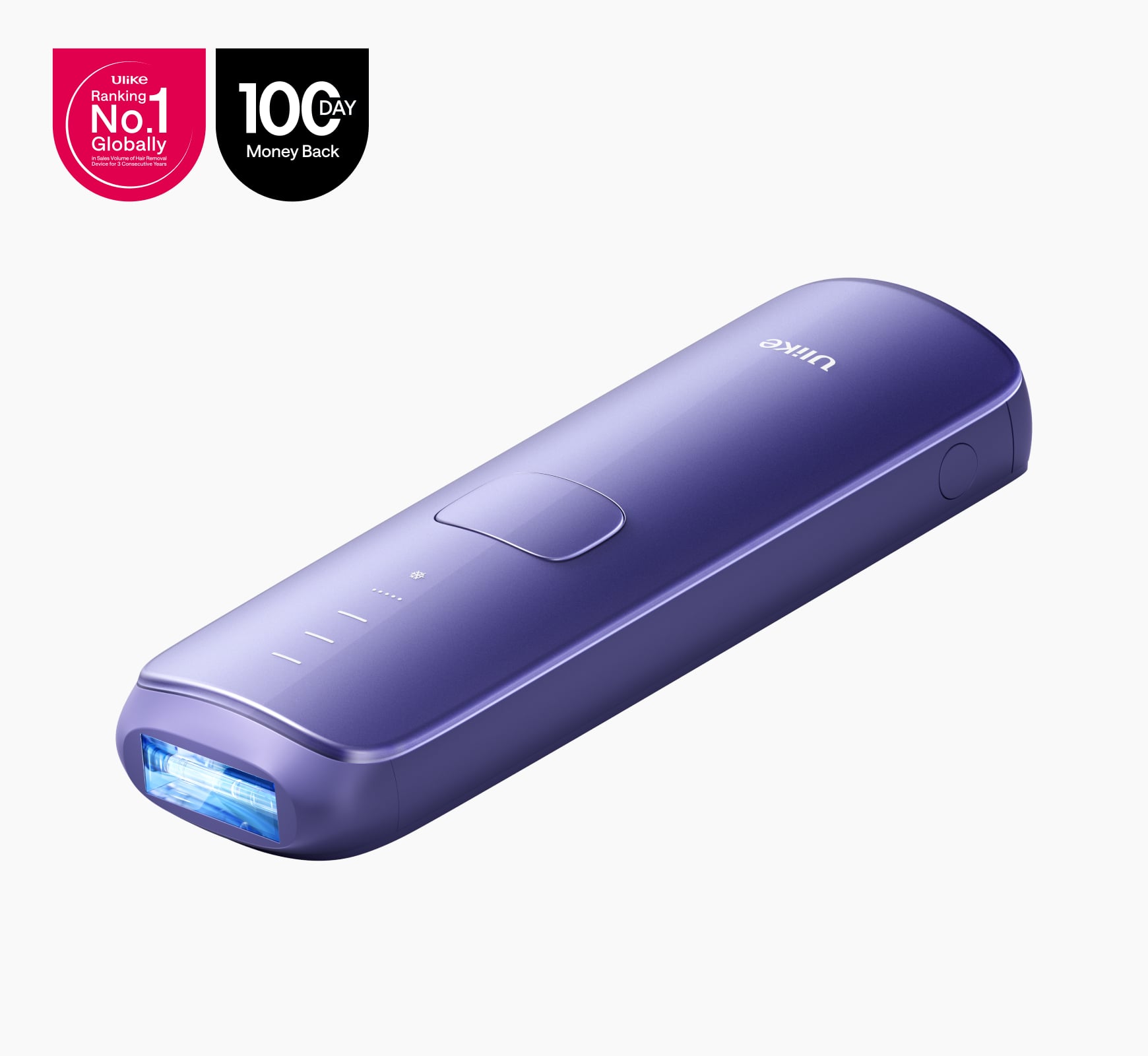
Ulike Air 3
3 weeks to silky smooth skin.
93% Hair Density Reduction in 4 Weeks
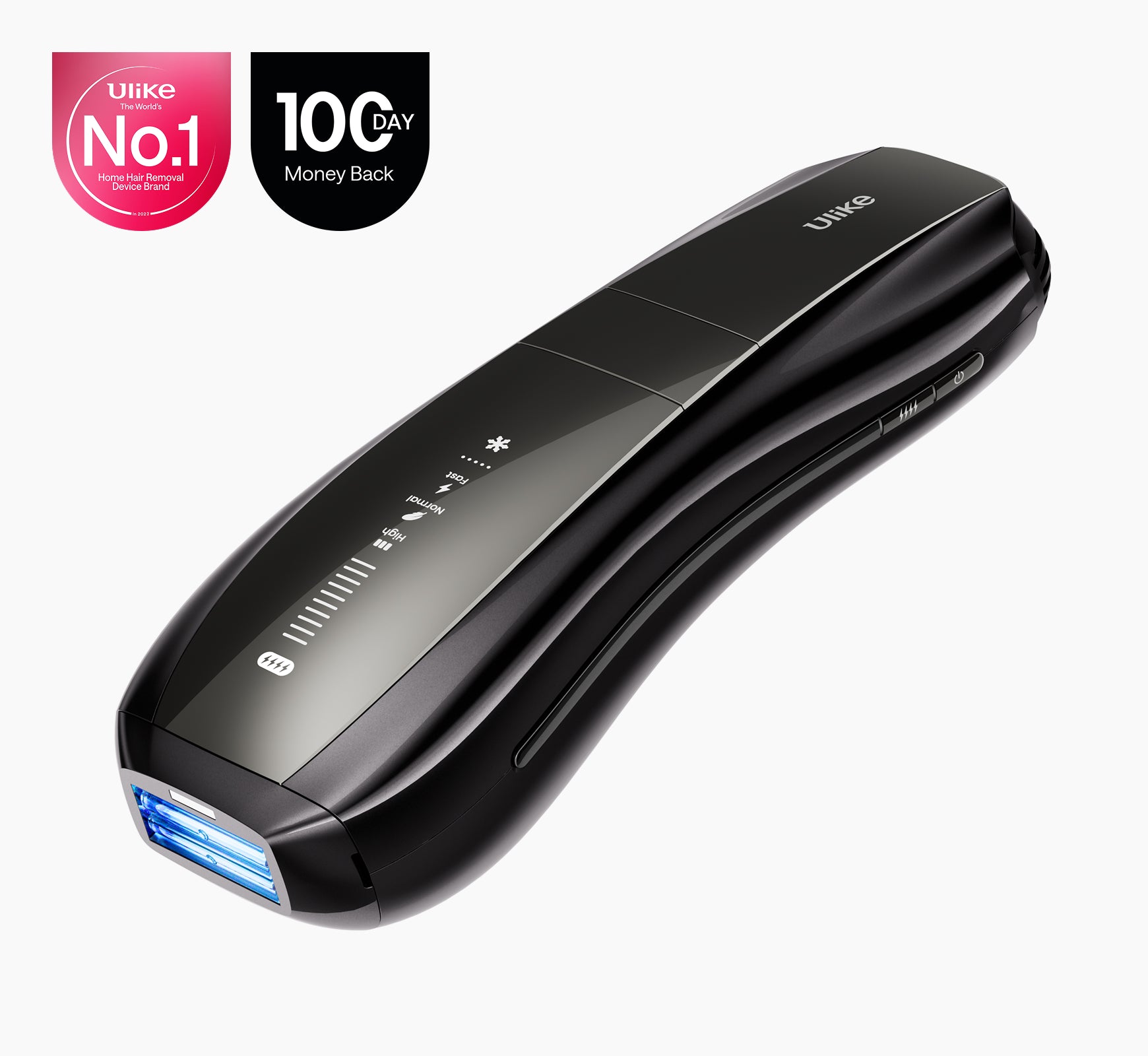
Ulike X
3 weeks to silky smooth skin.
94% hair reduction in just 2 weeks*
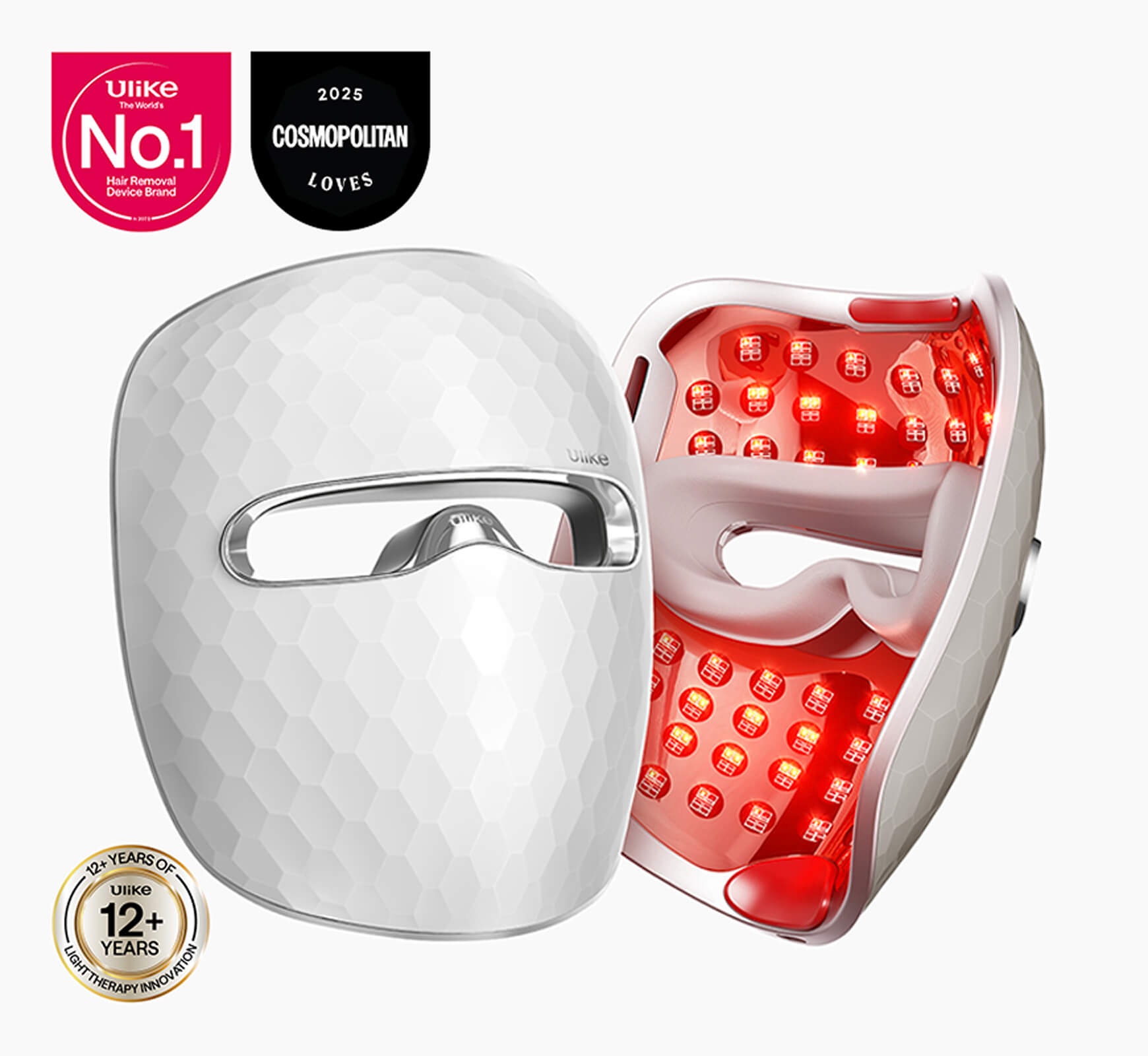
Ulike Reglow
Clearer skin in 2 weeks: Fewer breakouts
Smoother skin in 4 weeks: Fewer lines, firmer feel