





IPL Hair Removal Side Effects: 5 Common Mistakes to Avoid for Safe Results at Home
"IPL hair removal side effects are a common worry for women considering this popular treatment, but is it actually safe?"
Most IPL hair removal side effects are mild and clear up within 48 hours. Temporary redness, slight swelling, and a light sunburn feeling are all normal reactions — and for the majority of people, that is as far as it goes. According to the NHS, most responses to light-based treatments are short-lived when devices are used correctly.
That said, more serious reactions like burns, pigmentation changes, or blistering can happen — usually because of a preventable mistake during preparation or treatment. This guide covers what to expect, what to watch out for, and the five mistakes most likely to cause problems so you can avoid them.
What is IPL Hair Removal?
"What exactly is IPL hair removal, and how does it work to give you smoother skin for longer?"
How IPL Works: The Science Behind the Treatment
IPL uses broad-spectrum light pulses that penetrate the skin to target the melanin (pigment) in your hair follicles. The light energy converts to heat, which damages the hair follicle and disrupts future growth. Over time, this results in finer, thinner hair and, eventually, long-lasting smoothness.
Why IPL is Gaining Popularity in the UK
IPL is becoming increasingly popular for several reasons:
- Non-invasive treatment: No needles, no cuts, just gentle pulses of light
- Long-lasting results: Unlike shaving or waxing, IPL actually reduces hair growth over time
- Cost-effective: At-home devices (£200-£450) eliminate ongoing salon costs
- Convenience: Treat yourself from the comfort of your own home
- MHRA regulation: Devices sold in the UK must meet strict safety standards
What are IPL hair removal side effects?
IPL uses pulses of broad-spectrum light to target the melanin in your hair follicles. The light converts to heat, which disrupts hair regrowth over time. Because this involves heat and light penetrating the skin, some reaction is normal — the key is knowing which reactions are expected and which are a sign something has gone wrong.
Mild side effects — what's normal
IPL treatment side effects usually go unnoticed by patients. They disappear spontaneously in one or two days.
- Redness - The most frequent side effect is similar to sunburn. It resolves spontaneously in 24 hours.
- Swelling - This occurs in the form of small bumps in the hair follicle region. It goes away in 24-48 hours.
- Tingling sensation - This can cause some tenderness or tingling in the treated skin area for a few days.
- Skin dryness or flaking – This can result in minor peeling, like healing from sunburn, which lasts 2–5 days.
- Skin discolouration – The skin becomes darker or lighter temporarily, but it is usually temporary.
- Sun sensitivity – IPL increases sun sensitivity for the first 48 hours. Do not expose yourself to sunlight during this period.
For mild side effects: place a cool pack on the affected area for 10-15 minutes, apply aloe vera gel or fragrance-free moisturiser, avoid hot baths or saunas for 48 hours, and cover the affected area when outside.
Serious side effects — when to be concerned
This condition is rare but typically results from a particular error or skin type. Being aware of the symptoms allows you to react if this problem arises.
- Burning and blistering – reddened and painful areas or small blisters. These affect less than 2% of people and result from too much power being used, treatment of recently tanned skin, or pulses being repeated on the same site.
- Hyperpigmentation or hypopigmentation – dark patches or light patches on the skin. It occurs more commonly in patients with skin tone types Fitzpatrick IV-VI and post-procedure sun exposure.
- Crusting and Scabbing – can result from overheating of the skin following treatment if the skin is not taken care of.
- Scarring – Rare, but may happen in case of improper management of blistering or burning injuries.
- Infection – Uncommon, but may happen if proper aftercare is neglected and the skin barrier is damaged.
Contact a GP or healthcare professional if you notice: blistering or severe burns, redness lasting more than three days, signs of infection such as pus, increasing pain or fever, or significant colour changes that do not fade.
What affects your level of risk
IPL may not work the same for all individuals. There are various individual characteristics that determine how well IPL works on your skin.
- Skin colour – Individuals with darker skin have higher concentrations of melanin. Darker skin therefore absorbs greater amounts of light energy. This raises the probability of burning and hyperpigmentation. Individuals with medium to dark skin types (Fitzpatrick IV-VI) should reduce IPL intensity.
- Hair Colour – The procedure involves focusing on the pigment found in the hair follicles. As a result, blonde, red, and grey hair contain low amounts of melanin; hence, there is not much for the machine to focus on.
- Device settings — starting too high is one of the most common causes of side effects. Always begin on the lowest intensity and increase gradually based on your skin's response.
- Medicines – some medicines can cause photosensitisation, increasing the chances of developing side effects. Examples include specific classes of antibiotics like doxycycline and ciprofloxacin; skin problem drugs, like Roaccutane; hormones; some antidepressants, like St John's Wort; and cardiac problem drugs. Seek advice from your GP before embarking on IPLs when taking drugs.
- Dermatological problems – skin issues such as eczema, psoriasis, rosacea, and even active acne may increase the risks associated with light-based skin treatments.
Who should take extra care
- Pregnancy or Breastfeeding – Skin sensitivity rises because of hormone imbalance in pregnant women. As a result, IPL treatment should be avoided in this condition, which most dermatologists suggest.
- Polycystic Ovarian Syndrome – With the help of light therapies like IPL, women suffering from polycystic ovarian syndrome can achieve a reduction in their unwanted hair growth. But this process might take time for women with hormonal imbalances.
- Tanning or exposure to the sun recently – It means that your skin contains excessive melanin. For this reason, you will need at least 2-4 weeks to get rid of this situation before IPL treatment.
- Absolute contraindications — IPL should not be used if you have active skin cancer in the treatment area, photosensitive conditions such as lupus or porphyria, active infections or open wounds, or a history of keloid scarring in the treatment area.
If you are unsure whether IPL is suitable for you, check with your GP before starting.
5 mistakes that cause IPL side effects — and how to avoid them
The majority of serious IPL side effects are preventable. These are the five mistakes that cause them most often.
Mistake 1: Skipping the patch test
The most straightforward way to determine the safety of IPL on your skin is through a patch test – and also one of the most overlooked tests. Regardless of prior experience with IPL treatment, changes in your skin type, medications, or health status may affect its suitability.
How to do it: carry out the patch test by applying it to a small area of your skin, which is about 2-3 cm in diameter, use the lowest intensity level initially, and leave it for 24-48 hours. If at the end of this period you experience no unusual effects like itching or darkening of your skin, it can be regarded as safe to use.
Skipping this step risks blistering, burns, dark or light patches, and lasting marks – none of which are worth saving five minutes.
Mistake 2: Shaving incorrectly
Since IPL operates based on the presence of pigment in the hair follicle, it follows that there has to be a presence of hair below the skin, without it being visible on top of it. When hair is long or untidy, it ends up absorbing more heat than the follicle can take.
The right approach: shave about 12–24 hours prior to treatment. This ensures that the skin is given enough time to rest after any discomfort caused by shaving. Always shave in the same direction in which hair grows.
Things to avoid: shaving right before the treatment (skin is highly sensitive); letting hair grow too long (there could be burns); waxing or using depilatories several weeks before the procedure (they remove roots, making the treatment ineffective); using an old razor (creates irritations).
Mistake 3: Skipping skin preparation and aftercare
What you put on your skin — or don't put on it — before and after treatment makes a significant difference to how it responds.
Before treatment: stop using retinol, exfoliating acids (AHAs and BHAs), and any strong active skincare at least 48 hours before your session. On the day, cleanse gently with a fragrance-free wash and do not apply moisturiser, deodorant, or perfume to the treatment area. If you use self-tanner, wait at least two weeks before treating.
After treatment: apply aloe vera gel or a fragrance-free moisturiser immediately after. Wear loose, breathable clothing to reduce friction. Avoid hot showers, saunas, sunbeds, and intense exercise for 48 hours. Apply SPF 30+ daily to treated areas, even on overcast days — this is non-negotiable. Skip retinoids and exfoliating acids for at least 48 hours after treatment.
Mistake 4: Overusing the device
Excessive use of IPL when compared to what is advised will not make your hair removal procedure quicker; instead, it will damage the skin. When IPL treatment is performed on the same spot many times, it gives the skin no time to recover, making the procedure even slower.
Follow the recommended treatment schedule:
- Face: every 4 weeks
- Body: every 4–6 weeks
- Sensitive areas (bikini line, underarms): every 6 weeks
If your skin is irritated or overly sensitive, increase the time interval between each session instead of forcing it. A regular and well-spaced programme will provide better outcomes with much less negative impact compared to a harsh programme.
Mistake 5: Not wearing protective eyewear
IPL devices emit intense pulses of light that are strong enough to damage the eyes even with eyelids closed — light passes through. Simply shutting your eyes is not adequate protection. Side effects from unprotected IPL exposure to the eyes range from strain and light sensitivity to, in severe cases, permanent vision damage. The NHS has reported eye injuries from improper use of light-based devices.
Always use the goggles that come with your device. Make sure they have a tight fit without any openings on the side. If you are using your device for facial treatment, make sure to get more protection for the eye region.
Comparing IPL to other hair removal methods
| Method | Pain level | Common side effects | Long-term risks | UK cost |
|---|---|---|---|---|
| IPL (at home) | Mild (2–4/10) | Redness, sensitivity | Rare pigmentation changes | £200–£450 (device) |
| Waxing | High (7–9/10) | Redness, bumps, bruising | Ingrown hairs, skin damage | £25–£60 per session |
| Shaving | Low (1–2/10) | Razor burn, nicks | Ingrown hairs, irritation | £20–£50 per year |
| Professional laser | Moderate (4–6/10) | Redness, swelling | Pigmentation changes | £100–£300 per session |
| Epilating | High (6–8/10) | Redness, ingrowns | Skin damage, scarring | £50–£150 (device) |
What to expect week by week
| Timeframe | What’s normal | See a GP if |
|---|---|---|
| 0–2 hours | Redness, warmth, slight swelling | Severe pain, immediate blistering |
| Day 1–2 | Mild sensitivity, small bumps | Spreading redness, pus |
| Day 3–7 | Light flaking, reduced sensitivity | Darkening or lightening patches |
| Week 2+ | Hair shedding, smoother skin | Persistent discolouration |
Frequently asked questions
How long do IPL side effects last?
Mild side effects like redness, swelling, and tenderness will usually disappear within 24-48 hours. Skin sensitivity may be reduced within one week. Severe side effects like skin discolouration could require several weeks to heal.
Is redness after IPL normal?
Yes. A sunburn-like sensation is among the common and predictable outcomes of IPL treatment. The symptoms will generally disappear within a few hours or up to 24 hours. However, if there is an increasing redness, consult a physician immediately.
Can IPL cause permanent skin damage?
Permanent damage can happen, but only in rare cases where the mistake was made by the operator through the wrong use of the settings, the unsuitability of the colour of the skin being treated, or neglecting post-treatment guidelines.
Is IPL safe for darker skin tones?
IPL is highly effective for people having a fair- to medium-skin colour (Fitzpatrick type I–III). Individuals with medium to darker skin colours (Fitzpatrick types IV-VI) are prone to suffering from skin burns or changes in their skin pigment due to increased absorption of energy by their skin. If you have darker skin, start with the minimum settings.
Can I use IPL if I'm pregnant or breastfeeding?
Most dermatologists and IPL manufacturers recommend avoiding treatment during pregnancy and breastfeeding. Hormonal changes increase skin sensitivity and can affect how the skin responds to light-based treatment.
What medications should I avoid before IPL?
Photosensitising drugs consist of specific antibiotics (doxycycline, ciprofloxacin), isotretinoin (Roaccutane), certain types of antidepressants (St John’s Wort), and cardiovascular drugs. You have to ask for a professional opinion from your GP if you use any of the above.
What should I put on my skin after IPL?
Use a fragrance-free moisturiser or aloe vera gel immediately after treatment. Avoid perfumed products, retinoids, and exfoliating acids for at least 48 hours. Apply SPF 30+ to treated areas daily.
When should I see a GP after IPL?
Seek medical advice if you experience blistering or burns that are not improving, redness lasting more than three days, signs of infection (pus, increasing pain, or fever), or persistent pigmentation changes.
Is IPL Hair Removal Worth the Risk?
Yes, provided one has a fair to medium skin tone and dark hair and is willing to go through the required preparation and post-procedure process. Side effects can be controlled, the level of risk is low provided the equipment is used as directed, and compared to frequent waxing or expensive laser treatments, this product offers great long-term benefits in terms of time and money.
It is not recommended for individuals with extremely dark skin tones, light or grey hair, or those who are pregnant/breastfeeding or under treatment with phototoxic drugs.
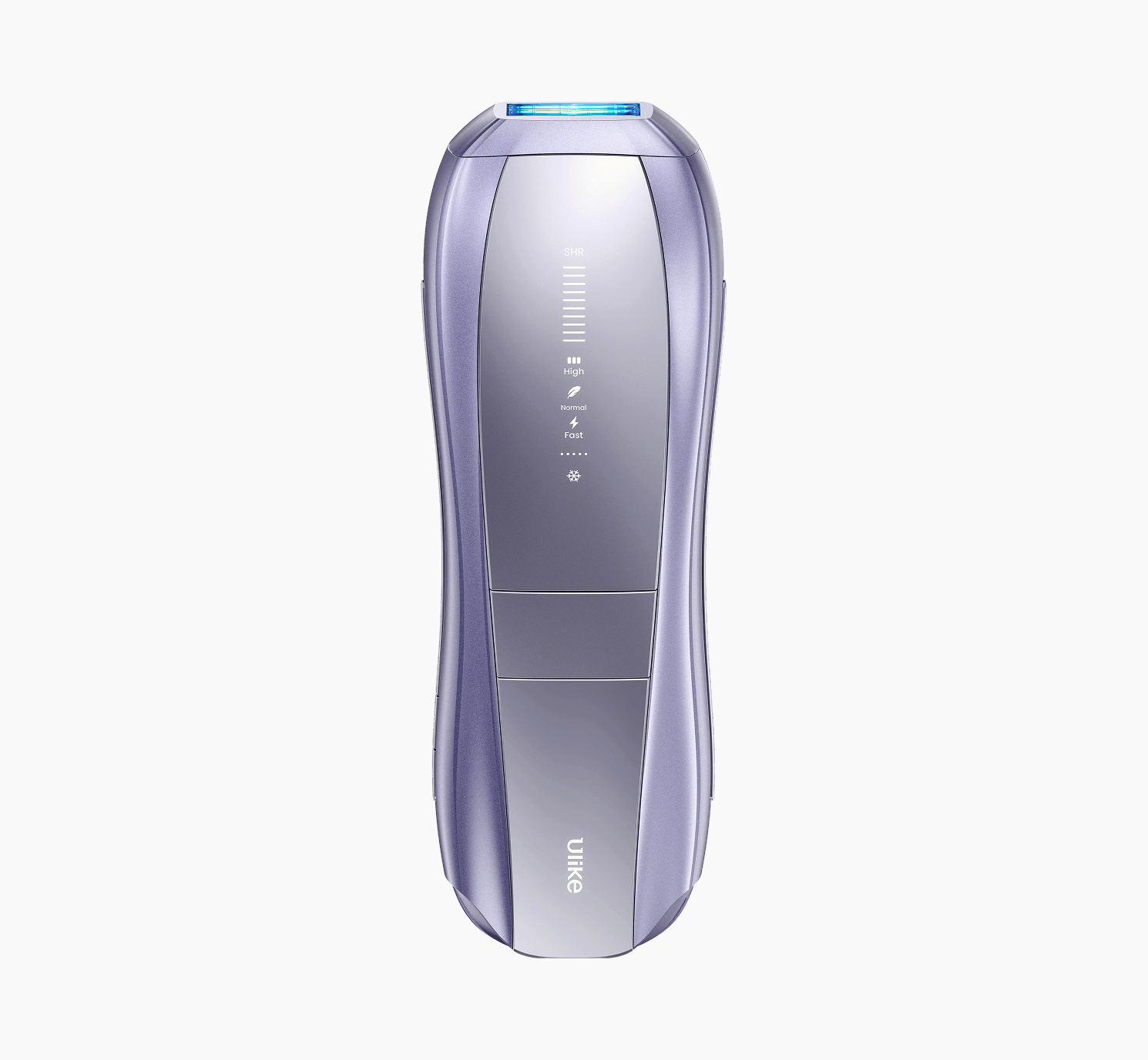
If you are ready to start, Ulike's Air 10 includes a built-in skin tone sensor and dermatologist-tested cooling technology to help reduce discomfort and minimise the risk of burns – making it one of the safer at-home options for UK users.
If you're sick of the endless routine of shaving, waxing, or plucking, IPL (Intense Pulsed Light) hair removal could be just what you need.
Related readings



Dermaplaning vs IPL vs Waxing: Results, Pain, Cost and How to Choose
Upper Lip vs Chin vs Sideburns: How IPL Works Differently Across Your Face

Female Facial Hair: Causes, What's Normal, and How to Remove It for Good
Explore Beauty
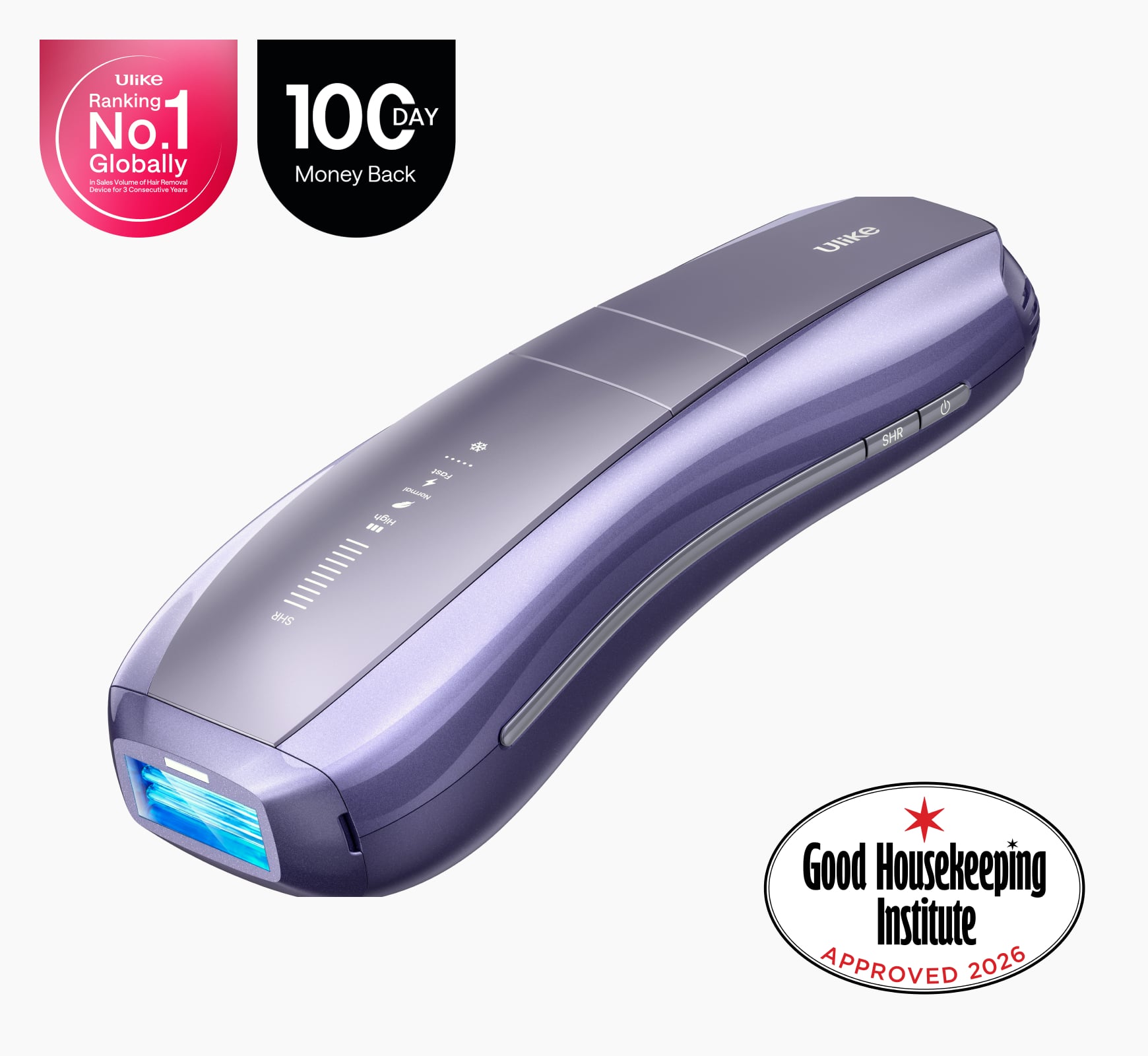
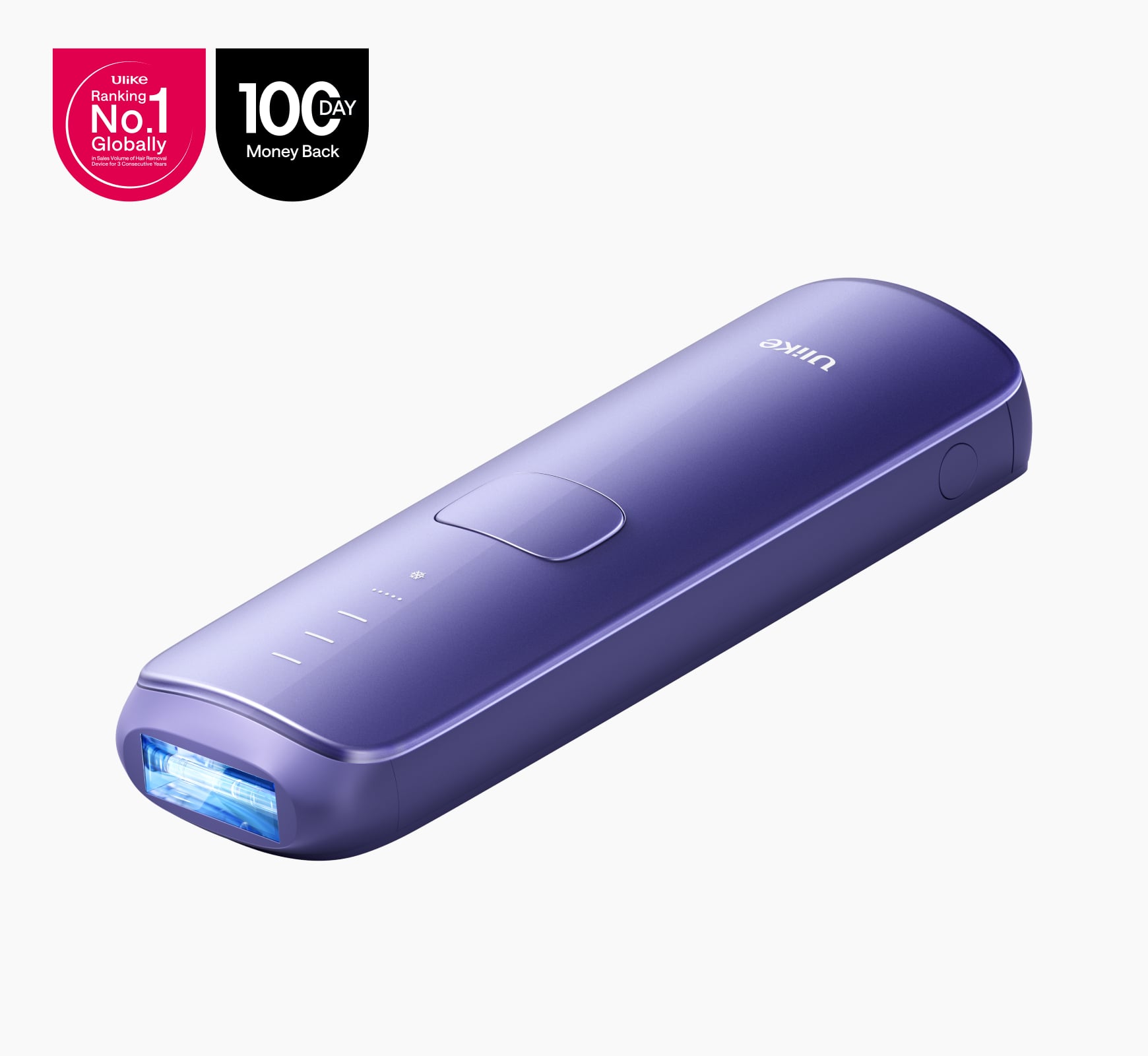
Ulike Air 10
2 weeks to silky smooth skin.
96% Hair Density Reduction in 2 Weeks
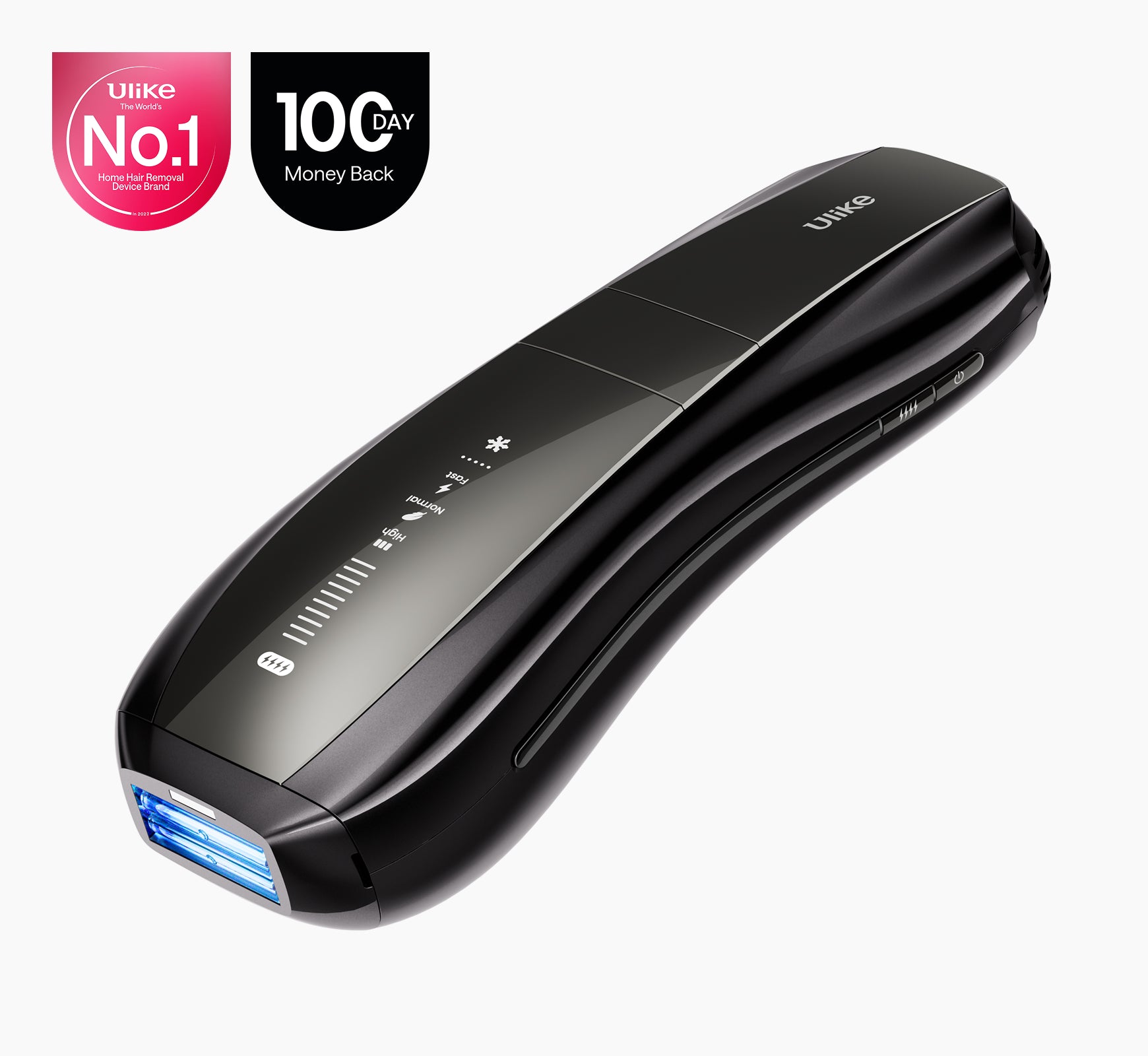
Ulike Air 3
3 weeks to silky smooth skin.
93% Hair Density Reduction in 4 Weeks
Ulike X
3 weeks to silky smooth skin.
94% hair reduction in just 2 weeks*
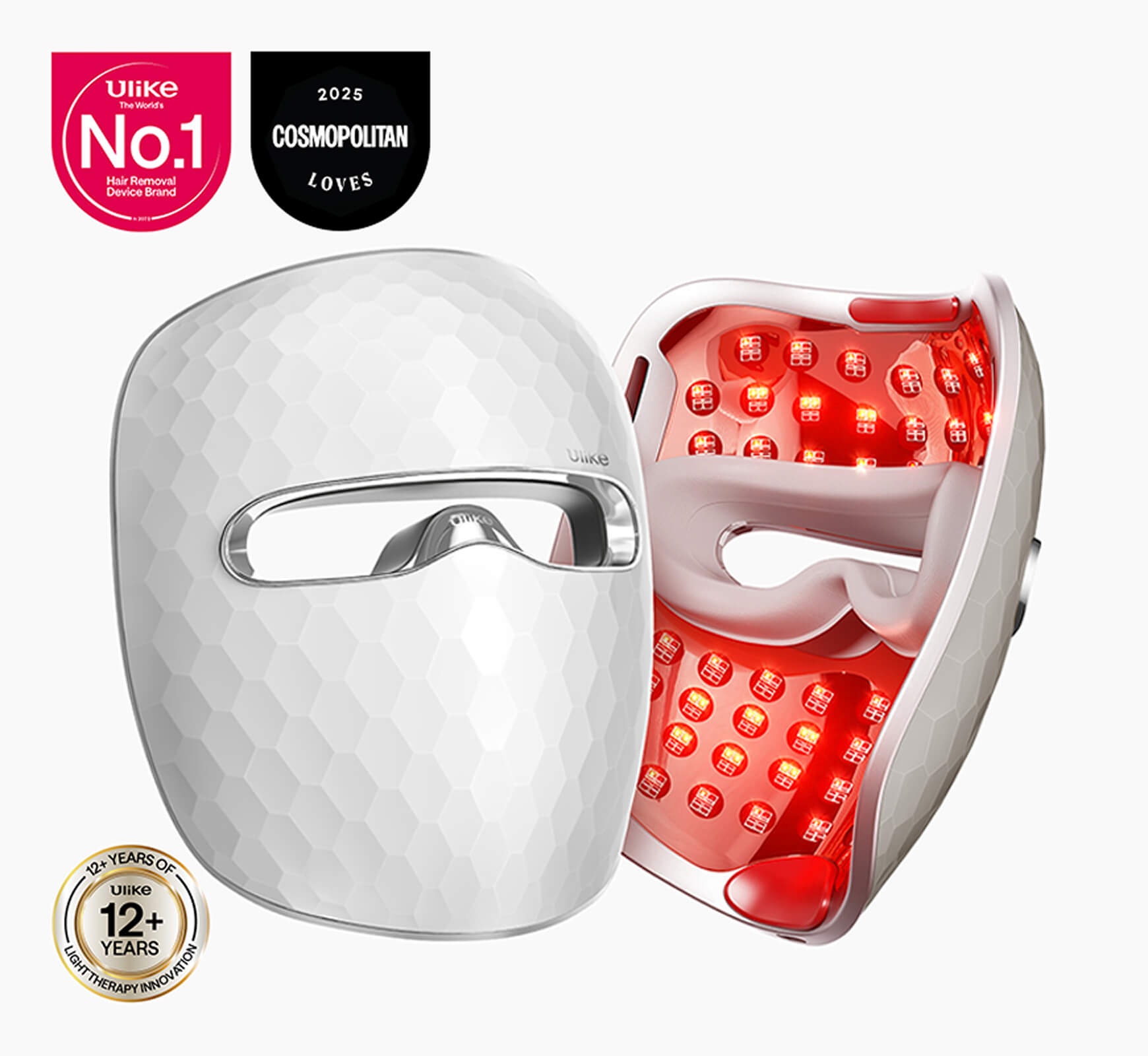
Ulike Reglow
Clearer skin in 2 weeks: Fewer breakouts
Smoother skin in 4 weeks: Fewer lines, firmer feel