






PCOS Facial Hair: Causes, Treatments and the Best Removal Options in the UK
PCOS Facial Hair: To live with PCOS, or polycystic ovary syndrome, can certainly be challenging. This condition not only interferes with your hormones and your menstrual cycles but may impact your mental well-being too. What makes PCOS particularly difficult for some women is the issue of facial hair. The hair on their chin that grows back denser each time they pluck it, or the mustache that appears despite their best efforts to remove it by waxing. While this condition does not cause any harm to your health, it can significantly affect your self-confidence.
You are far from alone. According to the NHS, around 70 out of 100 women with PCOS will experience unwanted hair growth at some point. That is a lot of people quietly battling with tweezers and razors every week. This guide is here to make things easier. We will look at why PCOS facial hair happens, what doctors recommend, every hair removal method worth knowing about, and how to feel more confident in your own skin.

Why Does PCOS Cause Facial Hair?
PCOS hair on the face is a result of the imbalance of hormones. In case of PCOS, women tend to have more production of hormones known as the androgens. Women normally produce these androgens in small quantities, but with PCOS, the level of production is increased. As a result, extra hair grows where it should not, especially around the face.
This growth usually tends to be thicker and darker than the thin, fine hair referred to as "peach fuzz" that women have. Hirsutism is the medical term used to refer to such a condition. This may not be a life-threatening situation, but it is a psychologically tough one to handle.
Why Does PCOS Cause This?
Androgens attach themselves to hair follicle receptors and change the soft and thin vellus hair to terminal hair. An enzyme referred to as 5 alpha-reductase changes testosterone into another androgen, DHT (dihydrotestosterone). This type of androgen is much stronger when compared to other androgens, and therefore stimulates hair growth.
This also explains why the hair keeps coming back quickly after removal. The hormonal signal is still there, continuously stimulating new growth.

Medical Treatments for PCOS Facial Hair
In cases where PCOS facial hair seems to be getting out of control, your first stop should be your general practitioner or an endocrinologist. While medications target the hormone imbalance at the heart of the problem, instead of addressing the visible hair itself, it does not necessarily mean that you need to resort to taking drugs for your facial hair.
The Pill (Combined Oral Contraceptive)
Use of combined oral contraceptives could assist with balancing the hormones as well as limiting the actions of the androgens. In the long term, the drug would help reduce hair production as well as thinning the hair that is already present.
Anti-Androgen Medications
Spironolactone and other medicines work by blocking androgen effects in hair cells. This results in lighter hair and reduces the diameter of hair shafts. They cannot be used in case you are pregnant or planning a pregnancy.
Eflornithine Cream (Vaniqa)
Eflornithine is a medication that is available in cream form and can be applied topically to the face. The drug cannot eliminate hair growth but prevents the growth of new hair by blocking an enzyme that facilitates the process. This medication is best taken in combination with another method of removing hair since it only delays the process.
Metformin
For women whose PCOS is driven by insulin resistance, metformin can help regulate insulin levels. Improving insulin sensitivity often improves overall hormonal balance, which can reduce symptoms including excess hair growth.
Lifestyle Adjustments
While lifestyle modification will not address PCOS facial hair, it will complement hormone control through the treatment method you choose to use:
- Consumption of food high in fiber, vegetables, lean protein, and whole foods will help with insulin resistance.
- Physical activity helps with hormone control and general health.
- In some cases, just a slight reduction of 5% body weight has been known to alleviate PCOS symptoms in some women.
None of the above alone can get rid of the hair on your face; however, they will help enhance the effectiveness of any other method you may choose.

Hair Removal Methods for PCOS Facial Hair: A Complete Comparison
Despite undergoing medical intervention, the majority of PCOS patients have no choice but to take care of their facial hair themselves. It is all about determining the right treatment for your skin type, colour of hair, financial capacity, and patience level. This is an unbiased list of all options available.
At-Home IPL (Intense Pulsed Light)
Best for: Dark hair on light to medium skin tones. Women who want long-term reduction without clinic costs.
In IPL technology, the light pulses emitted have wide spectra that target the melanin content in the hair shaft. When the hair absorbs the light, it turns into heat and destroys the follicle until there is no hair regrowth. Eventually, this results in finer and fewer hairs.
In treating PCOS facial hair, IPL therapy is quite effective since the hair is mostly thick and pigmented, and can easily be targeted using light therapy. Several studies have indicated that after six IPL sessions, similar efficacy and safety were achieved in individuals both with and without PCOS.
PCOS patients usually require more treatments than non-PCOS women since high levels of androgens continually act upon follicles. Here is a sample regimen that is practical:
- Weeks 1-3: Three treatments per week with no less than a 48-hour interval between treatments
- Weeks 4-8: Two treatments per week with slowing regrowth of hair
- After eight weeks: monthly or bimonthly maintenance treatments
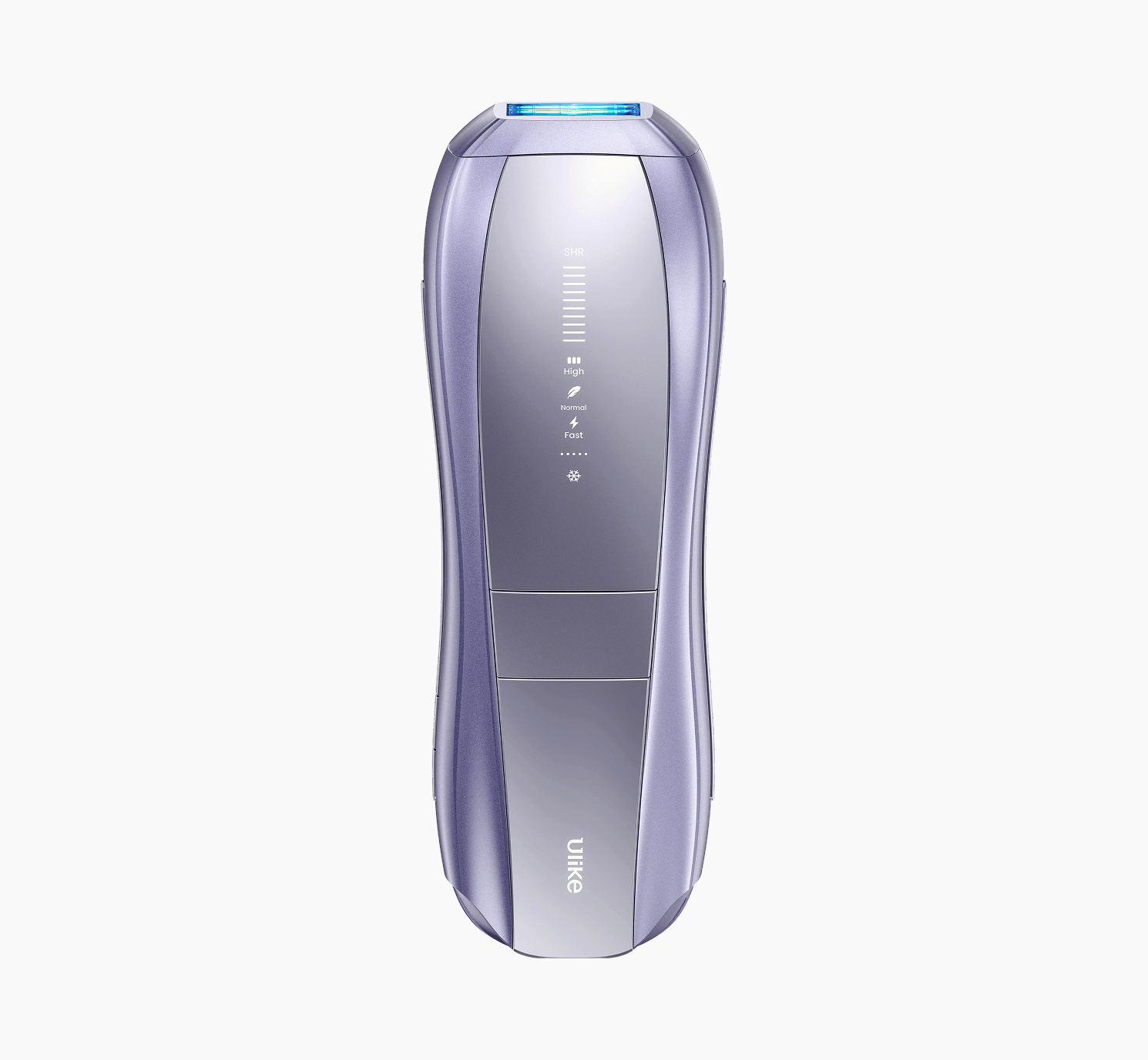
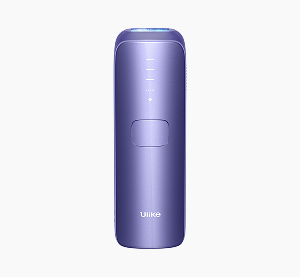
The Ulike Air 10, equipped with Sapphire Ice Cooling technology, is designed for such consistency. The cooling pad maintains the skin temperature at approximately 18 degrees Celsius while in use, rendering it pleasant enough to facilitate consistent usage. PCOS patients have testified that visible results in terms of reduced hair on their chins and upper lips have been observed between two and four weeks of use.
Pros: Cost-effective long-term, comfortable, can be done at home, clinically tested. Cons: Requires consistency over weeks and months. Less effective on light, red, grey or white hair. Not suitable for very dark skin tones without checking suitability first.
Professional Laser Hair Removal
Best for: Women who want faster, more powerful results and are willing to invest in clinic treatments.
Laser hair removal by professionals, especially using Alexandrite (755 nm) or diode lasers, is highly recommended as the best light source treatment for PCOS-induced facial hairiness. In a randomised controlled study,
it was shown that the Alexandrite laser was more efficient in reducing facial hairiness than IPL. With professional equipment, energy levels are increased compared to home-use devices, making treatment more efficient and requiring fewer visits.
Women with PCOS typically require 6 to 10 clinic sessions, compared to 4 to 6 for non-hormonal hair. Sessions are usually spaced 4 to 6 weeks apart. Because PCOS drives ongoing hormonal stimulation of follicles, maintenance sessions every few months are often still needed.
Cost: Approximately £25 to £125 per session in the UK depending on the clinic and area treated.Pros: Faster and more powerful than at-home IPL.
Cons: Expensive over time, requires clinic visits, not permanent for PCOS hair due to ongoing hormonal activity.
Electrolysis
Best for: Any skin tone or hair colour, including light and grey hair. Women who want genuinely permanent removal.
Electrolysis is the only hair removal technique that has received FDA approval for hair removal. In this process, a fine needle is introduced into each hair follicle, and an electric current is passed to destroy the follicle roots. As against laser or IPL, electrolysis treatment does not depend upon the pigment of the skin.
For PCOS facial hair, electrolysis is particularly valuable for smaller, targeted areas like the chin and upper lip, and for anyone whose hair colour makes light-based treatments unsuitable. It is slower than laser because it treats one follicle at a time, but the results are permanent.
Cost: Typically several hundred pounds per treatment area over a full course.
Pros: The only truly permanent option, works on all hair colours and skin tones.
Cons: Time-consuming, can be uncomfortable, expensive in total.
Waxing and Threading
Best for: Women who desire rapid but short-lived removal that lasts for two to six weeks.
The hair removal process using waxing or threading will yield smoother results than shaving since these processes remove the hair at the roots. Waxing in particular is recommended for women with PCOS as it is applied to the hair and not the skin.
Neither waxing nor threading reduces or slows down hair regrowth. In the case of hair growth caused by PCOS, you will require an appointment every two or three weeks, resulting in high costs and time investment. This process may irritate your skin, cause redness, and create ingrown hairs, particularly on delicate facial skin.
Advantages: Widely available, low cost, quick, and effective.
Disadvantages: Short-lived effects, frequent visits, and skin irritation.
Shaving and Dermaplaning
Best for: Instantaneous, painless day-to-day treatment.
It is a myth that shaving causes hair to come back quicker and coarser than before. The reason behind this myth is due to the fact that after shaving, the blunt end feels stiffer than a naturally tapered end. For facial hair removal in cases of PCOS, using a razor and applying the correct gel or cream is an entirely harmless process.
The second alternative, dermaplaning, is very similar, but instead removes the facial hair along with the layer of dead skin cells on your face.
Advantages: Painless and quick procedure, relatively cheap.
Disadvantages: Hair regrows rapidly; needs daily or two-times-a-day maintenance.
Depilatory Creams
Best for: As an immediate and painless replacement for shaving with slightly better longevity.
Depilatory creams contain chemicals that dissolve hair follicles right underneath the skin. This method offers better results than shaving but is not permanent, lasting from one to two weeks at most. Depilatories for the face are milder compared to those for the rest of the body but could irritate the skin, especially sensitive ones, and must always be patch-tested.
Strengths: No pain, low cost, convenience.
Weaknesses: Odor, skin irritation, temporary results.
| Method | How it works | Lasts | PCOS suitability | Approx. cost |
|---|---|---|---|---|
| At-home IPL (e.g. Ulike Air 10) | Light damages follicle | Months with maintenance | Excellent for dark hair, light–medium skin | One-off device cost |
| Professional laser | Targeted laser damages follicle | Months, top-ups needed | Very good, more sessions needed | £25 to £125 per session |
| Electrolysis | Electrical current destroys follicle | Permanent | Excellent, all hair/skin types | Several hundred per area |
| Waxing / threading | Removes hair from root | 2 to 6 weeks | Good short-term | £10 to £30 per session |
| Shaving / dermaplaning | Cuts hair at surface | Days | Good for maintenance | Low |
| Depilatory cream | Dissolves hair shaft | 1 to 2 weeks | Moderate | Low |
Does IPL Work for PCOS Facial Hair?
Yes, IPL can significantly reduce PCOS facial hair with consistent use. Because PCOS hair tends to be dark and coarse, it responds well to light-based treatment. The important thing to understand is that IPL manages rather than cures the hormonal driver. Elevated androgens can continue to stimulate new follicle activity, which is why top-up sessions are still needed after the initial treatment course.
That said, users with PCOS consistently report meaningful results. Verified Ulike users with PCOS have described going from shaving their chin daily to needing only occasional touch-up sessions after eight to ten weeks of consistent use.
One customer shared: "I have PCOS and this removed my stubborn chin hairs. They are finally gone and I only have to use the Ulike on my face once a week. This is huge for me."
For the best results with PCOS, combining IPL with any hormonal treatment your doctor has recommended will help slow the stimulation of new follicles at the same time as IPL reduces existing ones.
How Many Sessions Will I Need for PCOS Facial Ha
This is perhaps the most frequently asked question, and it depends on your hair texture, skin color, and if you're trying to tackle hormonal imbalance along with your PCOS.
For at-home IPL, a typical timeline looks like this:
- Weeks 1 to 3: Three sessions per week
- Weeks 4 to 8: Two sessions per week
- Weeks 9 onwards: Monthly or bi-monthly top-ups
Women who have PCOS begin seeing results after 3-4 weeks with thinner hair regrowth, with noticeable hair thinning occurring within 8-12 weeks. The fact that androgens are capable of waking up dormant hair follicles means that women who suffer from PCOS must be prepared to undergo maintenance treatment for an indefinite period, something that is simpler to do at home.
When opting for laser therapy, expect six to ten sessions that should be done four to six weeks apart and maintenance therapy thereafter as required. As for electrolysis, the length of the process varies depending on the site and density of the hair, though usually after about one year you can see a substantial permanent difference.

Skincare and Confidence Tips
Managing PCOS facial hair does not only involve removing it. Looking after your skin and your mindset matters too.
Skin aftercare: Regardless of the technique used, ensure that your skin remains hydrated and shielded from UV rays. Apply an SPF 30 or greater sunscreen on a daily basis, especially when undergoing light therapy, since your skin will be extra sensitive.
Reducing redness and irritation: Cold compresses, aloe vera gel, and soothing serums without fragrance can help soothe irritated skin after waxing or threading. Do not apply makeup immediately after waxing.
For ingrown hairs: Exfoliation twice or thrice per week, once the area is no longer sensitive, prevents hair from growing inwards. Products containing salicylic acid or glycolic acid work best for this purpose.
On the emotional side: PCOS facial hair is really difficult to manage. The emotions associated with it are legitimate and include being frustrated, embarrassed, and self-conscious.
A number of women feel more comfortable speaking out to the PCOS community, whether that be via Verity (the foremost PCOS charity in the UK at verity-pcos.org.uk), online support groups, or even support groups themselves.


FAQs About PCOS Facial Hair
Can IPL permanently remove PCOS facial hair?
IPL significantly reduces hair density and thickness with consistent use, but because PCOS creates ongoing hormonal stimulation of follicles, the results need to be maintained with periodic top-up sessions. Many women with PCOS find their hair becomes thin enough to manage with once-monthly sessions after completing the initial course.
Does shaving make PCOS facial hair grow back thicker?
Wrong. It is only a misconception. Shaving does nothing to the structure of hair except cutting it blunt at the tips, which will make you feel like your hair is rough. There will be no difference in the texture or colour of the hair after shaving.
What does the NHS recommend for PCOS facial hair?
As per the NHS, one should consult their general practitioner about taking hormones like the combined pill and anti-androgens. In addition, the NHS states that laser hair removal might be provided by the NHS in certain areas of the United Kingdom. Similarly, the use of eflornithine cream is prescribed by the NHS to help prevent unwanted facial hair growth. Moreover, the NHS states that one should select an appropriate method depending on their skin type.
Is IPL safe for darker skin tones?
IPL is most effective on lighter to medium skin tones with dark hair. Very dark skin tones can absorb too much light energy, which risks burning. Check the skin tone chart for any device before purchasing. Electrolysis is the recommended alternative for women with darker skin tones as it does not rely on pigment contrast at all.
How long does it take to see results with at-home IPL for PCOS?
It normally takes about three to four weeks for most women to observe signs of thinning hair after continuous usage. It is estimated that hair loss will become evident between eight to twelve weeks. The first treatment cycle normally takes eight to twelve weeks, after which monthly treatments follow.
Can I use IPL at home on my face if I have PCOS?
Yes, provided you check that your skin tone and hair colour are within the recommended range for the device. Facial attachment heads and lower intensity settings are designed for use on more sensitive facial skin. The Ulike Air 10 includes a facial mode specifically for this.
Should I combine IPL with my PCOS medication?
The combination of IPL or laser hair removal with hormonal therapy is often more successful than just one procedure. Hormones decrease the stimulation for hair growth, whereas the laser/IPL targets the current hair follicle. Please do not alter your therapy programme without first consulting with your GP.
Will PCOS facial hair ever stop on its own?
It should be noted that, sometimes, facial hair may lessen on its own when PCOS symptoms are effectively controlled or when there are any changes in hormonal balance, as may happen in menopause. Nonetheless, in most cases, it is recommended to take care of facial hair actively using the suggested approaches.
At what age does PCOS hair growth start?
PCOS facial hair often shows up in the late teens or early twenties, around the same time as irregular periods or acne. For some women, it can start earlier or later depending on hormone levels.
Is it normal to feel embarrassed about PCOS facial hair?
Absolutely. Many women feel self-conscious, but remember it’s a common symptom and not your fault. Talking about it and finding a routine that works for you can take away a lot of the stress.
Key Takeaways
PCOS facial hair is probably one of the most prevalent symptoms of this condition, and for many women, it can become very emotionally difficult as well. This is due to high levels of androgen that promote the development of thicker and quicker hair growth in places associated with masculine patterns.
The most effective strategy for most women combines a medical consultation to explore hormonal management with a consistent long-term removal method. For dark hair on lighter skin, at-home IPL provides a cost-effective route to significant, lasting reduction. Professional laser offers faster and stronger results at higher cost. Electrolysis remains the only truly permanent option and works for all hair colours and skin tones.
Regardless of the approach that you adopt, what counts is the consistency. PCOS induced hair growth is difficult to control, but the methods available for handling it are equally tenacious.
This article is intended as general information and does not constitute medical advice. If you are concerned about PCOS or facial hair growth, please speak to your GP or a qualified healthcare professional.
Related Readings on PCOS Facial Hair



Does Waxing Cause Ingrown Hairs?

Ingrown Hairs in Pubes: Why They Keep Coming Back
Painful Ingrown Hair Cyst: Causes, Treatment, and When to Be Concerned
Explore Beauty
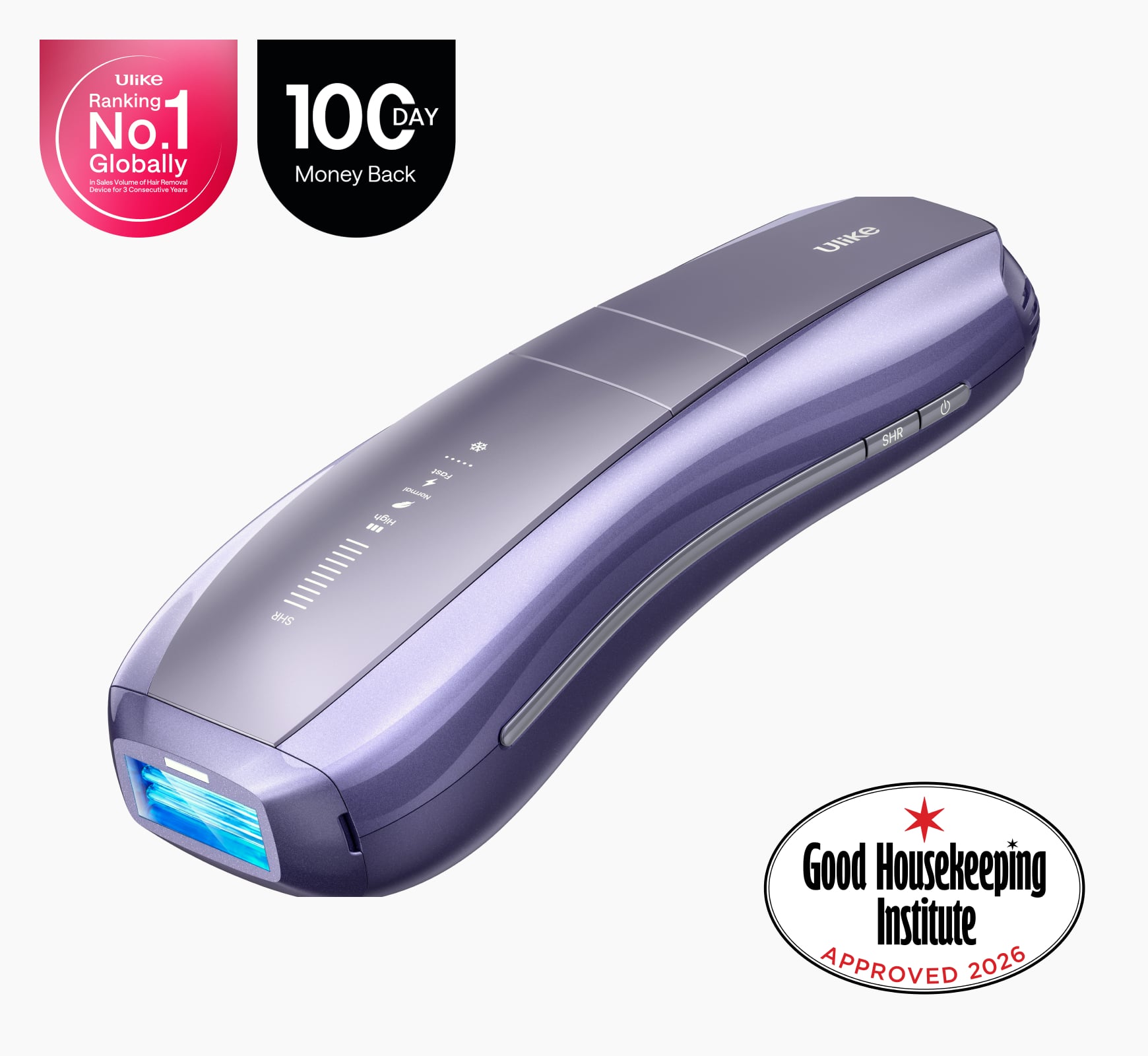
Ulike Air 10
2 weeks to silky smooth skin.
96% Hair Density Reduction in 2 Weeks
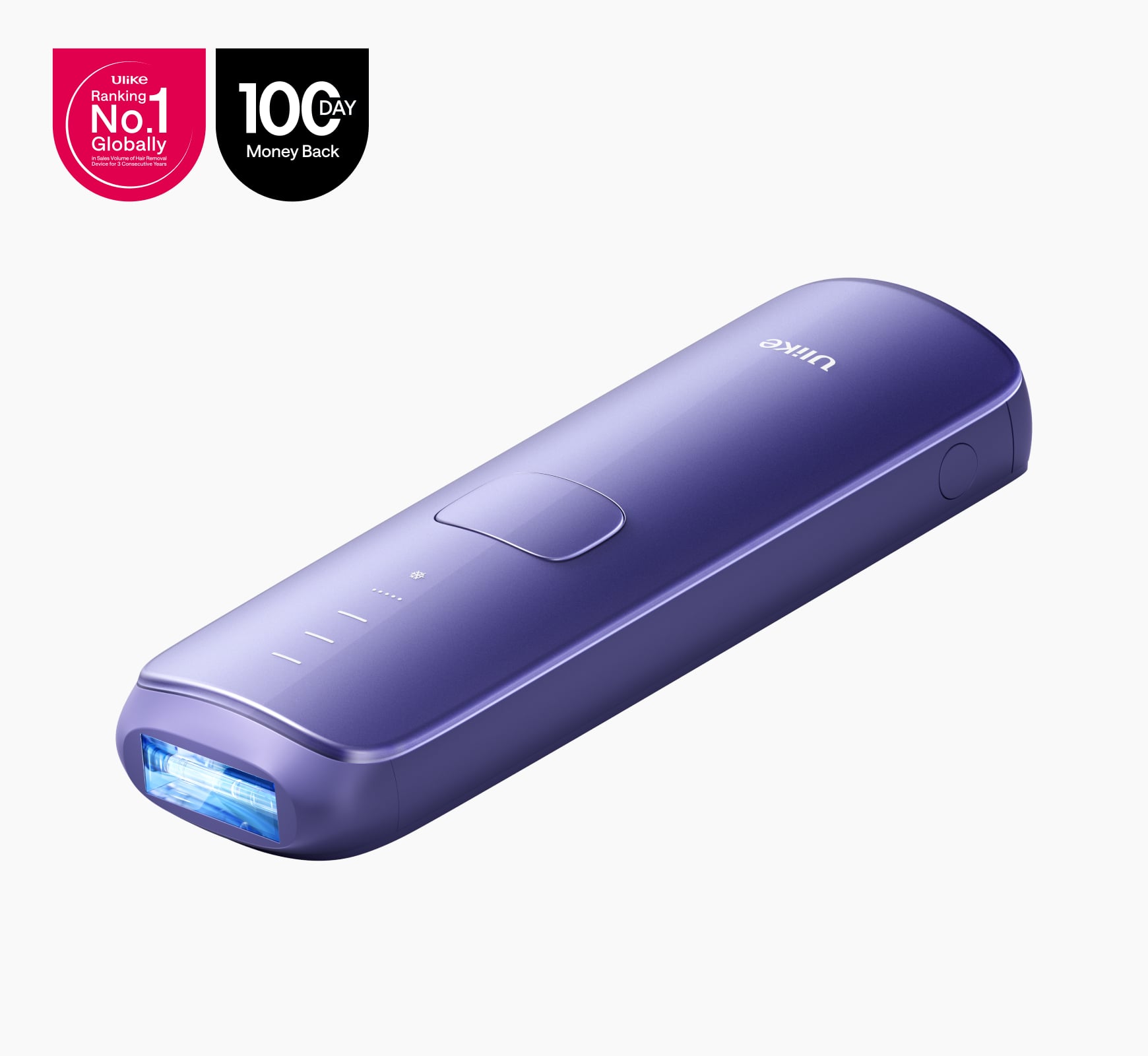
Ulike Air 3
3 weeks to silky smooth skin.
93% Hair Density Reduction in 4 Weeks
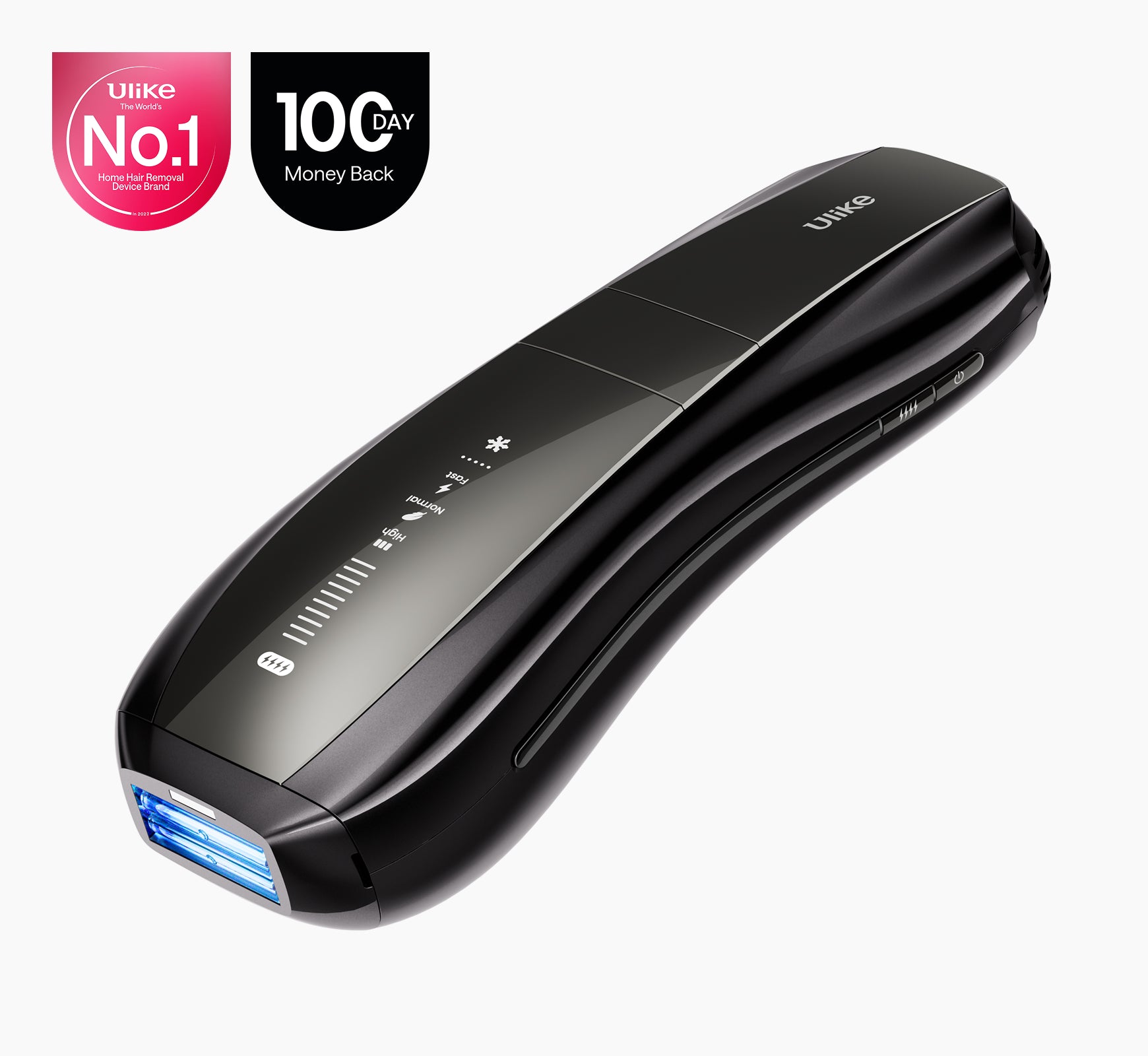
Ulike X
3 weeks to silky smooth skin.
94% hair reduction in just 2 weeks*
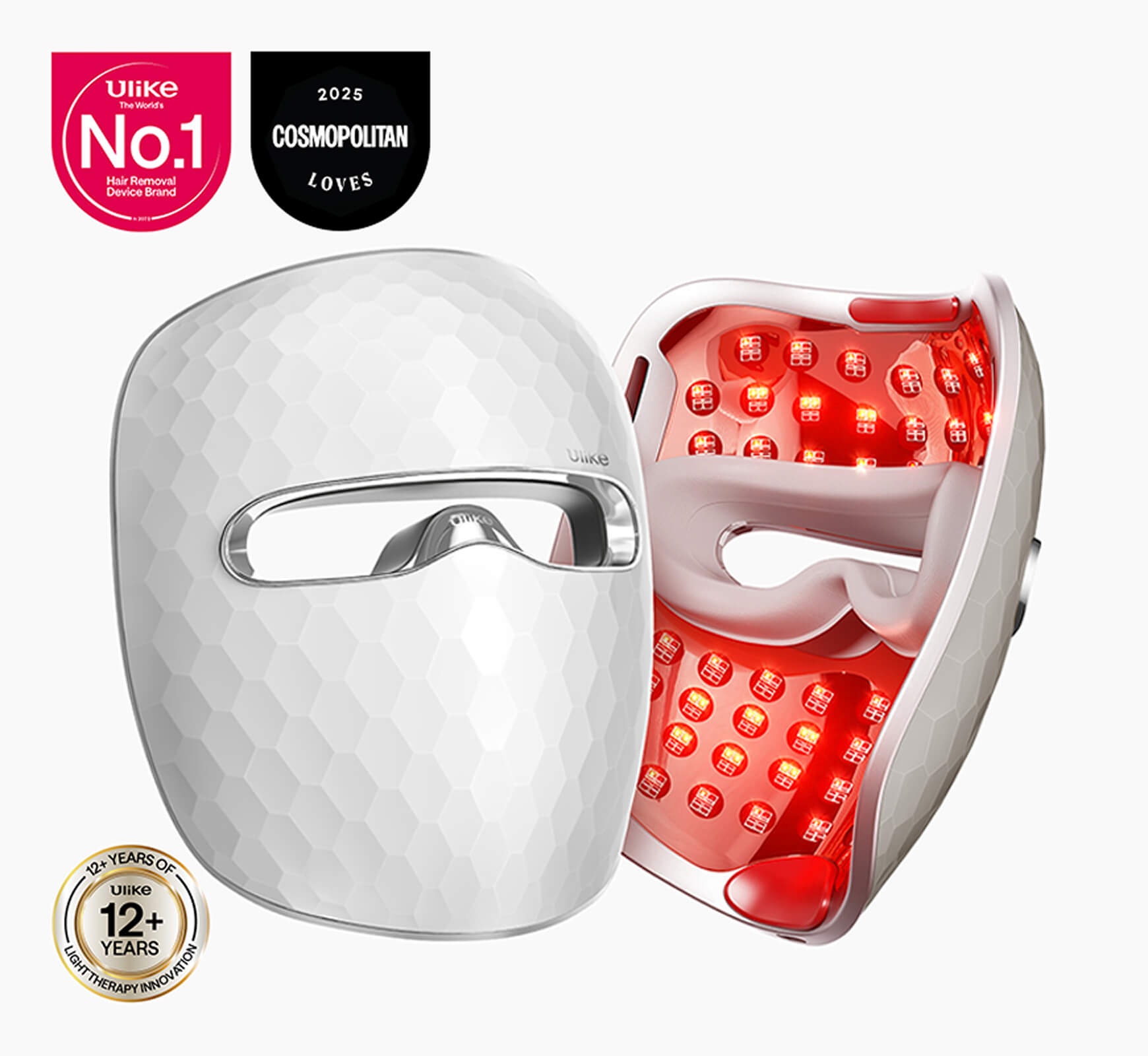
Ulike Reglow
Clearer skin in 2 weeks: Fewer breakouts
Smoother skin in 4 weeks: Fewer lines, firmer feel