



7 Post Laser Hair Removal Care Tips: Do’s & Don’ts (UK)
Laser hair removal has become one of the most popular ways to get long-term smooth skin in the UK. Whether you’ve booked a course at a clinic or just finished your first session, what you do afterwards matters just as much as the treatment itself. Proper post laser hair removal care helps your skin heal quickly, keeps irritation to a minimum, and gives you the best chance of seeing lasting results.
In this guide, you’ll learn exactly how to look after your skin once you leave the clinic chair. From simple soothing tricks like using a cool compress, to knowing when to avoid hot showers or the gym, these tips are designed to fit into real life. We’ll also touch on advice specific to the UK, such as why you still need SPF even when the skies are grey, and when it might be best to check in with your GP or follow NHS guidance.
By the end, you’ll know the do’s, the don’ts, and the small daily habits that can make your laser journey smoother and safer.

Post Laser Hair Removal Care: What Should You Do?
Post laser hair removal care helps reduce irritation and protects treated skin while it recovers. The most important steps are to keep the area cool and gentle, protect it from UV exposure, avoid excessive heat and friction, and follow the aftercare instructions provided by your laser clinic.
The right aftercare can vary depending on the laser used, treatment area and your skin's response, so your clinic's specific instructions should take priority.
How Can You Soothe Your Skin After Laser Hair Removal?
Cool compresses can help soothe warmth and mild redness after laser hair removal. Apply a clean, cool compress for short periods rather than placing ice directly on the skin.
Wear loose, breathable clothing around treated body areas to minimise friction while the skin is sensitive.
How Should You Protect Your Skin From the Sun After Laser Hair Removal?
Protect treated skin from excessive sun exposure after laser hair removal because recently treated skin can be more sensitive to UV exposure. Use broad-spectrum sunscreen as directed by your clinic and cover treated areas when practical.
Avoid deliberate tanning and follow your clinic's instructions about when it is safe to resume normal sun exposure.
How Long Should You Avoid Hot Showers, Saunas and Exercise?
Avoid excessive heat and activities that cause heavy sweating immediately after laser hair removal, and follow your clinic's recommended timeframe. Lukewarm showers are a gentler option while treated skin feels warm or irritated.
This includes activities such as:
- Hot baths and showers
- Saunas and steam rooms
- Hot tubs
- Intense exercise
- Hot yoga

Can You Moisturise After Laser Hair Removal?
You can generally moisturise after laser hair removal once your clinic's instructions allow it, using a gentle, fragrance-free moisturiser on treated skin. Avoid products that sting or contain potentially irritating ingredients while the skin is recovering.
How Long Should You Avoid Tanning After Laser Hair Removal?
Avoid sunbeds and deliberate tanning after laser hair removal and follow your clinic's advice about when you can safely resume tanning. This includes both UV tanning and fake tan, as recently treated skin may be more sensitive.

Can You Wax or Pluck After Laser Hair Removal?
Avoid waxing, plucking or other methods that remove the hair from the root between laser sessions unless your treatment provider specifically tells you otherwise. These methods can interfere with the hair follicle that the laser is intended to target.
Shaving is generally the preferred way to manage regrowth between laser treatments, but follow your clinic's instructions.
When Can You Exfoliate After Laser Hair Removal?
Wait until treated skin has settled before exfoliating, then use a gentle approach if your clinic recommends it. Avoid harsh scrubs, abrasive tools and potentially irritating products while the skin remains sensitive.

What Are the Normal Side Effects of Laser Hair Removal?
Mild redness, warmth, swelling around the hair follicles and temporary tingling or itchiness can be normal after laser hair removal. These reactions usually settle as the skin recovers, but the severity and duration can vary depending on the treatment and your skin.
Common short-term reactions include:
- Redness: Treated skin may look mildly flushed or resemble a light sunburn.
- Follicular swelling: Small areas of swelling around individual hairs can occur after treatment.
- Warmth or tingling: The treated area may feel warm or tingly for a short time.
- Mild itchiness: Temporary itching can occur as the skin settles.
Gentle aftercare can help keep these reactions comfortable. Cool compresses, gentle moisturising when appropriate, and avoiding excessive heat or friction can help while the skin recovers.
When Are Side Effects Not Normal?
Blistering, burns, severe or worsening pain, significant swelling or persistent changes in skin colour are not typical mild after-effects and should be assessed by a healthcare professional or your treatment provider.
When Should You Seek Medical Advice After Laser Hair Removal?
Contact your laser treatment provider or seek medical advice if you develop severe pain, blistering, burns, significant swelling or unusual changes in skin colour after treatment. These symptoms may indicate a stronger skin reaction that needs assessment rather than routine aftercare.
You should also seek advice if:
- Symptoms are getting worse rather than improving.
- Skin damage appears significant.
- You are concerned that a reaction is not settling as expected.
- You develop signs of infection, such as increasing pain, swelling or discharge.
If you are unsure whether a reaction is normal, contact the clinic that performed your treatment for advice. For more serious or persistent symptoms, speak with a healthcare professional.
Day-by-Day Recovery Timeline (Ulike Exclusive)
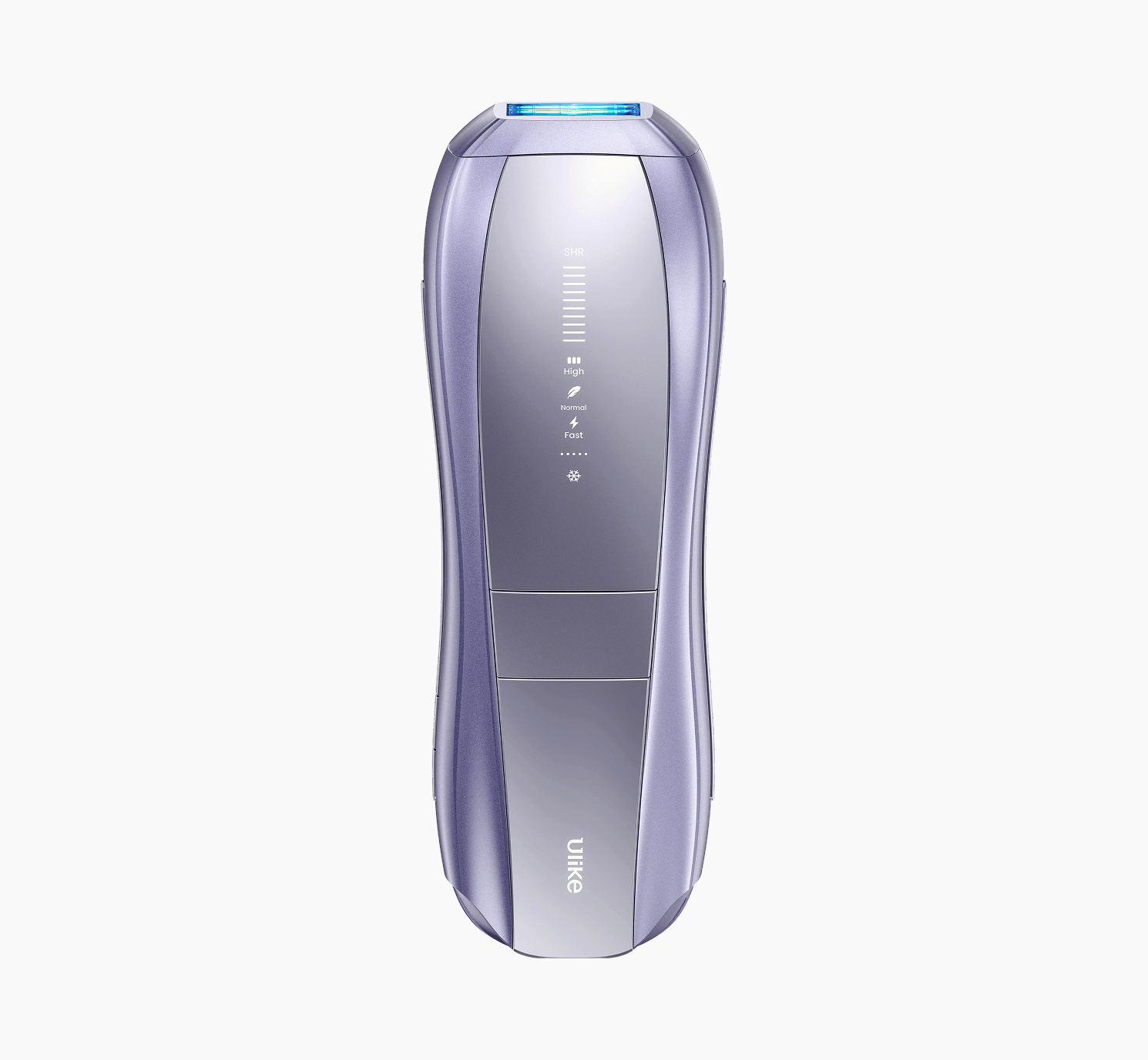
Everyone’s skin reacts slightly differently, but most people follow a similar pattern of recovery after professional laser hair removal. These stages are also helpful to keep in mind if you are using an at-home IPL device like Ulike, since the skin still needs gentle care between sessions.
Day 1–2:
- Skin may look red or feel warm, a bit like mild sunburn.
- Avoid makeup, perfume, or deodorant on the treated area.
- Stick to cool showers and loose clothing.
Day 3–5:
- Redness and irritation should start to settle.
- Gentle moisturisers can be used to keep the area hydrated.
- Avoid the gym, hot yoga, or anything that causes heavy sweating until the skin feels calm.
Week 1–2:
- Hairs begin to shed naturally.
- You can start gentle exfoliation around day 5 to 7.
- Keep using SPF daily, even if it’s cloudy outside.
Ongoing care:
- Stay consistent with sun protection and hydration.
- Shaving between sessions is fine, but avoid waxing or plucking.
- Follow your treatment schedule for the best results, whether at a clinic or with an at-home IPL device.
FAQs on Laser Hair Removal Aftercare in the UK
Can I moisturise after laser hair removal?
Yes, you can generally moisturise after laser hair removal, but use a gentle, fragrance-free moisturiser and follow your clinic's aftercare instructions. Avoid products that sting or contain ingredients that may irritate recently treated skin.
Can I wear makeup the next day?
You can usually wear makeup once the treated skin has settled, provided there is no significant redness, irritation or skin damage. If your clinic gives you a specific waiting period, follow its advice.
How long after laser hair removal can I shower?
You can generally shower after laser hair removal, but use lukewarm rather than very hot water while the skin is sensitive. Avoid hot baths, saunas and steam rooms for the period recommended by your treatment provider.
How long after laser hair removal can I fake tan?
Leave at least one to two weeks before using fake tan. Applying it too soon can block pores and cause patchiness.
How do I speed up shedding after laser hair removal?
Start gentle exfoliation about five to seven days later. A soft mitt or mild scrub helps treated hairs fall out naturally.
How many sessions until I see results?
Most people see results after two to three sessions. Full, long-lasting reduction usually needs six to eight treatments.
Can I Shave After Laser Hair Removal?
Yes, shaving is generally preferable to waxing or plucking between laser hair removal sessions because it does not remove the hair from the follicle. Wait until your skin has settled and follow your clinic's instructions about when to shave.
Final Thoughts on Post Laser Hair Removal Care
Good post-laser hair removal care is simple: protect the treated skin from excessive sun and heat, keep it comfortable with gentle skincare, and follow your clinic's specific aftercare instructions. Avoid picking, harsh exfoliation and other treatments that could irritate the skin while it recovers.
Mild redness, warmth or sensitivity can occur after treatment, but severe pain, blistering, burns or unusual skin changes should be assessed by your treatment provider or a healthcare professional.
Following the right aftercare consistently can help you protect your skin while you complete your laser hair removal course.
Related Readings
- Laser Hair Removal Prep: How to Prepare Your Skin for the Best Results
- Laser Treatment for Rosacea & Laser Hair Removal Safety in the UK
- My Laser Hair Treatment Aftercare: What I Wish I Knew
- Should You Exfoliate Before or After Shaving?
- IPL Hair Removal Side Effects
- Best IPL Hair Removal Devices and Laser Machines in the UK for 2025
- Avoid Laser Hair Removal Burns
- Avoid These 5 Mistakes That Lead to IPL Hair Removal Side Effects

Can You Use IPL on Freckles? | Safety & Hair Removal
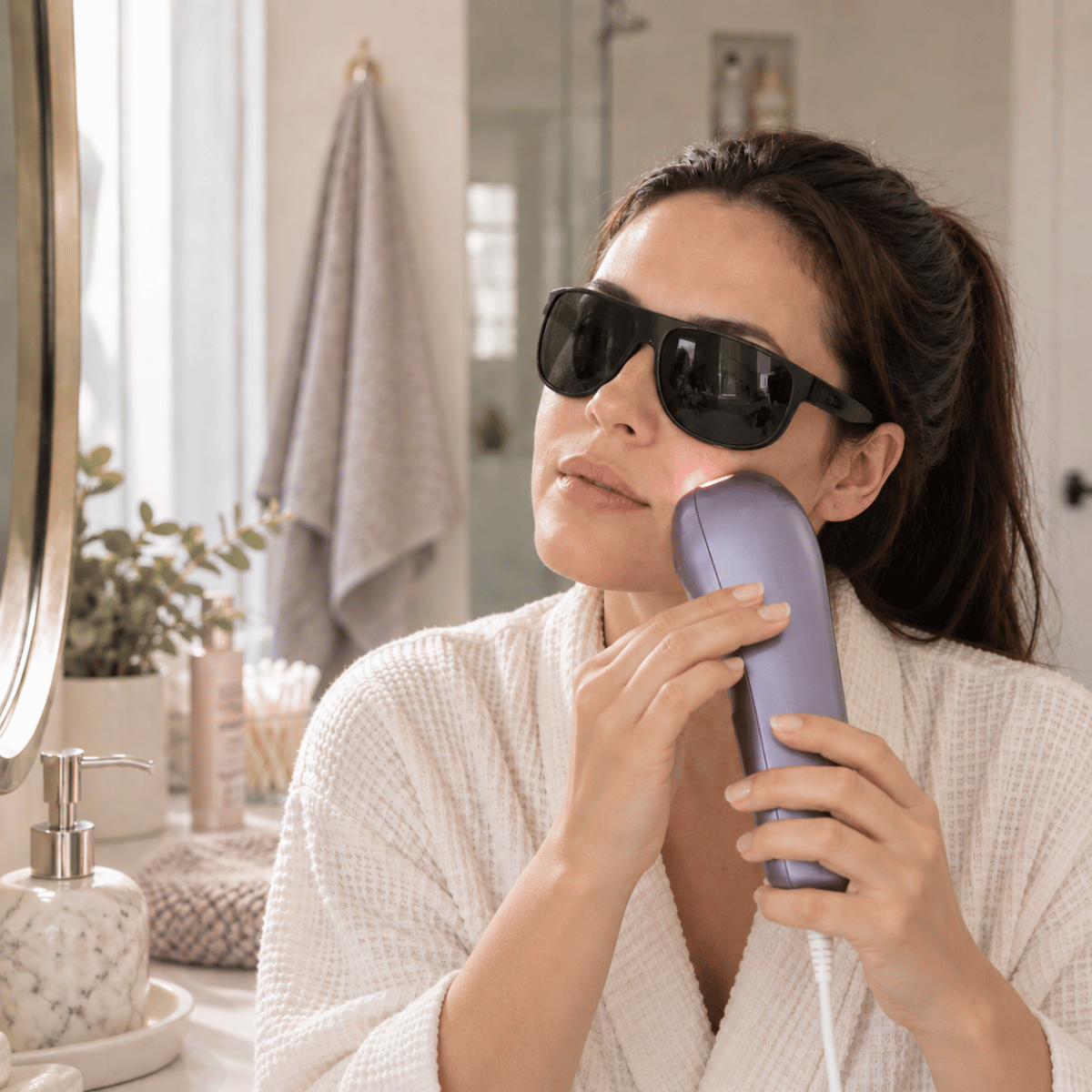
Can You Use IPL on Your Face Every Day? How Often Should You Use It?
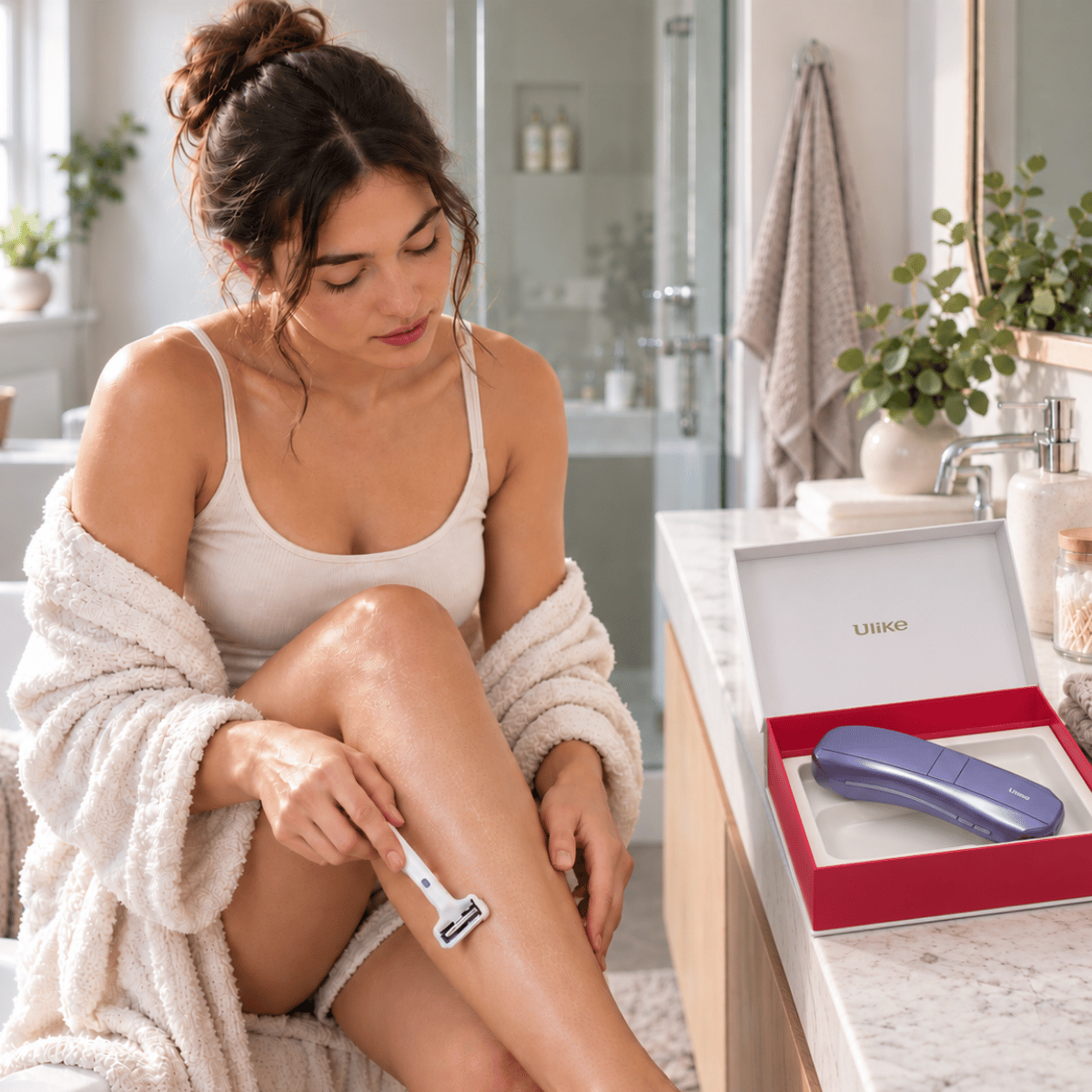
What to Do Between IPL Treatments: Shaving, Exfoliation & Hair Regrowth
Explore Beauty
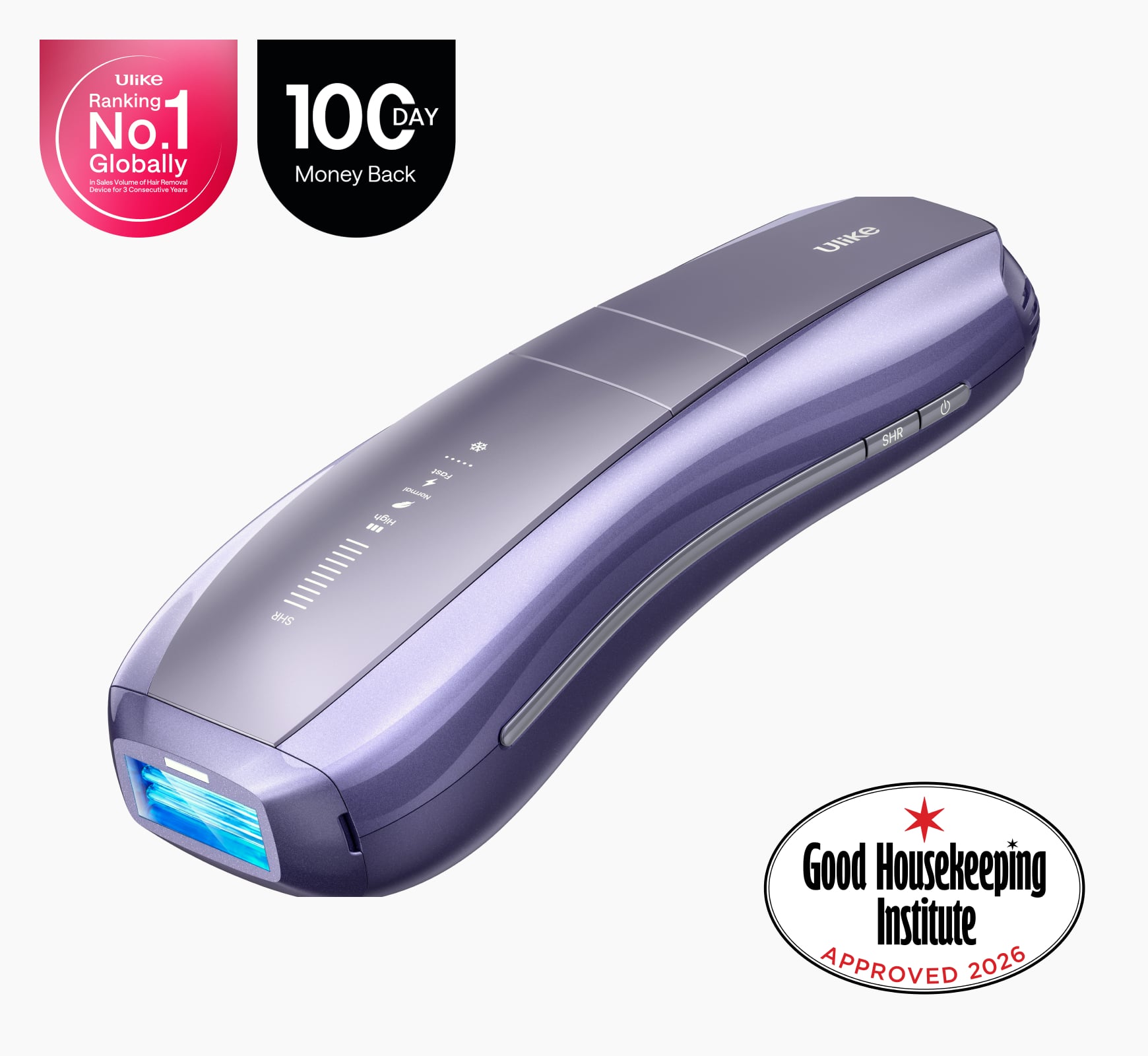
Ulike Air 10
2 weeks to silky smooth skin.
96% Hair Density Reduction in 2 Weeks
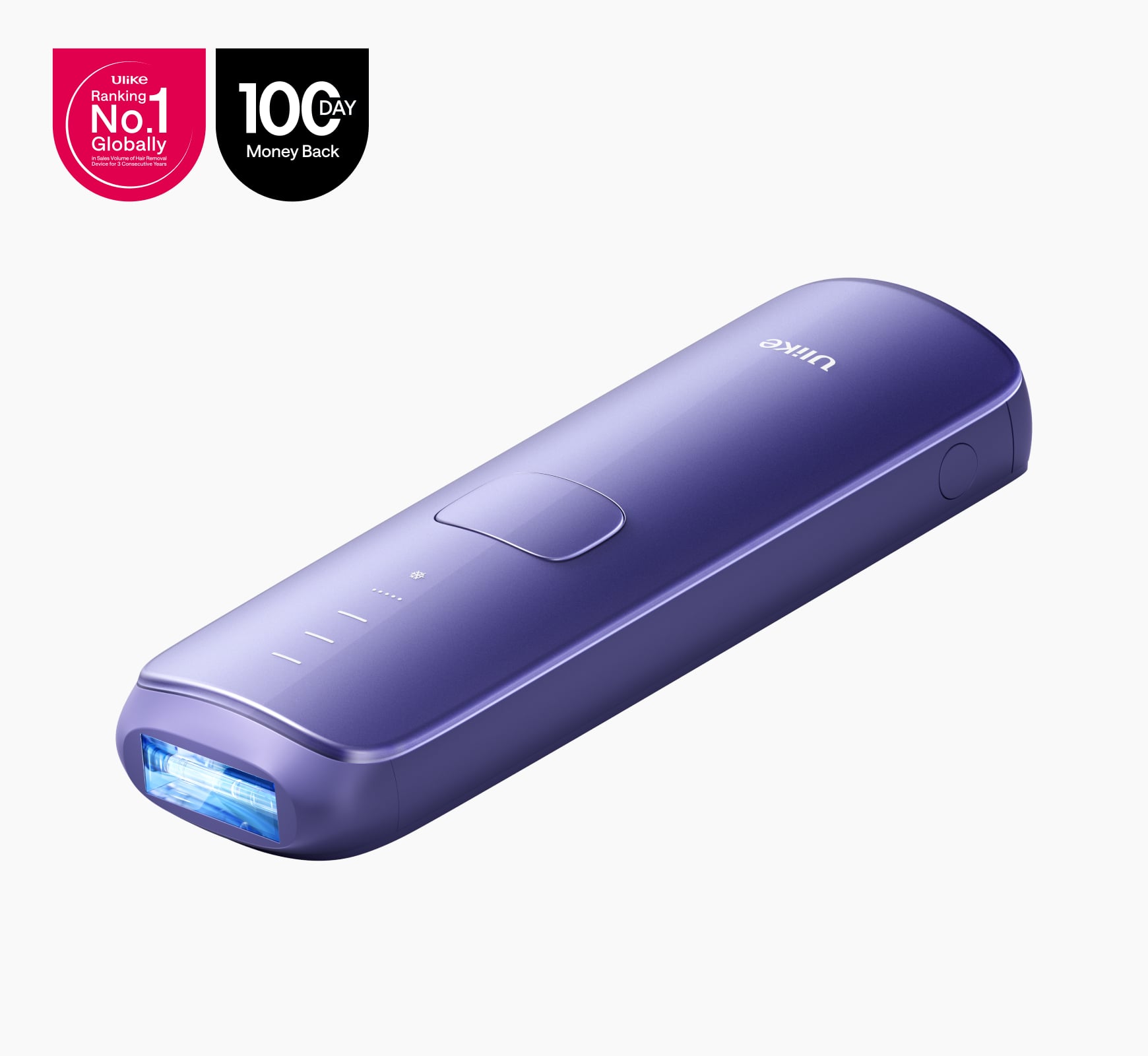
Ulike Air 3
3 weeks to silky smooth skin.
93% Hair Density Reduction in 4 Weeks
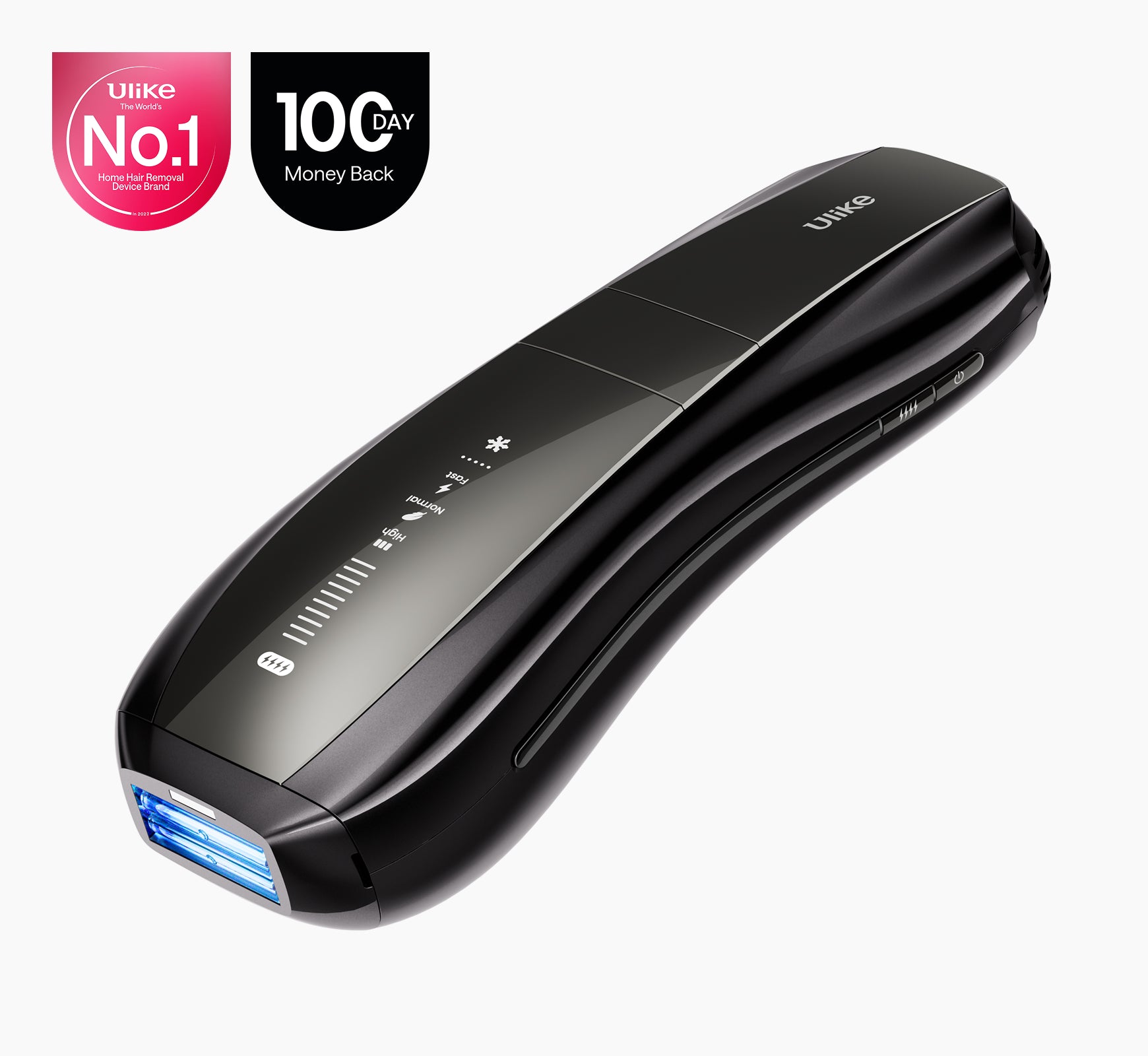
Ulike X
3 weeks to silky smooth skin.
94% hair reduction in just 2 weeks*
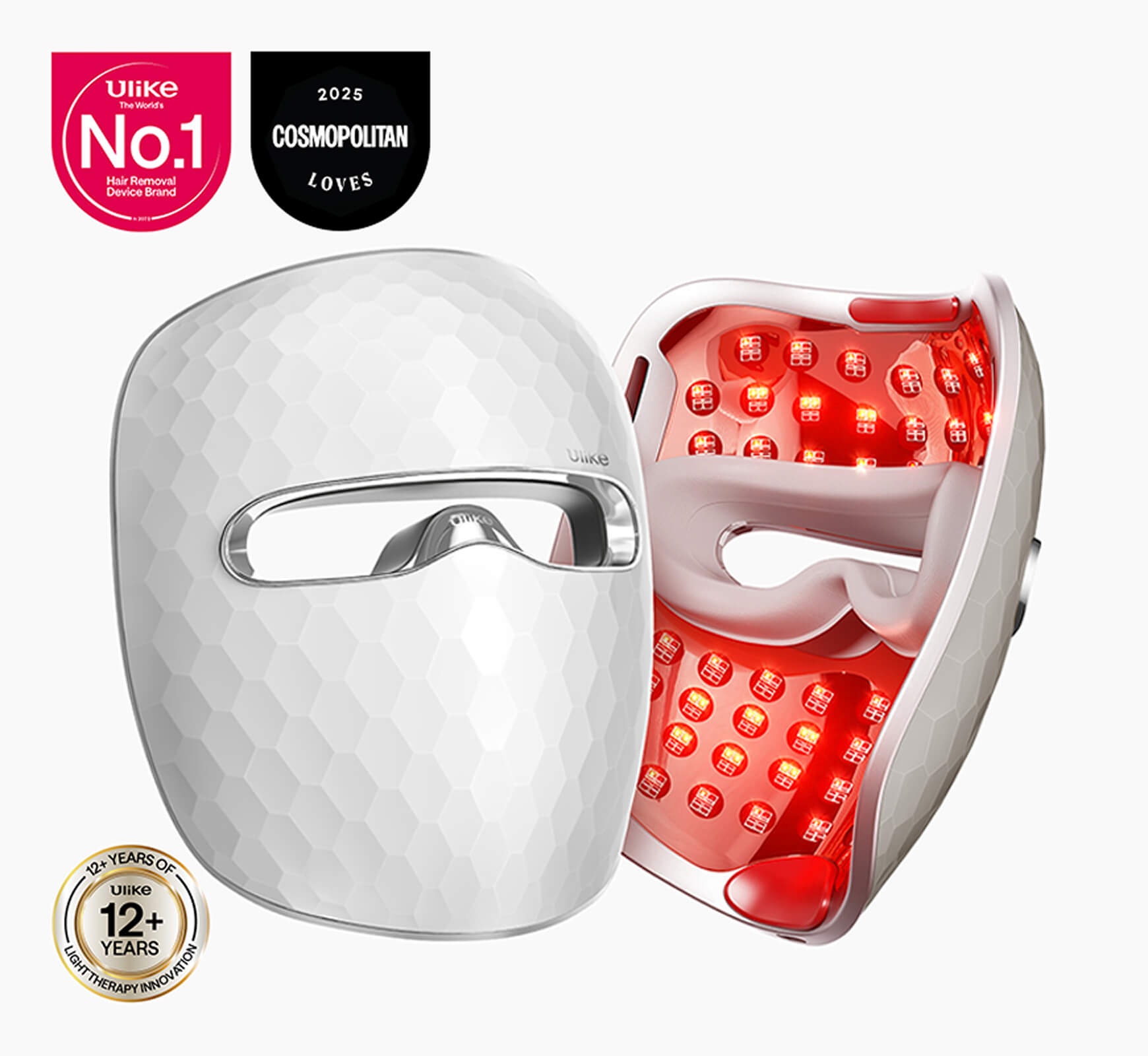
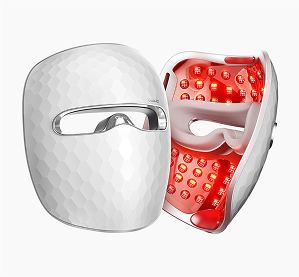
Ulike Reglow
Clearer skin in 2 weeks: Fewer breakouts
Smoother skin in 4 weeks: Fewer lines, firmer feel