



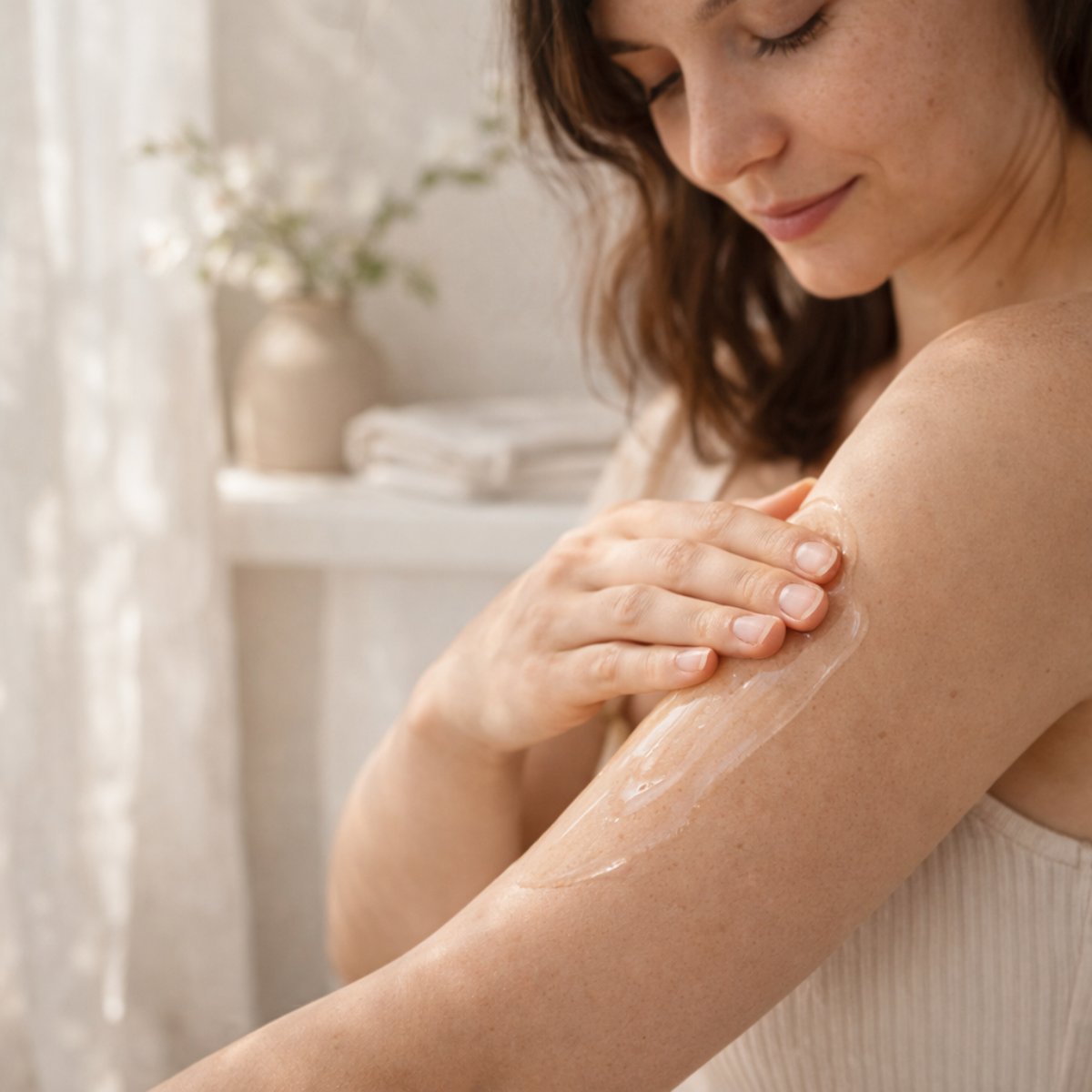
Aloe Vera Benefits for Skin: A Simple Reset for Skin

Around Easter, routines tend to shift slightly. Skincare often gets a second look, especially when deciding what still feels useful and what doesn’t. Aloe vera benefits for skin usually come into that conversation, particularly where calming and sensitive areas are concerned.
Aloe vera is already a familiar part of many routines. It’s been used for years, mainly when skin feels irritated or unsettled. Still, what it’s actually doing isn’t always that clear.
The benefits of aloe vera for skin are well known, though often described in quite general terms. This looks at it in a more straightforward way. What it does on the skin, how it works, and where it tends to fit, especially after hair removal when sensitivity is more noticeable.
Why Aloe Vera Has Been Trusted for Skin for Thousands of Years
Aloe vera has been used on the skin for a long time. It tends to come up when skin feels irritated, after sun exposure, shaving, or just general sensitivity.
It’s still used in much the same way now. You’ll see it in everyday products, and also in things made for skin that’s been recently treated.
Part of the reason it’s stayed around is that it’s easy to use. It doesn’t feel heavy, it absorbs quickly, and it’s generally well tolerated, even when the skin is already a bit reactive.
The benefits of aloe vera for skin come back to that. It helps take the edge off irritation and adds a bit of hydration while the skin settles.
What Is in Aloe Vera That Makes It Good for Skin
Aloe vera is often used when skin feels irritated or dry. It also tends to come up after shaving, waxing, or IPL, when the skin just needs something gentle.
Aloe vera benefits for skin include calming irritation, supporting the skin barrier, improving hydration, and helping the skin recover after shaving, waxing, or IPL. It works through naturally occurring compounds that help the skin hold moisture and reduce visible redness, which is why it’s often used on sensitive or recently treated skin.

Here’s a simple way to look at what’s inside:
Component |
What it does for the skin |
Polysaccharides (including acemannan) |
Help the skin hold onto moisture and leave a light layer that supports the barrier |
Anthraquinones |
Linked to calming effects, especially when skin looks red or feels irritated |
Vitamins C and E |
Support overall skin condition and help with everyday environmental stress |
Zinc |
Plays a small role in skin repair and balancing oil |
Enzymes (such as bradykinase) |
Associated with reducing inflammation on the skin |
None of these work on their own in a dramatic way. It’s the combination that makes aloe vera useful, especially when the skin needs something simple that won’t add to the problem.
Benefit 1: Soothing Irritated and Inflamed Skin
Aloe vera is often used when skin feels itchy and irritated. Usually something fairly minor. Redness, a bit of warmth, that slightly uncomfortable feeling after shaving or spending too long in the sun.
It tends to come up in situations like:
after shaving, when skin feels a bit raw
mild sun exposure
general sensitivity, especially with weather changes
areas that react easily, like underarms or the bikini line
In those moments, it’s not about doing anything complicated. Aloe vera just helps settle things. The skin feels less reactive, a bit easier to manage.
That’s also why it’s used after hair removal. Shaving, waxing, IPL, they all leave some level of disruption behind, such as shaving bumps, even when done carefully. Skin can feel slightly off afterwards.
Using something simple at that point usually works better than layering multiple products. Aloe vera fits into that quite easily. It goes on without much effort and doesn’t feel heavy.
It’s not meant for anything more serious than that. If irritation is stronger or keeps happening, it’s worth stepping back and figuring out the cause rather than relying on one product.

Benefit 2: Supporting the Skin Barrier and Hydration
The skin barrier is basically the outer layer that keeps things in balance. When it’s working well, skin feels comfortable. When it’s not, you notice it quite quickly. Dryness, tightness, or that slightly reactive feeling.
Hair removal can throw that off for a while. Shaving especially tends to leave the skin a bit more exposed, even if there’s no visible irritation.
Aloe vera helps in a fairly simple way. Not by doing anything heavy, just by giving the skin a bit of support while it settles.
In practice, that usually comes down to:
helping the skin hold onto moisture
leaving a light layer that doesn’t feel suffocating
adding hydration without making the skin feel greasy
It’s quite different from richer creams. Those can feel too much straight after shaving, particularly on areas like the underarms or bikini line. Aloe vera absorbs more easily, so it doesn’t sit on the surface in the same way.
That balance tends to work well after hair removal. The skin gets some support, but without the feeling of adding another layer it has to deal with.
Benefit 3: Supporting Skin Recovery After Hair Removal
Aloe vera tends to become part of a routine after hair removal, mainly because the skin rarely feels completely settled straight afterwards.
Different methods affect the skin in slightly different ways. Shaving can leave a bit of surface irritation. Waxing is more immediate, often with sensitivity straight after. IPL is different again. The skin can feel warm or slightly flushed for a while.
What they all have in common is that the skin needs a bit of time to return to normal.
That’s usually where aloe vera comes in. It’s often used straight after:
shaving, when there’s itch or light redness
waxing, when the skin feels more sensitive to touch
IPL, when there’s lingering warmth or slight flushing
It’s not doing anything complicated. It just helps the skin feel more comfortable while it settles, and adds a bit of light hydration at the same time.
This is also where products such as the Ulike Aloe Vera Gel tend to fit in quite naturally. It’s designed with post-hair-removal use in mind, so it can be applied straight after shaving or IPL without adding anything unnecessary.
Aloe vera doesn’t change how hair removal works or how effective it is. It’s more about making the skin easier to manage in the hours and days that follow.

Benefit 4: Reducing the Appearance of Post-Inflammatory Marks
Dark marks can show up after irritation settles. Quite common in areas that are shaved often. Underarms, bikini line, anywhere the skin gets repeated friction.
Aloe vera sometimes comes into the routine at that point. It contains a compound called aloesin, which is linked to how pigment forms in the skin. Over time, that can make those marks look a bit less noticeable.
It’s usually used in situations like:
marks left from ingrown hairs
areas that have been treated often and don’t look quite even
It’s a slow change. Nothing dramatic. More something that builds up over time if it’s used regularly.
On its own, it’s fairly limited. It works better as part of a routine rather than as the main thing you rely on.
Benefit 5: Calming Sensitivity and Supporting Skin Resilience Over Time
Some effects of aloe vera are less obvious at first. It’s more something that shows up over time.
Skin that’s shaved often, or exposed to friction, can start to react more easily. Not always in a dramatic way. Sometimes it just feels slightly uncomfortable more often than it used to.
Using something consistently can help with that. Aloe vera tends to work because it’s simple and doesn’t interfere with the rest of a routine.
For people who shave regularly, it can make a difference in small ways:
irritation doesn’t linger as much
skin settles a bit more quickly
things feel more comfortable day to day
It’s easy to fit in. It goes on without much effort and sits lightly under other products.
It’s also one of the few things that most skin types seem to tolerate without much trouble, which is probably why it keeps showing up in so many routines
How to Use Aloe Vera in Your Skincare Routine
Aloe vera is easy to work into a routine. It doesn’t need much adjustment and can be used in a few different ways depending on what your skin needs.
You’ll usually see it used:
after shaving or hair removal, when the skin feels more sensitive
after cleansing, as a light layer before moisturiser
after IPL sessions, to help calm warmth or redness
A small amount is enough. It spreads easily, so a thin layer tends to work better than applying too much.
It also layers without much effort. Moisturiser or SPF can go on afterwards without it feeling heavy or interfering with other products.
If the skin has just been shaved or treated, it’s worth keeping the rest of your routine simple for a while. Strong exfoliants or more active products can wait until things feel back to normal.
This is where something like the Ulike Aloe Vera Gel fits in quite naturally. It’s lightweight, absorbs quickly, and is designed for use straight after shaving or IPL without adding unnecessary ingredients.
Some people keep aloe vera gel in the fridge. It’s not essential, but the cooling effect can feel good, especially after hair removal.
What to Look for in an Aloe Vera Gel Product
Aloe vera gels can vary quite a bit. Some feel clean and easy to use. Others end up a bit sticky or heavier than expected.
A few things are usually worth paying attention to:
where aloe vera sits in the ingredient list. Closer to the top tends to mean there’s more of it
how many extra ingredients have been added. Simpler formulas are often easier on the skin
whether there’s added fragrance, especially if the skin is already a bit sensitive
the way it feels once applied. Ideally it should settle quickly rather than sit on the surface
Some of this only becomes obvious once you’ve used it a few times. Texture in particular makes a difference, especially if you’re applying it regularly after shaving or IPL.
The Ulike Aloe Vera Gel sits in that lighter category. It’s designed to be used straight after hair removal, so it absorbs quickly and doesn’t add much on top of already sensitive skin.
Aloe Vera Benefits for Skin: A Gentle Way to Support Your Skin
If you already remove hair regularly, whether that’s shaving or IPL, having something simple on hand afterwards can make things more comfortable.
Aloe vera tends to fit into that quite easily. It doesn’t take much effort to use, and it’s usually enough to help the skin settle without adding anything unnecessary.
The Ulike Aloe Vera Gel is designed with that in mind. It’s lightweight, absorbs quickly, and avoids common irritants like fragrance and alcohol, which makes it easier to use on skin that’s just been treated.
It can be used straight after hair removal, or just as part of a routine when the skin feels a bit off.
There’s also a seasonal offer running across the Ulike range at the moment if you’re already considering IPL or looking to update your routine.
Keeping things simple usually works best. A few well-chosen products, used consistently, tend to do more than a complicated routine.
Aloe Vera Benefits for Skin: FAQs
What does aloe vera do for skin?
Aloe vera calms irritation, helps maintain the skin barrier, boosts hydration, and supports recovery after shaving or exposure to environmental stress. Its natural compounds make it gentle and suitable for most skin types.
Is aloe vera good for skin after shaving?
Aloe vera is ideal after shaving. It calms redness, eases discomfort, and helps the skin recover, all without feeling heavy or blocking pores.
Can aloe vera be used after IPL hair removal?
Aloe vera can be applied after IPL to calm warmth and redness. It won’t interfere with treatment results and helps keep skin comfortable between sessions.
Is aloe vera suitable for sensitive skin?
Aloe vera is usually well-tolerated by sensitive skin. Choose fragrance-free formulations and patch test when trying a new product.
How often should you apply aloe vera?
Apply aloe vera as needed. Many people use it once or twice a day, or right after shaving or IPL for targeted soothing.

How to Clean an IPL Hair Removal Device Safely

Can You Use IPL on Arms? Will It Work on Your Hair?

When Does IPL Hair Start Shedding? Signs It’s Working
Explore Beauty
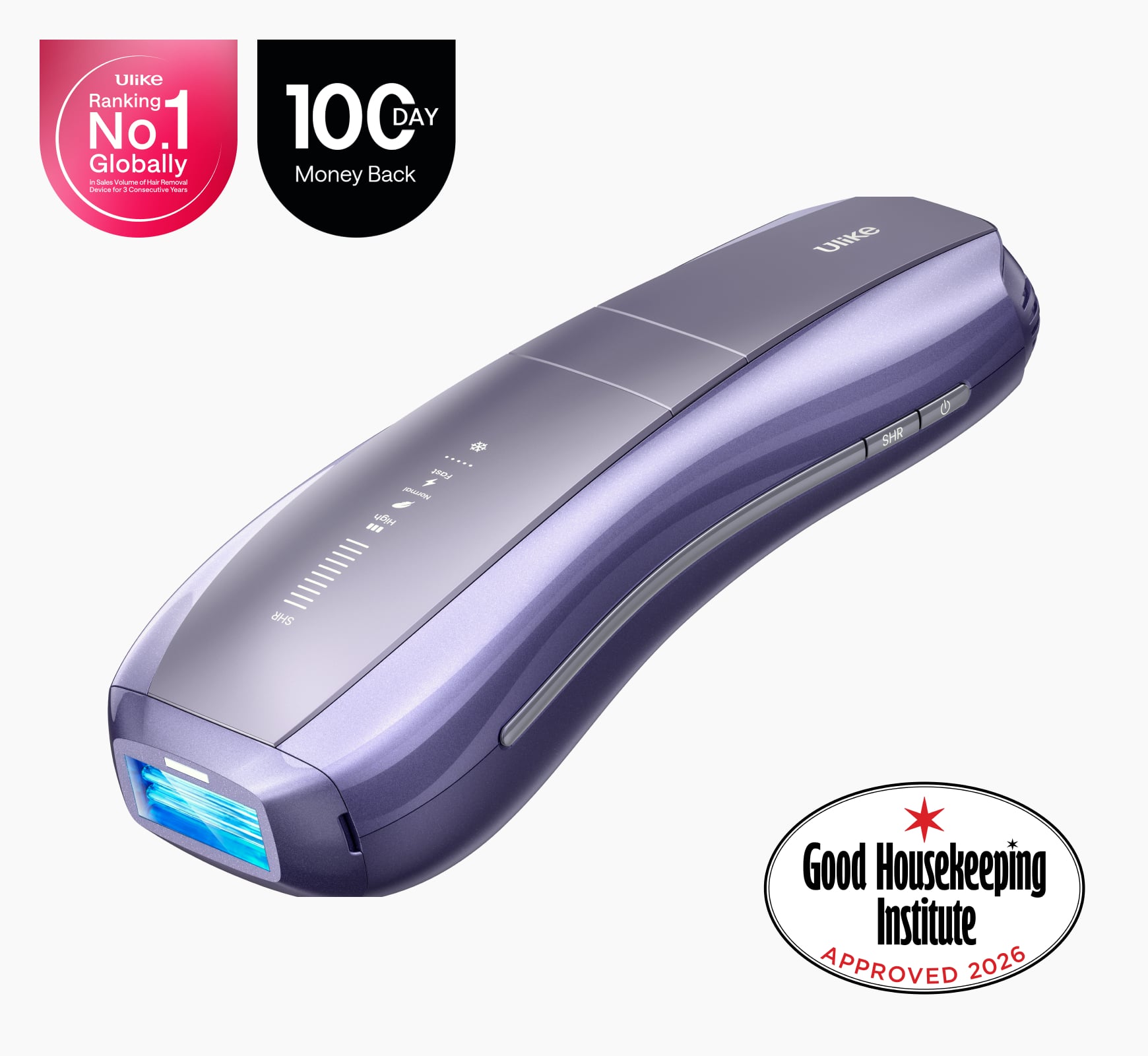
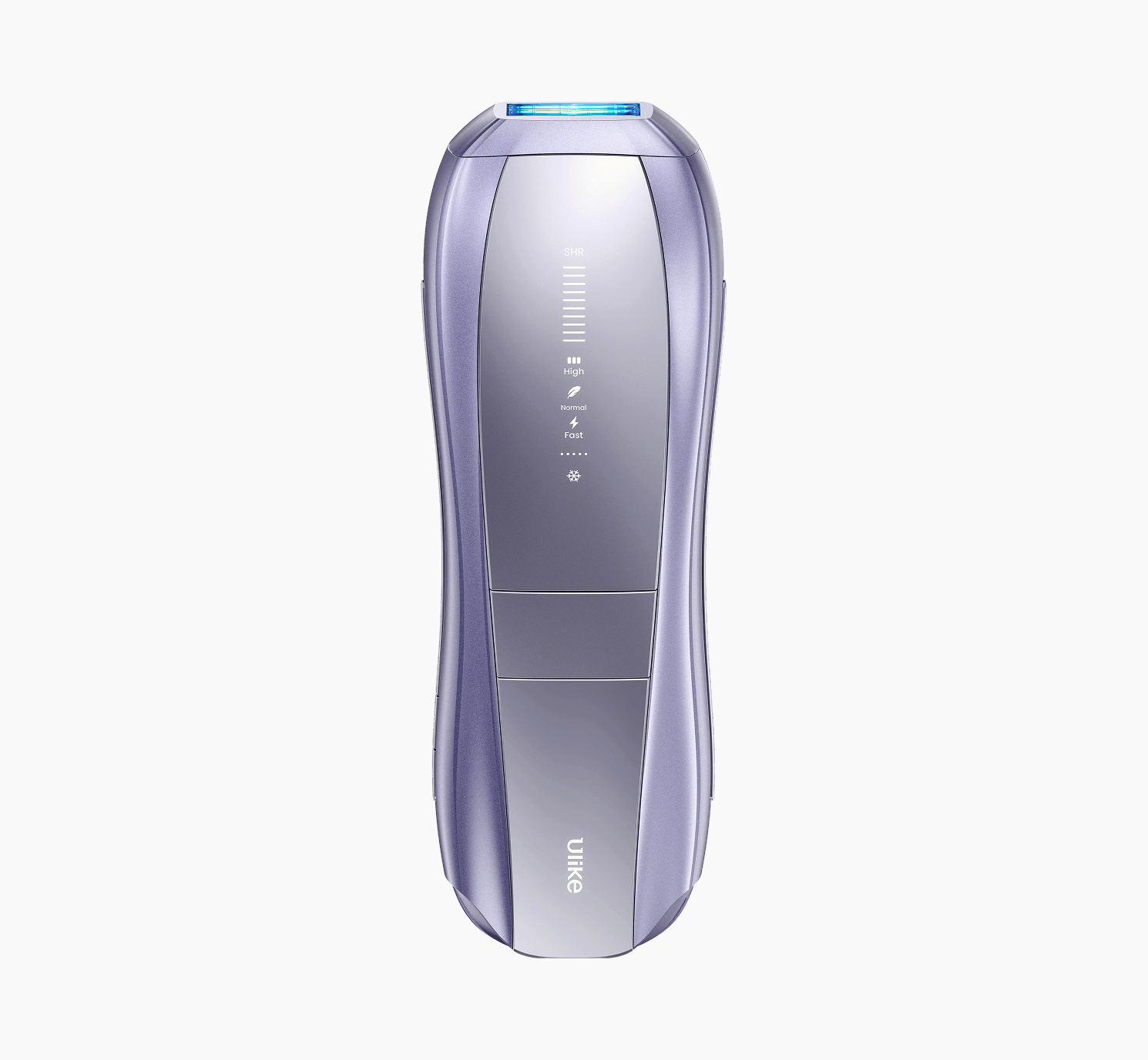
Ulike Air 10
2 weeks to silky smooth skin.
96% Hair Density Reduction in 2 Weeks
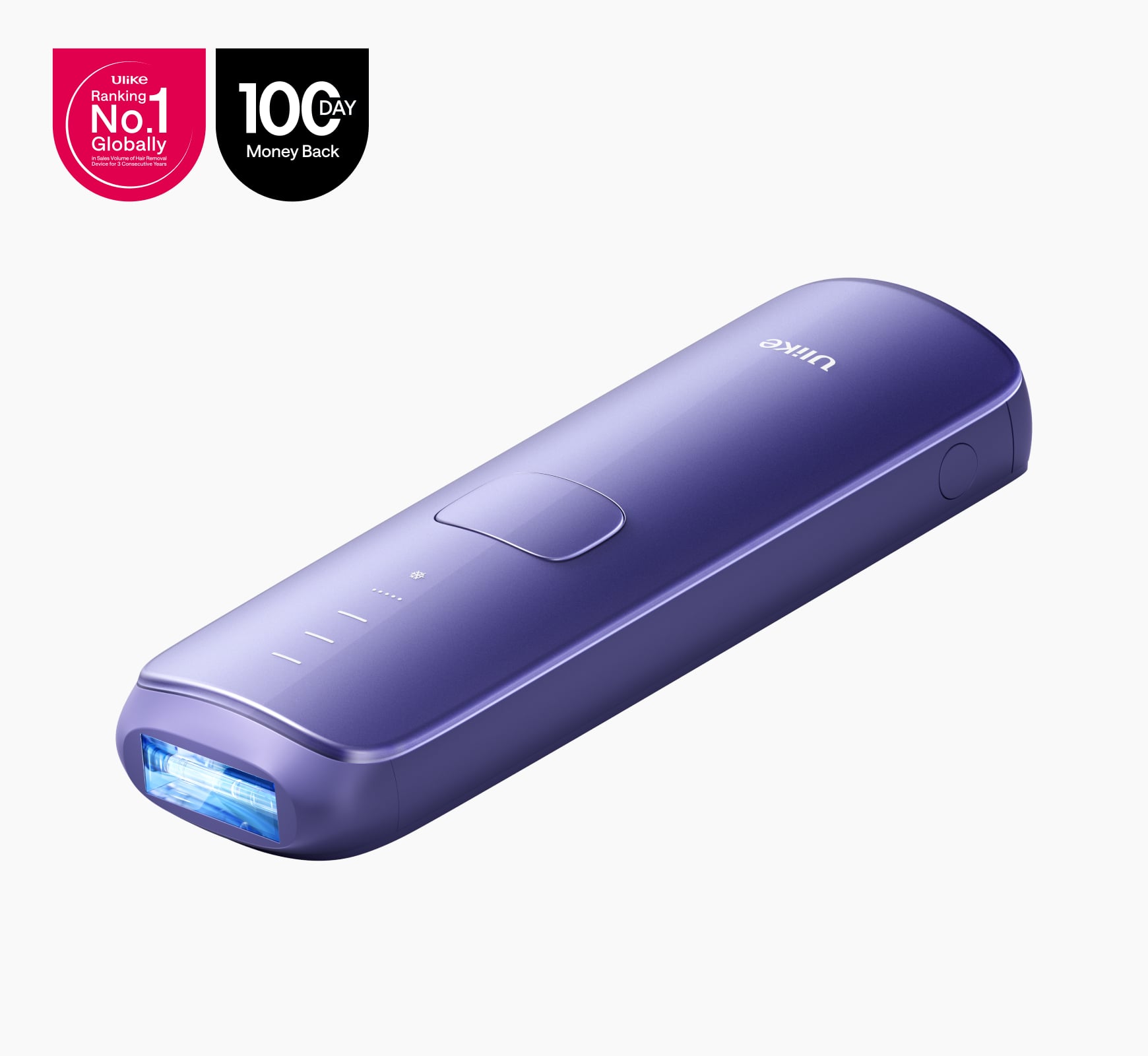
Ulike Air 3
3 weeks to silky smooth skin.
93% Hair Density Reduction in 4 Weeks
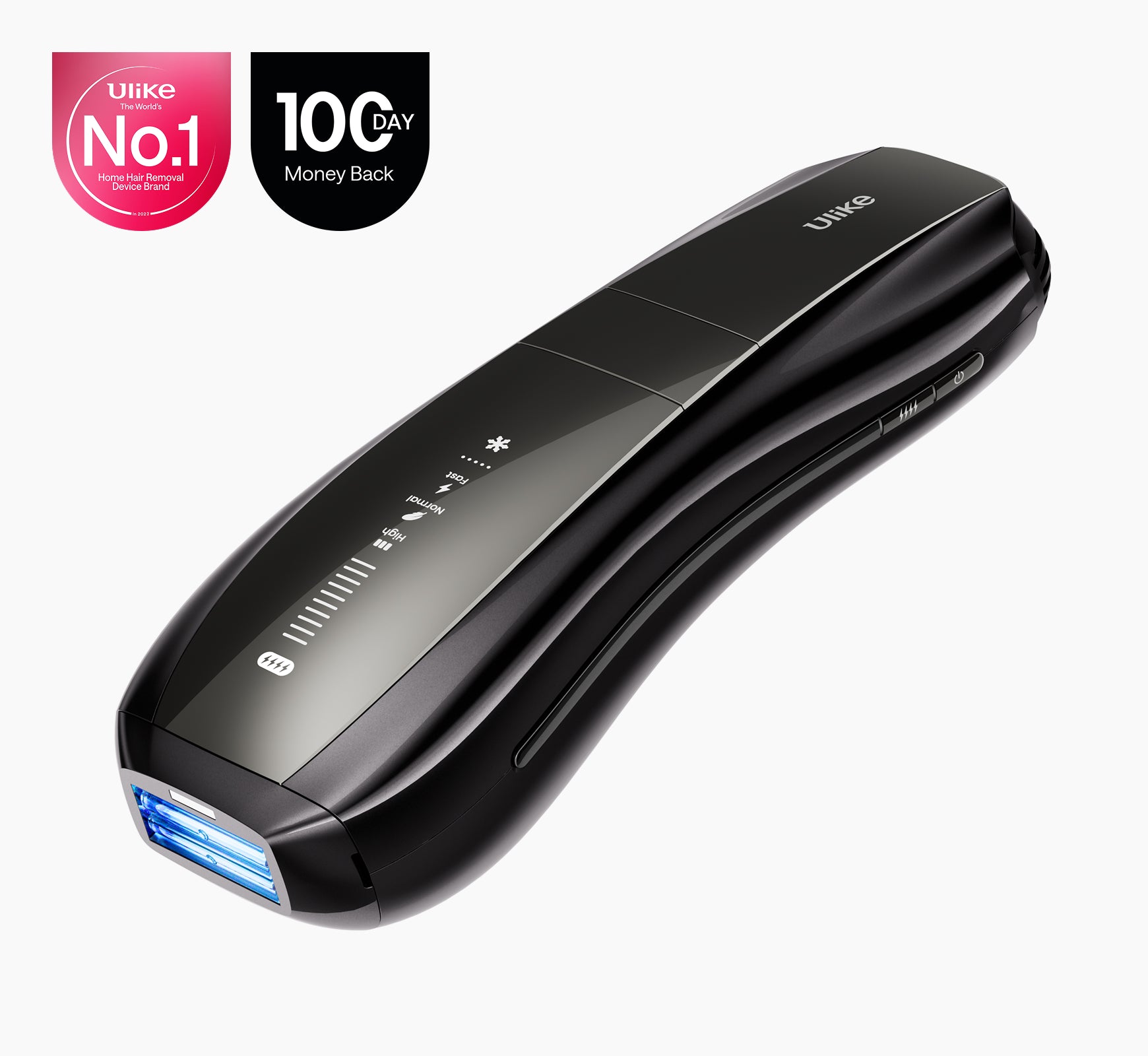
Ulike X
3 weeks to silky smooth skin.
94% hair reduction in just 2 weeks*
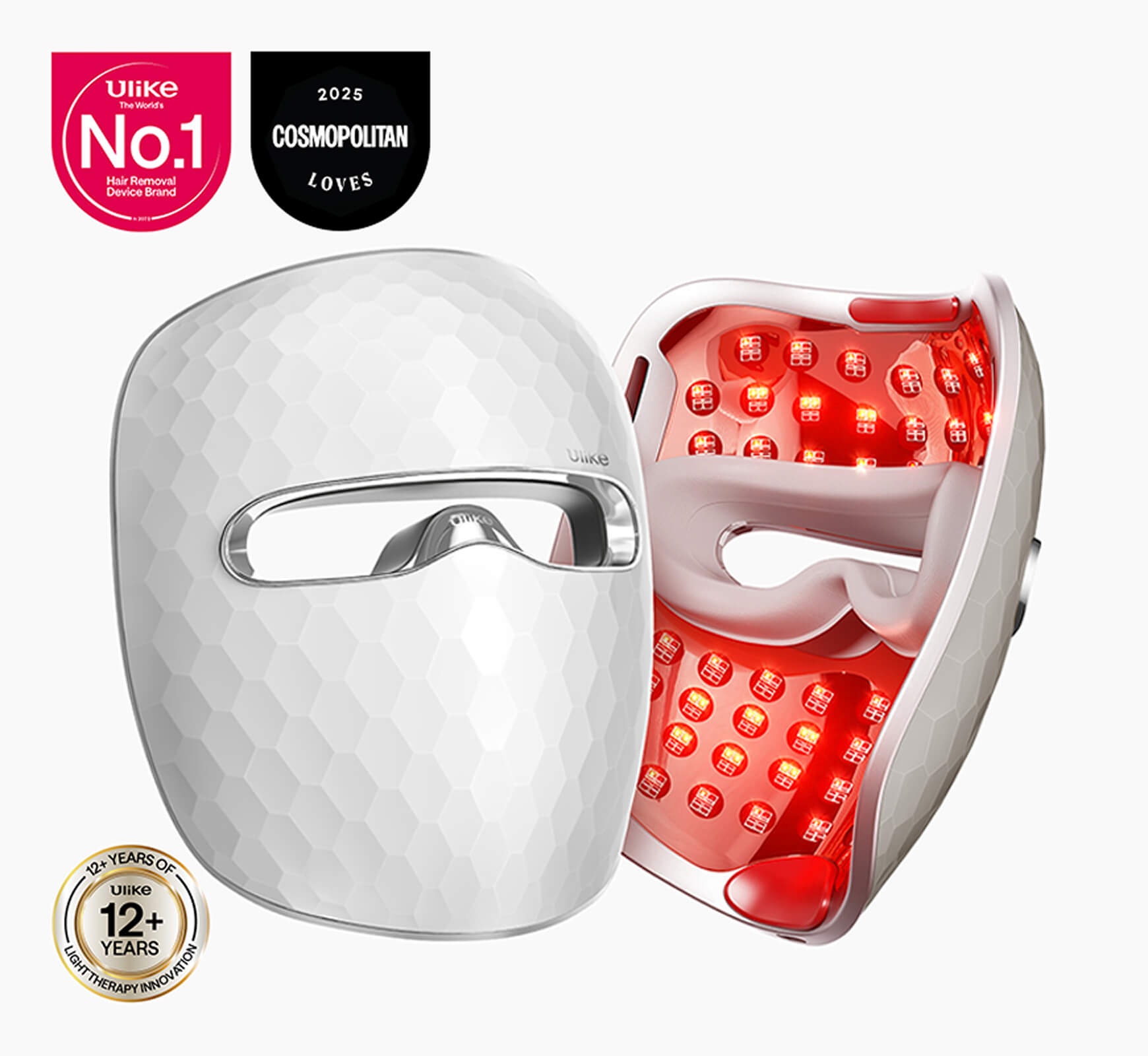
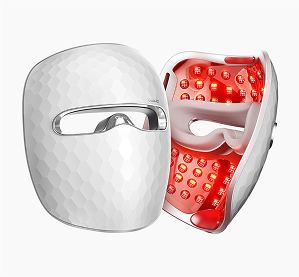
Ulike Reglow
Clearer skin in 2 weeks: Fewer breakouts
Smoother skin in 4 weeks: Fewer lines, firmer feel