




Laser Treatment for Chest Hair Removal: Get Ready for Spring Without the Shaving

Why Chest Hair Removal Is Worth Thinking About Properly
Laser treatment for chest hair removal is something many people consider at some point, often after years of shaving, trimming, or simply leaving things as they are. There is rarely a single reason behind that decision. For some, it comes down to comfort. For others, it is about skin condition, sport, or personal preference. And for many, it is simply about feeling more at ease in their own skin.
Spring tends to bring a subtle shift in how these routines are viewed. As clothing becomes lighter and time outdoors increases, habits that were easy to overlook during winter can start to feel less convenient. Nothing has to change, but it often becomes a natural point to pause and reassess.
This guide sets out to explain what laser treatment for chest hair removal actually involves, how it compares with at-home IPL, and what you can realistically expect if you decide to start.
What "Laser Treatment" for Chest Hair Actually Means
Laser treatment for chest hair removal works by sending light energy into the pigment in each hair follicle. The heat disrupts the growth cycle, so over time the hair grows back more slowly, finer, or in some cases not at all.
In clinics, this usually means diode or Nd:YAG laser. These use a single, focused wavelength, which allows for more direct targeting of the follicle. Most people go through a course of around 6 to 10 sessions before things start to settle.
At-home IPL works on the same principle, just less concentrated. It uses filtered light across a broader range, so it tends to take longer to reach a similar point, often closer to 8 to 12 sessions. For many, the difference comes down to pace and practicality rather than the end result.
The chest is generally a straightforward area to treat. Hair here is often darker and a bit thicker, which gives the light something to target. Where there is good contrast, results tend to follow.
A clinic session itself is fairly simple. The device is passed across the chest in sections, usually with some form of cooling to keep the skin comfortable. Depending on coverage, it might take 20 minutes, sometimes longer.
Sessions are spaced out deliberately. Hair does not grow all at once, so timing matters. Treatments are usually set a few weeks apart to catch follicles at the right stage. Skipping sessions early on can slow progress more than people expect.
Laser has been used for a long time and is well understood. The real decision tends to come down to whether the structure around it, appointments, cost, and consistency, fits easily into your routine.
How IPL Differs From Clinic Laser for the Chest
At-home IPL, or intense pulsed light, is usually mentioned alongside laser because both aim to reduce hair in a similar way. Each uses light to target pigment in the follicle, gradually slowing regrowth over time. The difference is in how that light is delivered.
Clinic laser uses a single, focused wavelength. IPL spreads energy across a broader range. It is less concentrated, which is what makes it suitable for use at home, but it also means progress builds more gradually.
That tends to show in the timeline. Laser courses are often shorter, while IPL asks for a bit more consistency, especially in the early stages. Miss a few sessions at the start and results can take longer to settle.
The chest is generally a good area for IPL. Hair here is often darker and slightly thicker than the surrounding skin, so there is enough contrast for the light to work effectively. Where that contrast is clear, results usually follow without too much unpredictability.
Because IPL devices are designed for home use, the energy is kept lower than in a clinic setting. That keeps things within a safe range, even with regular use, though it does mean patience matters a little more at the beginning.
For most people, the decision is fairly practical. Laser tends to work faster. IPL is slower, but easier to manage on your own terms and without the ongoing cost of appointments.
A closer comparison between diode laser and IPL can help if you are weighing the details more carefully.
Results: What to Realistically Expect From Laser and IPL on the Chest
Timelines are usually where the difference between laser and IPL becomes most noticeable.
With clinic laser, changes often start to show after the first few sessions. By session three or four, regrowth is typically slower and less dense. Somewhere around 6 to 8 sessions is where things begin to settle, with only occasional maintenance needed after that.
IPL follows the same general pattern, just more gradually. The early sessions can feel a bit uneventful. Then, somewhere around weeks four to six, changes in regrowth start to become easier to spot. A consistent run of 8 to 12 weekly sessions is usually needed before it feels like progress is holding.
The chest is generally quite responsive, although denser areas can take longer at the beginning. Consistency tends to matter more than anything else here. Gaps between sessions often slow things down.

Hair colour also plays a part. Darker hair on lighter skin responds most reliably, as the light has a clear target. Very light, grey, or red hair usually does not respond in the same way, regardless of the method.
There is also the skin side of things. Less shaving often means less irritation, particularly if ingrown hairs have been an issue. Over time, the skin can start to feel a bit more even, though this varies from person to person.
Starting earlier in the year can make the process feel more manageable. A few months of consistent treatment is usually enough to see a clear shift, without needing to rush it later on.
Cost: Clinic Laser vs. At-Home IPL for the Chest
Cost is usually where the decision starts to feel more real.
In the UK, clinic laser for the chest is often priced per session, somewhere between £100 and £300. Over a full course of 6 to 8 sessions, that tends to add up to £600 to £2,400. In some cases, there are additional costs around consultations, patch tests, or aftercare, depending on the clinic.
At-home IPL sits on a different model. The cost is upfront, in the device itself, rather than spread across appointments. Once you have it, you can use it as needed, not just on the chest but on other suitable areas as well.
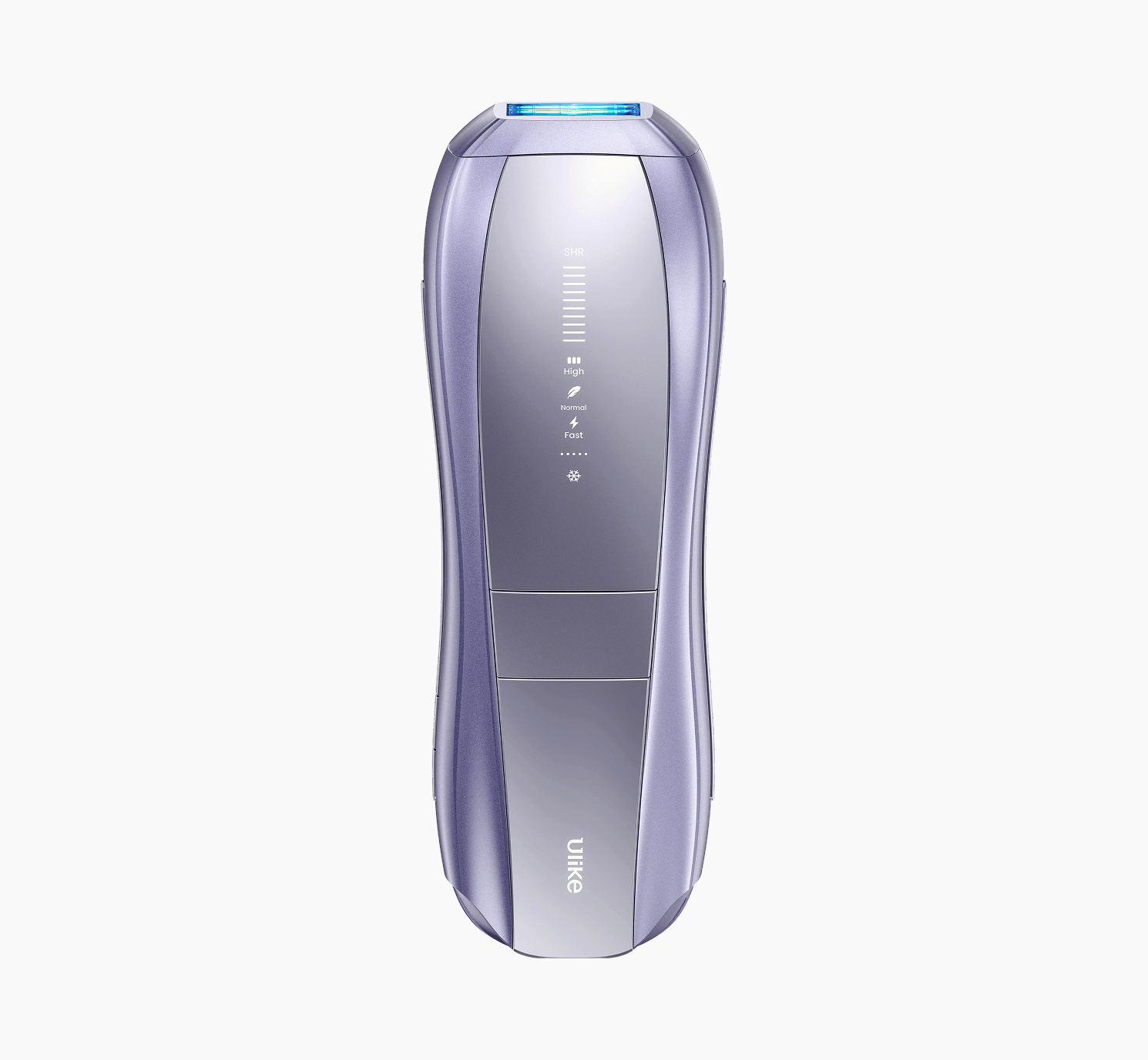
Devices like the Ulike Air 10 fall into this category. There are no per-session fees, and no need to plan around appointments or travel, which can make a noticeable difference over time.
For many people, that shift in how the cost works is what makes IPL feel more manageable. Especially if you are treating more than one area, the long-term spend tends to be lower.
That said, clinic laser still has its place. If quicker results matter to you, or if your skin and hair respond particularly well to professional treatment, the higher cost can feel reasonable. It depends on what you are trying to prioritise.
Comfort and Safety: What the Experience Is Like
Comfort is an important consideration.
Clinic laser usually feels like a quick snap or warm tap on the skin. Modern machines have built-in cooling, which keeps the sensation brief and manageable. The chest is straightforward to treat, and most people finish a session without discomfort lingering.
At-home IPL is gentler. Each pulse is softer, which makes longer sessions easier to get through. Devices with cooling, like the Ulike Air 10, help keep the skin comfortable while covering the whole chest.
Both clinic laser and IPL are safe when used as instructed. Home devices have skin tone sensors to check the treatment suits your skin before each flash.
After a session, mild redness or warmth can appear. It usually disappears within a few hours. A simple, fragrance-free product such as aloe vera gel can help calm the skin. Over time, less shaving often means less irritation, leaving the chest feeling smoother.

The Ulike Air 10 for Chest Hair Removal
If you are considering at-home IPL, the device you choose makes a real difference, especially for larger areas like the chest.
The Ulike Air 10 is built with larger areas like the chest in mind. Its sapphire ice-cooling technology helps keep the skin comfortable during treatment, which is especially useful because the chest often needs several passes. Cooling at the point of contact makes longer sessions easier to get through.

The device also has a large flash window, covering more skin with each pass. This means fewer passes are needed to treat the full chest, so sessions feel quicker and more manageable.
A built-in skin tone sensor adds an extra layer of reassurance. It checks that the device is safe for your skin before each flash, which is helpful for first-time users. If you are unsure whether IPL is suitable for your skin tone, a guide can help you check.
Many people see a visible reduction in chest hair after 4 to 6 sessions, as long as the hair is dark enough for the light to target. IPL is not effective on very light, grey, or red hair, so it’s important to confirm your suitability before starting.
Starting in spring can be practical. Regular sessions over a few weeks establish results, leaving the chest ready for warmer months with a routine that is straightforward and easy to maintain.
Preparing Your Chest Skin for Laser or IPL Treatment
To get the results from your laser or IPL treatment you need to prepare your chest skin. Preparation is really important for your comfort and the results you want.
The chest should be shaved twenty four hours before each session. This helps the energy focus on the hair root, not the hair on the surface. This makes the treatment work better. It is easier on your skin.
You should also avoid being in the sun for least two weeks before your treatment. If your skin is tanned it can be more sensitive. You might get irritated skin from the laser or IPL treatment.
Do not. Epilate your chest between sessions. These methods remove the hair, including the root, which is what the light needs to target. So it is better to shave your chest while you are having the treatments.

On the day you have your treatment make sure your skin is clean and you have not put any products like deodorant or perfume on it.
After each treatment you can put a soothing product like aloe vera on your skin to calm it down. If you get skin or ingrown hairs easily you might want to learn more about how to treat and prevent shaving bumps as part of your routine.
When the seasons change and you are outside more you need to protect your skin from the sun. Using sunscreen on your chest is a thing to do but it is really important to keep your skin safe during and, after your laser or IPL treatment.
Ready to Try a Longer-Lasting Approach?
If you usually manage chest hair by shaving or trimming, spring is a good time to try something that lasts longer. A course of 8 to 12 weekly sessions can give noticeable results within a few months, without the ongoing cost or scheduling of clinic appointments.
The Ulike Air 10 is designed for this kind of longer-term use. Its sapphire ice-cooling technology keeps larger areas like the chest comfortable to treat, and the built-in skin tone sensor makes sure each session suits your skin.
This spring, you can check out the Air 10 and current offers at uk.ulike.com/pages/campaign. Start now and feel the difference before summer.
Chest Hair Removal FAQs
Does laser treatment work for chest hair removal?
Yes, it really can. Laser targets the hair at the root, and after a few sessions, hair grows back more slowly and finer. In most cases, people notice a real difference after several treatments. At-home IPL can work too, though it usually takes a bit longer to see the same kind of change.
How many laser sessions does chest hair removal take?
It really varies from person to person. Some people start to notice hair thinning after a few sessions, while others might need a bit longer. At a clinic, sessions are usually a few weeks apart. If you’re using a device at home, you’ll be doing it more often, maybe once a week. Most people see a real change somewhere around the middle of their course.
How much does laser chest hair removal cost in the UK?
Clinic laser can feel a bit pricey. Some people pay for each session at £100 and £300, and it can add up over a full course which costs between £600 to £2,400. At-home IPL is different—you buy the device once and can use it as often as you need. Over time, that usually works out cheaper, especially if you’re treating more than just your chest.
Is at-home IPL as effective as clinic laser for chest hair removal?
It can be, for the right skin and hair type. The results take a little longer to show compared with clinic sessions, but the long-term reduction can be very similar. The difference is really how quickly you see results and whether you prefer appointments or doing it yourself at home.
Can IPL be used on the full chest area?
Yes, it can. Most people find it works well across the centre and upper chest. Devices that have a larger flash window and cooling make it easier and more comfortable to cover the whole area in one session.

How to Clean an IPL Hair Removal Device Safely

Can You Use IPL on Arms? Will It Work on Your Hair?

When Does IPL Hair Start Shedding? Signs It’s Working
Explore Beauty
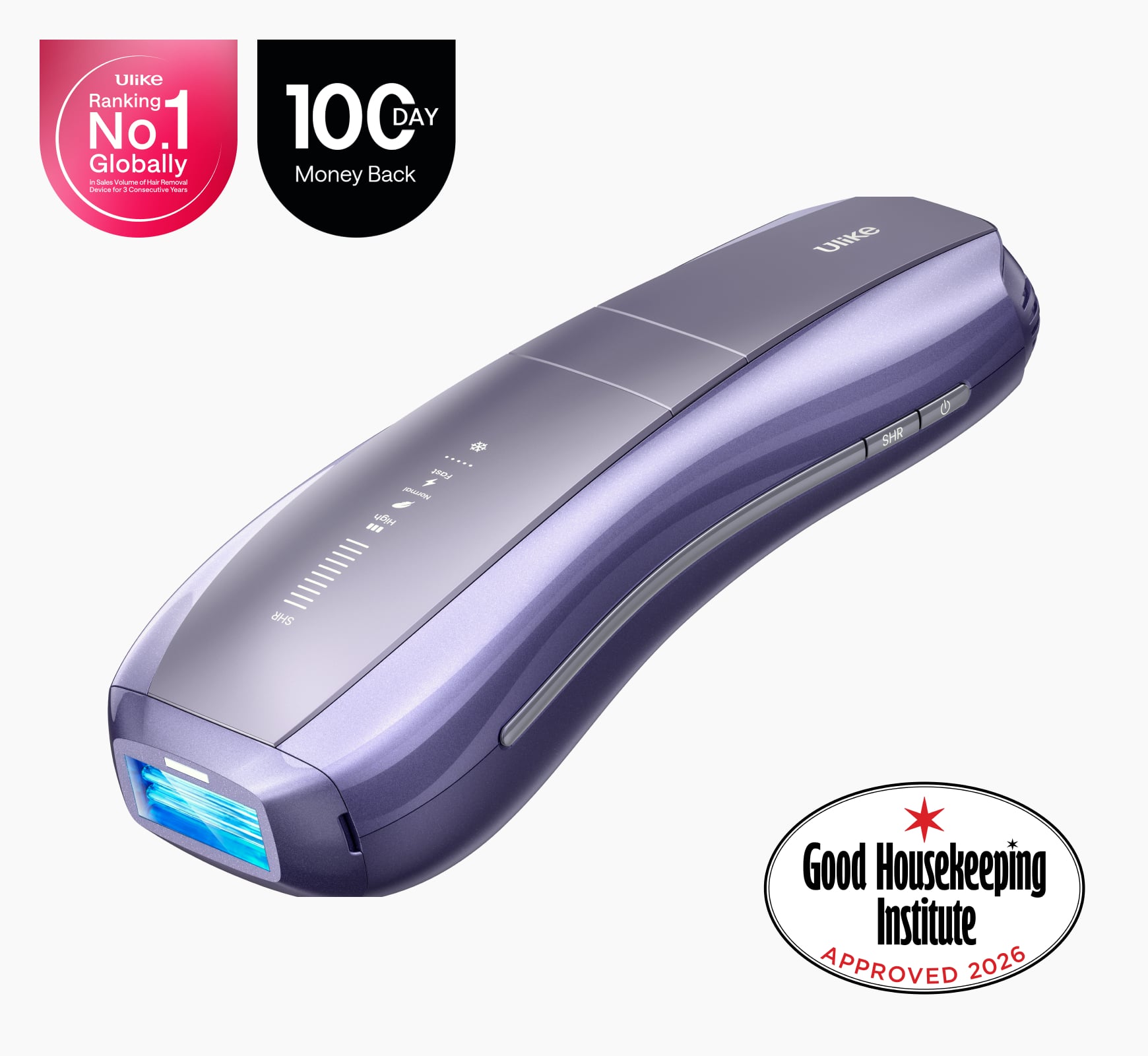
Ulike Air 10
2 weeks to silky smooth skin.
96% Hair Density Reduction in 2 Weeks
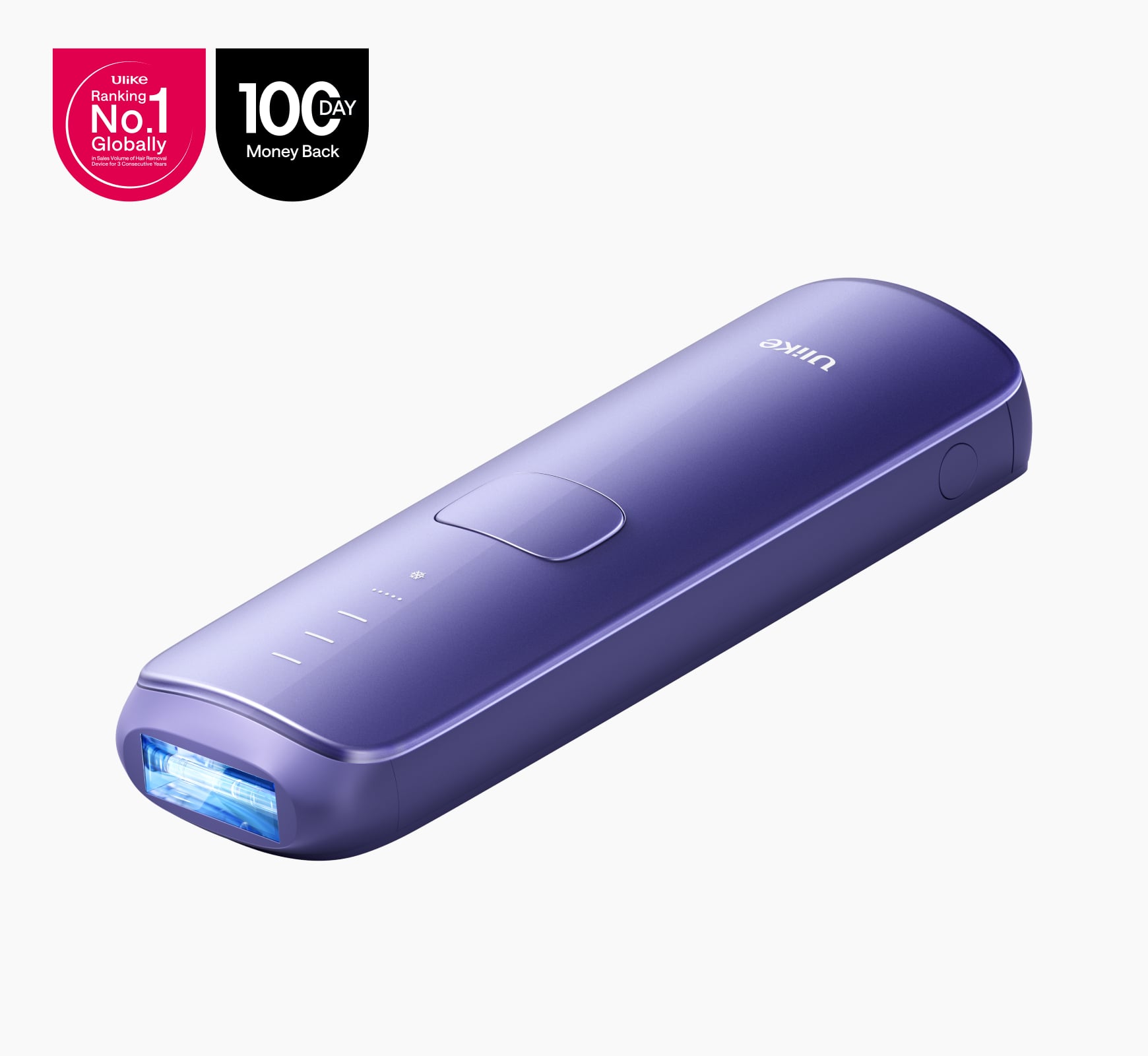
Ulike Air 3
3 weeks to silky smooth skin.
93% Hair Density Reduction in 4 Weeks
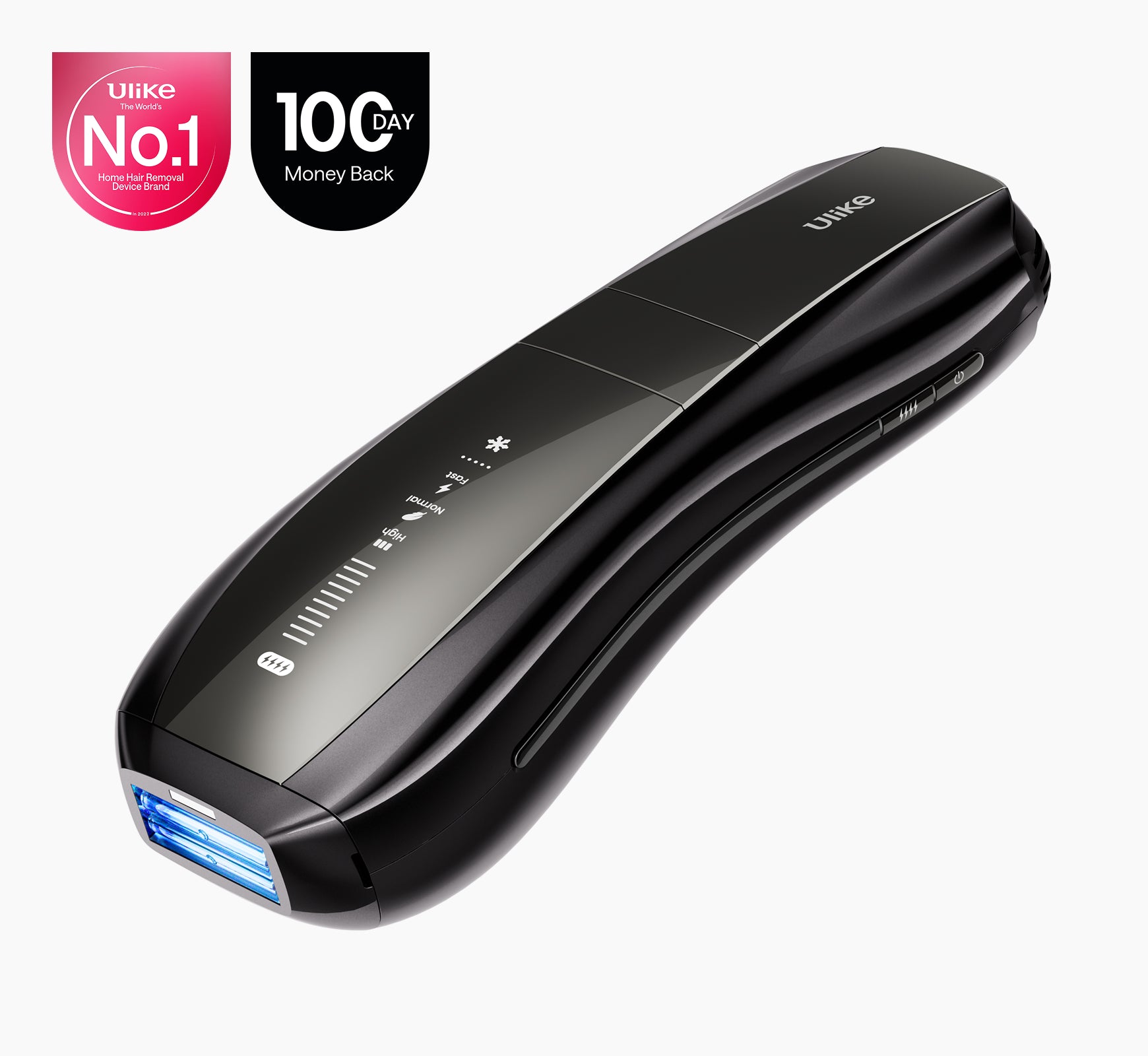
Ulike X
3 weeks to silky smooth skin.
94% hair reduction in just 2 weeks*
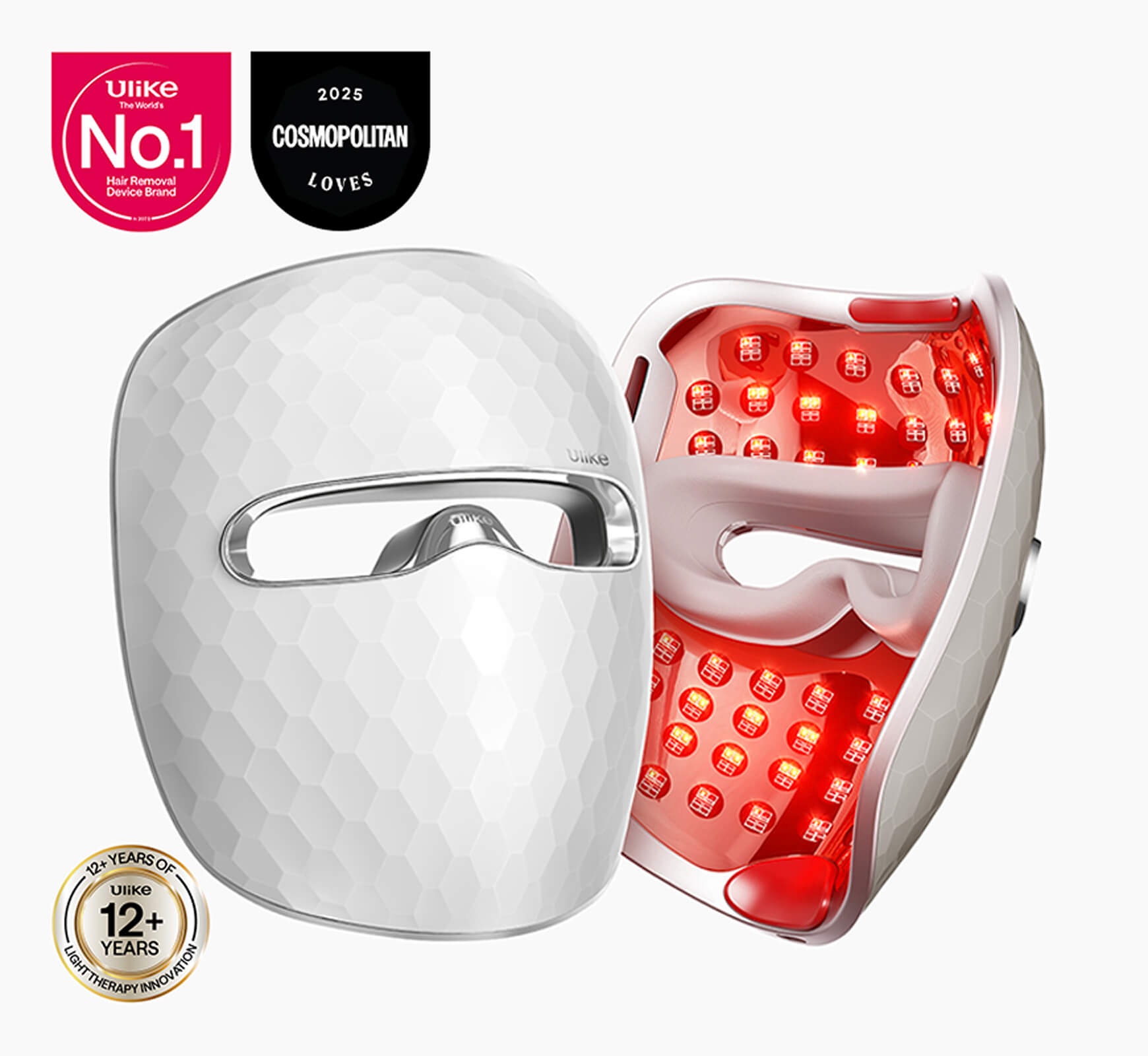
Ulike Reglow
Clearer skin in 2 weeks: Fewer breakouts
Smoother skin in 4 weeks: Fewer lines, firmer feel