





Stop Ingrown Hairs on Legs: Gentle Treatment & Prevention Tips

If you develop ingrown hairs on legs, you can rest assured that you are not alone. It is just one of those problems that people tend to live with instead of finding a solution for them. Once you figure out what’s going on underneath, it is relatively easy to break this vicious cycle.
Why ingrown hairs on legs are so common
Ingrown hair is more persistent because the habits that lead to this condition do not change. It is fair to say that spring is an appropriate time for reflection. If you have been shaving through winter without much thought, or skipping skincare steps, the pattern can catch up with you.
“When hair grows inside the skin instead of growing out of it, the result will be ingrown hair. The reasons may include dead skin layer, close shaving , or irritation. This hair growth issue appears to be a red bump; sometimes, the trapped hair can be seen.”
What causes ingrown hairs on the legs?

Several factors play a role and often work together.
Hair curls back in
As hair grows back after shaving, it may curl back into the skin instead of outwards due to the blunt ends of the hair shaft, particularly in coarse or curly hair types.
Dead skin blocks follicles
Excess dead skin cells on the surface of the skin tend to block hair growth and cause it to curl under.
Shaving technique
Using blunt razors, shaving against the direction of hair growth, and dry shaving make the regrown hair sharp and curved into the follicle more often.
Friction from clothing
Tight-fitting clothes, particularly when made of synthetic materials and worn immediately after shaving, may force the regrown hair into its follicle.
How to treat ingrown hairs on legs safely
The instinct is to pick or squeeze. This almost always makes things worse. The more effective approach is a gentler one.
Exfoliate carefully
A light chemical exfoliant containing glycolic or salicylic acid dissolves dead skin over the follicle and allows the hair to surface naturally. These tend to be more effective and less irritating than harsh physical scrubs.
Apply a warm compress
Putting a warm and damp cloth on the affected area will make the skin more pliable and allow the hair to move closer to the surface of the skin. If the tip of the hair is visible, then tweezers can be used to extract it.
Leave it to settle
An ingrown hair will usually resolve on its own in about one or two weeks provided that the affected area is left undisturbed and kept clean. A mild, fragrance-free moisturiser is recommended during this period.
⚠️ “In the event of significant swelling, pain, or infection of the ingrown hair, seek advice from a pharmacist or GP. This is rare, but it can occur.”
Why shaving often makes ingrown hairs worse
The most frequent cause of ingrown hair is shaving, not because the act itself is harmful, but because of its frequency. With each shave, the person creates a new sharp hair tip. With every regrowth, the hair again has the chance to grow under the skin.
A dull razor pulls the hair out slightly first before cutting it off, meaning that the growing hair is forced to emerge from an unusual angle. Shaving dry skin strips the razor of the necessary lubricating layer. Regardless of whether one does everything right, shaving too often does not allow the skin enough time to recover.
How to prevent ingrown hairs on legs long-term

Treating an existing ingrown hair and preventing future ones are two different problems. Once you have managed the immediate issue, the goal is to reduce the conditions that allowed it to form.
Exfoliation
Two to three times a week
A gentle treatment with a glycolic or lactic acid cleanser before shaving will ensure that the skin helps prevent a build-up of dead skin cells around the hair follicles without damaging its outer layer.
Hydration
Daily moisturising
Well-hydrated, elastic skin is less likely to trap growing hairs. Moisturising the body with fragrance-free body lotion after showering can help maintain skin.
Technique
Smarter shaving habits
Always employ a new, clean blade. Instead of going against the grain of hair growth, do so in line with the grain. Employ shaving cream instead of soap.
Long-term
Reduce how often hair regrows
Minimise the number of times the hair grows back. Less frequent hair regrowth leads to fewer chances of ingrown hairs developing. If shaving leads to ongoing problems, addressing the root cause by minimising the need to shave provides a long-term solution.
Can IPL help with ingrown hairs on legs?
IPL is not a treatment for existing ingrown hairs. What it can do, over a course of consistent sessions, is significantly reduce how often hair grows back, and that is where its relevance to ingrown hairs lies.
How IPL Reduces Ingrown Hairs
For people who shave regularly and repeatedly experience ingrown hairs, this reduction in regrowth frequency can make a meaningful difference to the overall condition of the skin. Results build gradually over multiple sessions and work best on darker hair against lighter skin tones.
The Ulike Air 3 for ingrown hair prevention
Featured Device
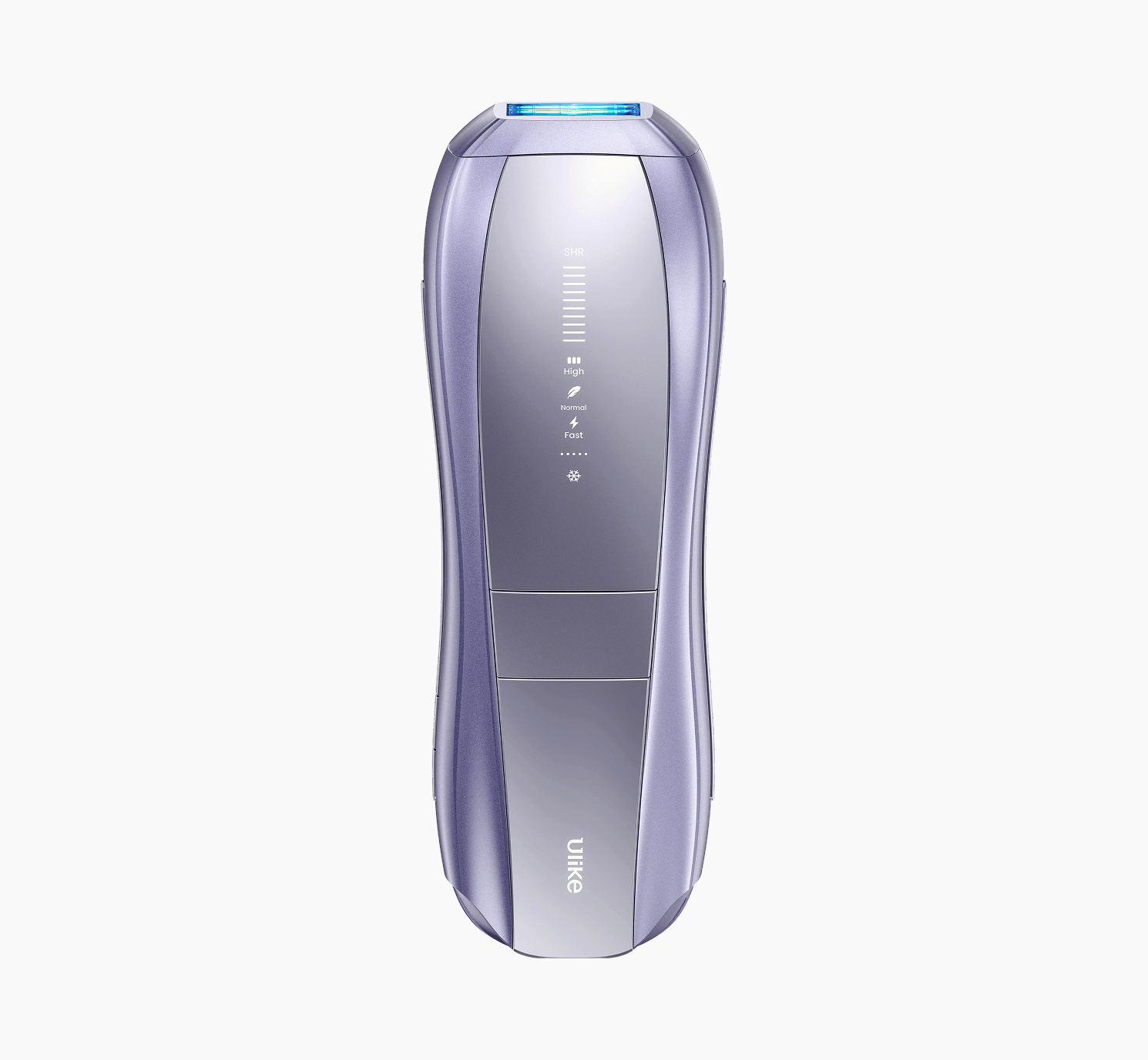
Ulike Air 3
Built for steady, convenient home use. It is constructed to cover larger body parts such as the legs, with variable energy levels that allow you to adjust to the correct level, rather than beginning with maximum energy.
As hair becomes finer and grows back less frequently, the remaining regrowth is less coarse and less likely to cause problems even when it does occur. It is a gradual process, but for anyone dealing with recurring ingrown hairs for years, the shift tends to be worth the patience.
Building a simple routine that actually works
A routine for managing and preventing ingrown hairs does not need to be complicated. It is mainly about consistency.
Ingrown Hair Prevention Tips
Exfoliate
Twice to thrice weekly using a mild chemical scrub, preferably before shaving . Cleans out follicles without irritation of the skin.
Moisturise
Daily, after bathing. Just a basic body lotion sans fragrance helps keep skin soft and unlikely to hold back hair growth.
IPL sessions
For those who want a longer-term solution, consistent use of the Air 3 gradually reduces regrowth frequency, addressing the root cause rather than managing the symptoms.
Frequently asked questions
Why do I keep getting ingrown hairs on my legs?
Ingrown hairs on the legs are normally because of the growth of hair inwards into the skin instead of outwards. Such problems can arise when there is dead skin blocking the hair follicle, shaving too close to the skin, or irritation from clothes.
What is the fastest way to get rid of ingrown hairs on legs?
The safest approach is gentle exfoliation, warm compresses, and allowing the hair to surface naturally. Avoid picking or digging into the skin, as this can cause irritation or scarring. Most ingrown hairs resolve on their own with consistent care.
Does shaving cause ingrown hairs on legs?
Shaving can contribute to ingrown hairs, particularly if done too closely or with a dull blade. This hair grows from a sharp edge, which may turn inside the skin if the follicle is blocked.
Can IPL help prevent ingrown hairs?
Absolutely. IPL reduces the frequency of growth, which lowers the chance of ingrown hairs. As the hair regrows less often and is thinner each time, the chances of ingrown hairs become much lower.
Are ingrown hairs on legs permanent?
No.While ingrown hairs are not necessarily permanent conditions, they do have the ability to recur in the case where the reasons behind them remain unaddressed.
Ready to try a different approach?
If ingrown hairs have become a recurring frustration, it may be less about finding a better quick fix and more about changing the pattern that causes them. The Ulike Air 3 is designed for simple, consistent use at home — gradually reducing regrowth and the conditions that lead to ingrown hairs.
Painful Ingrown Hair Cyst: Causes, Treatment, and When to Be Concerned

IPL for Ingrown Hair: Stop Razor Bumps Long Term
Stop Ingrown Hairs on Legs: Gentle Treatment & Prevention Tips
Explore Beauty

Ulike Air 10
2 weeks to silky smooth skin.
96% Hair Density Reduction in 2 Weeks
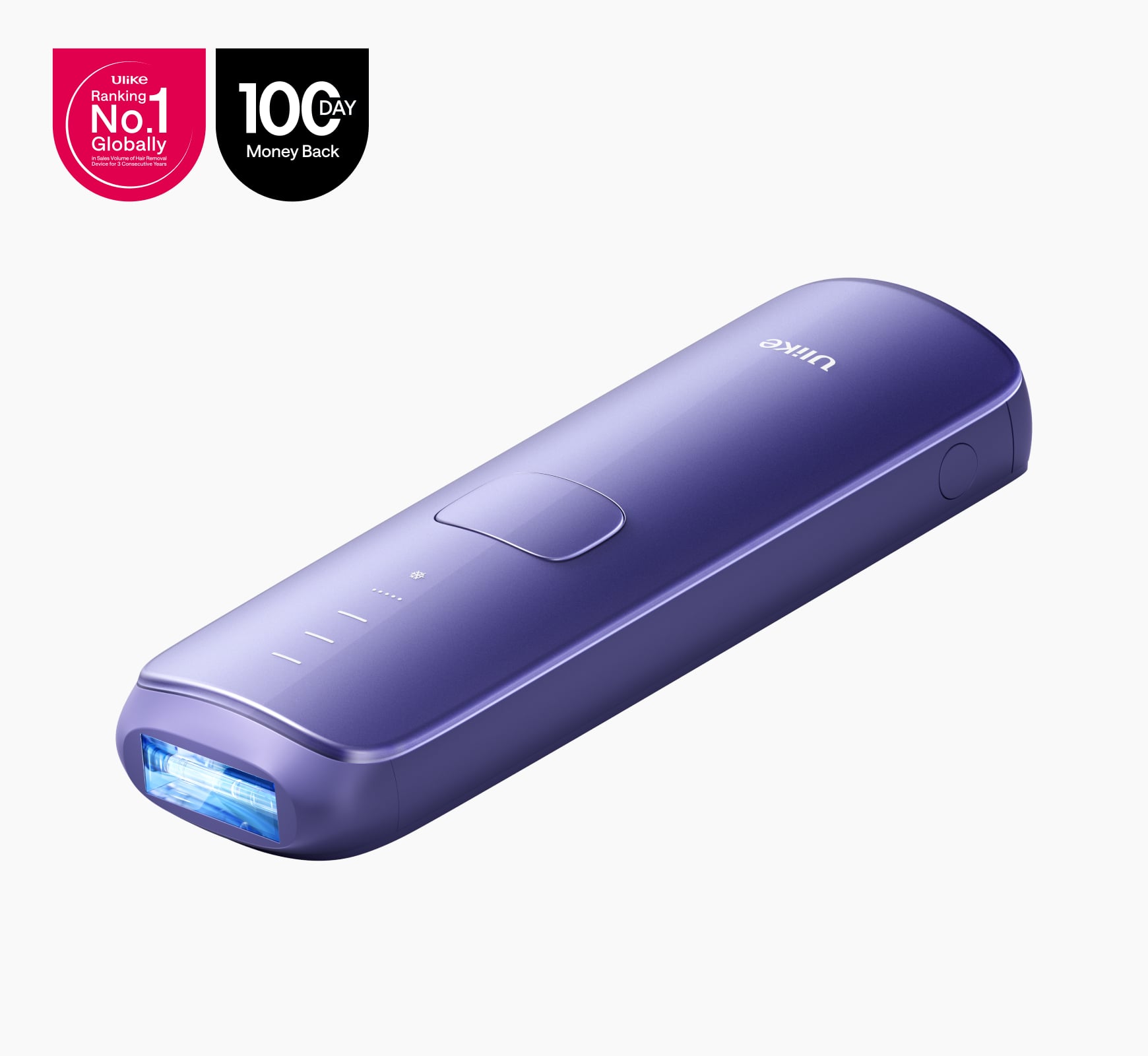
Ulike Air 3
3 weeks to silky smooth skin.
93% Hair Density Reduction in 4 Weeks
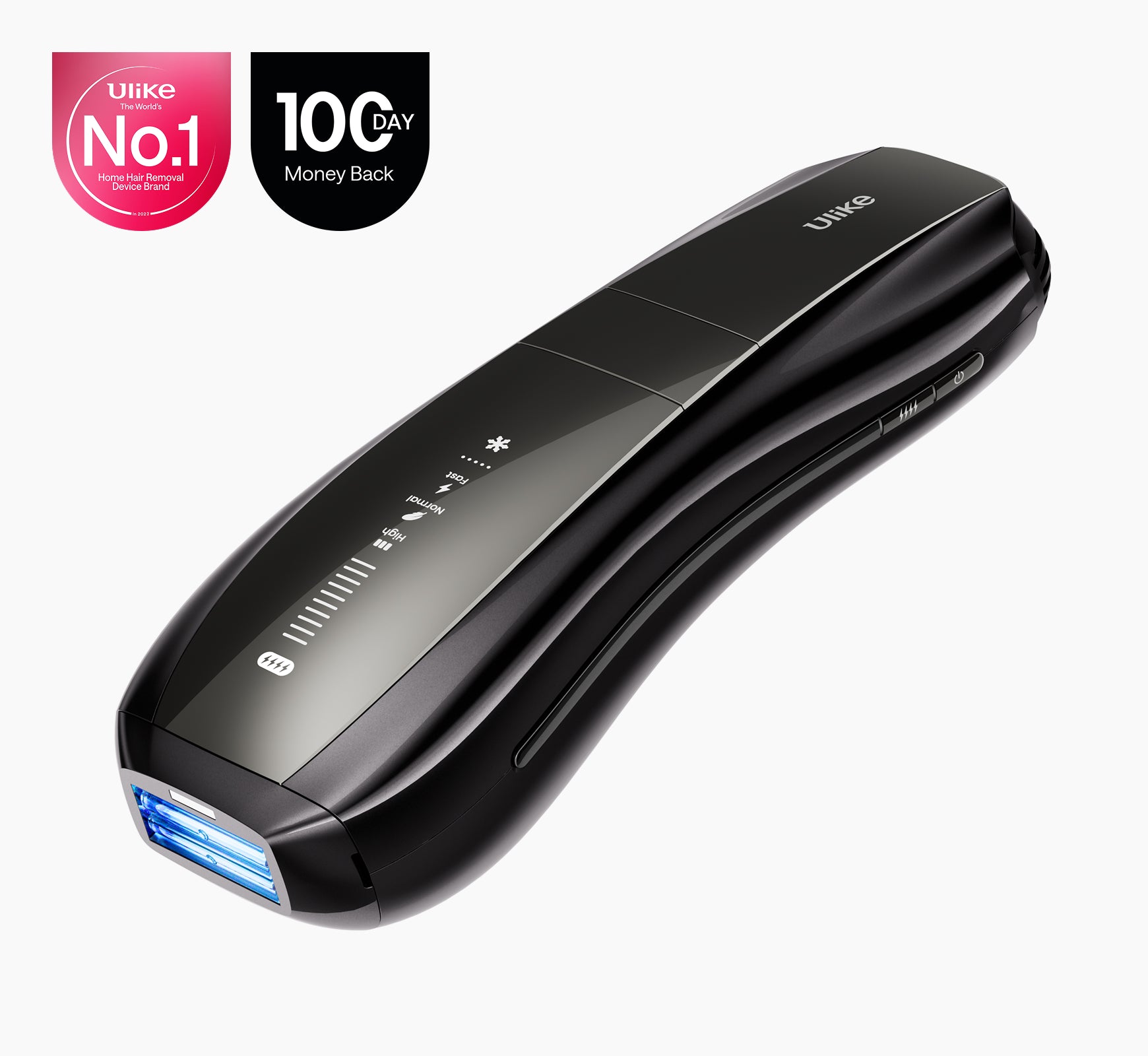
Ulike X
3 weeks to silky smooth skin.
94% hair reduction in just 2 weeks*
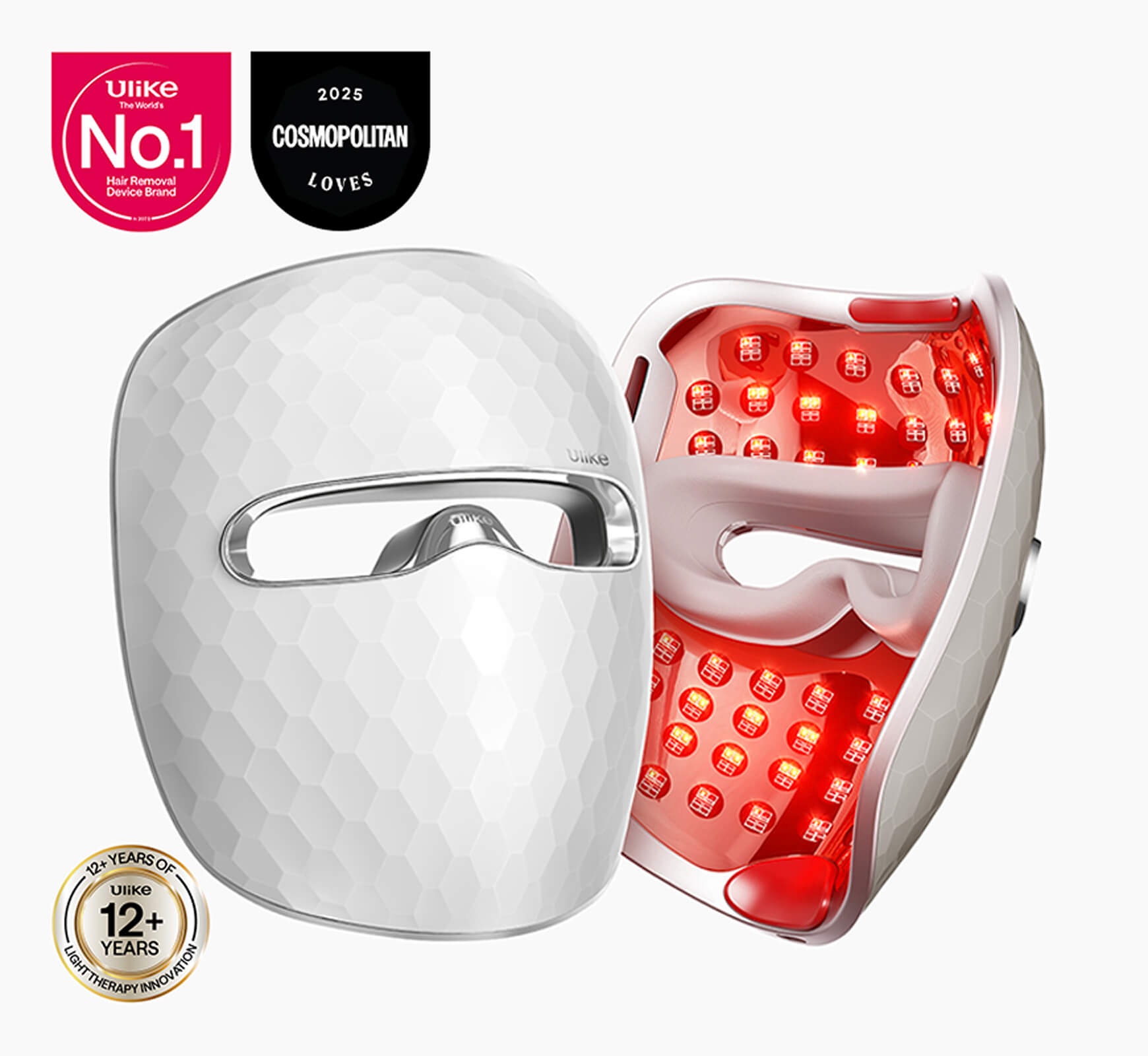
Ulike Reglow
Clearer skin in 2 weeks: Fewer breakouts
Smoother skin in 4 weeks: Fewer lines, firmer feel