




Pubic Hair Care: What's Normal, What's a Myth, and How to Stay Safe
Finding My Own Comfort with Pubic Hair Care
Pubic hair care happens to be an issue that we have many doubts and queries about but don’t find ourselves at ease discussing. How much is considered healthy? Is pubic hair making you unhygienic? Is its removal recommended, and if so, in what manner?
The fact is that there is no definite response, and much of the advice and information out there is simply outdated, inconsistent, or subtly influenced by the cosmetic industry rather than by medical science.
Here, you’ll learn about the function of pubic hair, official recommendations from the NHS, common misconceptions that should be ignored, and proper hygiene techniques in the area.
Why Pubic Hair Exists
I never really wondered why pubic hair grows until I started researching how to groom it. Turns out, according to the British Association of Dermatologists, it's actually pretty important for protection and keeping things clean. It’s not just there for looks; it has a real job to do.
The coolest thing I learned was why vaginal hair is there:
- Less friction: Pubic hair is like a buffer that stops skin from rubbing when you move. That keeps clothes and workouts from causing irritation.
- Bacteria block: Pubic hair is a barrier that lowers the possibility of bad bacteria getting to your lady bits and skin around there.
- Moisture control: Pubic hair wicks away sweat and keeps air flowing. This can make infections from trapped moisture less likely.
- Hormone check: How pubic hair grows or feels can show hormone changes or shifts in your overall condition.
Once I knew what it was actually for, I totally changed how I treat it. Now, I see it as a natural defence instead of something to get rid of. Because of that, I'm way lenient about grooming. I do what works and feels good for my skin.
Pubiic Hair Growth and Patterns
Pubic hair grows in different patterns for everyone, influenced by genetics, hormones, and age. Some common patterns and facts include:
- Distribution: Pubic hair usually grows around the pubic mound and labia, not inside the vagina.
- Density: Some women have thick, dense pubic hair, while others have finer or sparse growth.
- Texture: Pubic hair can be curly, wavy, or straight, and may change over time.
- Growth Changes: Hormonal shifts (puberty, pregnancy, menopause) can affect thickness and speed of growth of your vaginal hair.
- Personal Variation: Everyone’s pattern is unique. There’s no “normal” when it comes to pubic hair.
Recognising your own pubic hair growth patterns can help you choose whether to keep it natural, trim, or explore other safe care options that suit your comfort and lifestyle.

Myths and Misconceptions About Pubic Hair
One striking thing that happened to me when I began my journey on pubic hair care was that my mind was flooded with various myths. A few had the ring of truth, but a consultation with a dermatology expert plus a study of NHS guidelines made it obvious that most were false.
The following are some of the myths that have struck my mind on vaginal hair and the insights I gained through personal trial, research, and reading.
Myth 1: Having pubic hair is unhygienic
I used to believe that removing all my pubic hair meant more cleanliness. But it turns out that this can sometimes be the opposite. The NHS claims that pubic hair acts as a buffer between your skin and the outside environment and thus protects your skin by preventing rubbing and keeping germs away from sensitive areas. So it’s absolutely normal and even beneficial for your skin to have vaginal hair.
Myth 2:There is one standard for what pubic hair should look like
The notion that one should follow one specific approach regarding their pubic hair style is common in society and totally misleading. Women in the United Kingdom have freedom of choice on all levels, including being completely natural, trimmed, or even shaved.
There are no guidelines in the NHS about how to groom yourself. The important thing is that it must be safe for you and you feel good doing it; there is no need to follow a trend.
Myth 3: Getting rid of hair always messes up your skin
I learnt that the removal of pubic hair itself isn’t the culprit rather the method you use. Over shaving or using strong creams could cause the skin to become irritated or lead to the occurrence of ingrown hairs but being gentle will keep the skin content.
Usually, skin doctors would recommend one to exfoliate gently, use clean razors and avoid strong products. I also experienced the same when I used to rush through my routine and relied on IPL treatment at home, my skin would not be so irritated anymore.
Myth 4: Pubic hair makes you less feminine
The perspective of beauty that comes from social media is often quite limited and I used to feel that in order to maintain cleanliness I had to remove all of my hairs. The truth of the matter is that hair on the body does not determine womanhood. After I stopped caring about what was in and I started to care about what was comfortable for me, I became so much more assured in my skin.
Knowing the lies about these myths made my perception of vaginal hair different. It is a normal, useful body part and nobody should feel embarrassed about it. It doesn't matter if you choose to get rid of it, cut it, or let it be, what really counts is that you are making the decision based on your comfort and understanding, not on the old-fashioned concepts.

How to Remove or Care for Pubic Hair Safely
I have gone through all the possible ways of pubic hair care: shaving, waxing, trimming, and more lately, using home IPL. Some of them were tolerable for a while, others gave me irritation that I would not like to go through again. Through a little research and a dermatologist’s advice over time, I have seen what really keeps the area healthy and comfortable.
The following points are the main ones that help me with the pubic hair and the skin around it.
Keep It Clean but Gentle
Good hygiene in this area means gentle, not intensive. The skin around the pubic area is sensitive, and over-washing or using fragranced products can disrupt its natural pH balance and cause irritation.
The NHS advises using warm water and a mild, unscented wash. After cleansing, pat the area dry with a clean towel rather than rubbing. It sounds simple, but consistency with gentle care makes a noticeable difference in avoiding irritation long-term.
Trim or Shape with Care
Honestly, when I just wanna clean things up a bit, trimming is my go-to. I grab a tiny pair of rounded scissors or sometimes an electric trimmer that’s actually meant for delicate spots. Always trim on dry hair; damp hair clings and makes it harder to cut evenly.
Trimming avoids the razor burn, ingrown hairs, and regrowth itch that shaving can cause, making it a good starting point if you are new to grooming or have sensitive skin.
If You Shave, Prep and Protect
Before shaving, I jump in the shower first. The warm water makes the pubic hair all soft and way easier to deal with. Then I slap on some plain, no-nonsense gel (fragrance is just asking for trouble down there) and always, always use a sharp razor. Trust me, a dull blade is just begging for nicks and that lovely burning sensation (ask me how I know).
I only go with the grain. None of that wild zig-zag stuff, and I avoid going over the same spot a million times. After I’m done, I rinse with cool water and hit the pubic hair area with some soothing moisturiser or aloe gel.
Consider Longer-Term Options
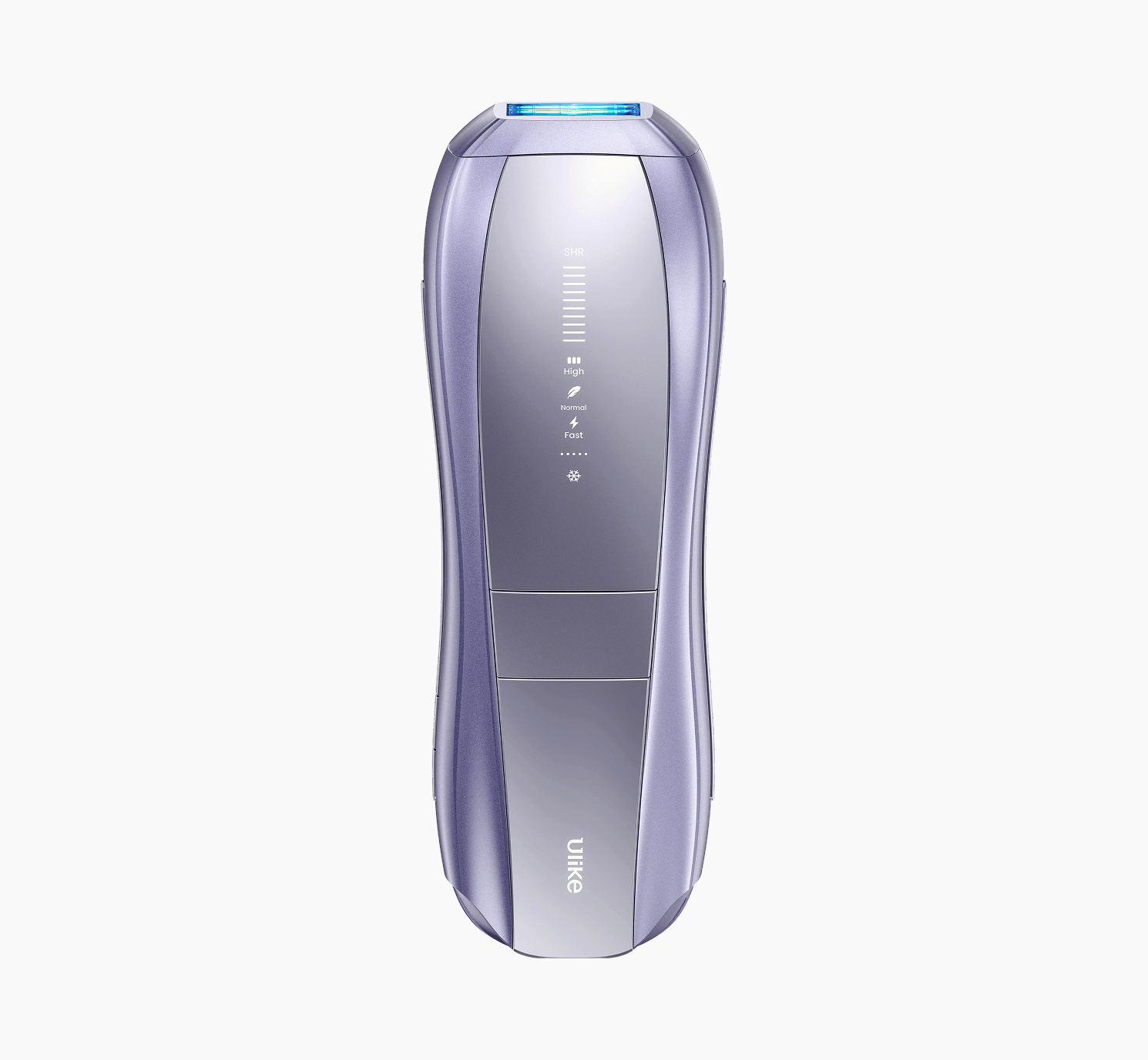
Waxing was a disaster for my skin: red bumps, itchiness, the whole circus. So, I got curious about stuff that wouldn’t leave me looking like I’d wrestled a cactus. That’s when I stumbled onto IPL, aka intense pulsed light. This gadget basically zaps your pubic hair follicles with flashes of light, and over time, the regrowth slows down. I used an at-home IPL device made for sensitive skin. Way fewer ingrowns, less angry skin, and I get to be lazy for weeks because it actually lasts.
The Ulike Air 10 is designed with sensitive skin in mind, making it suitable for use on the bikini and pubic area. Many UK dermatologists consider at-home IPL one of the safer long-term options for this area when the device instructions are followed carefully. As with any method, a patch test before full treatment is recommended.
Prevent Ingrown Hairs Before They Start
Ingrown hairs are the worst. Used to get them all the time. Now, I just exfoliate gently once or twice a week with just a soft washcloth or a mild scrub. Then I slap on some basic, unscented lotion. Smooth and hydrated skin seems to keep those annoying little vaginal hairs from looping back under.
If one does show up, I hit it with a warm compress and let nature do its thing. Picking? Nope, learned that lesson. Makes everything ten times worse. And if it gets super red or looks sketchy, I’ll check in with my GP or just pop down to the pharmacy. Prevention is so much less hassle than dealing with the aftermath.
Choose Breathable Fabrics
Tight, plasticky pants are absolutely not worth it. They just turn everything into a sweaty mess and make any irritation ten times worse. These days, I mostly stick with cotton underwear, especially after I deal with pubic hair removal. Honestly, it’s such a tiny swap, but it makes everything down there feel way more chill.
Pubic hair care without being all paranoid about trends has changed the game for me. I’m so over trying to match some weird beauty standard. Now, it’s just about treating my skin kindly and picking what feels good, full stop. Once I stopped obsessing over how things looked and focused on comfort and health, my whole routine just got way easier. Feels more natural, less stressful, and a lot more me.

Finding the Best Pubic Hair Care Routine for You
Let’s be real, there’s no secret manual for handling your pubic hair. Some of us rock the wild, au naturel vibe, others trim it up like a topiary, and a few are all about that silky-smooth life. There’s no “right” way—just what feels good for you.
If you’re eyeing long-term options, I have to say IPL is for me. No more endless razor burn or booking awkward salon appointments. I just zap and go, and it quietly became part of my routine. Way less drama, way more chill. Plus, my skin isn’t throwing a fit every week, which is a win.
In general, your body, your rules. Pay attention to what your skin’s telling you, and forget about anyone’s “shoulds” or “shouldn’ts.” It took me a minute (and a few regrettable experiments) to figure out what worked, but once I did, damn, I felt so much better in my own skin.
And can we please stop pretending pubic hair is some sort of scandal? It’s just hair. Manage it—or don’t—in a way that feels right for you, not because you think you have to impress anyone. That’s honestly the only thing that matters.
Frequently Asked Questions About Pubic Hair Care
Before wrapping up, I wanted to answer a few of the questions that often come up when people talk about pubic hair care. These are the things most of us wonder about but don’t always feel comfortable asking out loud.
What is the hair in the private area called?
The hair that grows around the genitals and pubic bone is called pubic hair. It grows on the pubic mound, around the labia in women, and around the base of the penis in men. It is a normal secondary sex characteristic that develops during puberty.
Is it necessary to remove hair from private parts?
No. Pubic hair removal is entirely a personal choice and is not required for hygiene or health. The NHS does not recommend removal as a hygiene standard. If you do choose to remove it, doing so safely and gently is what matters most.
Is it okay to pluck pubic hair?
Plucking is not recommended for the pubic area. The skin here is sensitive and plucking individual hairs can cause inflammation, ingrown hairs, and folliculitis (infected hair follicles). Trimming, shaving with proper prep, or IPL are gentler and more practical alternatives.
Should a woman shave her pubic hair?
Of course, if she chooses to. Shaving is harmless if performed properly using a sanitised razor, unscented gel, and with hair moving in its natural flow direction. Shaving is not necessary for good hygiene, and women who opt for natural pubic hair have nothing to feel ashamed about.
Is IPL safe for pubic hair removal?
IPL is considered one of the safer long-term options for reducing pubic hair when used correctly. It should only be used on the external pubic area — not on mucous membranes or internal areas. Always follow the manufacturer's instructions, do a patch test first, and choose a device designed for sensitive skin such as the Ulike Air 10.
Does Gen Z like pubic hair?
Attitudes towards pubic hair among younger generations have shifted noticeably towards personal choice rather than a single standard. Surveys and trend reports suggest Gen Z is more likely than previous generations to keep pubic hair natural or lightly groomed, influenced by body positivity movements and a broader rejection of prescriptive beauty standards.
Related Readings


Can You Use IPL on Freckles? | Safety & Hair Removal
Can You Use IPL on Your Face Every Day? How Often Should You Use It?
What to Do Between IPL Treatments: Shaving, Exfoliation & Hair Regrowth
Explore Beauty

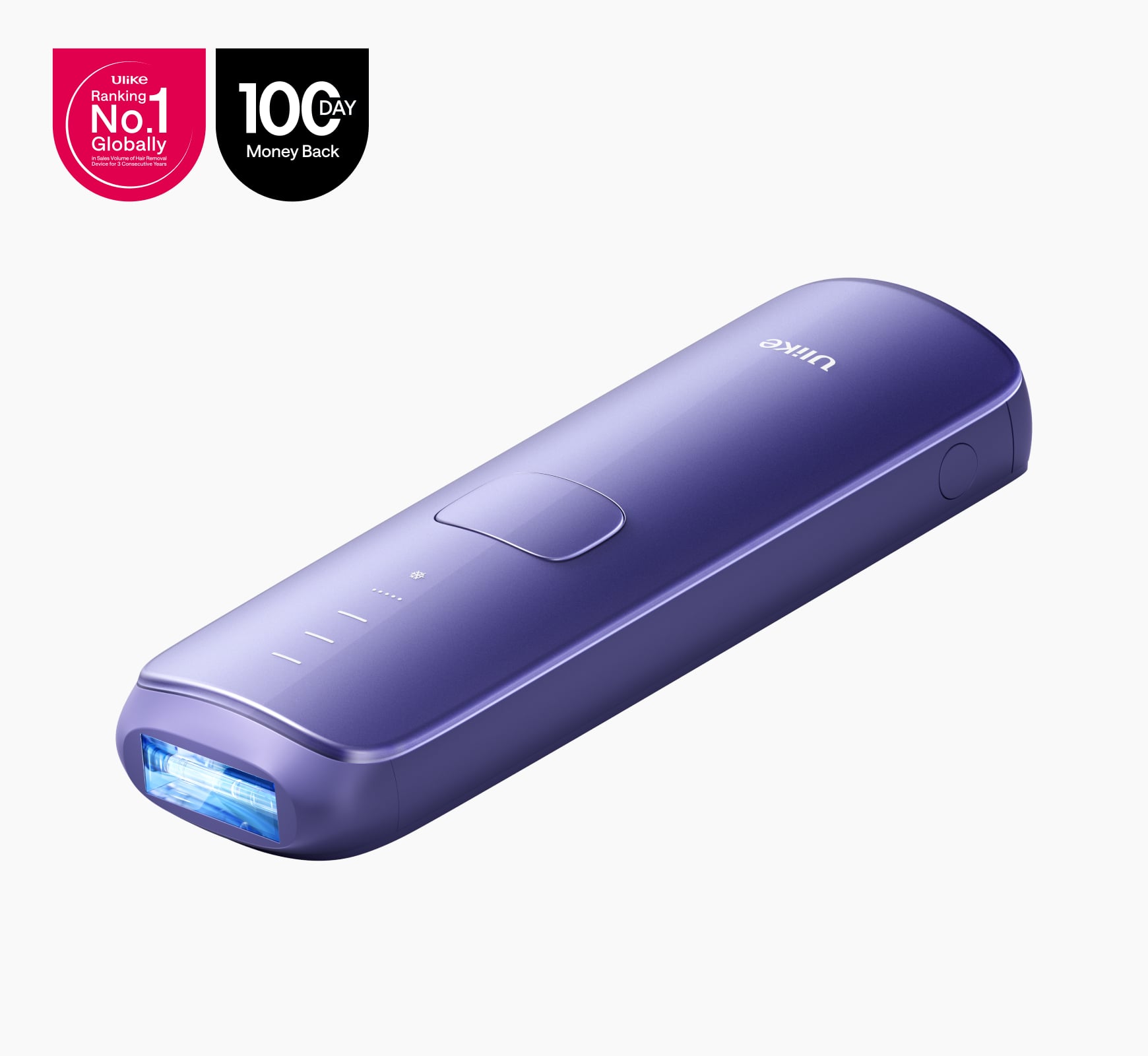
Ulike Air 10
2 weeks to silky smooth skin.
96% Hair Density Reduction in 2 Weeks
Ulike Air 3
3 weeks to silky smooth skin.
93% Hair Density Reduction in 4 Weeks
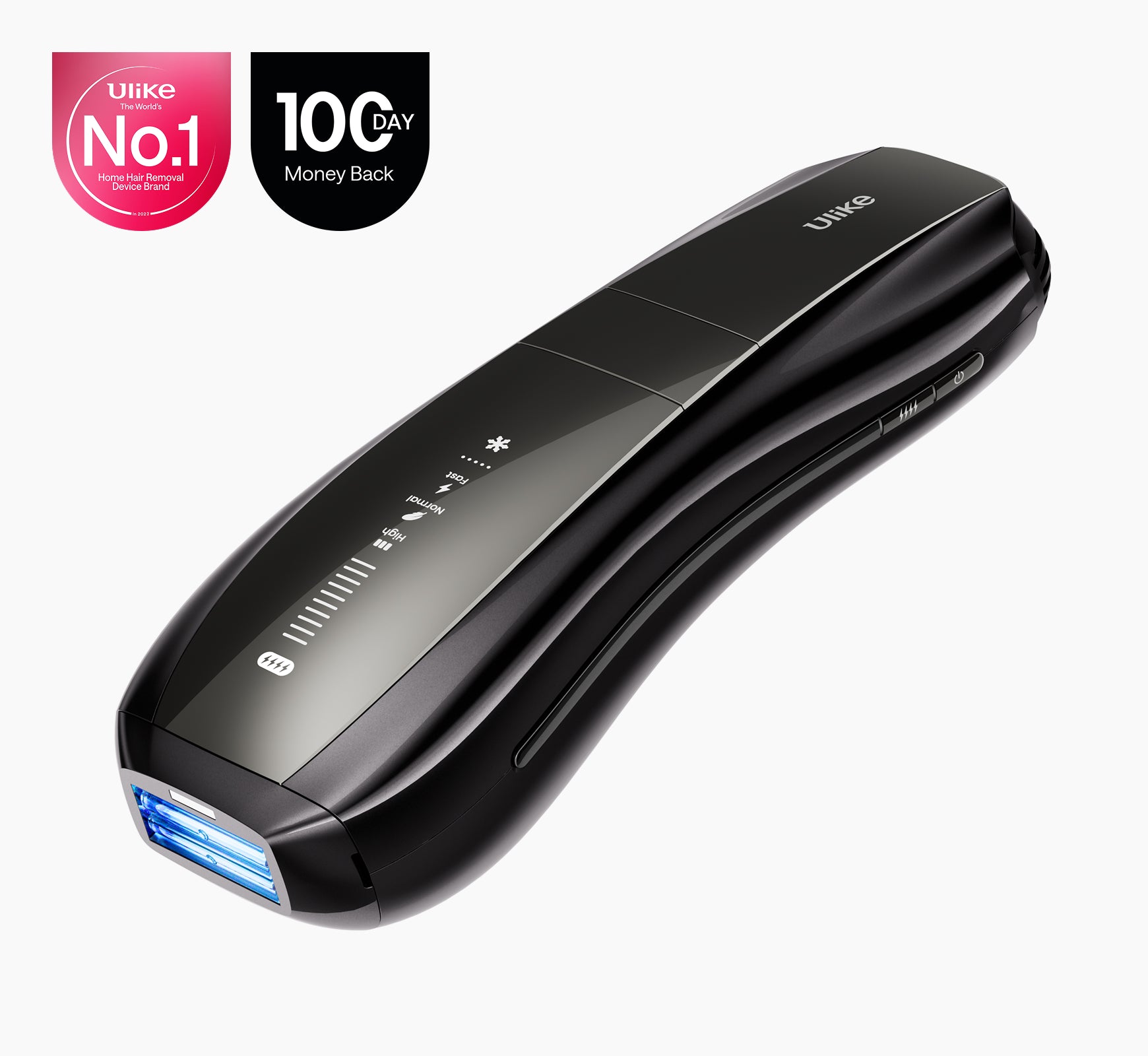
Ulike X
3 weeks to silky smooth skin.
94% hair reduction in just 2 weeks*
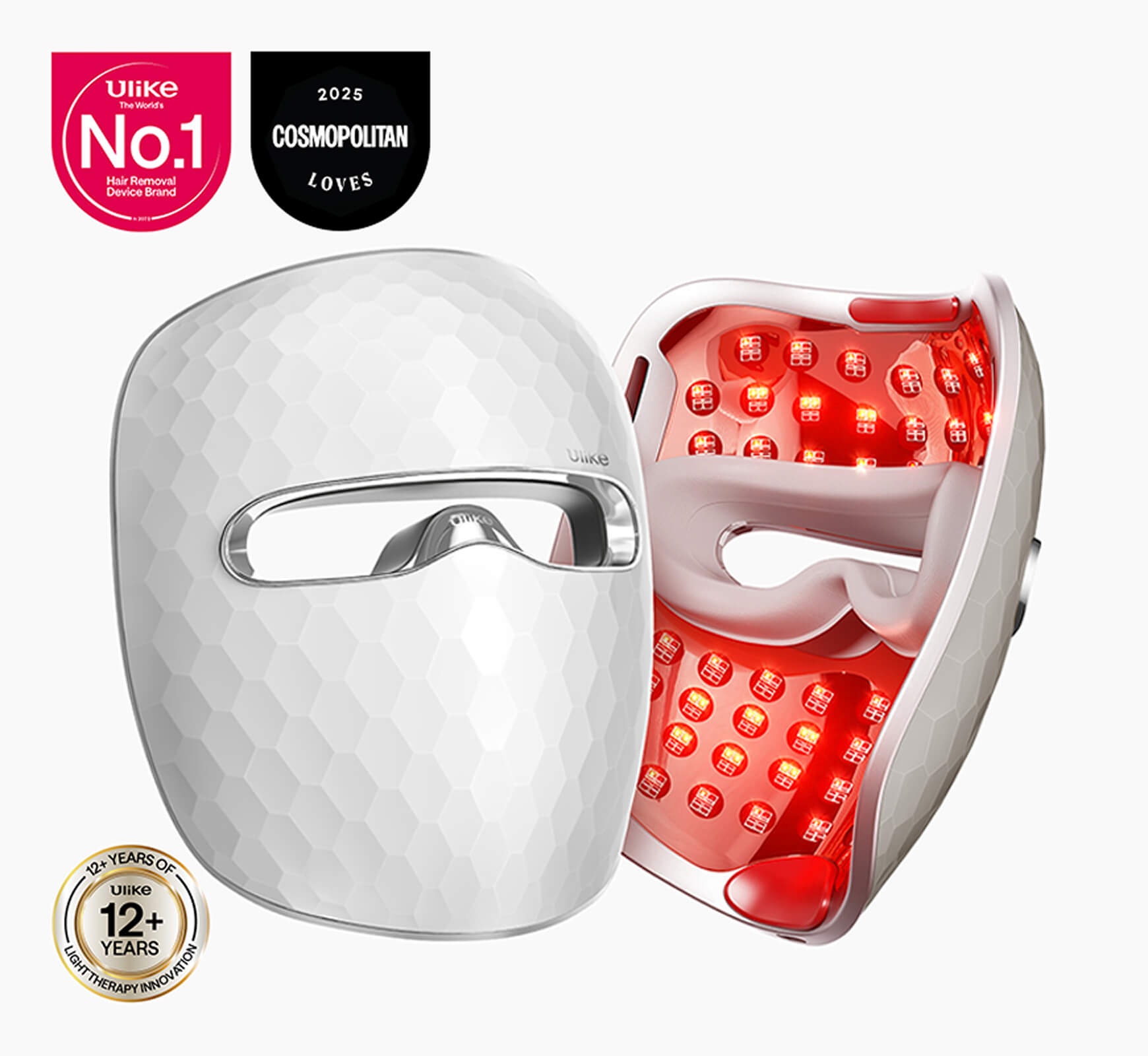
Ulike Reglow
Clearer skin in 2 weeks: Fewer breakouts
Smoother skin in 4 weeks: Fewer lines, firmer feel