


LED Face Masks for Dark Spots: What UK Buyers Should Look for Beyond the Claims

Look at the product pages for LED face masks for dark spots and the same words keep appearing: brightening, radiance, tone-perfecting, skin renewal. Very few say what was measured, at which wavelength, or on which kind of pigmentation. A mark left by a spot, a patch caused by years of sun exposure and melasma have different causes, and the way light affects skin depends heavily on the wavelength and how it is delivered.
A colour name is where the question starts. The wavelength in nanometres, the treatment protocol, the way the device sits on the face and the evidence behind a specific claim tell you far more about what a mask is likely to do.
Can LED Face Masks Actually Help With Dark Spots?
LED light therapy technology has been studied for a variety of purposes including skin rejuvenation, acne and more recently pigmentation. Scientists have looked into how various wavelengths interact with the cells within the skin and their potential to control melanin related processes.
Melanin is a pigment found in the skin that can cause many types of hyperpigmentation. In lab settings, certain wavelengths have been looked into to see how they affect an enzyme called tyrosinase which is involved in melanin production. Some research has also looked into this in humans.
The findings are encouraging, particularly as researchers begin to investigate wavelengths specifically for pigmentation. However, the results need to be considered in the context of the treatment used. Wavelength, irradiance, session length and treatment frequency can all influence how light therapy is delivered. This means that findings from one study are most relevant to the particular device and treatment protocol that researchers tested.
It is also useful to understand the difference between aesthetic benefits vs. actual pigment reduction. Some studies will look at the overall effect LED therapy has on skin appearance whilst others will look at the effect it has on melanin or dark spots. These are related but different results so it is important to see what they were looking at.
Can LED Face Masks Fade Dark Spots?
LED light therapy technology has been studied for a variety of purposes including skin rejuvenation, acne and more recently pigmentation. Scientists have looked into how various wavelengths interact with the cells within the skin and their potential to control melanin related processes.
Melanin is a pigment found in the skin that can cause many types of hyperpigmentation. In lab settings, certain wavelengths have been looked into to see how they affect an enzyme called tyrosinase which is involved in melanin production. Some research has also looked into this in humans.
The findings are encouraging, particularly as researchers begin to investigate wavelengths specifically for pigmentation. However, the results need to be considered in the context of the treatment used. Wavelength, irradiance, session length and treatment frequency can all influence how light therapy is delivered. This means that findings from one study are most relevant to the particular device and treatment protocol that researchers tested.
It is also useful to understand the difference between aesthetic benefits vs. actual pigment reduction. Some studies will look at the overall effect LED therapy has on skin appearance whilst others will look at the effect it has on melanin or dark spots. These are related but different results so it is important to see what they were looking at.
What Causes Dark Spots & Hyperpigmentation
Dark spots occur because melanocytes (pigment producing cells in the epidermis) increase their synthesis of melanin within a particular area and distribute it to nearby skin cells. How this increases will vary depending on what triggers it and how long lasting it will be.

Sun-Induced Pigmentation
Exposure to ultraviolet light causes stimulation of melanocytes. Eventually, this can cause small flat raised brown marks called solar lentigines. Typically, they will appear on the face, hands and shoulders. As UV exposure increases melanin production, it can be easy to reverse any fading if you do not protect your skin every day. It is recommended by the NHS to wear a high factor (SPF 30+) broad-spectrum sunscreen, liberally.
Post-Inflammatory Hyperpigmentation
Hyperpigmentation can occur after an inflammatory skin condition such as acne, eczema, insect bites, burns, and certain cosmetic treatments. A common problem that occurs more prominently and for longer in individuals with deeper skin tones. The pigmentation can take months to fade. Spot picking will make the inflammation last longer, therefore worsening the pigmentation.
Melasma
Melasma produces larger, symmetrical patches, usually across the cheeks, forehead or upper lip. It is influenced by hormonal factors such as pregnancy or hormonal contraception, and by UV and visible light, and it often returns after it has faded. Because light exposure is part of the picture, speak to a GP, pharmacist or dermatologist about any light-based device before you begin using one.
They are not interchangeable. If you have any dark area that is new, changing in shape or colour or has an irregular edge then you should see your GP rather than try to treat it.
How LED Light Therapy Works for Skin Concerns
An LED mask delivers light at specific wavelengths, measured in nanometres (nm). Skin cells contain light-absorbing molecules called chromophores, and photobiomodulation research looks at how light absorbed at a given wavelength changes cell activity. Wavelength influences how light interacts with skin and how deeply it can penetrate. The amount absorbed or scattered also depends on the properties of the tissue, which is why a colour name alone tells you relatively little about a device's effects.
Four variables decide what a device actually delivers:
Wavelength: the colour of the light, in nm.
Irradiance: how much light power reaches each square centimetre of skin, usually given in mW/cm².
Duration: how long each session lasts.
Frequency: how often sessions take place.
Irradiance describes the power delivered per unit of skin area. When multiplied by exposure time, it gives radiant exposure, or fluence, usually expressed in J/cm². This is why two masks with the same wavelengths may deliver different doses depending on their output and session duration. For how LED sits alongside other approaches, see LED skin treatments → RF vs HIFU vs LED.

Green Light and Melanin Research
A 2025 study published in Acta Dermato-Venereologica investigated 505 nm green LED in laboratory models and a human intervention study. The human study involved 15 women aged 45–57 and used a split-face design: one side received green LED exposure while the other remained untreated. Participants used the mask for 10 minutes, six times a week, over eight weeks. Researchers reported improvements in melanin index, skin brightness, skin colour index and dark-spot count on the treated side.
These findings offer early evidence that 505 nm green light may influence pigmentation. However, the human study was small and tested one specific device and treatment schedule. Its results cannot establish that all green LED masks produce the same effects, or that consumers can expect similar results from devices using different wavelengths and settings.
Can green light therapy remove dark spots? Early research on 505 nm green LED reports less melanin and fewer visible spots over eight weeks in one human study. That is promising, but it is one study with specific conditions and does not show that green LED masks remove dark spots in general.
Red Light and Overall Skin Appearance
Red light, typically around 620–660 nm, is the most widely studied wavelength in skin photobiomodulation. Research has looked at skin texture, fine lines and collagen-related markers, so the evidence concerns overall skin appearance. Evidence that red light removes existing dark spots or directly inhibits melanin production is not established, and improvements in general appearance should not be read as pigment reduction.
Yellow and Near-Infrared Light
Yellow light (roughly 570–600 nm) and near-infrared light (roughly 800–850 nm, invisible to the eye) both appear in LED skincare. Near-infrared penetrates deeper than visible light. What the research shows depends on the wavelength, the treatment parameters and the outcome measured, and little of it addresses surface pigmentation in consumer masks. Read: yellow light therapy for skin.
The Ulike ReGlow shows how a manufacturer can combine these. Its Glow Mode pairs 590 nm yellow, 630 nm red and 830 nm infrared light, and Ulike states that the mode brightens the appearance of blemishes and dullness for a more radiant-looking complexion. That describes a cosmetic purpose, not a pigmentation treatment.
What About Blue Light?
Blue light, around 415–465 nm, has the more established role in acne-focused skincare. It is not a primary dark-spot solution.
Is blue light good for dark spots? Not as a primary approach. Blue light is more commonly associated with acne-focused LED treatments than pigmentation. Although acne can leave post-inflammatory marks, treating active breakouts and addressing existing pigmentation are two different objectives.
What to Look for in an LED Face Mask for Dark Spots
Are LED face masks worth the money? That depends on what you expect from one and how well a particular device is documented. A mask with published specifications, clear instructions and evidence that matches its claims is a more informed purchase than one sold on colour names and LED counts. Expect a support for your skincare routine rather than a substitute for dermatological treatment.
Published Wavelength Specifications
Look for wavelengths in nanometres for each mode, not just “red” or “yellow”. Colour names cover a range of wavelengths, and the research on skin behaves differently at different points within them. A brand that publishes exact values makes it possible to compare a product against the evidence. If the figures aren’t on the product page or in the manual, that is worth noting.
Treatment Protocol and Usage Guidance
Session length, weekly frequency and the period of use should all be spelled out. Results in studies depend on a defined schedule, so a device should tell you what that schedule is and how consistently it needs to be followed. Vague guidance such as “use regularly” gives you nothing to test a claim against.
LED Coverage and Device Design
Check how evenly the LEDs are distributed across the face, and whether the mask sits close to the skin without pressure or gaps. Comfort affects how consistently you will use it. A higher LED count doesn’t guarantee better results, because spacing, wavelength and output matter as much as quantity.
Irradiance and Light Delivery
Irradiance is how much light power reaches each square centimetre of skin, normally expressed in mW/cm². It has to be read alongside session length and the manufacturer’s protocol, because total dose combines the two. A higher figure is not automatically better. Ask whether the number is measured at the skin, and whether it relates to the instructions given.
Clinical Testing and Supporting Evidence
When a brand cites testing, ask:
Was the device being sold the one tested?
Were the wavelengths and treatment parameters disclosed?
Were outcomes measured objectively, for example with a skin-analysis instrument rather than self-reported opinion?
How many participants took part?
Was the study independently assessed?
Did it examine the specific benefit being advertised?
Product Safety and UK Consumer Information
Look for clear instructions, eye-protection guidance and transparent product documentation. A conformity marking shows a product meets a defined standard. It does not prove that the device delivers a cosmetic benefit.
What are the side effects of LED light therapy? Side effects are usually mild and temporary, such as warmth, redness or eye discomfort from bright light. If you have a photosensitivity condition or take a medicine that increases light sensitivity, check with a GP or pharmacist before using one. For more detail, see LED face mask safety guide, and for broader device selection, see LED face mask buying guide.
How to Evaluate LED Face Mask Claims
Claims on an LED mask page tend to fall into two groups. Some describe how skin looks, such as “radiant” or “brighter”. Others describe something that was measured, such as “reduces dark spots”. The two need different levels of proof, and the wording often blurs the line.
UK advertising rules draw the same distinction. Before publishing, advertisers must hold documentary evidence for claims that consumers are likely to read as objective. For beauty products, the CAP’s experience is that efficacy claims need to be supported by tests on people. Testimonials alone do not count as substantiation. Objective claims can also be implied through images, so before-and-after photos are assessed as claims in their own right.
Marketing claim |
What to check |
Brightens skin |
What specific appearance-related outcome was assessed? |
Improves uneven tone |
Was skin tone or pigmentation actually measured? |
Reduces dark spots |
Was pigmentation reduction demonstrated? |
Clinically tested |
What device, protocol and outcome were tested? |
More powerful LEDs |
What measurement supports the comparison? |
Dermatologist recommended |
Is there a named professional and a substantiated recommendation? |
None of this makes a brand dishonest for using a cosmetic phrase. “Brightens the appearance of dullness” is a reasonable claim about how skin looks. It becomes a problem when it is presented as, or read as, proof that pigmentation has been reduced.
How Ulike ReGlow Fits Into a Modern LED Skincare Routine
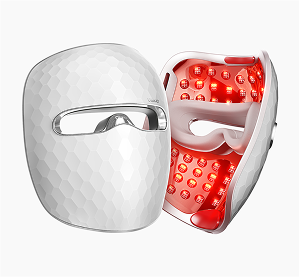
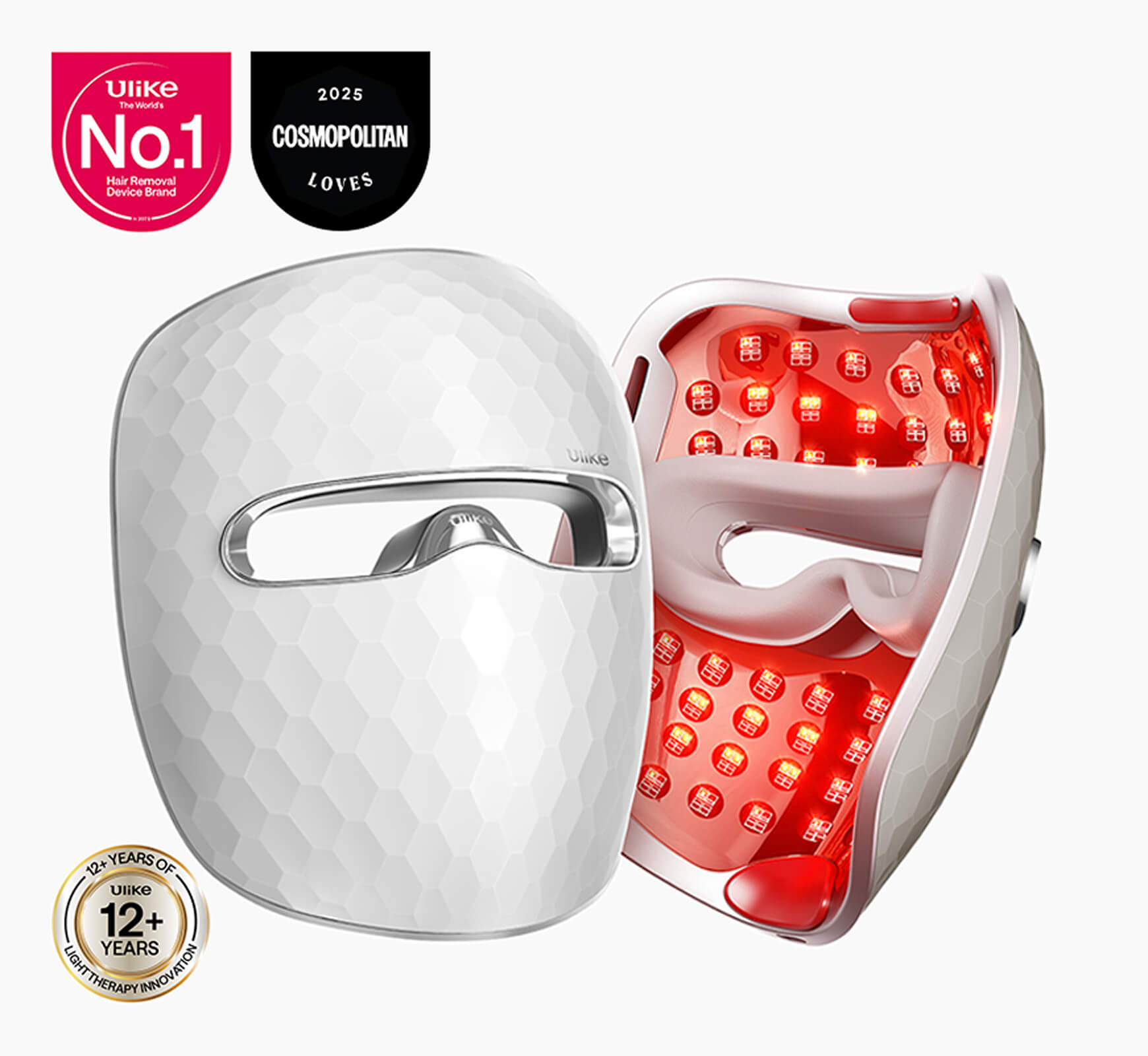
The Ulike ReGlow LED face mask illustrates why it is worth checking a device's actual wavelengths and intended uses rather than relying on colour names alone. It combines four LED modes, each designed around a different skincare concern:
Mode |
Wavelengths |
Ulike's stated purpose |
Glow |
Yellow 590 nm + red 630 nm + infrared 830 nm |
Brightens the appearance of blemishes and dullness for a more radiant-looking complexion |
Firm |
Red 630 nm + infrared 830 nm |
Supports collagen-related skin benefits, helping plump the skin and reduce the appearance of wrinkles |
Rejuvenate |
Yellow 590 nm + infrared 830 nm |
Supports the skin barrier for a calmer, more even-looking complexion |
Clear |
Blue 465 nm + red 630 nm + infrared 830 nm |
Targets acne-causing bacteria to soothe irritation and help control breakouts |
For readers concerned about uneven-looking skin, Glow Mode is the most relevant to consider. Ulike describes it as a brightening mode for the appearance of blemishes and dullness. This is a cosmetic benefit related to radiance and overall appearance, rather than a claim that the device removes established pigmentation or treats melasma.
The other modes address different aspects of skincare. Firm Mode combines red and infrared light and is designed around firmness and the appearance of wrinkles. Rejuvenate Mode pairs yellow and infrared light, with a focus on supporting the skin barrier and a calmer-looking complexion. Clear Mode combines blue, red and infrared light for breakout care. This gives the mask several treatment options without positioning every mode as a solution for dark spots.

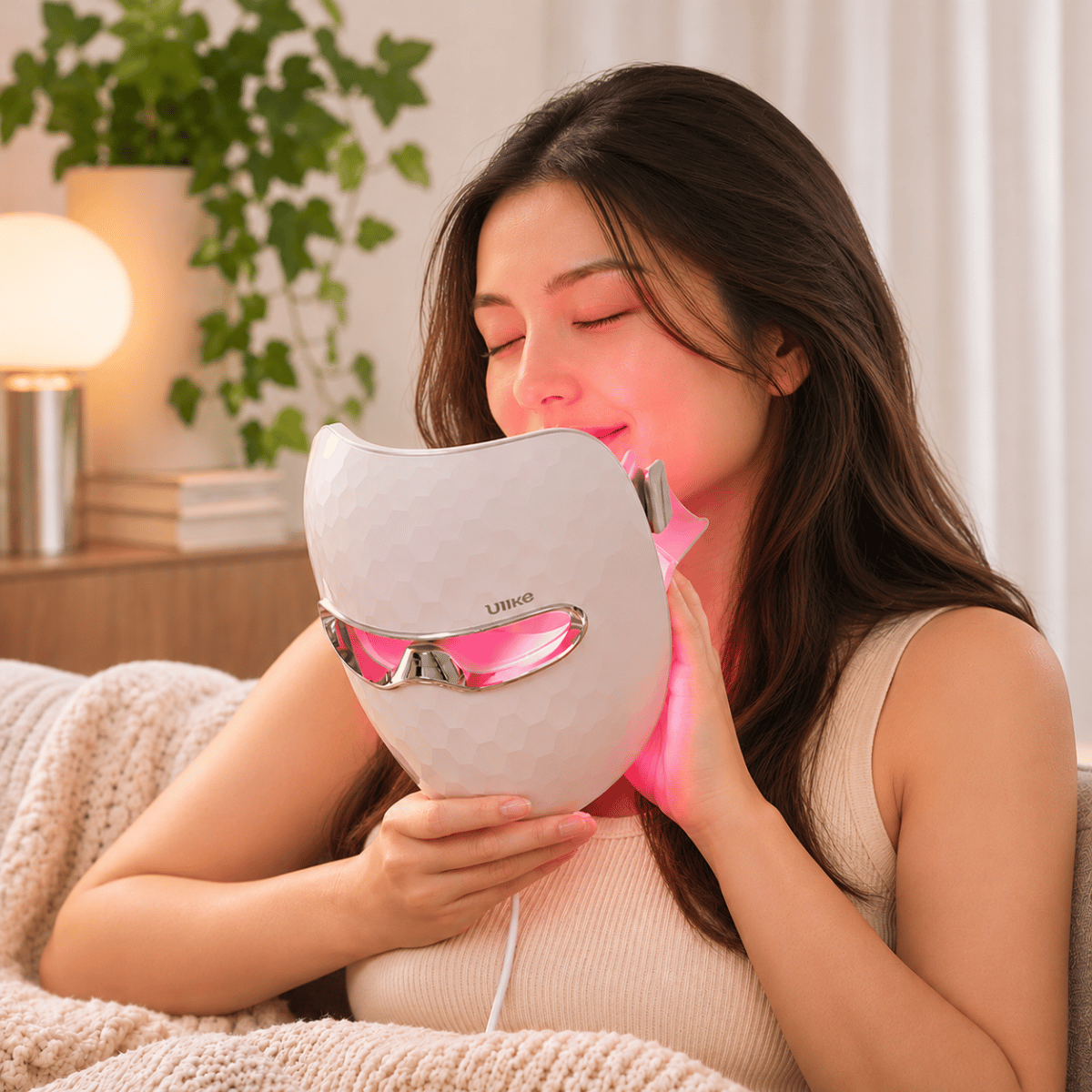
The design also addresses practical considerations when choosing an LED mask. ReGlow has 272 LED beads and Ulike's 360° Mirror Reflection Technology, which is designed to distribute light across the face. Its 3D ergonomic fit is intended to sit comfortably against facial contours, while the built-in silicone eye seal provides an additional design feature around the eye area. LED count alone does not establish effectiveness, but coverage, fit and comfort can all influence how practical a device is to use consistently.
Ulike recommends using ReGlow three times a week. Glow and Clear sessions last five minutes each, while Firm and Rejuvenate sessions last eight minutes. The manufacturer's guidance is to use one or two modes per session, without exceeding 20 minutes in total. Follow the official instructions for mode selection and use rather than extending sessions in the expectation of faster results.
For readers comparing LED masks, ReGlow offers published wavelength specifications and four clearly differentiated skincare modes. Its Glow Mode may appeal to those looking to address the appearance of dullness and blemishes, while the other modes provide options for firmness, skin-barrier support and breakout care. As with any LED device, these stated cosmetic purposes should be distinguished from evidence of measurable improvement in established pigmentation.
How to Incorporate an LED Face Mask Into Your Skincare Routine
Start with the manufacturer’s instructions, since session length, frequency and the right mode for your concern are set by the device. For ReGlow, use Ulike’s official guidance. Cleanse and prepare the skin as the instructions direct, and keep to the recommended protocol consistently rather than extending sessions.
Can you use an LED mask every day? That depends on the device. Some are designed for regular short sessions and others for fewer, so the answer is in your mask’s own instructions. More frequent use does not make a device work harder, so do not go beyond the recommended schedule.
What skincare ingredients should I use with an LED mask? A gentle cleanser, a moisturiser and daily sunscreen suit most routines. Be careful when introducing actives such as retinoids or exfoliating acids, because they can irritate skin and make it more sensitive to light. Add one at a time, check the device instructions, and ask a pharmacist if you are unsure.
For pigmentation, daily sun protection remains essential. Choose a broad-spectrum sunscreen with at least SPF 30 and strong UVA protection, indicated by a high UVA star rating. Consistent protection helps reduce the risk of existing pigmentation becoming darker and new marks developing.
What Results Can You Realistically Expect?
Outcomes depend on the device, the protocol, the skin concern and how your skin responds. Three different things are easy to confuse:
Brighter-looking skin: a visible change in radiance or dullness.
Improved general appearance: changes in texture or overall skin quality.
Measurable change in established pigmentation: a documented reduction, assessed objectively.
Claims about brighter-looking skin and improved radiance are not the same as claims about measurable pigmentation reduction. The latter requires evidence that specifically assesses pigmentation, rather than relying on general skin-rejuvenation results.
How long does it take for LED light to remove dark spots?
Eight weeks is a useful reference point from current research. In one study, researchers assessed changes in skin pigmentation after participants used a 505 nm green LED device for eight weeks. However, this does not establish an eight-week timeline for every LED mask or type of pigmentation.
Results depend on the wavelength, treatment settings and pigmentation being studied. Sun-induced spots and melasma can be persistent, while post-inflammatory marks may gradually fade as the skin recovers. If you're considering an LED mask, look for research that measures pigmentation changes over a defined treatment period rather than relying on general claims about brighter-looking skin.
Choose an LED Face Mask Based on More Than Its Claims
Choosing an LED face mask for dark spots takes more than looking for words like brightening or skin renewal on a product page. The wavelength, treatment settings and research behind the device all matter. It's also important to consider the type of pigmentation you're trying to address, as sun spots, post-inflammatory marks and melasma don't respond to the same treatments in the same way.
If you're comparing LED masks, look for specific wavelengths, clearly explained treatment modes and evidence that supports the benefits being advertised. Consider how the mask fits into your skincare routine, too. Consistent use and daily sun protection remain important when managing uneven skin tone.
Ulike ReGlow offers four LED modes combining blue, yellow, red and near-infrared light, each designed around different skincare purposes. Its Glow Mode focuses on the appearance of dullness and blemishes, making it an option to consider if you're looking to support a more radiant-looking complexion.
Ultimately, the best LED face mask is one whose features and intended benefits match your skincare goals—and whose claims you can understand and evaluate before buying.
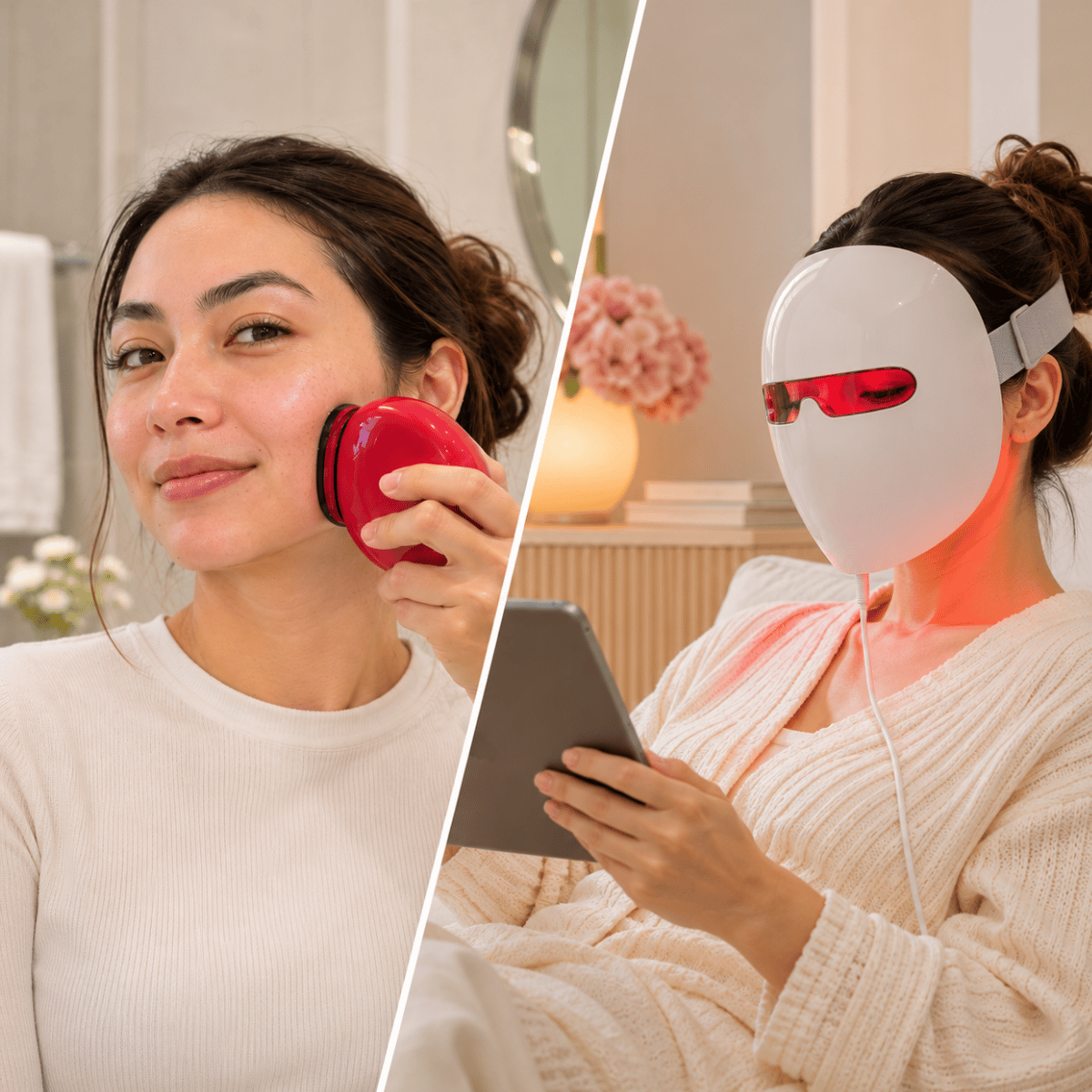
Can At-Home LED Devices Improve Skin Texture and Minimise Pores?
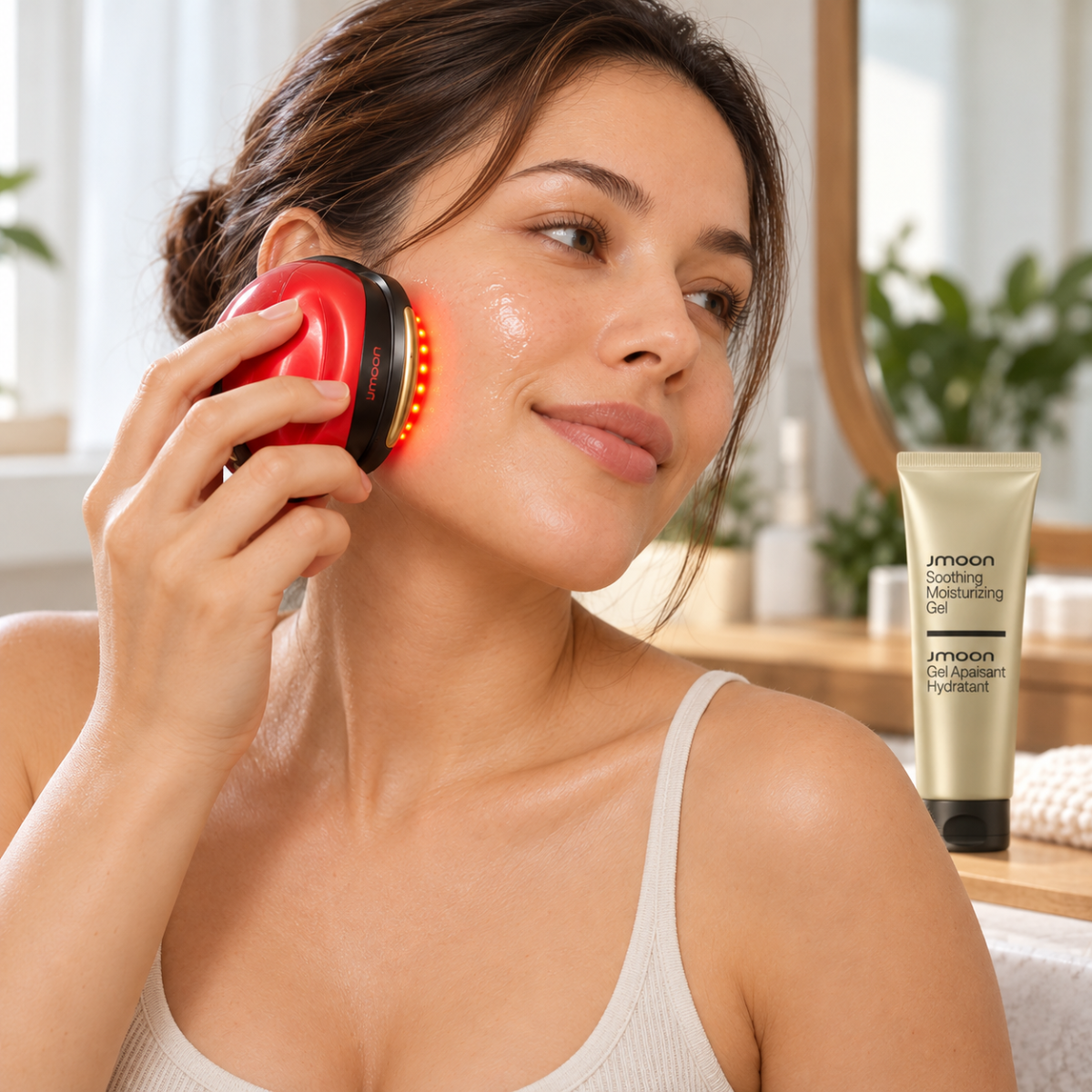
RF Microcurrent LED Facial Device: Meet JMOON by Ulike
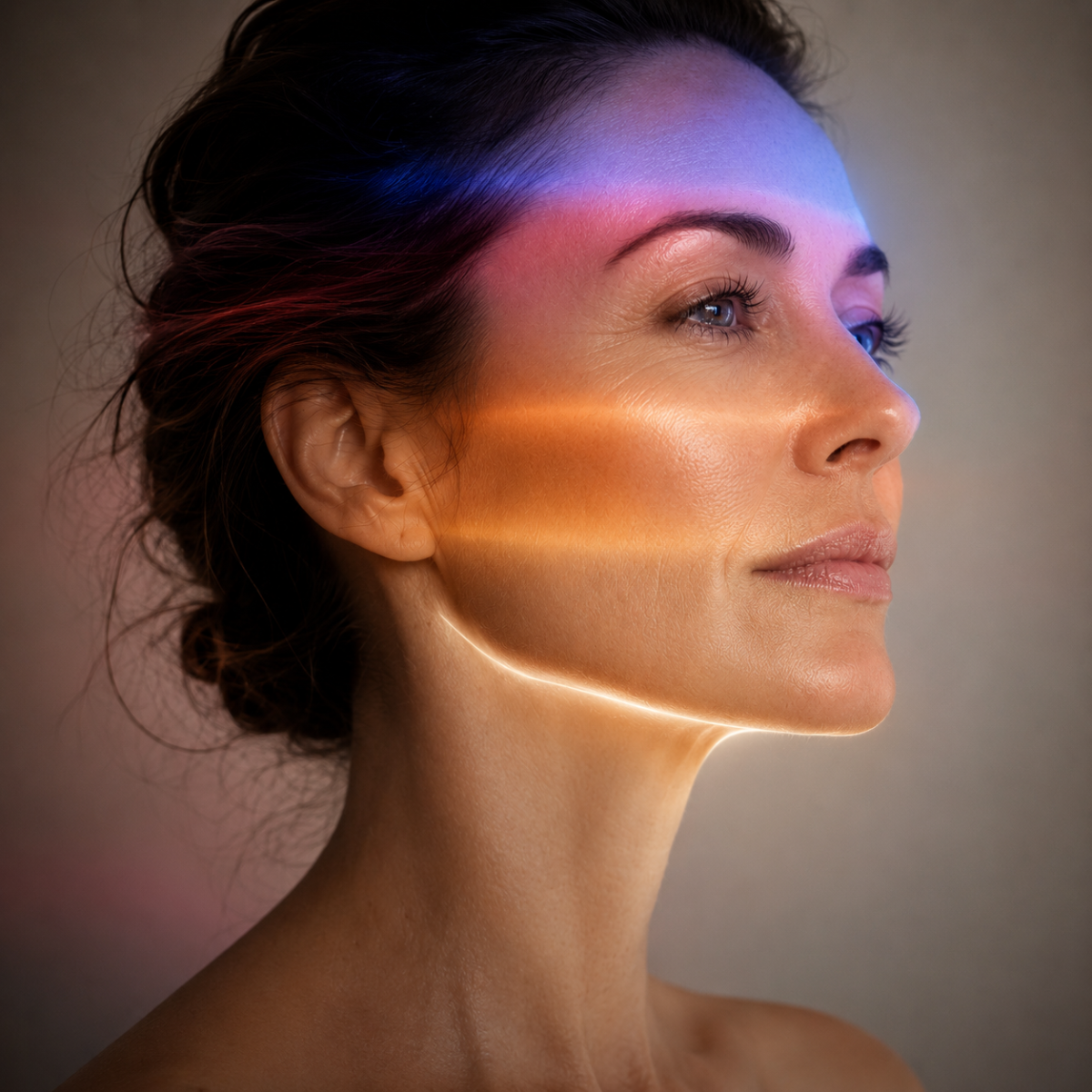
RF vs HIFU vs LED: Which Skin Technology Is Right for You?
Explore Beauty
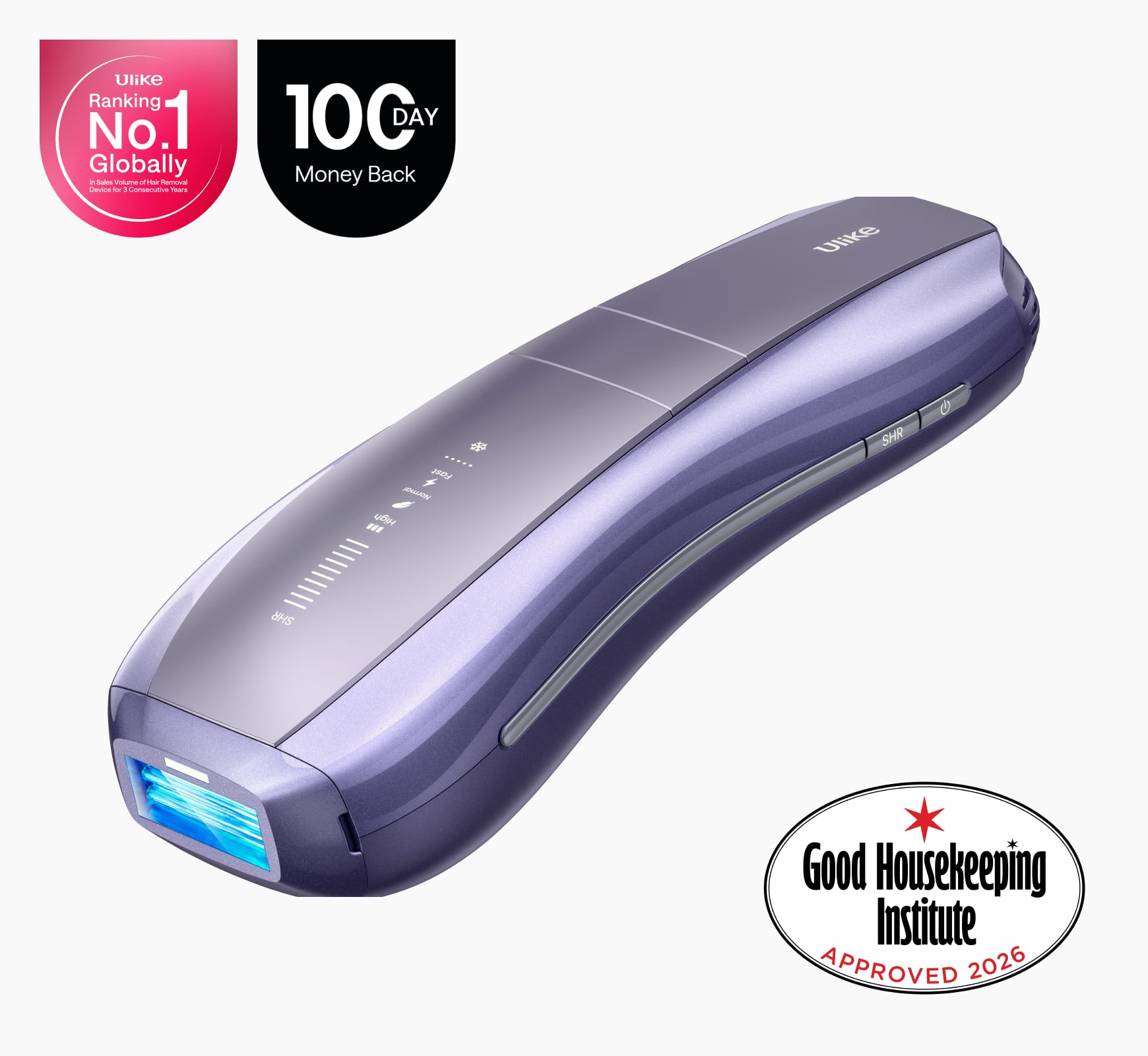
Ulike Air 10
2 weeks to silky smooth skin.
96% Hair Density Reduction in 4 Weeks
Ulike Air 10 Deluxe
10-minute full-body sessions
96% Hair Density Reduction in 4 Weeks
Ulike 2 Max
Gentle on sensitive skin
94.5% hair reduction in 4 weeks*
Ulike Reglow
Clearer skin in 2 weeks: Fewer breakouts
Smoother skin in 4 weeks: Fewer lines, firmer feel
JMOON by Ulike M12 Max (RD)
Lift, Firm, and Smooth Your Skin With One Device