








Do Men Shave Their Legs? UK Grooming Trends, Benefits & How-To Guide
No matter whether you are an experienced biker or simply an interested person, you have probably faced the issue more times than you think. Do men shave their legs? In the UK, the short answer is yes, and far more of them than you'd expect.
This guide covers the full picture: why men do it, whether it's worth it, what women actually think, and how to do it properly without ending up with razor rash or patchy results. No hype, no pressure. Just practical information.
Is It Normal for Men to Shave Their Legs?
Yes. It's become genuinely common, especially among men under 35.
Data from Mintel shows that around 13% of British men under 30 say they feel some pressure to remove leg hair, while a Men's Health survey found that roughly 33% of men trim their leg hair and about 15% shave it completely. That means nearly half of men in the UK are doing something with their leg hair beyond leaving it alone.
The shift has been gradual. Cyclists and swimmers have been shaving their legs for over a century for practical reasons. Bodybuilders followed, then the fitness community. Reality TV brought it into mainstream conversation. Contestants on shows like Love Island made smooth legs visible and unremarkable for millions of viewers. Now it sits comfortably alongside beard grooming and skincare as something men simply do or don't, based on personal preference.
There's no social rule saying you must or mustn't. The more useful question is whether it makes sense for you.
Why Do Men Shave Their Legs? The Real Reasons
Athletic Performance
That’s where it all began, and there is no denying the evidence.
Bicycling Magazine reported that, based on data from wind tunnel tests, shaved legs could decrease aerodynamic drag by 7%, equivalent to saving about 79 seconds in a 40 km race. It is safe to say that shaving one’s legs has become an integral part of cycling culture.
Swimmers have similar reasons. Removing body hair reduces drag in the water and, according to coaches, improves a swimmer's tactile sense of the water itself. Distance swimmers in particular have reported this benefit consistently.
But there are also post-injury reasons. Shaved legs make it much easier to clean and dress road rash (very relevant for cyclists who fall), apply kinesiology tape without pulling hair off, and get a therapeutic massage without friction. Many professional athletes across multiple sports, including rugby, triathlon, and running, include leg shaving as part of routine maintenance rather than pure performance optimisation.
It is common practice among football players to shave their bodies before playing to ease the pain of removing the tape after games.
Muscle Definition
Just ask any bodybuilder who is competing, and they will tell you that hair makes the body look less defined. The absence of leg hair makes it easier to see muscles and veins in the legs. This also applies beyond bodybuilding, as many men in gyms feel that their legs appear better without hair.
This isn't vanity for its own sake. It's one legitimate reason people choose to do it.v
Comfort and Hygiene
The sweat gets trapped within the body hair, making the body susceptible to bacterial infection, leading to the production of more smell. It also reduces the risk of skin infections due to body hair removal. The body hair helps the skin dry faster after physical exercises, making the body cool during aerobic exercises.
Another benefit for men is that lotions, sunscreens, and anti-friction creams go on smoother when there is no hair.
Personal Preference
For many men, no specific reason is required. Some simply prefer the feel of smooth skin. Some find it satisfying as part of a wider grooming routine. Some partners prefer it. These are all valid enough.

What Do Women Think About Men Shaving Their Legs?
The honest answer is that most women do not have a strong opinion either way.
A YouGov survey in the UK found that only 5% of people find hairy men's legs unattractive, while around 26% find them attractive. The majority were neutral.
Data compiled by Beardlong found that 52% of women say they find a man who trims or shaves his legs attractive, while 22% prefer a completely clean-shaven look.
A Women's Health poll found that 34% of women were comfortable with shaved or trimmed legs, particularly when there was a reason behind it like sport.
None of these figures suggests any kind of consensus. People’s personal tastes differ from one another, and many more women were unconcerned with whether their legs had hair than men would believe. If you shave your legs because you believe that your partner desires this from you, it might be a good idea to simply ask her/him.

A Step-by-Step Guide to Shaving Your Legs Like a Pro
Thinking about giving leg shaving a try? Don’t worry. It’s easier than you might think. With a bit of preparation and the right technique, you can achieve smooth, irritation-free legs just like a grooming expert. Here is a simple five-step process to help you master leg shaving with confidence.
Step 1: Trim the Hair First
Before reaching for the razor, start by preparing your leg hair. Trimming is an essential first step in the shaving process, especially if you have thick or longer hair. Longer hair can pull on the skin or clog your razor, leading to discomfort and uneven results.
After showering or bathing—when the hair is soft and easier to manage—use an electric trimmer with a guard attachment, or a pair of scissors. Begin with a longer guard (such as #2 or #3) and gradually reduce the length until the hair is about a quarter of an inch. This is short enough to make shaving easier, but not so short that you risk nicks or razor burn.
Trimming in advance makes your shave smoother, more precise, and more comfortable. It also helps your razor glide more effectively and stay sharper for longer.
Step 2: Prepare the Skin
The next step in the shaving process is proper skin preparation. This is essential for a smooth and comfortable shave. Begin with a warm shower to soften both the hair and the skin. Spending at least 10 minutes under warm water helps to open the pores, improve razor glide, and reduce the chances of friction, nicks, or cuts.
While in the shower, gently exfoliate your legs using a mild scrub, a loofah, or an exfoliating mitt. This step removes dead skin cells, clears clogged follicles, and helps to prevent ingrown hairs, razor bumps, and irritation—particularly important if you have sensitive skin.
After exfoliating, rinse thoroughly to wash away any loosened debris. At this point, your skin will be clean, hydrated, and ready for the next step: applying shaving cream or gel and making that first smooth pass with the razor.
Step 3: Apply Shaving Cream or Gel
Choosing the right product is key to achieving a smooth, irritation-free shave. Shaving creams and gels formulated for sensitive skin often include calming ingredients such as aloe vera, vitamin E, oatmeal, or chamomile. These help to soothe and hydrate the skin during the shave.
Start by applying a generous layer of shaving gel or rich cream to your damp legs to maximise lubrication. Gently massage the product into the skin, then allow it to sit for 20 to 30 seconds. This softens the hair further and creates a smooth, protective barrier to help the razor glide effortlessly across the skin.
Use light, steady strokes and rinse the blade frequently. This helps reduce friction and lowers the risk of irritation, ensuring a more comfortable and confident shaving experience.
Step 4: Shave Gently
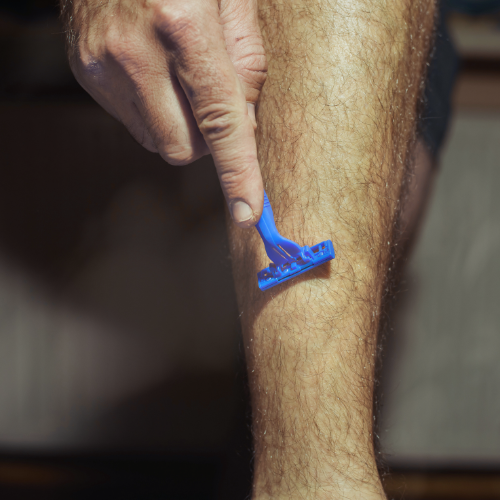
For your first pass, shave in the direction the hair grows. On most men's legs this is downward on the shin and calf. This reduces the risk of ingrown hairs and razor bumps considerably.
Use a new blade. An old blade does not make a clean cut but pulls at your hair and leads to irritation. Wash the blade after every two or three cuts to prevent blockage.
There are certain parts that require special attention:
Knees: Straighten your leg before shaving around the knee. Bent skin folds increase the chance of nicks dramatically.
Ankles: Take it easy here. Bone is quite near the skin surface and irregularities are quite noticeable.
Thighs: The skin on the thighs is usually more sensitive to touch and is not accustomed to shaving.
Step 5: Rinse and Moisturise
After shaving, rinse your legs with cool water. This helps to soothe the skin, close the pores, and reduce inflammation—minimising the risk of redness and irritation. Gently pat your legs dry with a soft towel rather than rubbing, which can aggravate sensitive or freshly shaved skin.
Next, apply a fragrance-free moisturiser, ideally one designed for sensitive skin. Choose a lightweight cream or balm that contains calming and hydrating ingredients such as aloe vera, shea butter, ceramides, or colloidal oatmeal. These ingredients help to restore the skin’s barrier, lock in moisture, and prevent dryness without clogging the pores. Brands like CeraVe, Aveeno, and Vanicream are highly rated for post-shave skincare and are particularly suitable for leg aftercare.
By rinsing with cool water and applying a high-quality moisturiser straight after shaving, you support your skin’s recovery, reduce razor burn, and maintain that smooth, clean feeling all day long.

How Often Should Men Shave Their Legs?
It will be determined by how quickly your hair regrows and how well you want your legs to stay shaven.
Most men will have their leg hair grow in at the same speed as arm hair. For those who need their legs to always be perfectly shaven, shaving should take place every 4 to 7 days.
Those who simply need their hair tidied rather than shaven can wait a week or two for each grooming session using a hair cutter.
The initial time when your skin is not used to having its hair removed will cause slight irritation during the first month when the hair regrows.

Common Problems and How to Avoid Them
Ingrown hairs. These are the most common complaint. They happen when a cut hair curls back into the skin instead of growing outward. Exfoliating regularly (two or three times a week), shaving with a sharp blade, and moisturising consistently all reduce the risk significantly.
Razor burn. Usually caused by shaving dry skin, using a blunt blade, or pressing too hard. The fix is simple: more gel, a fresh blade, lighter pressure.
Itching as hair grows back. This is normal for new shavers. It settles after a few cycles. Keeping the skin moisturised reduces it.
Patchy results. Often caused by shaving too quickly or not rinsing the blade often enough. Take your time on the first few shaves until you get the feel of the angles.
Shaving vs Other Methods: What Are the Options?
Shaving is the most accessible option but it's also the most temporary. Here's a straightforward comparison.
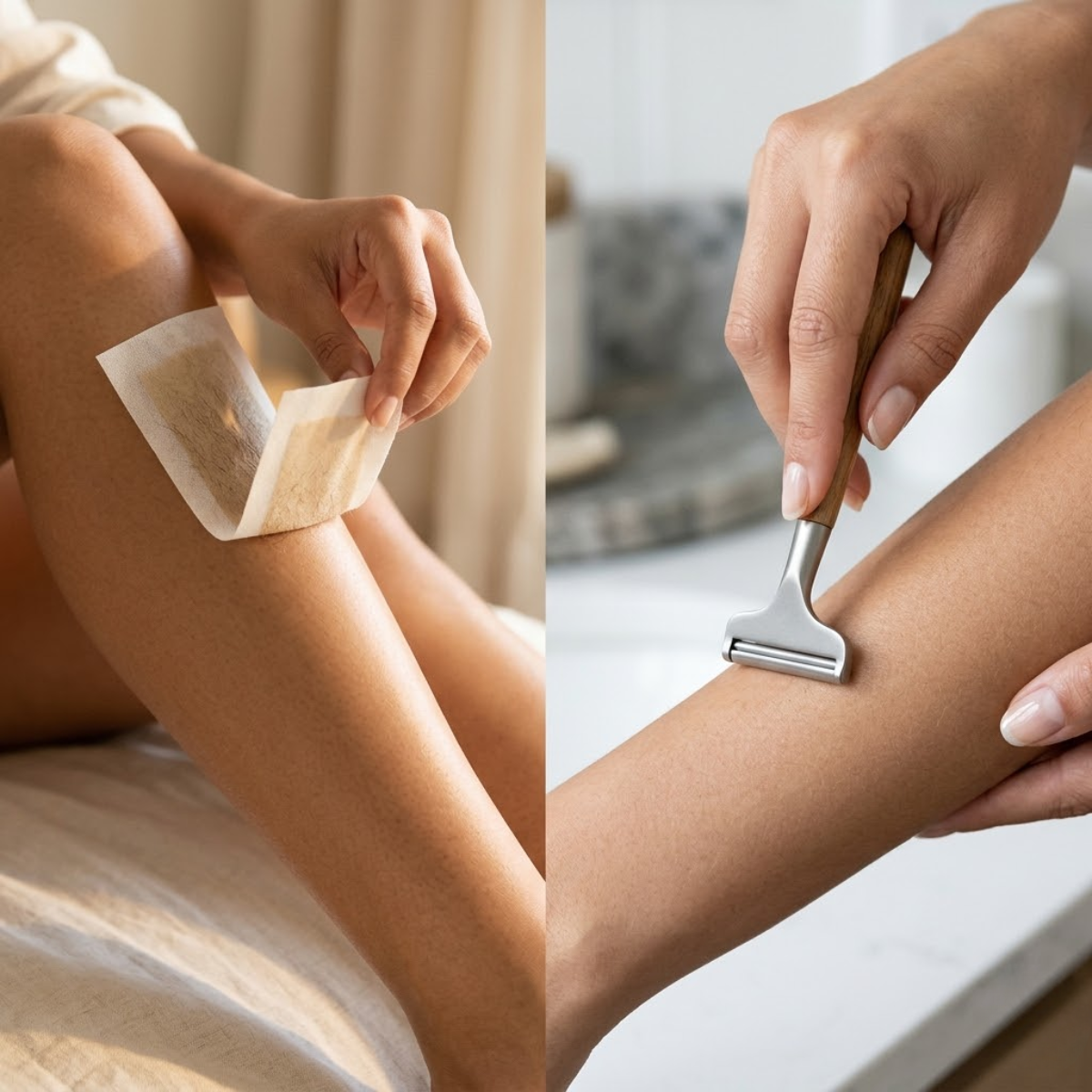
Shaving: Lasts between 3 and 7 days. No expense other than razors and gel. Ideal for guys who would like to give it a try but don’t want to make any permanent decisions.
Waxing: Lasts 3 to 6 weeks. The hair is pulled out from the root, hence leaving no hair to grow back, making it fine and soft. Can either be done at home or in a beauty parlour.
Hair removal cream (depilatory): Dissolves the hair at skin level. Results similar to shaving in duration. No blades, no cuts. Same results as shaving in terms of duration. No risk of cuts since there is nothing to cut you. Scent might be offensive to some people.
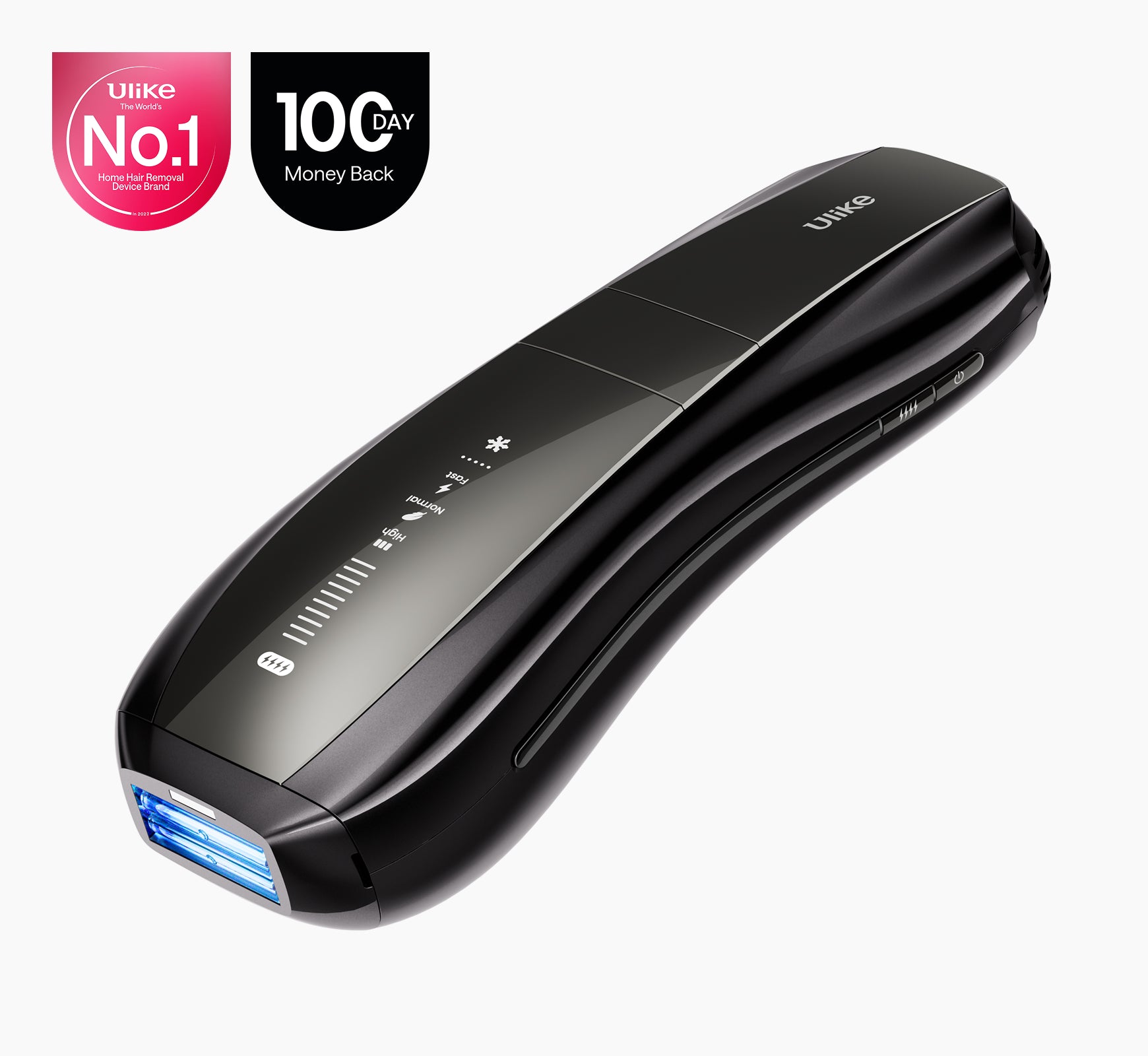
IPL (intense pulsed light): It’s here that the possibility of achieving permanent results arises. IPL makes use of light pulses for the purpose of attacking the pigment inside hair follicles, with each subsequent treatment causing fewer strands of hair to regrow. On average, the process takes about 4-6 sessions to yield notable results.
For men who shave their legs regularly for sport or aesthetic reasons and are tired of the weekly upkeep, IPL is worth knowing about. At-home devices have improved significantly and are now far more practical than they were a few years ago.
Men’s Leg Shaving FAQs: Everything You Need to Know
What percentage of straight men shave their legs?
According to a Men’s Health survey, around 15 percent of men shave their legs completely, while 33 percent trim, meaning nearly half of men manage their leg hair in some way.
In contrast, data from Mintel in the UK shows that only 4 percent of British men remove leg hair entirely. However, 13 percent—especially those under 30—report feeling pressure to do so.
Do women prefer men with shaved legs?
Research from Beardlong shows that 52 percent of women find shaved or trimmed legs on men acceptable, while 22 percent say they prefer completely smooth legs.
Similarly, a Women’s Health survey found that 34 percent of women are comfortable with shaved or trimmed legs—particularly when it’s for a reason such as athletic performance.
Overall, preferences vary. A neat, well-groomed look is often associated with hygiene, fitness, and a modern sense of style.
Is it normal for men to remove leg hair?
Absolutely. Shaving or trimming leg hair is no longer considered unusual. Influenced by athletic grooming habits, fashion trends, comfort, and hygiene, leg hair removal has become a regular part of many men’s self-care routines—similar to beard grooming or skincare.
Where should men avoid shaving?
Men should generally avoid shaving extremely sensitive areas such as the genitals, inner groin, or buttocks unless using proper techniques and products.
If grooming these areas, it’s important to trim first, use a clean, sharp razor, shave gently with the grain, and apply a suitable moisturiser afterwards. Prioritising hygiene and using appropriate tools can help prevent irritation, nicks, and infection.
Will leg hair grow back thicker after shaving?
Not necessarily, because this is just an ongoing misconception. The hair shaft is cut when shaving, but the bulbous structure of the hair follicle and the density of the hair remain unaffected. The initial sensation of coarseness is only because of the blunt ends growing out.
Can men use women's razors for leg shaving?
Yes, and many men do. Women's razors are often designed with the curves of the leg in mind. The main thing to watch is blade sharpness — replace blades as often as you would any razor.
What's the best razor for men's leg shaving?
A multi-blade razor with a flexible head works well for legs. The flexibility helps navigate the knee and ankle. Safety razors work too, but have a steeper learning curve for leg angles. Electric shavers are faster but rarely give as close a result.
Conclusion: Finding the Best Hair Removal Solution for You
Men can choose to shave their legs for any number of reasons – sport, aesthetic, comfort, tradition, or even personal choice. There is no need to justify such reasons. Rather, a better discussion may revolve around whether or not it would benefit you, and how best to achieve that result without irritating your skin.
Should shaving on a regular basis seem too burdensome for its end result, perhaps exploring more long-lasting options will suit you. A reliable home IPL device can help you achieve this goal with minimal effort required. However, should you wish to explore starting out first, a quality razor, adequate preparation, and moisturising after can take care of everything else.
This article was reviewed for accuracy by a UK-certified trichologist. Statistics are sourced from Mintel, YouGov, Women's Health, and Men's Health research cited throughout.
Related Readings



Upper Lip vs Chin vs Sideburns: How IPL Works Differently Across Your Face

Female Facial Hair: Causes, What's Normal, and How to Remove It for Good
Waxing vs Shaving Before Your Wedding: The Honest Comparison
Explore Beauty

Ulike Air 10
2 weeks to silky smooth skin.
96% Hair Density Reduction in 2 Weeks

Ulike Air 3
3 weeks to silky smooth skin.
93% Hair Density Reduction in 4 Weeks
Ulike X
3 weeks to silky smooth skin.
94% hair reduction in just 2 weeks*

Ulike Reglow
Clearer skin in 2 weeks: Fewer breakouts
Smoother skin in 4 weeks: Fewer lines, firmer feel