





Painful Ingrown Hair Cyst: Causes, Treatment, and When to Be Concerned

What an Ingrown Hair Cyst Feels Like
When you have a firm and soft swelling under your skin, especially after shaving or waxing, it can be quite disturbing, especially if it’s red or swollen. The cause may be an ingrown hair cyst, which is a more deep-seated version of ingrown hairs that develop due to irritation under the skin surface.
While a bump that occurs on the surface is common, a cyst develops underneath the skin. This explains why it is quite noticeable and painful. The good thing about a cyst is that it is rarely dangerous but is rather uncomfortable. Most cysts develop in parts of the body where there is frequent removal of hair or friction.
The ingrown hair cyst tends to develop most commonly in the parts of the body that experience hair removal frequently. Some of these places include underarms, bikini region, and inner thighs.
What Causes an Ingrown Hair Cyst?
Ingrown Hair Cyst occurs when the hair gets lodged beneath the skin, causing more irritation compared to an ordinary ingrown hair. In this case, the hair doesn’t escape from the opening of the follicle, but rather it grows inward or sideways into the skin. The body reacts to this as though it is reacting to a foreign object.
A number of reasons can lead to such a situation. Both shaving and waxing may play their part in this case, especially if hair is cut too close to the skin. This makes hair grow back into the follicle instead of coming out. Places where friction tends to be higher, for example, the bikini area and inner thighs, are subjected to further stress because of friction caused by clothes.
Blocked follicles are another trigger. When dead skin or debris sits over the follicle opening, emerging hairs have nowhere to go and turn inward instead.
It is important to take note of the type of hair that you have, as well. The more coarse or curly your hair is, the higher your chances are of developing an ingrown hair cyst due to the tendency for it to curl back on itself underneath the skin.
“What is an ingrown hair cyst? An ingrown hair cyst is one that occurs when the hair gets embedded in the skin and causes deeper inflammation, thus forming a hard lump. It is different from an ingrown hair in that while the latter takes form in a bump on the surface of the skin , the former occurs under the skin, which may take more time to heal than a usual ingrown hair.”
Ingrown Hair vs Ingrown Hair Cyst: What’s the Difference?
An ingrown hair is normally seen as an elevated bump that appears either on or just beneath the surface of the skin. This bump may sometimes appear red and itchy, although this condition is usually harmless and can resolve itself.
An ingrown hair cyst is a different thing. It develops deeper beneath the skin, which is what gives it that firm, sometimes painful quality. The inflammation is more pronounced because the hair is further from the surface, and the cyst can take noticeably longer to settle than a standard ingrown.

In certain instances, an ingrown hair cyst can evolve into an epidermoid cyst, which is a benign growth containing skin cells that surround the hair inside the pocket. Although they are harmless, they tend to be longer lasting than normal cysts, and may need to be seen by a physician if infection or pain occurs. While most cysts caused by ingrown hairs will not progress this far, it’s good to know the difference should a bump become more firm or persistent.
The distinction matters practically. Most surface ingrown hairs can be left alone or managed with light exfoliation. A cyst needs more careful handling to avoid making it worse. Knowing which you are dealing with helps you respond appropriately, and saves a lot of unnecessary worry.
What Does an Ingrown Hair Cyst Look Like?
The appearance of ingrown hair cyst depends on the depth, size, and infection of the cyst.
Usually, a raised and round-shaped lump can be observed under the skin layer. This skin area becomes reddish or pinkish due to the presence of inflammation. In some people, the skin color turns dark due to pigmentation issues. It should be noted that this cyst lies deeper as compared to other spots and bumps.
Sometimes a dark spot or a visible hair beneath the skin's surface is visible through the skin. In other cases, particularly when the cyst is deeper, there is no visible hair at all — just the raised, tender lump.
If the cyst becomes infected, the appearance can change. The surrounding area may become more red, the lump may grow, and a white or yellowish head may develop as pus collects. This is a sign that the cyst needs medical attention rather than home care.
Ingrown hair cysts may occasionally be confused for other skin diseases such as folliculitis and skin tags, especially in friction-prone locations such as the bikini line and inner thigh area. However, if one is unsure about the condition and it doesn’t seem to match the common characteristics of an ingrown hair cyst, a medical expert can confirm the condition.
How to Treat an Ingrown Hair Cyst Safely
One of the critical things with an ingrown hair cyst is that it should be left well enough alone. By squeezing or touching the cyst, one could worsen the inflammation and possibly cause an infection. Although there might be the urge to do something more, leaving it alone may actually be what is best.

One of the best remedies to treat the area is to use a warm compress. Take a warm cloth and apply it to the affected area a couple of times per day. The warm compress allows the skin to soften and reduces any pain while allowing the hair to move closer to the surface of the skin.
Maintain cleanliness in that region and refrain from using any harsh chemical cleansers or scrubbing the skin vigorously. Mild exfoliation in that region may be useful in preventing blockage of the follicles surrounding it, but you should leave the cyst alone.
It is recommended that loose clothes be worn in the area where the condition exists. This will help prevent any rubbing from taking place, allowing for proper recovery of the skin.
Ingrown hair cysts usually resolve themselves over time. It is advisable to seek medical advice when there is an increase in pain, warmth, and swelling in the region, accompanied by the release of any substances from the skin surface.
Signs of an Infected Ingrown Hair Cyst
An infected ingrown hair cyst behaves differently from a standard one, and it is important to recognise the difference.
A regular ingrown hair cyst causes irritation, but it is generally consistent. It might be painful and have some redness, but the redness is localized, and the cyst itself doesn’t grow rapidly nor does the skin surrounding the cyst appear unhealthy.
Symptoms that can be taken as indications of an infection in an ingrown
Spreading redness beyond the immediate area of the lump
Noticeable warmth around the cyst
Increasing swelling or a lump that grows over a short period
Development of a head of pus from the cyst
Increased pain without improvement
Fever or malaise
An infected cyst can become an abscess, which is a bigger pus-filled bump under the skin. This needs to be treated by a medical professional. The doctor can prescribe the use of draining or medication.
When one has symptoms of an infection in his cyst, it should be noted that he should never attempt to drain the cyst himself because it can worsen the situation. The treatment for an infected ingrown hair cyst is actually easy to deal with and very simple.
When to See a Doctor About an Ingrown Hair Cyst
In most cases, ingrown hair cysts don't require any medical treatment. It can be described more as unpleasant than dangerous, and will heal on its own with time and proper care.
It might be wise to seek advice from a doctor if:
The cyst doesn't get better within 2-3 weeks of being under gentle care.
There are any symptoms of an infection (increased redness, inflammation, discharge, increasing pain).
The bump is extremely big, intensely painful, or is inhibiting your movement.
You find yourself experiencing recurrent ingrown hair cysts in the exact area
You are uncertain whether the lesion you see is an ingrown hair cyst or not
Recurrence of cysts in the same area may sometimes suggest an underlying problem with the follicle that needs further evaluation. The dermatologist will also be able to recommend other permanent hair removal techniques for those with a tendency to form ingrown hair cysts.
Do Ingrown Hair Cysts Go Away on Their Own?
Yes, for most, but it depends on the duration of time taken. While some may resolve within a few days, others may take two weeks or more, depending on the depth of the ingrown hair and how inflamed the follicle has become. Other factors that affect the rate of healing include the type of hair and skin sensitivity.
Patience is, in fact, the key component here. Keeping up with the application of warmth, cleanliness of the area, and lack of pressure on the cyst helps create favorable conditions for resolving it.
In case if the cyst does not seem to be resolving after two to three weeks, or even seems to become more serious, it might be worthwhile consulting a specialist. However, in most cases, everything is solved quite easily and gently.
Why Ingrown Hair Cysts Keep Coming Back
In cases where someone suffers from ingrown hair cysts on a regular basis, this can almost always be attributed to a number of reasons as opposed to just one factor.
Regular hair removal is the main reason behind this. Every time one shaves or waxes, there is a possibility of the hair growing again but in such a way that it goes back underneath the skin.
Friction adds to the problem. Areas like the bikini line, inner thighs, and underarms are subject to constant movement and pressure from clothing. This mechanical pressure pushes hairs back beneath the skin even when removal itself has been done carefully.
Some types of hair are also more prone to developing this problem. This is because the hair will have a natural tendency to bend back on itself during re-growth after removal. This makes an ingrown hair cyst much more common.
All these factors combine to make one understand why certain areas are bound to suffer from this phenomenon throughout time. When you know what causes the particular issue, it becomes easier to do something about it.
Ingrown Hair Cysts by Body Area

Ingrown hair cysts can occur anywhere hair has been shaved off, but there are some spots where they occur more frequently than in others.
Bikini line and pubic area. This is one of the most frequent spots for ingrown hair cysts to occur since the hair here is coarse, and this spot is subjected to friction by clothing and shaving. In this spot, ingrown hair cysts tend to be deep and painful.
Inner thighs. The key factor in this case is friction. Friction created by thighs rubbing against one another for extended periods of time causes the hair to be pushed back into the skin. Wearing breathable clothes and decreasing shaving helps significantly.
Underarms. Ingrown hairs are common in the underarm area because of the presence of hair that grows in many different directions as well as irritation caused by shaving against the grain of the hair and skin irritation caused by rubbing against clothes.
Legs. The ingrown hair cysts found on the legs are not as deep as those located in the regions that are subjected to friction. They can easily develop as a result of shaving or waxing.
Whether it is anywhere on the body, the same rules hold true: gentle exfoliation, cautious hair removal, minimal friction, and patience once the cyst forms.
How to Prevent Ingrown Hair Cysts Long-Term
The process of prevention usually revolves around a couple of constant practices rather than a particular method.
Regular exfoliation twice or thrice a week will prevent the blockage of follicles, and hence avoid the entrapment of hair. Using a soft towel or exfoliating cream will do the trick. The objective is to ensure that the skin remains soft and not irritated.
Shaving is an effective approach to avoid ingrown hairs. For instance, when shaving against the direction of hair growth using an unclean razor, pressure is applied, and hairs are likely to be cut at an angle, which makes it possible for ingrowth to occur. When the interval for shaving is increased, chances of ingrowth become less likely.
Reducing friction in prone areas helps too. Looser clothing and breathable fabrics in areas like the bikini line and inner thighs lower the mechanical pressure that pushes hairs back beneath the skin.
A simple, skin-calming ingredient like aloe vera can also help soothe the skin after hair removal and reduce post-shaving inflammation
There are some individuals who may find that cutting down on how frequently the hair renews itself, as opposed to altering the method by which it is removed, will be more effective. There will be fewer chances of the hair becoming embedded in the skin due to fewer instances of the hair renewing itself.
Can IPL Help Prevent Ingrown Hair Cysts?
IPL is not a therapy for ingrown hair cyst. IPL cannot help cure the cyst which is forming at present, nor can it alleviate the inflammation at present. This needs to be mentioned as this point is crucial.
IPL’s role lies in decreasing the chance of ingrown hair cyst formation in the future. This treatment aims to slow down the regrowth of hair and lower the number of hair strands through the follicle.
Consequently, there will be fewer chances for the formation of ingrown hair cysts because there will be fewer hairs going through the same cycle of regrowth.
The effects take time to develop through regular application over weeks and months and not instantly. In cases where people suffer from recurring cysts, the method takes care of the underlying problem, which is having more hair growth in vulnerable areas.
Used in conjunction with exfoliation and treated as hair removal techniques, IPL becomes a pragmatic element in the prevention routine that stretches beyond immediate solutions.
The Ulike Air 10 for Long-Term Prevention
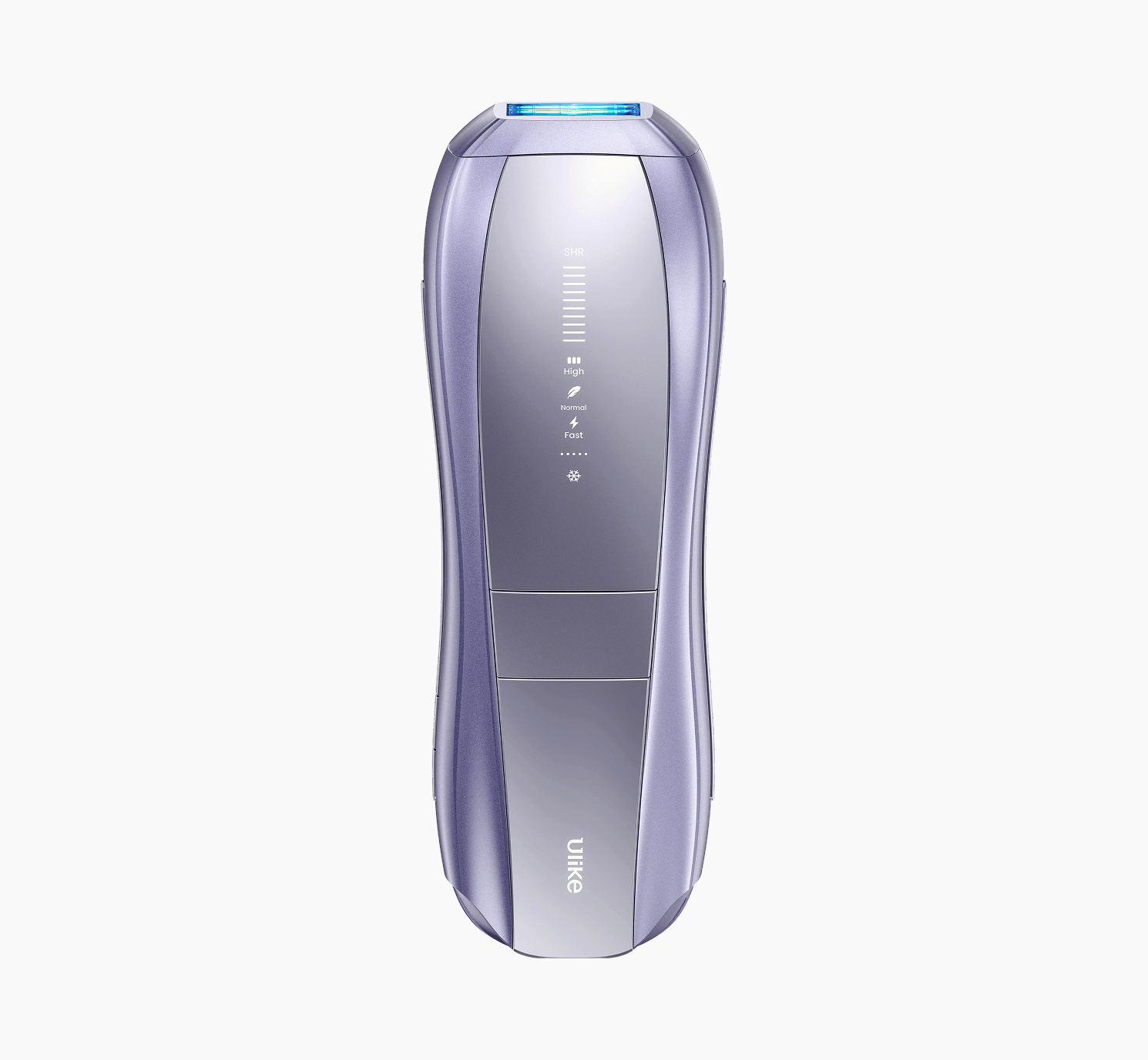
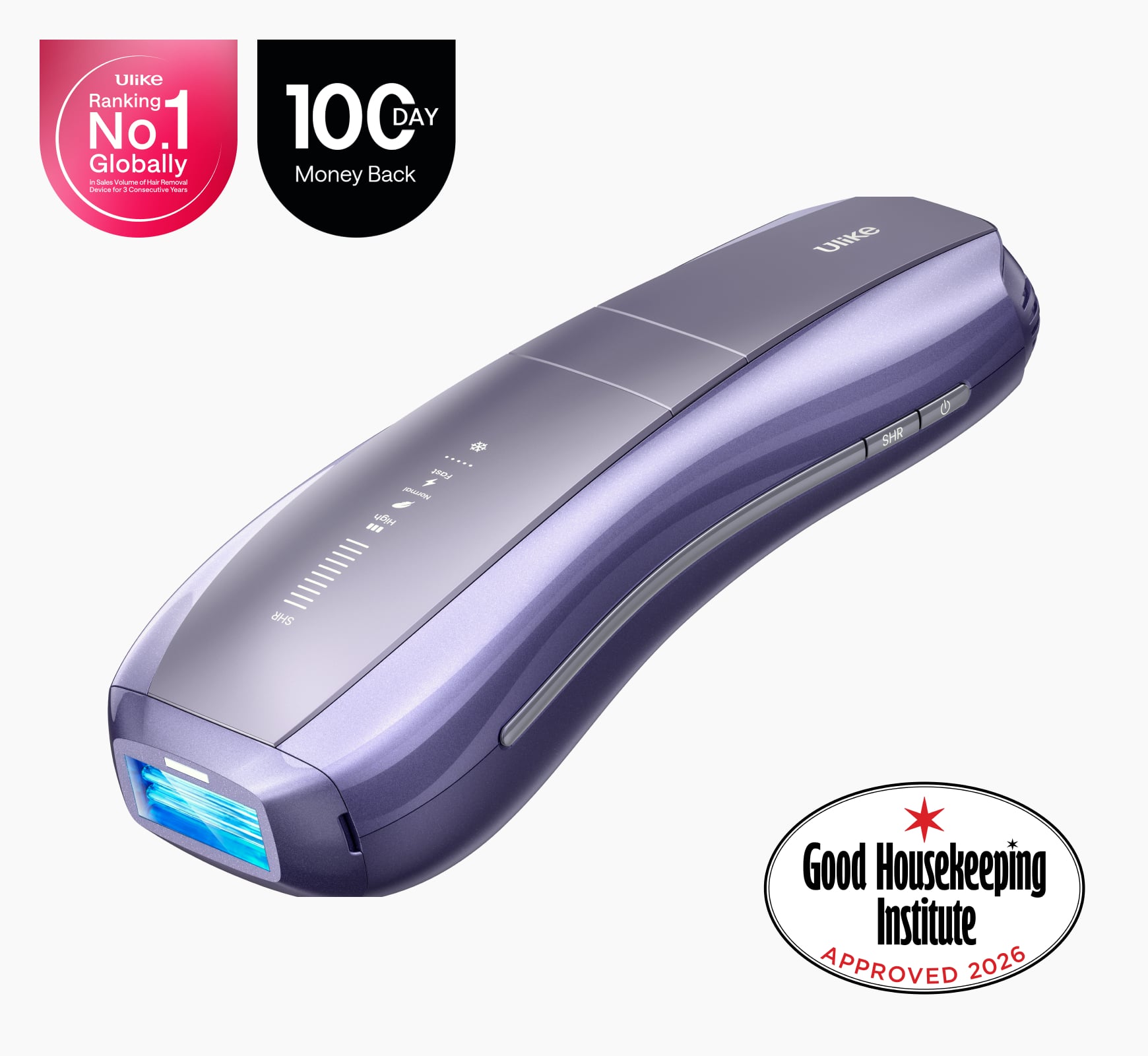
The Ulike Air 10 is an excellent choice for people who want to eliminate ingrown hair cysts themselves. This device is made to work on sensitive skin areas, such as the bikini line, armpits, and inner thighs, which are the most frequent areas of developing ingrown hair cysts.
The product features a cooling mechanism, which provides relief to the skin while in operation and makes usage more comfortable especially for those areas which are sensitive. The product comes with a skin tone sensor, which ensures that usage can be done in an effective manner regardless of the skin tone.

With regular sessions, the Air 10 gradually reduces hair regrowth and density. Fewer regrowing hairs means fewer hairs at risk of becoming trapped beneath the skin. While it does not address an active cyst, it works to reduce the conditions that allow cysts to form repeatedly.
Used as part of a wider routine — alongside gentle exfoliation and steps to reduce friction — it offers a practical, longer-term approach for people who are tired of managing the same problem repeatedly. The spring period is a natural point to establish that kind of routine, before the warmer months when hair removal tends to increase.
Building a Routine That Supports Clearer Skin
The best methods to prevent ingrown hair cysts are those which are easy and convenient to practice. Complex procedures tend to fail; simpler practices work.
Gently exfoliate twice or thrice weekly. Apply moisturiser suited for sensitive skin post-hair removal and after exfoliation. Choose lighter materials that breathe easily in regions prone to friction wherever possible. Schedule shaving at least two days apart and use caution when shaving.
If you have added IPL with the Ulike Air 10, follow the recommended session schedule consistently. The benefits accumulate with regular use rather than intensive short bursts, so frequency matters more than effort on any individual occasion.
A method is sought for which no extra work will be needed, just a maintenance program. Cysts caused by ingrown hair are to be avoided through small efforts taken regularly rather than after they appear.
For those curious about what actually changes with consistent IPL use, we cover the longer-term results in detail.
FAQ: Ingrown Hair Cysts
What is an ingrown hair cyst and how is it different from a regular ingrown hair?
An ingrown hair cyst refers to an advanced type of an ingrown hair. In this case, the hair does not stay in the upper layer but rather penetrates deeper into the skin. Therefore, there will be formation of a solid lump that is often painful.
How do I know if my lump is an ingrown hair cyst?
It is quite easy to identify whether the lump is a cyst because ingrown hair cyst is normally firm and painful. Also, the skin around the lump will turn red. The other thing to look out for is that the bump should be located far from the skin.
Can I squeeze or pop an ingrown hair cyst?
No. This action might worsen the inflammation as well as the risk of infection. A better alternative would be to place a warm compress over it. Should the swelling, pain, and any signs of infection become severe, consult a medical expert.
How long do ingrown hair cysts take to go away?
Most cysts tend to clear up after a few days up to two weeks. It will all depend on the depth of the cyst as well as the irritation involved.
How can I relieve pain from an ingrown hair cyst?
Warm compresses, loose clothing and avoiding friction can reduce discomfort. Over-the-counter pain relief may also help, but avoid harsh creams or trying to drain the cyst yourself.
Why do ingrown hair cysts keep coming back?
Recurring cysts are often caused by repeated hair removal, friction-prone areas or certain hair types. Shaving, waxing or tight clothing can all contribute. Adopting preventative measures can reduce the likelihood of future cysts.
Can IPL help prevent ingrown hair cysts?
Yes. IPL gradually reduces hair regrowth and lowers follicle irritation, decreasing the chance of hairs becoming trapped beneath the skin. It is a preventative measure and not a treatment for an active cyst.
When you have problems with ingrown hair cysts that keep recurring, it usually becomes less important to address each episode as it occurs and more important to address the root causes. The frequency at which hair regrows and even how it regrows will help make a big difference in the long run.
The Ulike Air 10 was specifically made to do just that. As you use it consistently, it will help decrease the frequency and density of hair regrowth. This will then mean that there is less chance of the hair getting trapped under the skin. It also comes with cooling technology, making it ideal for sensitive or irritated areas.

Does Waxing Cause Ingrown Hairs?

Ingrown Hairs in Pubes: Why They Keep Coming Back
Painful Ingrown Hair Cyst: Causes, Treatment, and When to Be Concerned
Explore Beauty
Ulike Air 10
2 weeks to silky smooth skin.
96% Hair Density Reduction in 2 Weeks
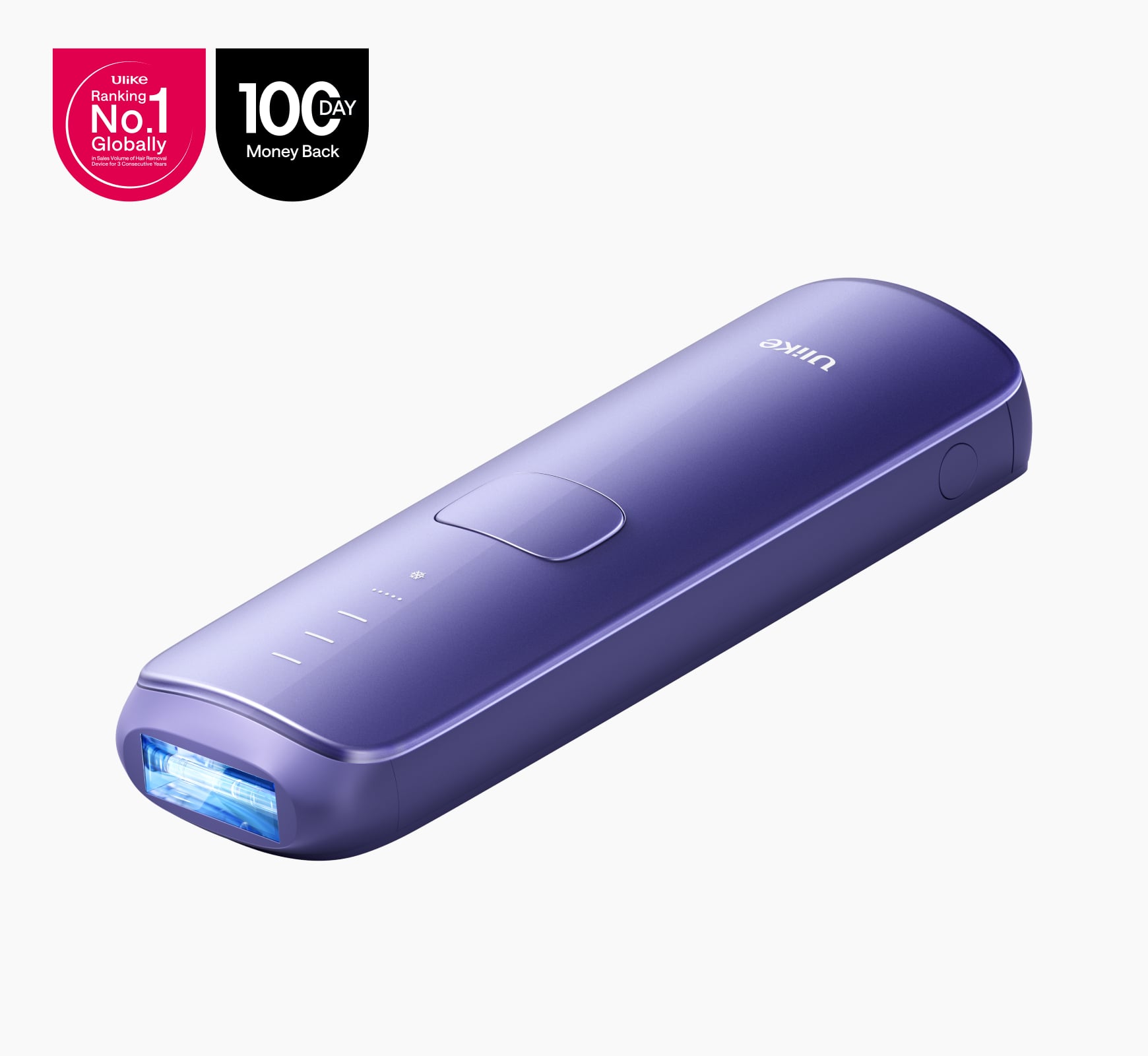
Ulike Air 3
3 weeks to silky smooth skin.
93% Hair Density Reduction in 4 Weeks
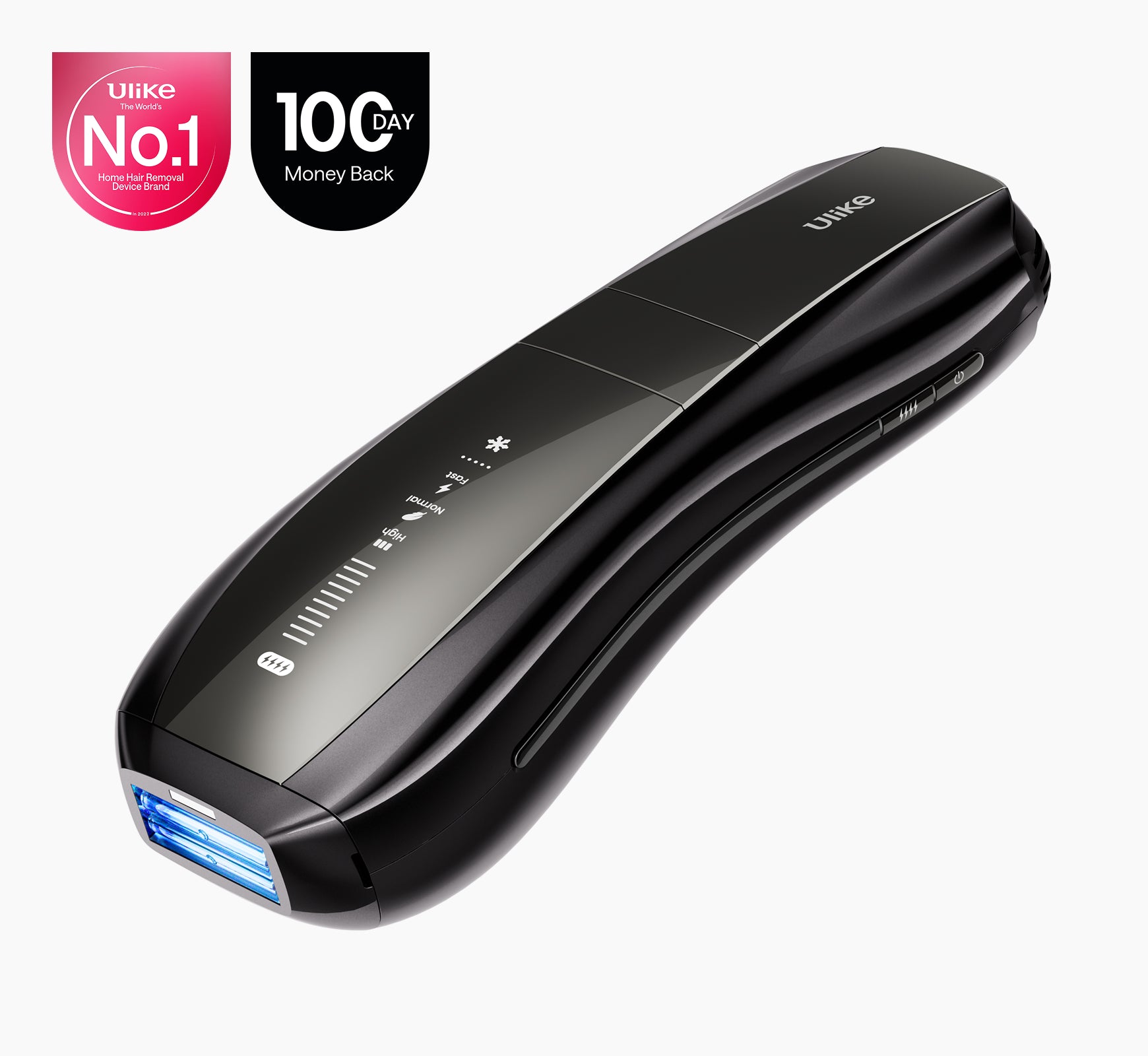
Ulike X
3 weeks to silky smooth skin.
94% hair reduction in just 2 weeks*
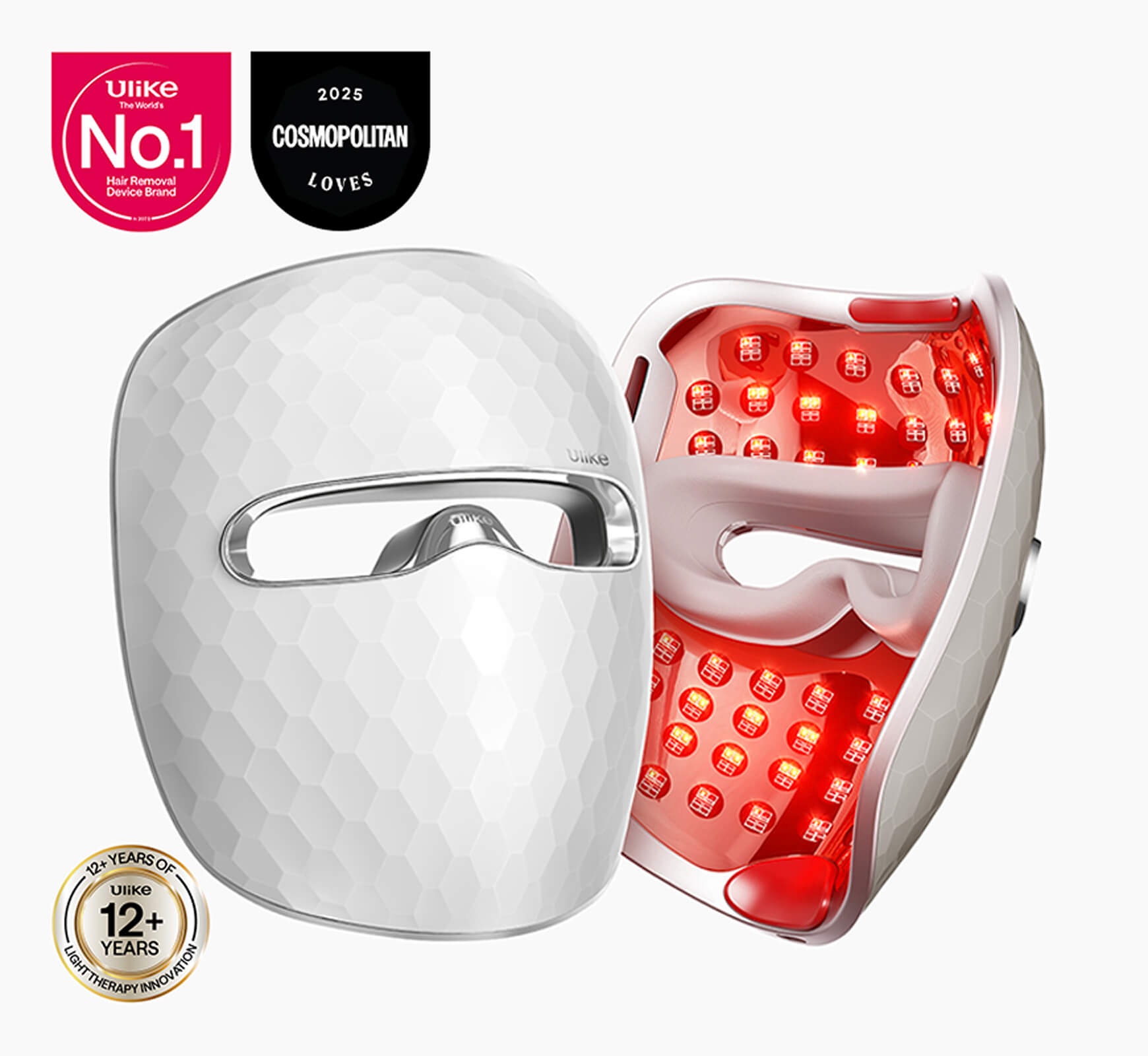
Ulike Reglow
Clearer skin in 2 weeks: Fewer breakouts
Smoother skin in 4 weeks: Fewer lines, firmer feel