







IPL Hair Removal Guide UK (2026): How It Works, Safety, and Best Devices

IPL Hair Removal Guide (UK): What You’ll Learn
What this guide covers
IPL (Intense Pulsed Light), sometimes referred to as “IPL laser hair removal” in search queries, is a light-based method used to reduce and slow hair growth by targeting pigment in the hair follicle.
This guide explains how IPL works, what results you can realistically expect, and how it compares to other hair removal methods commonly used in the UK, including laser hair removal.
You will also find clear, practical guidance on safety, side effects, and how to use IPL at home correctly to avoid common mistakes and improve results over time.
In addition, this guide covers how different at-home IPL devices compare in terms of effectiveness, comfort, and suitability for various skin and hair types, including Ulike IPL devices.
Who this guide is for
This guide is designed for people in the UK who are researching IPL hair removal (or IPL laser hair removal as it is commonly searched) and want a clear, structured understanding before choosing a method or device.
It is especially relevant if you are:
- Comparing IPL vs laser hair removal
- Looking for a long-term hair reduction solution
- Dealing with ingrown hairs, shaving irritation, or skin sensitivity
- Considering at-home IPL devices for convenience and cost efficiency
- Unsure whether IPL is suitable for your skin tone or hair type
Why this guide exists
Hair removal information online is often fragmented, overly technical, or inconsistent across sources. This guide consolidates the essential facts about IPL hair removal into one structured reference so you can understand how it works, what affects results, and how to make an informed decision based on your needs.
IPL vs Laser Hair Removal (UK): What’s the Difference?

IPL vs Laser: How they actually work
IPL (Intense Pulsed Light) and laser hair removal are often used interchangeably, but they rely on different technologies.
IPL uses a broad spectrum of light that disperses across a wider area of skin. The light targets melanin (pigment) in the hair, which converts to heat and gradually disrupts the hair growth cycle over repeated sessions.
Laser hair removal uses a single, concentrated wavelength of light. This allows it to focus more precisely on individual hair follicles, which is why it is often used in clinical or medical settings.
Effectiveness: Which one works better?
Laser hair removal is generally considered more powerful per session because of its concentrated energy delivery. However, IPL devices can still deliver strong long-term hair reduction when used consistently at home.
In practice, results depend more on:
- Hair colour and thickness
- Skin tone contrast
- Device quality
- Treatment consistency
For many users in the UK, IPL offers a more accessible and cost-effective long-term solution, especially for maintenance after initial hair reduction.
Pain, comfort, and skin sensitivity
IPL is often described as more comfortable than laser treatments because it spreads energy over a wider area at lower intensity.
Laser treatments can feel sharper or more intense, particularly in sensitive zones like:
Cost and convenience in the UK
Laser hair removal is typically performed in clinics and requires multiple sessions, which makes it significantly more expensive over time.
IPL devices, by contrast, are designed for at-home use, offering a one-time device cost with ongoing maintenance sessions.
This is one of the main reasons at-home IPL has become more popular in the UK — it reduces long-term cost while giving users more control over treatment schedules.
Which one should you choose?
Choose laser hair removal if you want:
- Clinic-based treatment
- Higher intensity per session
- Professional supervision
Choose IPL hair removal if you want:
- At-home convenience
- Lower long-term cost
- Gradual, controlled hair reduction
For most users starting out, IPL is often the more practical entry point, especially for large treatment areas and maintenance routines.
How IPL Hair Removal Works (Simple Science Explained)

What IPL actually does to the hair
IPL (Intense Pulsed Light) works by targeting the pigment (melanin) in the hair shaft. When the light is absorbed, it converts into heat energy, which travels down into the hair follicle and gradually disrupts its ability to produce new hair.
This does not remove hair instantly. Instead, it weakens active follicles over multiple sessions, leading to slower regrowth and finer, sparser.
Why IPL only works on certain hair growth stages
Hair grows in cycles, and IPL only affects hairs that are in the active growth phase (anagen phase). At any given time, not all hairs are in this phase, which is why multiple treatments are required.
This is also why results appear gradual rather than immediate, even when the device is working correctly.
What happens after each IPL session
After each session, treated hairs typically begin to shed over the following 1–3 weeks. Regrowth becomes finer and lighter as more follicles are disrupted across repeated treatments.
With consistent use, most users see a noticeable reduction in hair density over several weeks, with continued improvement over a full treatment cycle.
Why IPL is a long-term reduction method, not instant removal
IPL is best understood as a hair reduction system rather than a one-time removal method. Because it only affects follicles during specific growth stages, long-term consistency is required to maintain results.
This is why IPL is commonly used as an at-home maintenance routine rather than a single-treatment solution.
Is IPL Hair Removal Safe? Side Effects, Risks, and Who Should Avoid It (UK Guide)
Is IPL hair removal generally safe?
IPL hair removal is generally considered safe when used correctly on suitable skin and hair types, especially with at-home devices designed for consumer use in the UK market.
The technology has been widely used for cosmetic hair reduction for years, and most side effects are mild and temporary when proper usage guidelines are followed. Safety depends less on the technology itself and more on correct device use, skin suitability, and adherence to treatment instructions.
Common side effects of IPL
Most IPL side effects are mild and short-term, especially during early treatments. These can include:
- Slight redness in treated areas
- Mild warmth or tingling sensation
- Temporary sensitivity similar to mild sun exposure
- Occasional dry or tight skin after treatment
These effects typically resolve within a few hours to a day.
More noticeable reactions usually occur when IPL is used at too high an intensity or on unsuitable skin tones or recently exposed sun-damaged skin.
Risks and mistakes that can cause irritation
IPL-related issues are usually linked to incorrect usage rather than the technology itself. Common mistakes include:
- Using IPL on tanned or sunburned skin
- Not shaving before treatment
- Overlapping pulses too frequently on the same area
- Using incorrect intensity settings for skin tone
- Skipping patch tests before first use
Avoiding these mistakes significantly reduces the risk of irritation and improves overall results.
Who should avoid IPL hair removal?
IPL is not suitable for everyone. It is generally not recommended for:
- Very dark skin tones (due to higher melanin absorption risk)
- Very light blonde, red, grey, or white hair (low pigment response)
- Pregnant individuals (precautionary guidance)
- People with active skin infections, eczema flare-ups, or open wounds in the treatment area
- Individuals taking photosensitising medications (unless medically cleared)
If unsure, it is best to consult product guidance or a medical professional before starting treatment.
How to make IPL safer and more effective
To improve safety and results, users should:
- Always perform a patch test before first use
- Avoid sun exposure before and after treatment sessions
- Follow device-specific intensity settings carefully
- Keep skin clean, dry, and shaved before treatment
- Stick to a consistent treatment schedule rather than overusing the device
When used correctly, IPL offers a controlled and low-risk method of long-term hair reduction at home.
Best IPL Hair Removal Devices in the UK: What to Look For Before You Buy
Not all IPL devices are built the same
At-home IPL devices all use the same underlying principle, but their performance can vary significantly depending on energy output, treatment speed, comfort features, and skin tone compatibility.
Choosing the right device is often more important than choosing between IPL and laser. A device that fits your skin type, treatment goals, and routine is more likely to deliver consistent long-term results.
When comparing IPL devices, focus on features that directly affect treatment effectiveness and ease of use rather than marketing claims alone.
Key features to compare when choosing an IPL device
Before purchasing an IPL device, consider the following factors:
Treatment window size
A larger treatment window can speed up sessions on larger areas such as:
- Legs
- Arms
- Back
- Chest
Smaller windows may offer greater precision for areas such as the upper lip, bikini line, or underarms.
Energy levels
Energy output influences how effectively light reaches the hair follicle.
Higher energy levels are not automatically better, but they can contribute to stronger hair reduction when used appropriately for your skin tone and hair type.
What makes a good IPL device for home use?
A good at-home IPL device should balance:
- Safety
- Ease of use
- Treatment speed
- Comfort
- Consistency
The best devices are often the ones users can comfortably stick with over a full treatment cycle rather than those that simply advertise the highest specifications.
Consistency remains one of the biggest predictors of long-term IPL success.
Where does Ulike fit into the market?
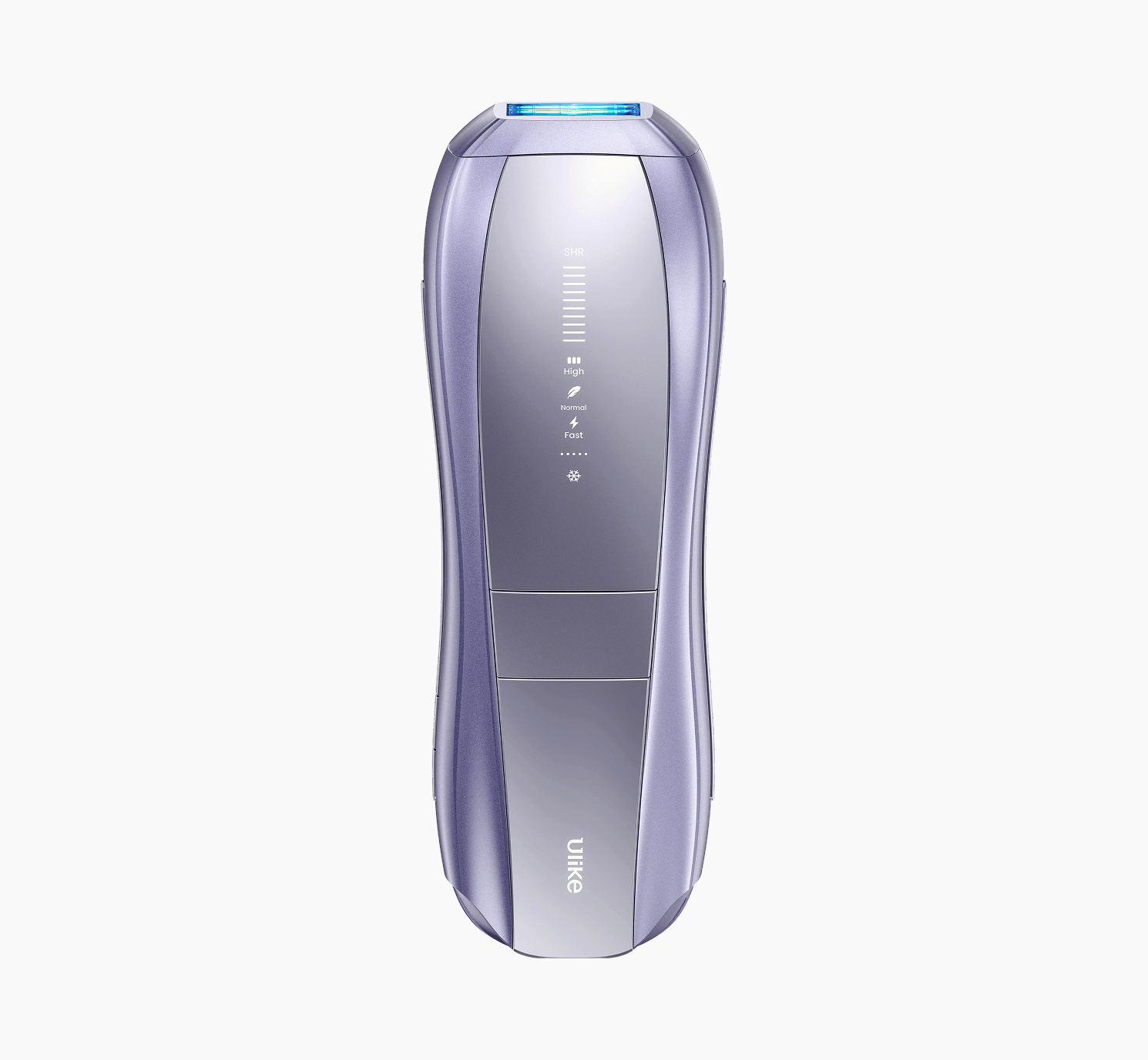
Ulike devices are designed around at-home convenience, treatment comfort, and long-term hair reduction.
Recent models incorporate features such as cooling technology and multiple treatment modes, allowing users to treat different body areas while maintaining comfort during sessions.
For users who prioritise regular at-home treatments, comfort can be an important factor because consistent use often has a greater impact on results than occasional high-intensity sessions.
Which IPL device is right for you?
The best IPL device depends on your goals.
You may prioritise:
| If you want... | Consider prioritising... |
|---|---|
| Faster treatments | Larger treatment window |
| Greater comfort | Cooling technology |
| Facial hair treatment | Precision attachments |
| Full-body treatments | Faster flash rates |
| Long-term maintenance | Ease of use and consistency |
Rather than looking for a universally "best" IPL device, focus on finding one that matches your treatment areas, budget, and expected routine.
Related IPL Device Guides
Before choosing a device, you may also find these guides helpful:
👉 Ulike Air 10 vs Air 4 vs Air 3: Which One Should You Buy?
👉 IPL at Home: Braun vs Philips UK Comparison (2026)
👉 Ulike vs 5MinSkin IPL UK: Which Device Is Best in 2026?
👉 Best IPL Hair Removal Devices and Laser Machines in the UK
How to Use IPL Hair Removal at Home for the Best Results

Before you start: prepare your skin properly
Proper preparation can improve both safety and results. Before each IPL session, the treatment area should be clean, dry, and freshly shaved.
Shaving leaves the hair follicle intact beneath the skin, allowing the IPL light to target the pigment effectively. Waxing, plucking, or threading removes the hair root and can reduce treatment effectiveness.
Before your first session, always perform a patch test according to the device manufacturer's instructions.
Step 1: Choose the correct intensity level
Most modern IPL devices offer multiple intensity settings.
New users should start with the recommended setting for their skin tone and gradually increase only if comfortable. Using a higher setting than necessary will not automatically produce faster results.
The goal is to use the highest comfortable setting that is appropriate for your skin tone and device guidance.
Step 2: Treat the area systematically
Place the treatment window flat against the skin and move methodically across the area.
Avoid:
- Flashing the same spot repeatedly
- Rushing through large treatment zones
- Leaving large gaps between flashes
Many users find it helpful to work in sections when treating larger areas such as the legs or arms.
Common treatment areas include:
- Legs
- Underarms
- Bikini line
- Arms
- Face (where device instructions allow)
Step 3: Follow a consistent treatment schedule
Consistency is one of the biggest factors affecting IPL success.
Most treatment plans begin with regular sessions during the first few weeks, followed by maintenance treatments as hair growth slows.
Many users stop too early and assume the device is not working when they simply have not completed a full treatment cycle.
Because IPL only affects hairs in the active growth phase, repeated sessions are necessary to target new follicles as they enter that stage.
Step 4: Care for your skin after treatment
Most people can return to normal activities immediately after treatment. However, skin may be slightly sensitive for a short period.
After treatment:
- Apply a gentle moisturiser if needed
- Avoid excessive sun exposure
- Use sunscreen on exposed treatment areas
- Avoid harsh exfoliants if the skin feels irritated
Good aftercare supports skin comfort and helps minimise unnecessary irritation.
Common mistakes that reduce IPL results
Many disappointing IPL experiences are linked to user error rather than device failure.
Common mistakes include:
- Skipping treatments
- Waxing between sessions
- Using settings that are too low
- Treating recently tanned skin
- Expecting permanent results after only a few sessions
Understanding realistic timelines can help avoid frustration and improve long-term outcomes.
IPL Hair Removal Results: How Long Does It Take to Work?

When can you expect to see IPL results?
IPL hair removal does not produce immediate results after a single treatment. Instead, hair reduction happens gradually as treated follicles move through their natural growth cycles.
Many users notice some hairs beginning to shed within the first few weeks. Over time, regrowth often becomes slower, finer, and less noticeable.
Because every follicle is at a different stage of growth, visible improvements tend to appear progressively rather than all at once.
Why results vary from person to person
Not everyone sees results at the same rate.
Several factors influence treatment outcomes, including:
- Hair colour
- Hair thickness
- Skin tone
- Treatment consistency
- Device quality
- Hormonal influences
Darker, coarser hair typically responds more effectively because it contains more pigment for the light energy to target.
Certain hormonal conditions may also affect long-term maintenance requirements.
What happens during the first few months?
The first few months are typically when the most noticeable changes occur.
Many users experience:
Early phase
- Reduced hair growth speed
- Increased shedding
- Softer regrowth
Mid phase
- Patchier regrowth
- Fewer active follicles
- Less frequent shaving
Long-term phase
- Reduced overall hair density
- Longer periods between maintenance sessions
- Smoother skin with less irritation
Results improve as more follicles are successfully treated across multiple growth cycles.
Why some people think IPL is not working
One of the most common reasons people abandon IPL too early is unrealistic expectations.
Common causes of disappointing results include:
- Inconsistent treatment schedules
- Using settings that are too low
- Waxing between sessions
- Expecting permanent removal after a few treatments
- Treating hair that is unsuitable for IPL
In many cases, the device is working correctly but the user has not yet completed enough sessions to see meaningful follicle reduction.
Realistic expectations for at-home IPL
The best IPL results usually come from viewing treatment as a process rather than a one-time event.
Users who follow their treatment schedule consistently and maintain realistic expectations are more likely to achieve significant long-term reduction in unwanted hair growth.
For many people, the biggest benefits are not just fewer hairs, but also:
- Less shaving
- Fewer ingrown hairs
- Reduced skin irritation
- Greater convenience
Does IPL Work Equally Well on Every Body Area?
IPL results vary by treatment area
IPL can be used on many parts of the body, but results are not always identical across every treatment area.
Factors such as hair thickness, hair density, skin sensitivity, and hormonal influences can affect how quickly results appear and how much reduction is achieved.
In general, darker and coarser hair tends to respond more effectively than finer hair.
Facial hair can be more challenging
Facial hair often behaves differently from body hair.
Areas such as the:
- Upper lip
- Chin
- Sideburns
may require greater consistency because facial hair growth is often influenced by hormones.
Some users see excellent results, while others may require more maintenance treatments than they would on areas such as the legs.
Underarms usually respond well
Underarm hair is often coarse and dark, making it a common treatment area for IPL users.
Many people also appreciate the reduction in shaving frequency and irritation that can occur when underarm hair becomes less dense.
Bikini and pubic areas require extra care
The bikini area is one of the most popular IPL treatment zones, but it is also one of the most sensitive.
Following device instructions carefully and using appropriate intensity settings is particularly important in these areas.
Many users choose IPL because it can help reduce recurring issues associated with shaving and waxing.
Large body areas often show the biggest convenience gains
Areas such as:
may require longer treatment sessions initially, but they are often where users notice the greatest reduction in shaving and maintenance time.
This is particularly valuable for people who regularly remove hair across larger portions of the body.
The best treatment area is the one that matters most to you
There is no universally "best" area for IPL treatment.
Some users prioritise facial hair. Others focus on underarms, legs, bikini areas, or reducing recurring ingrown hairs.
The most successful IPL routines are usually built around the areas that cause the most maintenance, irritation, or frustration in daily life.
IPL Alternatives: How Does IPL Compare to Other Hair Removal Methods?
IPL vs shaving
Shaving is fast, inexpensive, and accessible, but results are temporary. Hair typically regrows within days, which means ongoing maintenance is required.
IPL requires more patience upfront, but it aims to reduce regrowth.
Here are some additional reads:
IPL vs waxing
Waxing removes hair from the root and can provide smooth skin for several weeks.
However, treatments must be repeated regularly, and some people experience irritation or ingrown hairs.
IPL focuses on reducing future regrowth rather than removing existing hair immediately.
Here are some additional reads:
IPL vs laser hair removal
Laser hair removal uses a concentrated wavelength of light, while IPL uses a broader light spectrum.
Both aim to reduce hair growth over time, but they differ in treatment setting, cost, and user experience.
Here are some additional reads:
IPL vs electrolysis
Electrolysis treats individual follicles using an electrical current and is often regarded as the only FDA-recognised permanent hair removal method.
However, it is usually slower because each follicle must be treated individually.
IPL can cover larger areas much more quickly.
IPL vs hair removal creams and other temporary methods
Hair removal creams dissolve hair at the skin surface and can provide longer-lasting results than shaving, but they do not affect future growth.
Other temporary methods such as threading, dermaplaning, and trimming offer different benefits depending on the treatment area.
Which method is right for you?
The best hair removal method depends on:
- Budget
- Pain tolerance
- Desired longevity
- Treatment area
- Time commitment
For people seeking long-term reduction without clinic visits, IPL often sits between temporary methods like shaving and more intensive options like professional laser treatments.
Frequently Asked Questions About IPL Hair Removal
Does IPL hair removal really work?
Yes. IPL hair removal can significantly reduce hair growth over time by targeting pigment in the hair follicle. Results vary depending on hair colour, skin tone, and treatment consistency, but many users experience slower regrowth, finer hair, and reduced hair density after completing a full treatment cycle.
👉 Related guide:
IPL Hair Removal Reviews: Honest Results Explained
Is IPL hair removal permanent?
IPL is generally described as long-term hair reduction rather than permanent hair removal. Many users achieve long-lasting results, but occasional maintenance treatments are often needed as new follicles become active over time.
How long does it take for IPL hair removal to work?
Most users begin noticing changes within the first few weeks, although visible results develop gradually. Because IPL only affects hairs in the active growth phase, multiple treatments are needed before significant reduction becomes apparent.
Does IPL hurt?
Most users describe IPL as mildly uncomfortable rather than painful. The sensation is often compared to a brief warm snap against the skin. Modern devices with cooling technology can make treatments more comfortable, especially on sensitive areas.
👉 Related guide:
IPL Hair Removal: Does It Hurt? What to Expect Before You Try
Is IPL safe for sensitive skin?
IPL is generally safe for sensitive skin when used according to device instructions. Performing a patch test before treatment and selecting the correct intensity setting can help minimise irritation and identify any unusual skin reactions.
👉 Related guides:
IPL Hair Removal With Rosacea UK: Is It Safe for Sensitive Skin?
Can IPL help with ingrown hairs?
Many people use IPL to help reduce recurring ingrown hairs because less hair growth often means fewer opportunities for hairs to become trapped beneath the skin. Results vary, but reducing shaving frequency can also help minimise irritation.
Can IPL be used on facial hair?
Yes, many IPL devices can be used on facial hair, although users should always follow the manufacturer's instructions regarding treatment areas. Facial hair may require more maintenance treatments because hormonal influences can affect growth patterns.
Does IPL work on pubic hair and the bikini area?
IPL can be used on the bikini line and other approved pubic hair treatment areas if supported by the device manufacturer. Because the area is sensitive, users should start with appropriate intensity settings and follow all safety guidance.
Can people with PCOS use IPL?
Yes. Many people with PCOS use IPL to manage unwanted hair growth. However, because hormonal conditions can influence hair regrowth, ongoing maintenance treatments may be required to maintain results.
What happens if IPL is not working?
If IPL appears ineffective, the most common causes are inconsistent treatments, incorrect device settings, unsuitable hair colour, or unrealistic expectations regarding timelines. Reviewing your treatment schedule and device guidance can often help identify the issue.
Is IPL better than laser hair removal?
Neither option is universally better. Laser hair removal typically delivers more concentrated energy and is often performed in clinics, while IPL offers the convenience of at-home treatments and lower long-term costs. The best choice depends on your goals, budget, and preferences.
What is the best IPL device in the UK?
The best IPL device depends on your skin tone, treatment areas, comfort preferences, and budget. Features such as cooling technology, treatment speed, and ease of use are often more important than marketing claims alone.
Final Thoughts on IPL Hair Removal
IPL hair removal has become one of the most popular long-term hair reduction methods because it offers a balance of convenience, comfort, and accessibility.
While results are not immediate, consistent treatments can lead to slower regrowth, fewer ingrown hairs, reduced shaving frequency, and smoother skin over time. Success depends on factors such as hair colour, skin tone, treatment consistency, and choosing a device that fits your needs.
Whether you are exploring IPL for facial hair, underarms, legs, the bikini area, or other treatment zones, understanding how the technology works can help you set realistic expectations and achieve better results.
The most effective approach is to treat IPL as a long-term routine rather than a one-time solution.
Explore Ulike IPL Hair Removal Devices
If you are considering at-home IPL, choosing the right device is just as important as following the correct treatment schedule.
Ulike IPL devices are designed to make long-term hair reduction more comfortable and convenient, with features designed to support regular at-home use across different treatment areas.
Before choosing a device, you may find these guides helpful:
- Ulike Air 10 vs Air 4 vs Air 3: Which One Should You Buy?
- Ulike Air 10 Results: My 12-Week IPL Hair Removal Experience
- Ulike vs 5MinSkin IPL UK: Which Device Is Best in 2026?
- Best IPL Hair Removal Devices and Laser Machines in the UK
Or explore the latest Ulike IPL devices to compare features, treatment modes, and suitability for your hair removal goals.

Why Does Hair Grow Back So Fast?
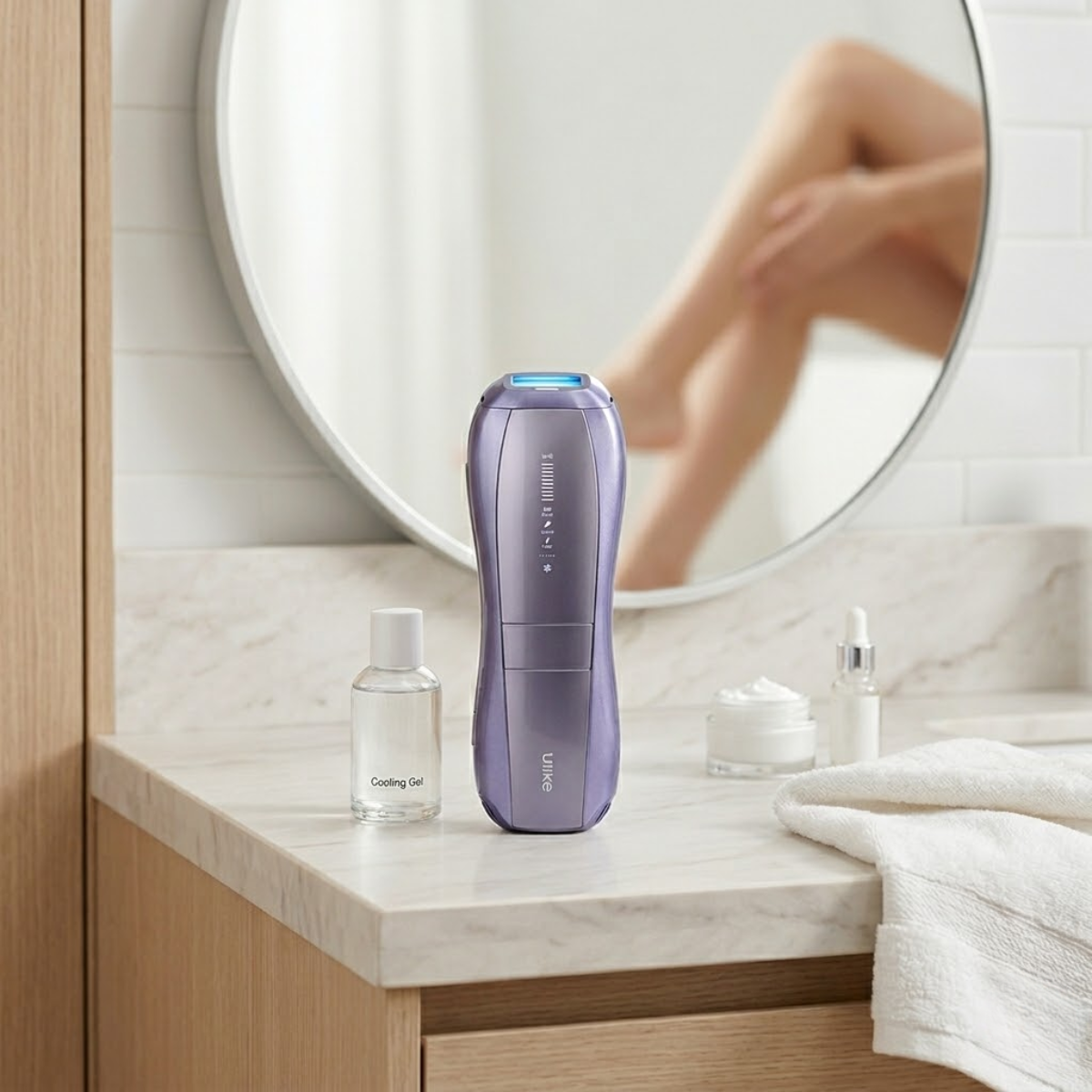
Ulike Air 10 Results: My 12-Week IPL Hair Removal Experience

Hair Removal for Male Swimmers and Triathletes: The Chlorine Problem Nobody Talks About
Explore Beauty
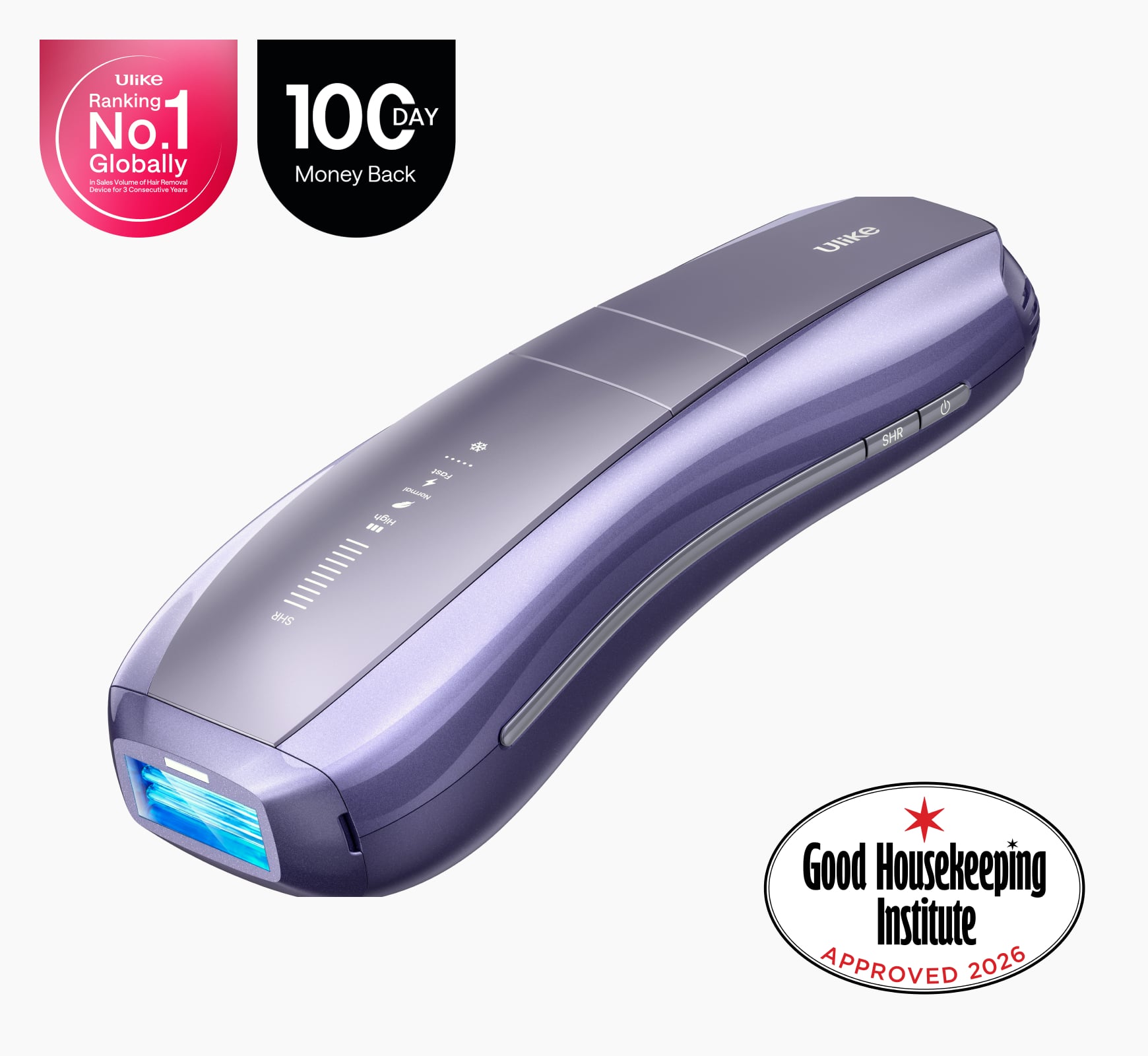
Ulike Air 10
2 weeks to silky smooth skin.
96% Hair Density Reduction in 2 Weeks
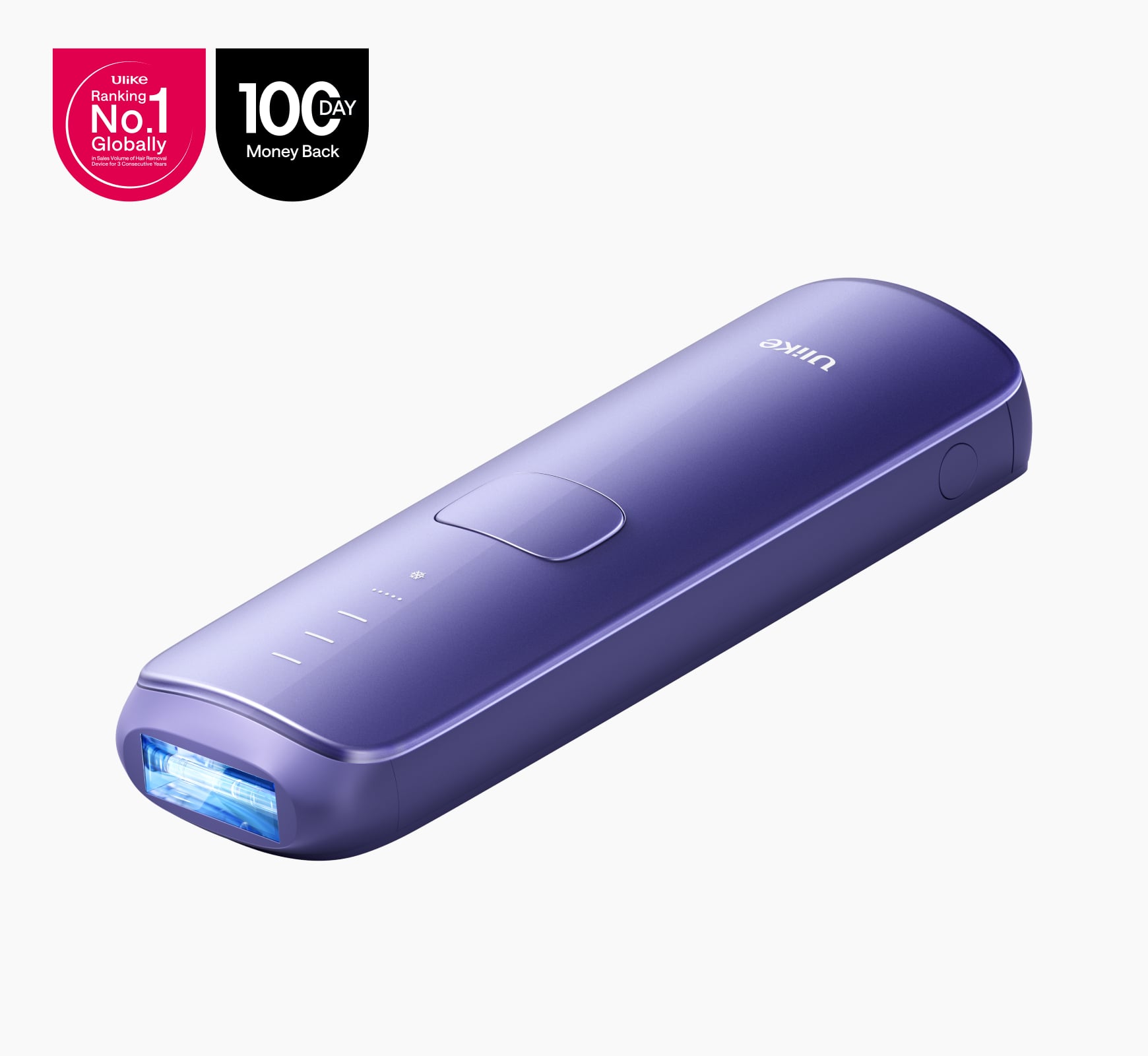
Ulike Air 3
3 weeks to silky smooth skin.
93% Hair Density Reduction in 4 Weeks
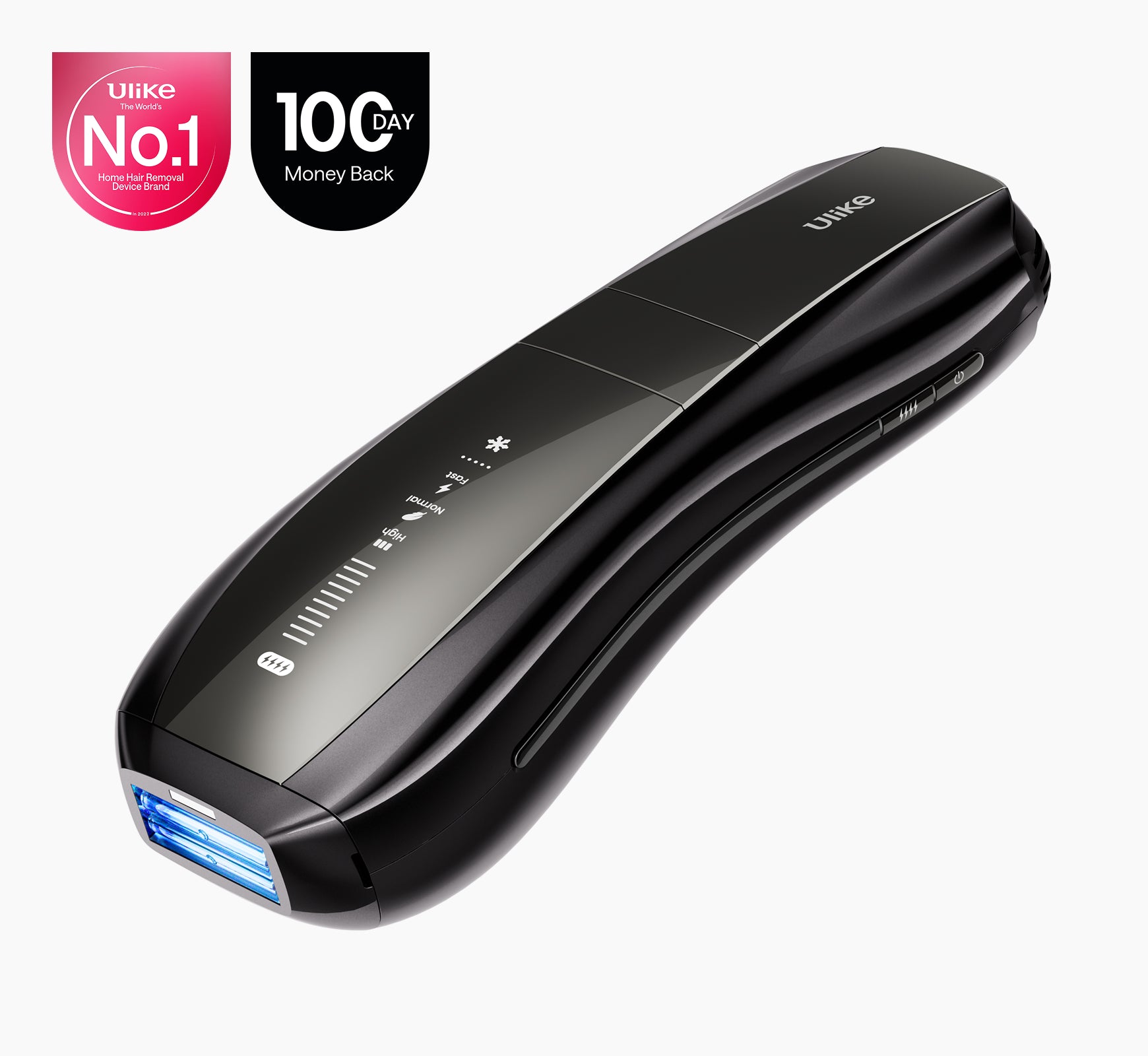
Ulike X
3 weeks to silky smooth skin.
94% hair reduction in just 2 weeks*
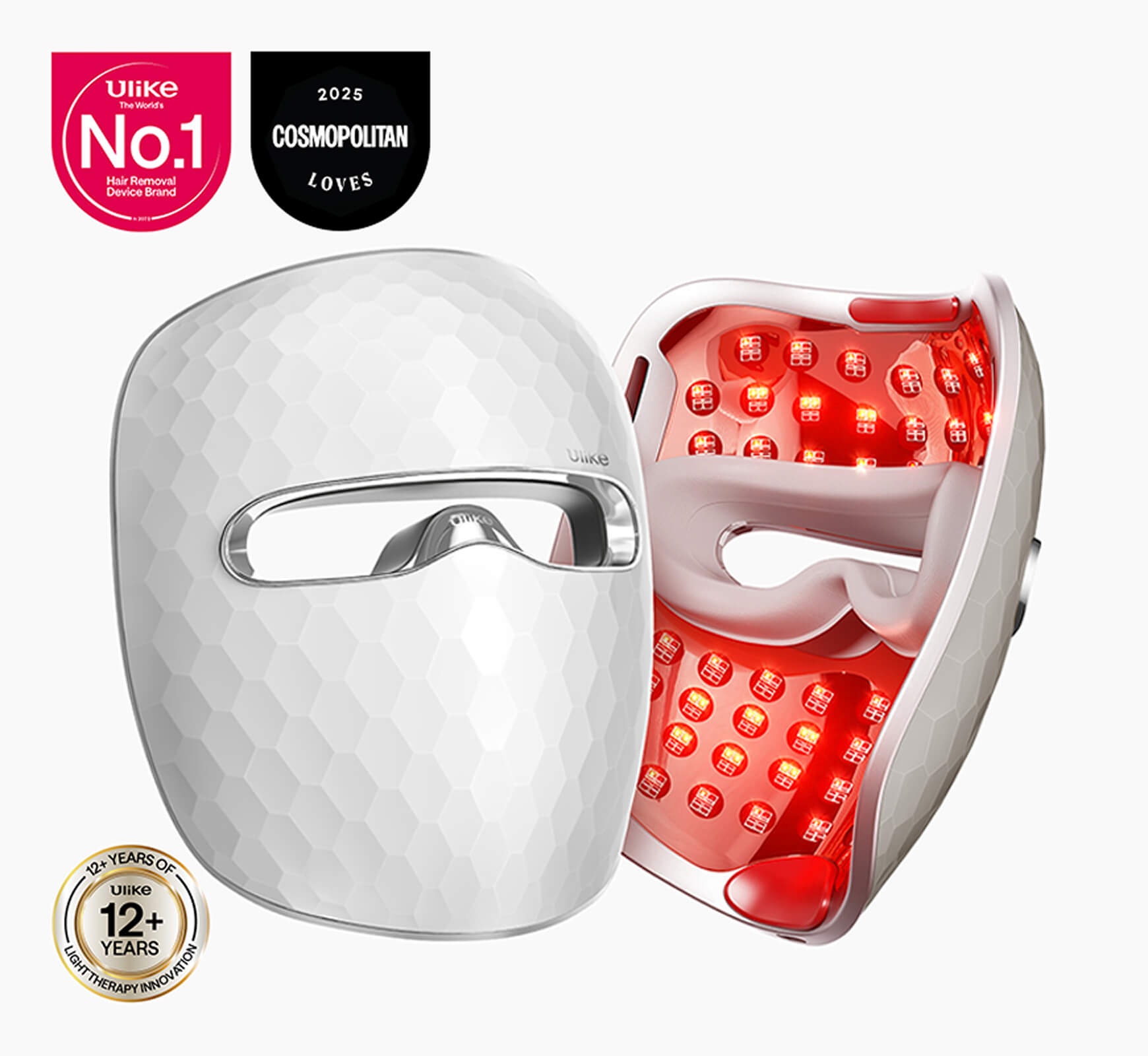
Ulike Reglow
Clearer skin in 2 weeks: Fewer breakouts
Smoother skin in 4 weeks: Fewer lines, firmer feel